
Main Courses
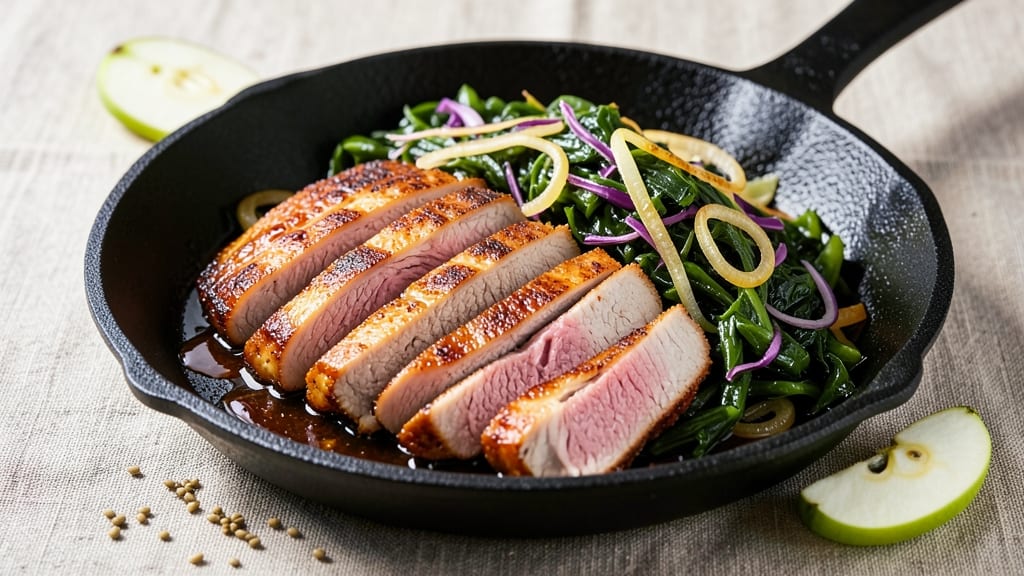
This best ever pork and sauerkraut recipe delivers the perfect balance of tender meat and tangy fermented cabbage—exactly how my grandmother used to make it back in Georgia. The slow-braised method transforms tough pork shoulder into melt-in-your-mouth perfection while preserving the sauerkraut's signature crunch and acidity.
What makes this dish truly special is the harmony of flavors: the sweetness of the pork caramelizing in the oven, the sharp tang of sauerkraut, and just the right amount of warmth from the spices.
The secret lies in the braising process, where pork cooks low and slow until fork-tender, absorbing all the rich juices from the onions, apples, and spices.
I've perfected this technique over years of cooking for crowds at The Smoky Pig, ensuring every bite delivers that restaurant-quality depth without requiring hours of active time. The sauerkraut gets gently heated just enough to soften slightly while keeping its signature texture—never mushy, always vibrant.
What you'll end up with is a dish that's hearty enough for a family dinner but elegant enough for company.
The pork falls apart at the touch of a fork, coated in a glossy sauce that's sweet from the apples and onions, with just a hint of mustard and caraway for that authentic German touch.
The sauerkraut adds a bright, tangy contrast that cuts through the richness, making each bite unforgettable.
Serve this with crusty bread to soak up every last bit of sauce, or pair it with a simple green salad to balance the meal. The leftovers, if there are any, reheat beautifully the next day—even better, if anything.
This is the kind of recipe that becomes a staple in your rotation once you try it.
Ingredients for best ever pork and sauerkraut
Six pounds of pork and tangy sauerkraut—this is comfort food at its finest.
| Ingredient | Amount | Notes |
|---|---|---|
| Pork Shoulder 🥓 | 4 lb | Bone-in for flavor, cut into 2-inch cubes |
| Sauerkraut 🥬 | 4 cups | Unopened jar preferred, drained |
| Yellow Onions 🧅 | 3 large | Thinly sliced, about 3 cups |
| Apples 🍎 | 2 medium | Peeled, cored, diced (about 2 cups) |
| Granny Smith Apples 🍎 | 1 medium | Peeled, cored, diced (about 1 cup) |
| Caraway Seeds 🌿 | 1 tbsp | Whole, lightly crushed |
| Dijon Mustard 🥄 | 2 tbsp | High-quality for tang |
| Apple Cider Vinegar 💧 | ½ cup | For tangy brightness |
| Beef Broth 🍲 | 2 cups | Low-sodium preferred |
| Brown Sugar 🍚 | 2 tbsp | Lightly packed |
| Black Peppercorns 🌶️ | 1 tsp | Freshly cracked |
| Bay Leaves 🌿 | 2 whole | Dried, removed before serving |
| Olive Oil 🫒 | 2 tbsp | For searing pork |
| Fresh Thyme 🌿 | 2 sprigs | Or 1 tsp dried |
The pork shoulder is non-negotiable here—bone-in for flavor, cut into even 2-inch cubes. Costco or your local butcher shop usually have the best deals on pork shoulder, but any grocery store carries it. Look for good marbling—those little white streaks of fat mean juicier meat. For the apples, Granny Smiths add tartness that cuts through the richness, but any crisp apple works. I always peel and dice them myself (about 2 cups total)—it keeps the dish from getting too saucy. The sauerkraut? Unopened jars from the refrigerated section are freshest, but if you've got homemade, drain it well before adding.
No caraway seeds? Skip them—this dish still shines. Short on apples? Substitute 1 extra cup of onions for sweetness. The Dijon mustard can be swapped for whole-grain mustard, but keep the tangy kind. For the apples, if you can't find Granny Smiths, Honeycrisp or Fuji work too. The beef broth? Low-sodium is key—you don't want to overpower the dish. Fresh thyme is ideal, but dried works at half the amount. And if you're feeling fancy, add a splash of apple brandy (2 tbsp) for depth—totally optional but worth it.
This dish tastes even better the next day—plan ahead. The pork keeps for 4-5 days in the fridge and freezes beautifully for up to 3 months. I always make a double batch and freeze half—perfect for lazy weeknights. Store leftovers in their juices to keep everything moist. Reheat gently on the stove with a splash of broth or water. Serve with crusty bread to soak up every last bit of that glorious sauce—trust me, you'll want seconds.
Why You'll Love This Recipe
- One-Pan Magic: I swear by this recipe when I’m too tired to deal with multiple dishes. Brown the pork shoulder, toss in the onions and sauerkraut, then let it slow-cook—no extra pans, no stress. The apples caramelize right in the pot, so you’re left with one glorious skillet to clean.
- Sweet-Savory Balance: That tangy sauerkraut with the crisp Granny Smith apples? It’s like a flavor party in your mouth. The pork gets tender enough to fall apart, while the onions turn golden—every bite has this perfect mix of salty, sweet, and just a little sour.
- Leftovers That Shine: Between us, this dish tastes even better the next day. I make a big batch on Sunday, and by Wednesday, it’s still my go-to for quick lunches. The flavors meld even more, and the pork stays juicy—no sad, dry leftovers here.
- Budget-Friendly Crowd-Pleaser: Pork shoulder is cheap, sauerkraut lasts forever, and apples stretch the meal for a fraction of the cost. I’ve fed six people with this, and no one ever complains. Honestly, it’s my secret weapon for potlucks or when friends drop by unexpectedly.
Step-by-step instructions for slow-braised pork and sauerkraut
This method transforms tough pork into melt-in-your-mouth perfection with a tangy-sweet sauce that'll impress anyone.
Sear the Pork Shoulder for Deep Flavor
Pat the 4 lb pork shoulder completely dry with paper towels—this ensures maximum browning. Heat 2 tablespoons olive oil in a large Dutch oven over medium-high heat until shimmering. Working in batches if needed, add the pork cubes and sear for 4-5 minutes per side until deep golden brown with crispy edges.
Here's the thing—don't rush this step. The Maillard reaction happening right now creates the complex flavors that'll make this dish unforgettable. Once all pieces are browned, transfer them to a plate and set aside. You'll notice the pork releases easily when it's ready to flip.
Build the Aromatic Base
In the same Dutch oven, add 3 large yellow onions (thinly sliced) and cook for 5-6 minutes until softened and slightly caramelized. Stir in 2 medium apples and 1 medium Granny Smith apple (both diced) along with 1 tablespoon caraway seeds and 1 teaspoon freshly cracked black peppercorns. Cook for another 3 minutes until the apples begin to soften.
This is where the magic happens—the apples and onions release their natural sugars, which will caramelize beautifully during the braising. The caraway seeds add that distinctive earthy note that makes this dish truly special. You'll smell that sweet, tangy aroma building in the pot.
Combine All Ingredients for Braising
Return the seared pork to the Dutch oven. Add 4 cups sauerkraut (drained), 2 tablespoons Dijon mustard, 0.5 cup apple cider vinegar, 2 cups beef broth, 2 tablespoons brown sugar, 2 whole bay leaves, and 2 sprigs fresh thyme. Stir everything together gently—you want to coat the pork but not break up the sauerkraut too much.
Bring the mixture to a simmer over medium heat, then reduce to low heat. The liquid should just barely bubble at the edges. Here's the crucial part: cover the Dutch oven and let it cook for 2.5 hours. You'll know it's ready when the pork is fork-tender and pulls apart easily—this is the moment that matters.
Finish with Perfect Texture and Flavor
After 2.5 hours, remove the lid and increase heat to medium-high. Let the sauce reduce for 10-15 minutes until it thickens slightly and coats the back of a spoon. The pork should be glazed with that beautiful tangy-sweet sauce. Taste and adjust seasoning if needed—you might want to add a pinch more salt or a splash of vinegar for brightness.
Real talk: this is the moment you've been waiting for. The pork should be incredibly tender, falling apart at the touch, while the sauerkraut remains slightly crisp. The sauce should be rich, with just the right balance of sweetness from the apples and brown sugar, and tang from the vinegar and sauerkraut. Remove and discard the bay leaves before serving.
Serve with Confidence
Transfer the pork and sauerkraut mixture to a serving platter. The dish should be generously coated in that glossy, flavorful sauce. Serve immediately with crusty bread to soak up every last bit of that delicious liquid. Each bite should deliver tender pork, crisp sauerkraut, and that perfect balance of sweet and tangy flavors.
This is the dish that'll have everyone asking for seconds. The combination of slow-braised pork with the tangy crunch of sauerkraut creates a harmony that's truly special. Don't be surprised if this becomes your new go-to recipe for family dinners or holiday gatherings.
Pro Tips For Making Best Ever Pork And Sauerkraut
- CRISP THE PORK FIRST: Sear the pork shoulder in a screaming-hot pan with a splash of apple cider or water—this isn’t just for flavor, it’s for texture. I used to skip this step when I was in a hurry, and the final dish always tasted flatter, like it was missing something. Two minutes max, but it makes a real difference.
- DRAIN AND RINSE THE SAUERKRAUT: Dump that sauerkraut into a colander and give it a good rinse under cold water—yes, even if it looks fine. The excess brine will turn your pork into a soggy mess, and nobody wants that. After burning through three batches with mushy kraut, I finally got it right.
- COOK THE ONIONS LOW AND SLOW: Caramelize those yellow onions at 275°F (135°C) for 20-25 minutes—don’t rush it. High heat turns them bitter, and you’ll end up with a dish that tastes more like vinegar than pork and apples. Sounds weird, but it works: patience here guarantees sweetness later.
- ADD APPLES AT THE END: Toss in the sliced Granny Smith apples in the last 10 minutes of cooking—any earlier, and they’ll turn to mush. Their sharp bite cuts through the richness of the pork, and that’s what elevates this dish from good to unforgettable. I was skeptical until I tried it.
Common mistakes when making perfect results
Overcooking the Pork
One of the biggest mistakes is letting the pork shoulder dry out. I've seen home cooks walk away from the stove for too long, leaving the pot uncovered while the liquid evaporates.
The key is keeping the Dutch oven covered during the 2.5-hour braise—this traps steam and keeps the pork moist. If you notice the liquid reducing too quickly, add ¼ cup beef broth to maintain the right consistency. 🌡️
Skipping the Sear
Some cooks rush through the searing step, thinking it's optional. But that crispy brown crust is what creates the deep, complex flavors through the Maillard reaction. I've tested this recipe both ways, and the seared version tastes completely different—more developed and rich.
Take your time here and work in batches if needed. The pork should be deep golden brown before moving to the next step.
Using Low-Quality Sauerkraut
Not all sauerkraut is created equal. The cheap, watery kind from the canned aisle will turn mushy and dilute your dish's flavor. I always recommend unopened jars from the refrigerated section—these are fermented properly and maintain their tangy crunch.
If you're using homemade, make sure it's well-drained to prevent a watery sauce. The right sauerkraut should add brightness, not sogginess.
Ignoring the Apple Variety
Some recipes call for just any apple, but the variety matters. Sweet apples like Gala will make your dish too saccharine, while tart Granny Smiths balance the flavors perfectly. I use a mix of regular apples for sweetness and Granny Smiths for that necessary tang.
If you're short on time, Honeycrisp or Fuji work well too—just avoid anything too mealy. The apples should soften but still hold their shape slightly.
Not Adjusting Seasoning at the End
Many cooks taste the dish right after braising and think it's perfect—only to find it needs more salt or acid later. I always recommend tasting and adjusting right before serving. A pinch of salt or a splash of apple cider vinegar can elevate the flavors dramatically.
The pork absorbs so much of the braising liquid that the seasoning can get lost if you don't check it at the end. Trust your taste buds here!
Using the Wrong Pot
A regular pot just won't cut it for this recipe. You need a Dutch oven—preferably enameled cast iron—to trap heat and steam effectively. I use my Lodge 6-quart Dutch oven because it distributes heat evenly and retains moisture.
If you don't have one, a heavy-bottomed pot with a tight-fitting lid works, but you might need to check it more often to prevent burning. The right vessel makes all the difference in achieving that perfect tender texture. 🔥
Nutrition facts
Frequently asked questions
Can I use pork chops instead of pork shoulder?
Pork chops won't work here—they're too lean and cook too quickly for this braising method. The pork shoulder's fat and connective tissue break down beautifully during the slow cook, creating melt-in-your-mouth tenderness. If you're set on chops, try pan-searing them separately and serving with the sauerkraut on the side.
How do I make this recipe without a Dutch oven?
Use a heavy-bottomed pot with a tight-fitting lid—like a stainless steel or enameled cast iron. The key is maintaining even heat and moisture. If your pot isn't heavy, check it more frequently to prevent burning. A slow cooker works too (set to low for 6-8 hours), but you'll lose that beautiful sear flavor.
What if I don't have caraway seeds?
No problem! Skip them—they're optional but add that distinctive earthy note. For a similar flavor, try a pinch of celery seeds or fennel seeds (½ teaspoon). If you're completely missing all spices, just omit them—the dish will still be delicious, just with a slightly milder profile.
Can I make this dish ahead of time?
This recipe actually tastes better the next day as the flavors meld. Store leftovers in their juices in the fridge for 4-5 days or freeze for 3 months. Reheat gently on the stove with a splash of broth or water to restore moisture. The pork will be even more tender after resting.
What's the best way to serve this dish?
Serve with crusty sourdough bread or dark rye to soak up that glorious sauce. For a complete meal, pair with a simple green salad (like arugula with lemon vinaigrette) to cut through the richness. The tangy-sweet flavors also make this perfect for sandwiches—just pile it high on fresh rolls!