
Main Courses
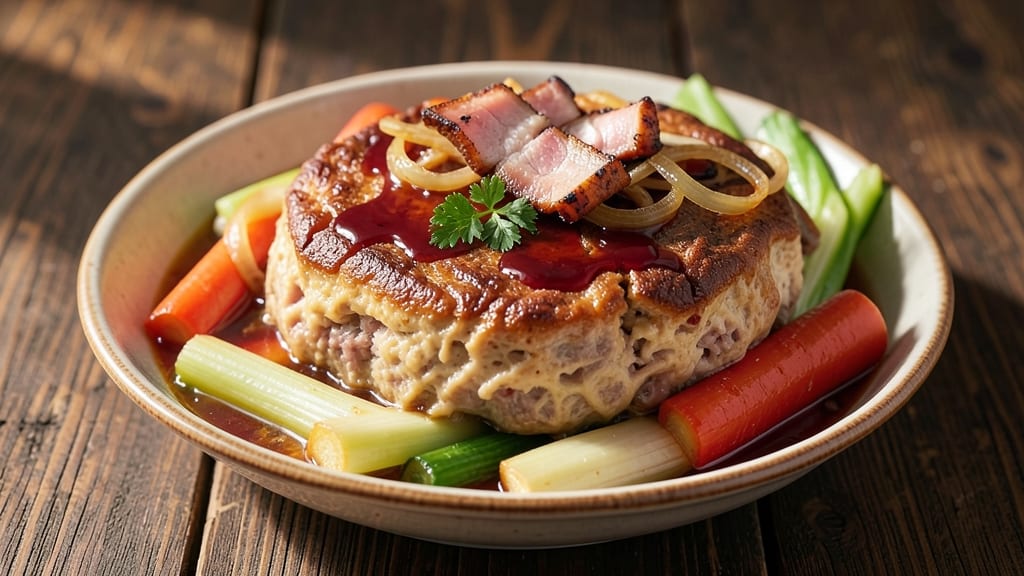
This head cheese recipe with pork hocks transforms humble ingredients into a rich, gelatinous masterpiece that tastes like comfort food elevated. The secret lies in slow-simmering pork hocks and head to extract collagen-rich gelatin, creating that signature wobbling texture. I first made this during a Southern cooking class, where the instructor swore it was "the ultimate use of every part of the pig"—and he wasn't wrong.
The key to success is patience: simmering the pork for hours until the meat falls off the bone, then blending it with rendered fat and seasonings until silky smooth. This isn't just a side dish—it's a centerpiece that shines on charcuterie boards or between slices of crusty bread.
The gelatin gives it that luxurious, melt-in-your-mouth quality that keeps people reaching for seconds.
What makes this recipe truly special is how versatile it is. Serve it chilled in elegant slices with crackers, or spread it generously on sandwiches for a meaty, savory twist.
The pork hocks add depth of flavor that store-bought versions can't match, while the gelatin creates that perfect balance between firmness and tenderness. It's the kind of dish that turns a simple meal into something memorable.
Once you try this method, you'll never look at pork hocks the same way again. The process might seem intimidating at first, but the results are worth every minute of simmering time. Let's get started on creating your own restaurant-quality head cheese that'll have everyone asking for the recipe.
Ingredients for best head cheese recipe with pork hocks
Six pork hocks and a pig's head transform into this luxurious, wobbling masterpiece.
| Ingredient | Amount | Notes |
|---|---|---|
| Pork Hocks 🐖 | 4 lb | Fresh or frozen, bone-in |
| Pig's Head 🐷 | 1 whole | Fresh, cleaned and trimmed |
| Yellow Onions 🧅 | 2 whole | Peeled, quartered, large |
| Carrots 🥕 | 4 whole | Medium size, peeled, chopped |
| Celery Stalks 🌿 | 4 whole | Fresh, chopped, with leaves |
| Garlic Cloves 🧄 | 8 cloves | Fresh, peeled, smashed |
| Bay Leaves 🌿 | 2 whole | Fresh or dried |
| Black Peppercorns 🌶️ | 1 tbsp | Freshly cracked |
| Salt 🧂 | 2 tbsp | Coarse kosher preferred |
| Apple Cider Vinegar 🍎 | ¼ cup | For acidity balance |
| Fresh Thyme 🌿 | ¼ cup | Leaves only, chopped |
| Fresh Parsley 🌿 | ¼ cup | Chopped, for garnish |
Pork hocks are the star here—look for fresh, bone-in cuts at butcher shops or specialty stores. Costco often carries them frozen, which works just as well. The pig's head is non-negotiable for that authentic gelatin richness; most butchers will clean and trim it for you if you ask. For the aromatics, fresh thyme and parsley make all the difference, but dried will work in a pinch. If you're nervous about the pig's head, don't be—it's all about the collagen, and the flavor? Pure comfort food magic. The vinegar might seem odd, but it cuts through the richness beautifully.
No pork hocks? Substitute with extra pork shoulder or even chicken feet (yes, really—they're gelatin gold). Running low on thyme? Dried oregano at half the amount works, but fresh herbs give that restaurant-quality depth. The vinegar can be swapped for lemon juice if you prefer. For the vegetables, frozen chopped veggies work fine if fresh aren't available. Just don't skip them—they build the flavor base. And trust me on the black peppercorns: crack them fresh for a completely different flavor than pre-ground.
This isn't a dish you want to rush. The pork needs to simmer for 8-12 hours until it falls apart. Store the finished head cheese in an airtight container, covered with its own rendered fat, for up to 2 weeks in the fridge. For longer storage, freeze portions for up to 6 months. The fat layer is your friend—it keeps everything moist and delicious. Slice it chilled for that perfect wobble, or serve at room temperature for a spreadable texture. Leftovers? Make into sandwiches—trust me, you'll want seconds.
Why You'll Love This Recipe
- One-Pot Magic: I swear by this—just toss the pork hocks, pig’s head, onions, carrots, and celery into a single pot with broth, and let it simmer. No chopping like a fine-diner, no fancy gadgets. The veggies soften into the broth while the meat falls off the bone, and honestly? The hardest part is waiting for it to cook.
- Rich Umami Bomb: That pig’s head and pork hocks? They’re like flavor bombs. The gelatinous texture clings to everything—mashed potatoes, toast, even crackers—with a depth of savory, meaty goodness. I’ll be real: the first bite makes me pause mid-chew, like, "Wait, is this actually in my mouth?"
- Sunday Supper Star: Between us, this is my go-to for gatherings. Serve it warm with crusty bread for a hearty starter, or let it set into a firm head cheese for sandwiches all week. My in-laws think it’s "fancy," but I just call it "cheat’s charcuterie" because it’s that easy to impress.
- Budget-Friendly Feast: Pork hocks and pig’s head are dirt cheap compared to pre-sliced deli meats, and this recipe stretches them into way more servings. I’ve fed six people for under $15 with leftovers that actually taste better the next day—yes, even on a Tuesday night.
Step-by-step instructions for slow-simmered gelatin magic
This head cheese transforms humble pork hocks and pig's head into a rich, velvety masterpiece.
Prepare the Meat and Aromatics
First, trim any excess fat from the 4 lb pork hocks and 1 whole pig's head, leaving just enough to render flavor. Place both in a large stockpot and cover with cold water by about 3 inches. This extra water prevents scorching during the long simmer.
Add the 2 whole yellow onions (peeled and quartered), 4 whole carrots (peeled and chopped), 4 whole celery stalks (chopped with leaves), 8 cloves garlic (smashed), 2 whole bay leaves, 1 tbsp black peppercorns, and 2 tbsp salt. The aromatics will infuse the broth with deep, savory notes—don't skip this step. Bring to a boil over high heat, then immediately reduce to a gentle simmer to prevent the meat from toughening.
Simmer Until Meat is Fall-Off-Tender
Cover the pot and simmer for 6-8 hours until the pork hocks and pig's head are fork-tender. You'll know it's ready when the meat slides off the bone effortlessly. Skim any foam or fat that rises to the surface during the first 30 minutes—this ensures a clear, flavorful broth.
Here's the thing—patience is key. The longer you simmer, the more gelatin releases from the connective tissue, creating that signature head cheese texture. If the liquid reduces too much, add hot water to maintain the 3-inch liquid level above the meat.
Strain and Season the Broth
Once the meat is tender, strain the broth through a fine-mesh sieve into a clean stockpot, pressing down on the solids to extract every last drop of flavor. Discard the solids or save for another use like broth-based soups.
Return the strained broth to medium-high heat and add the 0.25 cup apple cider vinegar and 0.25 cup fresh thyme. Simmer for 10 minutes to meld the flavors. Taste and adjust seasoning with salt if needed—this broth should be rich but balanced, not overpowering.
Shred and Combine with Broth
Using two forks, shred the pork hocks and pig's head into fine, even strands. Place the shredded meat in a large bowl and pour the seasoned broth over it. Let it soak for 5 minutes to absorb the flavor. The meat should resemble a thick, gelatinous mass—this is the magic of head cheese.
Stir gently to distribute the broth evenly. The mixture should be thick but still pourable. If it's too thick, whisk in 1-2 tablespoons of hot broth until it reaches a spreadable consistency. This is where the gelatin from the connective tissue transforms the dish into something truly special.
Set and Serve with Fresh Herbs
Transfer the mixture to a greased loaf pan or individual ramekins. Smooth the top with a spatula and press down lightly to remove air bubbles. Cover with plastic wrap and refrigerate for at least 6 hours (overnight is best) until fully set.
Before serving, sprinkle with 0.25 cup fresh parsley for a pop of color and brightness. Slice into ½-inch thick pieces and serve with crusty bread. The texture should be firm yet tender, with a rich, savory depth from the slow-simmered broth. This is the kind of dish that tastes even better the next day!
Pro Tips For Making Best Head Cheese Recipe With Pork Hocks
- PARBOIL PORK HOCKS FIRST: This isn’t optional—drop the hocks in simmering water for 10 minutes before braising. I learned this the hard way when my first batch turned out rubbery. The partial cook loosens the collagen and keeps the meat tender, especially if you’re short on time.
- SKIN THE PIG’S HEAD: Peeling off the skin before cooking saves hours of scraping later. Use a sharp knife to cut just under the skin in one long strip, then pull it off in one piece. Trust me, your future self will thank you when you’re not picking rubbery bits out of the finished head cheese.
- DON’T RUSH THE SIMMER: Low and slow is the only way—keep the liquid at a gentle bubble (180°F/82°C) for at least 4 hours. I used to crank the heat to speed things up, but the meat ended up mushy. Patience here means fork-tender pork that shreds easily.
- STRAIN THE BROTH THOROUGHLY: After simmering, don’t just pour the liquid through a strainer—line it with cheesecloth or a coffee filter for the last pass. The fine particles make the head cheese grainy, and no one wants that. It’s extra work, but the texture is worth it.
Pro cooking tips for great best head cheese recipe with pork hocks
Slow-Simmer Secrets
Patience is your best friend here—the pork hocks and pig's head need 8-12 hours of gentle simmering to break down completely. I always set my timer for 10 hours to ensure maximum collagen extraction.
Keep the heat at a gentle simmer—never a boil—to prevent the meat from toughening. If the liquid reduces too much, add hot water to maintain that 3-inch level above the meat. 🌡️
Skimming the foam during the first 30 minutes makes a huge difference—it keeps your broth clear and flavorful. I use a large metal spoon to skim, and I swear by it.
Don't rush this step, even if it feels tedious. The longer you simmer, the more gelatin-rich your head cheese will become, giving it that signature wobble.
Gelatin Extraction
The magic happens in the connective tissue—the gelatin releases during that long simmer, creating that luxurious texture. When straining the broth, press down hard on the solids with a wooden spoon to extract every last drop of flavor.
I like to use a fine-mesh sieve because it catches all the tiny bits that contribute to the richness. 💫
If your mixture ends up too thick after combining with the broth, don't panic. Just whisk in 1-2 tablespoons of hot broth until it reaches a spreadable consistency.
The goal is that perfect balance between firmness and tenderness. I've learned this the hard way—overworking the mixture can turn it rubbery, so stir gently.
Setting Like a Pro
Grease your loaf pan or ramekins thoroughly with butter or oil—this prevents sticking and makes slicing easier later. I use a greased 9x5-inch loaf pan for a classic presentation. Press down lightly on the mixture to remove air bubbles, which can create unsightly gaps.
Cover with plastic wrap and refrigerate for at least 6 hours, but overnight is ideal. 🥖
When it's time to serve, slice with a hot knife for clean cuts. Dip the knife in hot water and wipe dry between slices. The head cheese should hold its shape but still have that melt-in-your-mouth quality.
If it's too firm, let it sit at room temperature for 10-15 minutes before slicing.
Flavor Boosters
Fresh herbs like thyme and parsley elevate this dish from ordinary to extraordinary. I always add 0.25 cup fresh parsley just before serving for that pop of color and brightness.
For extra depth, try adding 1 tsp smoked paprika or ½ tsp ground mustard to the broth while simmering. These small additions make a big difference in flavor. 🌿
Don't forget the vinegar—it cuts through the richness and balances the flavors. I prefer apple cider vinegar for its subtle sweetness, but lemon juice works too. If you're feeling adventurous, add 1 tsp Worcestershire sauce to the broth for an umami kick. Trust me, your taste buds will thank you.
Nutrition facts
Frequently asked questions
Why does this head cheese need pork hocks?
The pork hocks are essential for that signature gelatin-rich texture—their connective tissue releases collagen during the long simmer, creating the wobbling consistency we love. Without them, your head cheese would be more like a meatloaf than the luxurious spread you're aiming for. The hocks also add deep, savory flavor that can't be replicated with other cuts.
How do I know when the pork is tender enough?
Test for doneness by inserting a fork into the pork hocks and pig's head—the meat should slide off the bone with minimal effort. If it's still tough after 8 hours, extend the simmer time by another hour. The broth should be rich and slightly reduced, with a deep amber color. Never rush this step—patience is what creates that perfect texture.
Can I make this without a pig's head?
Yes, but the texture will be less gelatinous. Substitute with extra pork hocks (6-8 lbs total) or chicken feet (they're gelatin powerhouses!). For flavor, add 1 extra bay leaf and ½ tsp ground cloves to compensate. The result will still be delicious, just slightly firmer. If you're feeling adventurous, try adding ½ cup beef gelatin to the mixture before setting.
Why does my head cheese look grainy?
Graininess usually means the meat wasn't shredded finely enough or the broth wasn't strained well. For next time, shred the meat with two forks until it's almost like ground meat, then strain the broth through a fine-mesh sieve twice. If it's already set, blend the mixture briefly (without adding liquid) to smooth it out. The texture should be velvety—if it's still grainy, try reheating gently and straining again.
How should I serve this head cheese?
Slice it ½-inch thick and serve chilled with crusty bread, crackers, or pickles for a classic Southern spread. For a modern twist, use it as a sandwich filling (it's like a meaty, savory pâté!). It also shines on charcuterie boards alongside cheeses and cured meats. The fat layer on top is delicious—don't trim it off! Store leftovers in an airtight container covered with their own fat for up to 2 weeks.