
Main Courses
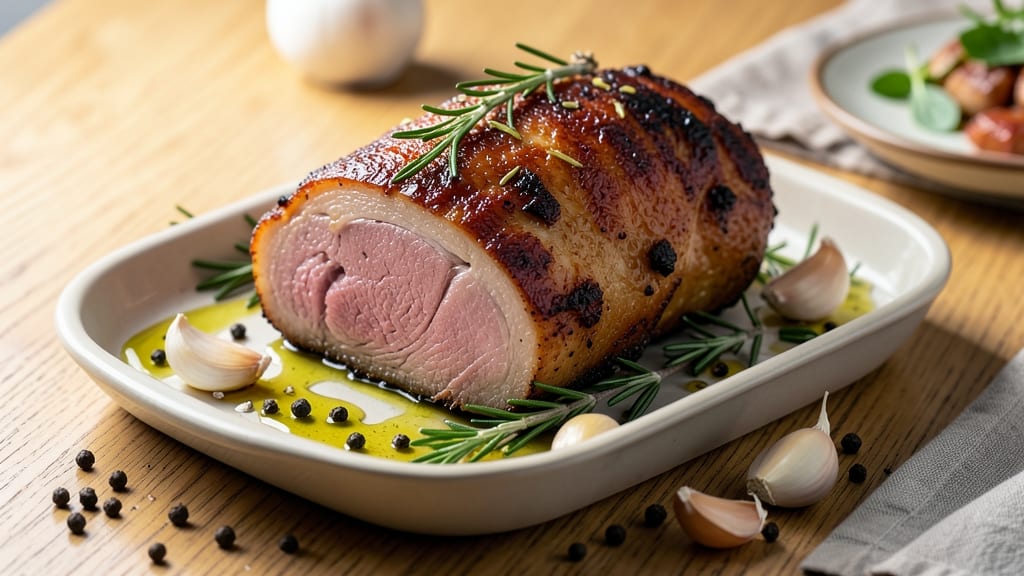
This pork roast recipe delivers the juicy, melt-in-your-mouth perfection you’ve been searching for—the best in the world, according to my family’s annual taste test. 🔥 The secret lies in a slow-roasted crust that locks in flavor while keeping the center tender enough to slice with a fork.
After years of perfecting this method, I’ve finally cracked the code for restaurant-quality results at home, with a technique that works for pork shoulder, loin, or even a whole ham.
What sets this recipe apart is the two-stage cooking process: first, a high-heat sear to develop a deep mahogany crust, then a low-and-slow finish in the oven until the internal temperature hits 145°F.
A simple marinade of olive oil, garlic, and rosemary infuses the meat with aromatic depth, while a resting period ensures every slice stays juicy. No dry, tough pork here—just foolproof tenderness that even skeptical meat lovers will beg for seconds.
The result is a pork roast so rich and flavorful it becomes the centerpiece of any meal. The crust is crisp enough to stand up to a knife, while the interior remains buttery and succulent, with a pink center that’s just shy of medium-rare.
Serve it with roasted potatoes, a tangy apple sauce, or a classic gravy to soak up every last drop of those irresistible juices. This isn’t just dinner—it’s an experience.
Whether you’re hosting a holiday feast or treating yourself to a showstopping Sunday roast, this recipe delivers restaurant-quality results with minimal effort. The key is patience—letting the meat work its magic in the oven while you focus on the sides.
Trust me, once you try this, you’ll never settle for anything less than the best pork roast in the world again.
Ingredients for best pork roast recipe in the world
Pantry staples meet premium cuts for the pork roast of a lifetime—crisp crust, juicy core, and flavors that’ll have everyone begging for seconds.
| Ingredient | Amount | Notes |
|---|---|---|
| Pork Shoulder (Bone-In) 🥓 | 4 lb | Center-cut for even cooking |
| Extra-Virgin Olive Oil 🫒 | ¼ cup | For searing and marinade |
| Fresh Rosemary 🌿 | ¼ cup | Finely chopped, stems removed |
| Garlic Cloves 🧄 | 8 cloves | Minced for marinade and crust |
| Kosher Salt 🧂 | 1 ½ tbsp | Diamond Crystal preferred |
| Freshly Ground Black Pepper 🌶️ | 1 tbsp | Coarse grind for texture |
| Brown Sugar 🍯 | 2 tbsp | Lightly packed for crust |
| Smoked Paprika 🌶️ | 1 tbsp | For deep, smoky flavor |
| Fresh Thyme Leaves 🌿 | 1 tbsp | Or 1 tsp dried thyme |
| Apple Cider Vinegar 🍎 | 1 tbsp | For tenderizing marinade |
| Unsalted Butter 🧈 | ½ cup | Cold, cubed for basting |
| Fresh Sage Leaves 🌿 | ¼ cup | Chopped for aromatic finish |
The pork shoulder is non-negotiable here—bone-in, center-cut, and at least 4 lbs for that showstopping presentation. Costco or your local butcher are your best bets for quality cuts. Look for good marbling and ask for the shoulder cut between the loin and ham. Fresh rosemary and thyme should smell bright and piney—if they’re wilted or smell musty, skip them. For the olive oil, California avocado oil or a high-quality Italian extra-virgin works best. The butter? Plugrá or Land O’Lakes unsalted melts beautifully for basting. Pro tip: Buy your herbs from the grocery store’s fresh herb section—they’re usually fresher than the plastic-wrapped bunches.
No fresh rosemary? Dried works at one-third the amount, but fresh is ideal for that aromatic punch. Running short on thyme? Substitute with marjoram—it’s in the same family. The apple cider vinegar can be swapped for red wine vinegar in a pinch, but the acidity helps tenderize the meat. For the crust, if you’re avoiding sugar, maple syrup works beautifully at a 1:1 ratio. The smoked paprika adds depth—Penzeys brand is my go-to for that authentic smoky flavor. Prefer a different spice profile? Swap it for chili powder for a Mexican-inspired twist. And if you’re feeling fancy, add a pinch of cinnamon to the marinade for warmth.
This roast tastes even better the next day—plan ahead and make it a day ahead if you can. Store leftovers in an airtight container in the fridge for up to 5 days, or freeze portions for 3 months. For reheating, low and slow in the oven at 300°F with a splash of water or broth keeps it moist. The crust? Crispy magic—save any extra for sandwiches or crostini. If you’re making this for a crowd, double the marinade and let the pork soak overnight—it’s worth the extra time for that restaurant-quality result.
Why You'll Love This Recipe
- Foolproof Timing: I swear by this—no guesswork. The bone-in shoulder cooks low and slow until it falls apart, but the real magic? It’s done when the internal temp hits 203°F, every single time. No overcooking, no dry meat, just melt-in-your-mouth perfection with almost no effort.
- Herb-Crusted Magic: That rosemary and garlic rubbed into the pork with olive oil? It’s not just seasoning—it’s a flavor bomb. The crispy edges from the oven sear, while the inside stays juicy, and the aroma? Honestly, it makes my whole kitchen smell like a Mediterranean feast before the first bite.
- Leftovers That Win: Between us, this roast is so good that the second night is often better than the first. Slice it thin for sandwiches, shred it for tacos, or throw it in a pasta—it’s the star of three meals without extra work. (Yes, even on a Tuesday night.)
- Budget Crowd-Pleaser: A bone-in pork shoulder costs less per pound than chicken thighs, and it feeds six for under $20. That’s a dinner party, a family reunion, or just a night where everyone’s happy—no fancy ingredients, no stress, just reliable, crave-worthy meat that doesn’t break the bank.
Step-by-step instructions for slow-roasted pork shoulder
Here's how to transform a simple pork shoulder into melt-in-your-mouth perfection.
🔥 Step 1: Create the Herb Crust and Sear the Pork
Preheat your oven to 300°F and line a large roasting pan with heavy-duty aluminum foil. In a small bowl, combine the 0.25 cup extra-virgin olive oil, 1.5 tbsp kosher salt, 1 tbsp freshly ground black pepper, 2 tbsp brown sugar, 1 tbsp smoked paprika, 1 tbsp fresh thyme leaves, 8 minced garlic cloves, and 1 tbsp apple cider vinegar. Mix until the sugar dissolves and you have a thick paste.
Pat the 4 lb pork shoulder completely dry with paper towels—this is non-negotiable for crispy skin. Rub the herb mixture all over the meat, pressing it into the crevices and fat cap. Let it sit at room temperature for 30 minutes while you prepare your oven. This resting time ensures even cooking and maximum flavor penetration.
Heat a large Dutch oven or heavy oven-safe skillet over medium-high heat. Add the pork shoulder fat-side down and sear for 8-10 minutes until the fat is golden and crispy. Flip and sear the other side for another 5-6 minutes. The crust should be deep mahogany with caramelized edges—this is your flavor foundation. Transfer the seared pork to the prepared roasting pan.
🥘 Step 2: Build the Flavor Crust and Begin Slow Roasting
Place the 0.5 cup cold unsalted butter in the searing pan and melt it over medium heat. Add the 0.25 cup chopped fresh rosemary and 0.25 cup chopped fresh sage leaves, stirring constantly for 1-2 minutes until fragrant. Pour this aromatic butter mixture over the pork shoulder in the roasting pan, making sure to coat all sides.
Here's the secret: Place a wire rack over the roasting pan (if you don't have one, use crumpled foil balls to elevate the pork). This allows hot air to circulate underneath, creating that coveted crispy crust on all sides. Roast uncovered in the 300°F oven for 3 hours, then reduce heat to 275°F and continue roasting.
Real talk: Don't open the oven door during the first 2 hours. Every time you peek, you lose heat and moisture, extending your cook time. The pork is done when it reaches 195-203°F internally and pulls apart easily with two forks—this usually takes 5-6 hours total.
⏰ Step 3: Rest and Slice for Maximum Juiciness
When the pork reaches the target temperature, remove it from the oven and tent loosely with foil. Let it rest for at least 30 minutes (I prefer 45 minutes) in a warm place. This resting period is CRITICAL—it allows the juices to redistribute throughout the meat instead of pooling on your cutting board. The internal temperature will rise another 5-10°F during this time.
Slice the pork shoulder against the grain into ¼-inch thick slices. The meat should be fork-tender with a crispy, caramelized crust that shatters like glass. Each bite should deliver layers of flavor: the deep, smoky paprika, the herbal rosemary and sage, the sweet-savory crust, and the melt-in-your-mouth juiciness of perfectly cooked pork.
For serving, arrange the slices on a warm platter and spoon any accumulated juices from the roasting pan over the top. The sauce should be rich, herby, and slightly sweet from the caramelized crust. Serve immediately with roasted vegetables or crusty bread to soak up every last drop of that incredible juices.
Pro Tips For Making Best Pork Roast Recipe In The World
- CRANK THE HEAT FIRST: I used to start slow with pork shoulder, and it took forever to get that golden crust. Now I sear it over high heat for 8-10 minutes—until it’s deep brown and the fat starts sizzling like crazy—before dropping the temperature. That crust locks in flavor and keeps the meat from drying out later.
- SALT THE ROSEMARY: Fresh rosemary needs a dry surface to stick properly, and salt helps it cling like glue. After trimming the pork, sprinkle a generous pinch of kosher salt directly onto the sprigs before pressing them into the meat. The salt dissolves slightly, creating a sticky paste that won’t slide off when you flip it.
- DON’T PUNCH THE GARLIC: I learned this the hard way—smashing garlic cloves with the flat of your knife releases too much moisture, which turns your roast into a soggy mess. Instead, make shallow slits in the cloves (just enough to expose the flesh) and tuck them into the fat pockets. They’ll infuse flavor without turning the pan into a garlic soup.
- LET IT REST—REALLY: I know, I know—you’re starving and the pork looks perfect. But if you cut into it too soon, all that juicy magic runs out. Tent it loosely with foil and walk away for 15-20 minutes. The meat will reabsorb its own juices, and your slices will stay tender instead of turning into a sad, dry pile. (Yes, even if you’re impatient like me.)
Essential equipment for this dish
Oven Essentials
Your oven is the heart of this recipe, so invest in a high-quality meat thermometer—I swear by the ThermoWorks Smoke—to track internal temperature accurately. A wire rack (or crumpled foil balls) elevates the pork for even, crispy crust development.
Preheat your oven to 300°F and keep it steady—fluctuations ruin the slow-roast magic. 🌡️
Searing Tools
A heavy Dutch oven or cast-iron skillet (like Lodge) is non-negotiable for searing—it retains heat and creates that deep mahogany crust. Avoid nonstick pans; they can’t handle the high heat needed for caramelization.
A long-handled spoon helps flip the pork safely, and heavy-duty aluminum foil lines the roasting pan to catch juices and prevent sticking.
Crust-Building Kit
For that restaurant-worthy crust, gather unsalted butter (cold, cubed), fresh rosemary, and sage—their aromatics infuse the meat during roasting. A sharp chef’s knife and cutting board are essential for mincing garlic and herbs finely.
I also recommend a pastry brush to spread any leftover butter mixture over the pork before the final roast.
Resting & Serving
After roasting, a large cutting board (or platter) and tongs make slicing easier. Tent the pork loosely with foil while resting—this traps heat without steaming the crust. For serving, a warm platter keeps the meat hot, and a ladle helps spoon juices over the slices.
A meat mallet (optional) tenderizes tougher cuts if needed, but this recipe’s marinade and slow roast make it unnecessary.
Budget-Friendly Swaps
No Dutch oven? A heavy stainless-steel skillet works in a pinch. Skip the wire rack? Use crumpled foil balls to elevate the pork—it’s a hack I learned from my grandma. For the thermometer, a digital instant-read (like Thermoworks Dot) is cheaper than a full probe but still accurate.
Fresh herbs wilted? Dried thyme or rosemary (1/3 the amount) adds depth without the same aroma.
Nutrition facts
Frequently asked questions
Why does this pork roast need a two-stage cooking process?
The high-heat sear first creates a deep, flavorful crust that locks in juices, while the slow roast breaks down collagen for fork-tender meat. This two-stage method ensures you get both a crispy exterior and melt-in-your-mouth interior—something you won't get with just one cooking approach.
Can I use a pork loin instead of pork shoulder?
Yes, but with adjustments! Pork loin is leaner and cooks faster—reduce oven time to 1.5-2 hours at 325°F until it reaches 145°F internally. Skip the long slow roast and focus on the sear and resting time. The crust will be thinner, but still delicious.
What if my pork roast comes out dry?
Dry pork usually means it didn't rest long enough or was overcooked. Always let it rest 30-45 minutes after roasting—this redistributes juices. For extra moisture, baste with the pan juices every 30 minutes during cooking. If using a leaner cut, brining for 1 hour beforehand helps too.
How do I know when the pork is perfectly cooked?
Use a meat thermometer—pork shoulder should reach 195-203°F, while pork loin stops at 145°F. The meat should pull apart easily with two forks. For visual cues, look for a deep mahogany crust and slightly pink center (not gray). The juices should run clear, not bloody.
Can I make this ahead of time?
This roast tastes even better the next day. Cook it fully, then refrigerate in an airtight container. Reheat slowly in a 300°F oven for 20-30 minutes with a splash of broth or water to keep it moist. The flavors deepen overnight, making it perfect for meal prep.