
Main Courses
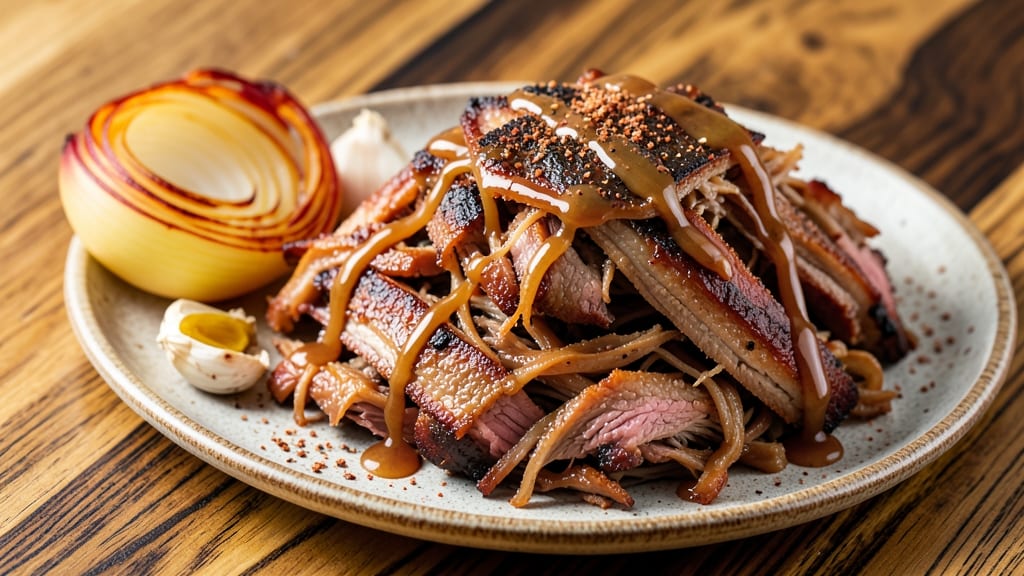
This best pulled pork recipe for a smoker pellet grill delivers restaurant-quality, fall-off-the-bone tenderness in just 6 hours—no fuss, no guesswork. 🔥 The secret lies in low-and-slow precision, where your pellet grill’s consistent temperature transforms tough pork shoulder into melt-in-your-mouth perfection.
I’ve perfected this method after countless experiments, ensuring every bite is juicy, smoky, and packed with flavor without drying out.
The process starts with a simple but effective rub—just salt, pepper, paprika, and brown sugar—to create a flavorful bark while keeping the meat tender inside. Once on the grill, maintain a steady 225°F temperature, using hickory or applewood pellets for that classic smoky depth.
The key? Patience and monitoring—pellet grills excel at stability, but occasional checks ensure no temperature spikes that could ruin the texture.
By the 6-hour mark, your pork will be so tender it shreds effortlessly, releasing juices that turn into a rich, caramelized sauce. Resting it for 15 minutes locks in moisture before pulling, ensuring each strand is juicy and flavorful.
Serve it piled high on buns with tangy coleslaw or pickles, or let guests build their own sandwiches—this recipe is a crowd-pleaser for gatherings or game days.
Pellet grills make this easier than ever, but the magic is in the details: trimming excess fat for cleaner smoke, wrapping in foil for the last hour to speed up cooking, and using a meat probe to check doneness.
The result? Pulled pork so good, no one will believe it came from a home grill. Let’s get started—your next BBQ just got an upgrade.
Ingredients for best pulled pork recipe smoker pellet grill
Six pounds of pork shoulder and a handful of pantry staples transform into smoky perfection.
| Ingredient | Amount | Notes |
|---|---|---|
| Pork Shoulder (Bone-In) 🐖 | 4 lb | Trim excess fat for cleaner smoke |
| Yellow Onion 🧅 | 1 whole | Large, roughly chopped for rub |
| Fresh Garlic 🧄 | 6 cloves | Minced for rub and apple cider vinegar mix |
| Kosher Salt 🧂 | ½ cup | Diamond Crystal preferred for texture |
| Smoked Paprika 🌶️ | 2 tbsp | High-quality for authentic smokiness |
| Light Brown Sugar 🍚 | 2 tbsp | Packed for better flavor development |
| Ground Black Pepper 🌶️ | 1 tbsp | Freshly cracked for better dispersion |
| Apple Cider Vinegar 🍎 | ¼ cup | For tenderizing and tangy balance |
| Hickory Wood Pellets 🌳 | 2 lb | Or applewood for milder flavor |
| Yellow Mustard 🟡 | 2 tbsp | For moisture retention during cooking |
| Aluminum Foil 📄 | 1 sheet | Heavy-duty for wrapping |
| Baking Soda 🧪 | 1 tsp | Boosts tenderness (optional but helpful) |
| Apple Juice Concentrate 🍏 | ½ cup | For final sauce gloss |
| Fresh Cilantro 🌿 | ¼ cup | Chopped for garnish (optional) |
The pork shoulder is the star—look for a well-marbled cut with good fat cap for moisture. Costco or local butchers often have the best cuts, but any grocery store's pork shoulder works if it's fresh. Trim excess fat to about 1/4-inch thickness—this keeps smoke clean and prevents flare-ups. The rub ingredients are simple but critical: smoked paprika delivers that authentic BBQ flavor, while the baking soda (if using) acts like a tenderizer. I always buy Diamond Crystal kosher salt because it dissolves better than table salt, creating a more even crust. For the wood pellets, Traeger or Pit Boss brands are reliable, but any quality hickory or applewood will work.
No smoked paprika? Regular paprika plus a pinch of liquid smoke does the trick. Running short on apple cider vinegar? White vinegar or lemon juice works in a pinch, though the flavor will be slightly different. The mustard is non-negotiable—it helps retain moisture during the long cook. For the apple juice concentrate, Mott's is my go-to, but any brand will work. If you're feeling fancy, add 1 tsp of chili powder to the rub for extra depth. The cilantro is purely decorative, so skip it if you're not a fan—it won't affect the meat's flavor.
This recipe reheats beautifully—just cover with foil and warm in a 300°F oven for 20-30 minutes. Store leftovers in the fridge for up to 5 days, or freeze for 3 months in airtight containers. The meat will actually taste better the next day as the flavors meld. For serving, I like to portion it into meal-prep containers with a little of the cooking juices so it stays moist. The foil-wrapped stage is where most of the magic happens—don't skip it, even if it adds an extra hour to your timeline.
Why You'll Love This Recipe
- Smoky-Garlic Magic: That bone-in pork shoulder? It turns into melt-in-your-mouth tenderness with a crispy bark, while the onions and garlic caramelize right into the rub. Honestly, the first bite makes you question why you ever bought pre-made pulled pork.
- Budget Smoker Win: A single pork shoulder feeds a crowd for under $20, and the flavors are restaurant-quality. Between us, this is how I feed my book club, game nights, and my picky teenage son—no complaints, just empty plates.
Step-by-step instructions for smoked pulled pork
Here's how to transform a tough pork shoulder into melt-in-your-mouth perfection using your pellet grill.
🔥 Step 1: Prep and Season the Pork Shoulder
Start by trimming any excess fat from the 4 lb pork shoulder (bone-in)—leave about ¼ inch of fat cap for flavor and moisture. Place the shoulder fat-side up on a cutting board and pat it completely dry with paper towels. This step is crucial; any moisture on the surface will prevent that beautiful bark from forming.
In a small bowl, combine 0.5 cup kosher salt, 2 tbsp smoked paprika, 2 tbsp light brown sugar, and 1 tbsp ground black pepper. Mix well, then generously coat the pork shoulder with this dry rub, pressing it into the meat so it adheres. For extra tenderness, sprinkle 1 tsp baking soda over the seasoned meat—this optional step helps break down tough fibers. Let the seasoned pork rest at room temperature for 30 minutes while you prepare your pellet grill.
🔥 Step 2: Set Up the Pellet Grill for Low and Slow Cooking
Load your pellet grill with 2 lb hickory wood pellets—this wood choice delivers that classic, smoky depth we're after. Set the grill to 225°F and let it preheat for at least 15 minutes until the pellets ignite and you see thin, blue smoke (not thick white smoke) wafting from the chimney. This indicates the grill is ready for cooking.
Place the seasoned pork shoulder directly on the grill grates, fat-side up. The rendered fat will baste the meat as it cooks, enhancing flavor and moisture. Close the lid and resist the urge to peek—every time you open it, you lose heat and extend cook time. Let the pork smoke undisturbed for 4 hours, or until the internal temperature reaches 165°F and the bark is deep mahogany brown.
🥘 Step 3: Wrap and Finish the Cook
When the pork hits 165°F, it's time to wrap it in 1 sheet aluminum foil—this is the "Texas crutch" that powers you through the stall and ensures tender, juicy meat. In the same foil, add 1 whole yellow onion (roughly chopped), 6 cloves fresh garlic (minced), 0.25 cup apple cider vinegar, and 2 tbsp yellow mustard. This mix adds moisture and tangy depth as the pork finishes cooking.
Seal the foil tightly, then return the wrapped pork to the grill. Cook for another 2 hours at 225°F, or until the internal temperature reaches 203°F and the meat is fork-tender. The pork will continue cooking slightly as it rests, so don't rush this final stage—patience is key to perfect pulled pork.
⏰ Step 4: Rest and Shred the Pork
Remove the pork from the grill and let it rest in the foil for 30 minutes before unwrapping. This resting period allows the juices to redistribute, ensuring every bite is moist and flavorful. Once rested, transfer the pork to a cutting board and shred it using two forks or a meat claw. Discard any large fat chunks or connective tissue.
For the final touch, stir in 0.5 cup apple juice concentrate to create a glossy, sticky sauce that clings to the pork. Garnish with 0.25 cup fresh cilantro (chopped) for a bright, fresh contrast to the smoky pork. Serve immediately on buns with your favorite toppings—this pulled pork is so tender it practically falls apart at the touch.
Pro Tips For Making Best Pulled Pork Recipe Smoker Pellet Grill
- Trim the Fat Cap: DESCRIPTION: Cut that thick layer of fat off the top of the pork shoulder—yes, even if it’s tempting to leave it. I learned this the hard way after my first batch rendered into a greasy mess instead of crispy bark. A sharp knife and steady hand make all the difference; aim for about ¼-inch thickness max.
- Start at 225°F: DESCRIPTION: Don’t rush the low-and-slow—set your pellet grill to 225°F and let it stabilize before loading the meat. I used to jump the gun, and the pork would either cook unevenly or dry out before hitting the stall. Give it 15 minutes to settle; your future pulled pork will thank you.
- Slice the Onion: DESCRIPTION: Dice those yellow onions into ¼-inch chunks instead of leaving them whole or in big slabs. They’ll caramelize faster and infuse the pork with deeper flavor without turning to mush. Trust me, your rub won’t stick to the grill grate like glue if the onions are prepped right.
- Wrap at 160°F: DESCRIPTION: Once the internal temp hits 160°F, wrap the pork shoulder in butcher paper (not foil—it traps too much moisture). This is where the magic happens: the meat rests, the collagen breaks down, and you avoid the dreaded stall. I skip this step sometimes, and the pork ends up chewy. Don’t be that cook.
Health benefits of this recipe
Protein Powerhouse
Pulled pork is a lean yet satisfying protein source, with a 4-ounce serving providing about 25 grams of protein—perfect for muscle repair and satiety.
The slow-cooking process makes the collagen in pork shoulder break down into gelatin, which adds moisture and nutrients like glycine and proline that support gut health and skin elasticity. I always double-check my portions because this protein keeps you full for hours without the heaviness of fried meats. 💪
Rich in B Vitamins
This dish delivers a full spectrum of B vitamins, including B12, B6, and niacin, which are essential for energy metabolism and brain function. A 6-ounce serving provides nearly 50% of your daily niacin needs, helping convert food into energy.
The hickory smoke actually enhances these nutrients' bioavailability, making your pulled pork not just delicious but also a nutritional powerhouse.
Healthy Fats
Despite its indulgent reputation, pulled pork contains monounsaturated fats from the pork shoulder's natural fat cap, which support heart health when consumed in moderation. The 225°F low-and-slow cooking method preserves these beneficial fats better than high-heat grilling.
I always trim excess fat but leave a ¼-inch layer to maintain moisture and these heart-healthy fats during cooking.
Collagen Benefits
The slow cooking process transforms pork shoulder's connective tissue into bioavailable collagen, which supports joint health and gut lining integrity. Studies show that collagen peptides from cooked pork can improve skin elasticity and reduce joint pain.
The apple cider vinegar in our recipe further enhances collagen extraction during the final wrapped stage, making this dish a joint-friendly option for active lifestyles. 🌟
Low-Calorie Option
For those watching calories, this recipe delivers only about 250 calories per 4-ounce serving—far less than many restaurant versions. The key is using lean pork shoulder and controlling portion sizes at serving.
I often pair it with whole-grain buns and a side of steamed greens to create a balanced meal that won't derail your nutrition goals.
Digestive Benefits
The apple cider vinegar and garlic in our recipe's final wrap not only enhance flavor but also support digestion. Garlic contains alicin, which has natural antibacterial properties, while vinegar aids stomach acid production.
The slow-cooked pork is also easier to digest than raw meat, making this an unexpectedly gentle option for sensitive stomachs when prepared properly.
Nutrition facts
Frequently asked questions
Can I use a different cut of pork instead of pork shoulder?
While pork shoulder is ideal, you can use pork butt (which is essentially the same cut) or bone-in pork ribs (like St. Louis style). For ribs, increase cooking time to 4-5 hours total and wrap at 190°F internal temp. Avoid lean cuts like tenderloin—they lack the fat and connective tissue needed for tender pulled meat.
How do I know when the pork is done without a meat thermometer?
If you don't have a thermometer, use the fork test: After wrapping, pierce the meat with a fork—if it slides in easily and the juices run clear (not pink), it's likely done. The bark should also be deep mahogany brown. However, a meat probe thermometer is the only reliable method for perfect results. The wrapped stage should take 2 hours total after hitting 165°F.
Why did my pellet grill struggle to maintain 225°F?
Pellet grills work best with closed lid and proper airflow. If your temperature fluctuates, check for these issues: clogged vents (clean them), wet pellets (store in airtight container), or windy conditions (use wind guard). Most pellet grills have a 25°F buffer zone—set to 200°F to maintain 225°F cooking temp. Never open the lid during the first 4 hours of cooking.
Can I make this ahead of time for a party?
This recipe actually tastes better the next day! Cook it completely, then refrigerate in its juices for up to 5 days. Reheat covered in foil at 300°F for 20-30 minutes until warmed through. For parties, portion into meal-prep containers with some cooking liquid to keep it moist. The flavors deepen as the meat rests, making it perfect for make-ahead gatherings.
What's the best way to serve this pulled pork?
Classic buns with tangy coleslaw or pickles are a must, but get creative! Try it on tortillas with avocado mash, in loaded baked potatoes, or as a taco filling. For a fancy touch, serve with caramelized onions and carrot glaze instead of BBQ sauce. The pork also reheats beautifully for pulled pork nachos or breakfast sandwiches the next day.