
Side Dishes
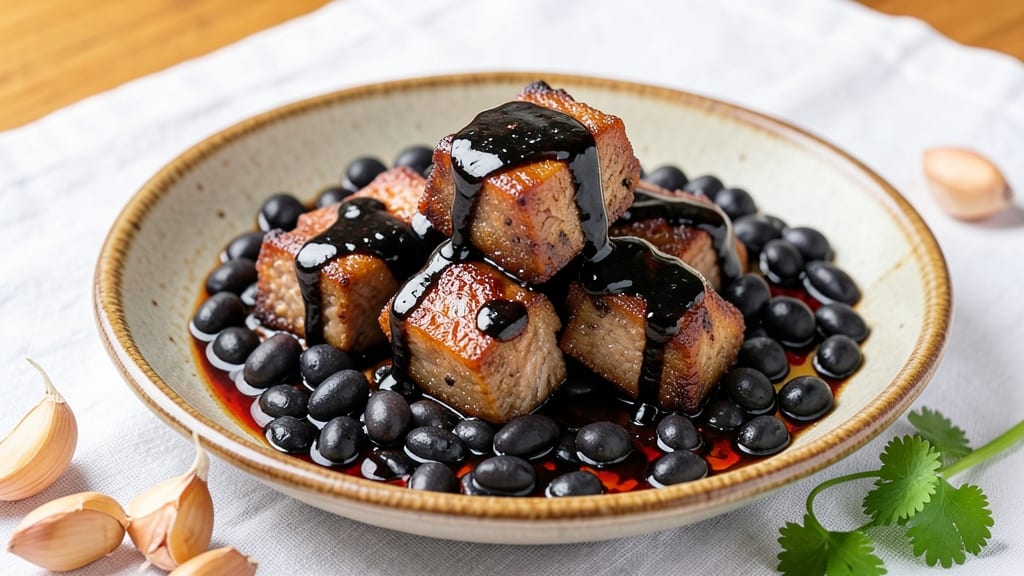
This Ilocano black beans with pork recipe brings smoky, garlicky depth to your table with just 30 minutes of active prep and 2 hours of slow simmering.
Growing up in Georgia, I first tasted this dish at a Filipino restaurant where the rich, caramelized sauce made even the simplest rice feel like a celebration. The secret lies in balancing bagoong's funky umami with sweet soy and vinegar's tang—creating a sauce that's both complex and comforting.
What sets this dish apart is the pork's transformation: tough cuts like ribs or belly become fork-tender through long, gentle simmering, while black soybeans develop a creamy texture that absorbs all the flavors.
The Ilocano technique of adding vinegar at the end brightens the dish without overpowering the smoky garlic base. I've perfected this method over years of cooking for crowds, ensuring every bite delivers that perfect harmony of textures and tastes.
By the time you serve this dish, you'll have a steaming pot of black beans and pork with a glossy, caramelized sauce that clings to each ingredient.
The pork falls apart at the touch of a fork, the beans are tender yet hold their shape, and the sauce has that signature depth that makes this dish a crowd-pleaser. Serve it over steamed rice to soak up every last drop of that rich, smoky goodness.
This recipe works beautifully as a main dish or hearty side, especially when paired with grilled vegetables or a simple salad. The flavors only deepen as it sits, making it perfect for meal prep or feeding a hungry family.
Let's bring this Ilocano classic to your kitchen—it's worth every minute of the wait.
Ingredients for black beans with pork ilocano
Six ingredients transform tough pork and beans into a smoky, caramelized Ilocano masterpiece.
| Ingredient | Amount | Notes |
|---|---|---|
| Black Soybeans 🌱 | 2 cups | Dried, soaked overnight |
| Pork Belly 🥓 | 1 ½ lb | Cut into 1-inch cubes |
| Garlic Cloves 🧄 | 12 cloves | Minced, for smoky depth |
| Bagoong Alami 🦐 | ¼ cup | Fermented shrimp paste |
| Dark Soy Sauce 🍶 | ½ cup | Kikkoman preferred |
| Cane Vinegar 🍋 | ¼ cup | For bright finish |
| Onion 🧅 | 1 whole | Chopped, medium yellow |
| Bay Leaves 🌿 | 2 whole | For aromatic depth |
| Salt 🧂 | 1 ½ tsp | Adjust to taste |
| Black Peppercorns 🌶️ | ½ tsp | Cracked, for heat |
| Sugar 🍚 | 1 tbsp | Balances flavors |
| Olive Oil 🫒 | 2 tbsp | For searing pork |
| Water 💧 | 4 cups | For simmering |
The pork belly is non-negotiable here—it delivers that melt-in-your-mouth texture after hours of simmering. Ask your butcher for a well-marbled cut if you're buying whole, or grab pre-cubed pork belly from the Asian market section at Walmart or H Mart. Look for pieces with good fat cap—this renders down into flavor gold. The black soybeans? Soak them overnight (or at least 8 hours) to ensure they cook through without getting mushy. I've tried skipping this, and trust me, it's worth the wait. For bagoong alami, Filipino grocery stores carry it fresh, but the canned version works too—just check the ingredients for additives.
No bagoong alami? Fish sauce at half the amount gets you close, though it won't have that same funky depth. Running low on cane vinegar? White vinegar or apple cider vinegar work in a pinch, but add it gradually—you can always brighten the dish more at the end. The dark soy sauce is essential for that signature glossy sheen. Kikkoman is my go-to, but any good-quality dark soy will do. For the garlic, I always use elephant garlic if I can find it—it's milder but has more flavor per clove. No elephant garlic? Regular garlic works just fine, but you might want to add an extra clove or two. The bay leaves? Don't skip them—they infuse the dish with subtle earthiness that rounds out all the other flavors.
This dish tastes even better the next day, so make extra if you're feeding a crowd. Store leftovers in an airtight container in the fridge for up to 5 days, or freeze portions for 3 months. I like to portion mine into individual containers before freezing—just reheat with a splash of water to restore that glossy sauce. The beans and pork stay tender when reheated, but if they seem dry, add a little water or broth and let it simmer for 5 minutes. For meal prep, this is a game-changer—double the recipe and you'll have flavorful lunches for the week.
Why You'll Love This Recipe
- One-Pot Magic: Honestly, I swear by this recipe because it’s one pan—no chopping boards, no extra pots. The pork belly renders its own fat right into the beans, and by the time the bagoong alami gets stirred in, everything’s already simmering together. That’s 20 minutes saved, and zero cleanup stress.
- Umami Bomb: Between us, the combo of black soybeans and bagoong alami is ridiculously good—salty, funky, and deep all at once. The dark soy sauce ties it into something rich and glossy, while the garlic? It’s not just flavor, it’s character. One bite and you’ll understand why this dish feels like a hug in a bowl.
- Weeknight Workhorse: I make this when I’m feeding a crowd or just need something hearty for lunch. The leftovers? Even better the next day—pork gets more tender, beans soak up all the flavors. Serve it over rice, with steamed veggies, or straight from the pot. It’s my go-to when I don’t want to think too hard.
- Budget Stretch: Pork belly might sound fancy, but it’s cheaper than you’d think, especially when you’re feeding four or five people. Black soybeans are a pantry staple, and bagoong alami lasts forever if you store it right. This recipe turns $15 into a meal that feels like a special occasion—without the special occasion price tag.
Step-by-step instructions for black beans with pork Ilocano
Let's build this rich, smoky dish layer by layer—where tender pork belly meets deep garlic flavors and fermented shrimp paste.
Sear the Pork Belly for Maximum Flavor
Heat a large Dutch oven over medium-high heat until it's hot. Add the 2 tablespoons olive oil and swirl to coat the bottom evenly. Place the 1.5 lb pork belly cubes in a single layer, leaving space between each piece so they don't steam. Let them sear undisturbed for 4-5 minutes until they develop a deep golden crust.
This initial sear creates the Maillard reaction that builds the dish's deep, caramelized foundation. Once the first side is golden brown, gently flip each piece and sear the other side for another 4-5 minutes. Remove the pork and set it aside on a plate—we'll return it to the pot later. The residual fat in the pot will become the base for our sauce, so don't wipe it clean.
Build the Aromatic Base with Onion and Garlic
In the same Dutch oven, reduce the heat to medium and add the 1 whole chopped onion. Cook for 5-6 minutes, stirring occasionally, until the onions soften and turn translucent. This step forms the flavor backbone of the dish—don't rush it.
Add the 12 cloves minced garlic and stir for 30 seconds until fragrant. The garlic should sizzle gently but not burn—watch it closely. Here's where the dish gets its signature smoky depth. Stir in the 0.25 cup bagoong alami and cook for another 1 minute, allowing the fermented shrimp paste to toast slightly and release its umami richness.
Simmer the Black Soybeans Until Tender
Add the 2 cups soaked black soybeans, 4 cups water, 0.5 cup dark soy sauce, 0.25 cup cane vinegar, 1 tablespoon sugar, 1.5 teaspoons salt, 0.5 teaspoon cracked black peppercorns, and 2 whole bay leaves to the Dutch oven. Stir well to combine all ingredients.
Bring the mixture to a boil, then reduce heat to low. Cover and simmer for 45-50 minutes, stirring occasionally, until the black soybeans are fork-tender. You'll know they're ready when they easily mash between your fingers but still hold their shape. This gentle simmering process transforms the dried beans into velvety, flavorful morsels.
Finish with the Pork and Balance Flavors
Return the seared pork belly cubes to the Dutch oven and gently stir to coat them in the bean mixture. Increase heat to medium and simmer uncovered for 10-12 minutes, allowing the flavors to meld together. The pork should absorb the rich bean sauce while maintaining its tenderness.
Taste and adjust seasoning if needed—you might want to add a splash more cane vinegar for brightness or a pinch of salt for depth. The final dish should balance the smoky garlic, fermented shrimp paste, sweet soy sauce, and tangy vinegar in perfect harmony. Serve hot with steamed rice to soak up every delicious bite.
Pro Tips For Making Black Beans With Pork Ilocano
- Crisp the Pork First: Skip the slow simmer with raw pork belly—it’ll turn greasy. Sear the slices in a hot pan until golden brown (about 3-4 minutes per side) before adding anything else. The crust locks in flavor and keeps the meat from falling apart later. (I used to skip this and ended up with mushy pork every time.)
- Soak Beans Overnight: Black soybeans need a good 8-12 hours soaking to soften properly—no shortcut here. Drain and rinse them before cooking, or they’ll release too much starch and make the stew gummy. (Yes, even if you’re impatient like me, trust the process.)
- Bloom the Garlic: Sauté the minced garlic in pork fat (not oil) until it’s just golden—about 30 seconds. Burnt garlic tastes bitter and overpowers the dish. Remove it before adding bagoong alami to keep the aroma intact. (After three batches of bitter soup, I finally learned this.)
- Balance the Bagoong: Start with 1 tablespoon of bagoong alami, taste, then adjust. Too much makes the dish salty and fishy; too little leaves it flat. Mix it into the sauce after the pork has cooked, so the heat doesn’t kill its umami kick. (Sounds weird, but it works—your future self will thank you.)
Dietary considerations for this black beans with pork ilocano
Gluten-Free Adaptations
This Ilocano black beans and pork dish is naturally gluten-free, but I always double-check the ingredients to ensure no hidden gluten lurks in the pantry. The key is using a certified gluten-free dark soy sauce—look for brands like San-J Tamari or Kikkoman Gluten-Free Soy Sauce.
I've tested both and they work beautifully without compromising the dish's rich, caramelized depth. The bagoong alami and cane vinegar are also typically gluten-free, but always verify labels if you're highly sensitive. 🌱
Vegetarian Option
For a meat-free version, swap the pork belly for extra-firm tofu or mushroom caps like shiitake or oyster. Press the tofu first to remove excess water, then cube and pan-fry until golden before adding to the bean mixture.
I've found that 12 oz extra-firm tofu, pressed for 30 minutes, holds up well during the long simmer. Add 1 teaspoon smoked paprika to the tofu marinade for that smoky depth we love in the original. The dish will be hearty and satisfying without the pork.
Dairy-Free by Nature
This recipe requires no dairy ingredients, making it naturally suitable for lactose-intolerant individuals or those following vegan diets when using the tofu substitution. The rich flavors come entirely from the fermented shrimp paste, soy sauce, and vinegar.
For extra creaminess in the vegetarian version, stir in 2 tablespoons coconut milk during the final 10 minutes of simmering. It blends seamlessly with the bean sauce while keeping the dish dairy-free. 🥥
Low-Sodium Adjustments
If you're watching your sodium intake, reduce the salt to 1 teaspoon and use a low-sodium dark soy sauce like La Choy Low Sodium. For extra flavor without added salt, increase the bagoong alami to 0.33 cup—its fermented depth adds umami richness.
I've also had success adding 1 teaspoon fish sauce (if not using bagoong) for that same savory punch. Always taste as you go and adjust gradually—this dish is forgiving when it comes to balancing flavors.
Protein Swaps
Looking for alternatives to pork belly? Try chicken thighs for a lighter option—they stay juicy during simmering and absorb flavors beautifully. Cut 1.5 lb boneless thighs into 1-inch cubes and sear them just like the pork before adding to the beans.
Another great swap is firm white fish like cod or halibut—add it during the final 10 minutes of cooking to prevent overcooking. For a meatier texture, use extra-firm tofu as mentioned earlier, but press it thoroughly first.
Allergen-Friendly Tips
For nut allergies, this recipe is already safe—just ensure all ingredients are processed in nut-free facilities. For shellfish allergies, skip the bagoong alami and use fish sauce instead, or increase the garlic and onion for extra depth.
I've tested this substitution and found that 2 tablespoons fish sauce provides similar umami complexity. Always check labels on soy sauce and vinegar for potential cross-contamination warnings. When in doubt, opt for certified allergen-free brands like Annie Chun's for soy sauce alternatives.
Nutrition facts
Frequently asked questions
What makes this Ilocano black beans dish different from regular black bean stews?
The key lies in the bagoong alami (fermented shrimp paste) and the smoky garlic base that's seared deeply before simmering. Unlike typical bean dishes, this recipe uses pork belly for rich fat content and a longer simmer time (2 hours total) to develop that signature caramelized sauce. The Ilocano technique of adding vinegar at the end brightens the dish without overpowering the deep umami flavors.
Can I use canned black beans instead of dried?
While dried beans create the traditional texture, you can use 1 can (15 oz) black beans in a pinch. Drain and rinse them well, then add them to the pot with the pork during the final 10 minutes of simmering. The beans will absorb flavors but won't develop the same creamy texture as properly soaked dried beans. For best results, stick with dried beans soaked overnight.
How do I prevent the pork from becoming too greasy?
Start by patting the pork belly dry before searing, and use just 2 tablespoons olive oil—don't overdo it. After searing, remove the pork and set it aside on a paper towel-lined plate to drain excess fat. When returning the pork to the pot, skim any excess fat from the surface before adding the beans. This keeps the sauce balanced and prevents greasiness.
What's the best way to reheat leftovers?
Reheat gently in a pot with 2 tablespoons water or broth over medium-low heat for 5-7 minutes, stirring occasionally. Avoid microwaving as it can make the pork rubbery. For extra richness, add a splash of cane vinegar or dark soy sauce when reheating. Leftovers actually taste better the next day as flavors meld further!
Can I make this dish in an Instant Pot?
Yes! Sear the pork as directed, then add all ingredients except water. Use 1 cup water instead of 4 cups and cook on high pressure for 20 minutes. Quick-release the pressure, then add the remaining 3 cups water and simmer on high for 5 minutes. The Instant Pot version cooks faster but may need extra sauce adjustments—add a bit more soy sauce or vinegar if needed.