
Main Courses
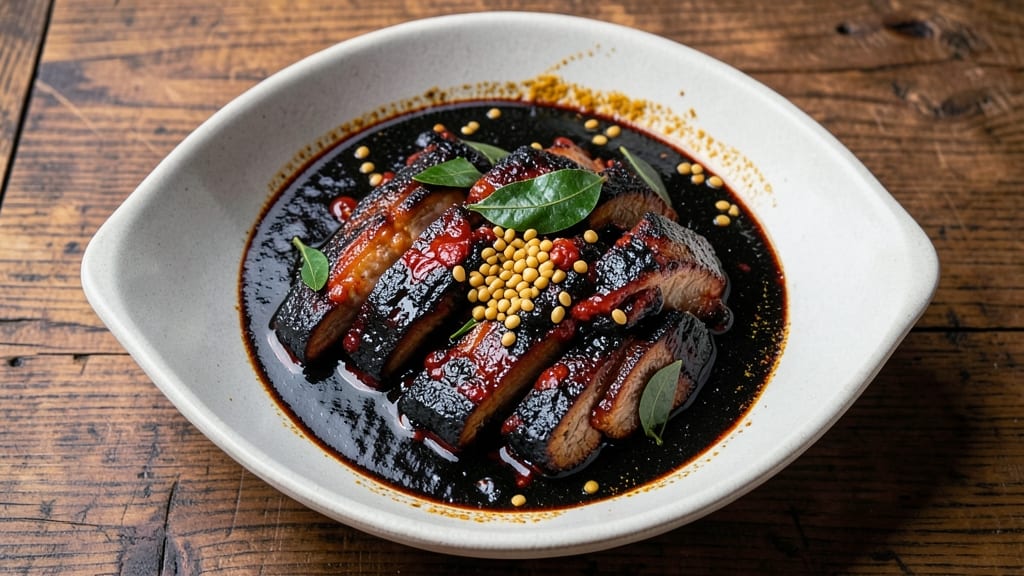
This Sinhala black pork curry delivers the bold, aromatic flavors of Sri Lanka in every bite—where smoky pork meets tangy tamarind and creamy coconut milk. 🌟 I first encountered it during a trip to Colombo, where the balance of sweet, sour, and spice transformed simple ingredients into something extraordinary.
The secret lies in the layered spices and slow simmer that develop deep, complex flavors without overpowering the tender pork.
Traditional Sinhala cooking relies on whole spices toasted in coconut oil, which infuses the dish with warmth and depth. We'll use curry leaves, mustard seeds, and turmeric to build that signature aromatic base, then balance the richness with tamarind's bright acidity.
The one-pot method keeps it simple while delivering restaurant-quality results—just like the curries served in Colombo's bustling markets.
By the time you're done, you'll have a fragrant curry with melt-in-your-mouth pork, tender vegetables, and a sauce that's perfectly balanced between creamy coconut and tangy tamarind. The aroma alone will transport you to Sri Lanka, while the flavors satisfy even the most discerning palates.
Serve it with steamed rice and a sprinkle of fresh cilantro for the full experience.
This recipe stays true to Sinhala traditions while adapting for home kitchens—no special equipment required. The slow cooking process ensures tender meat and rich flavors, making it worth the wait. Whether you're cooking for family or treating yourself, this curry delivers comfort and authenticity in every spoonful.
Ingredients for black pork curry sinhala
Simple ingredients, bold Sri Lankan flavors—this curry delivers restaurant-quality taste at home.
| Ingredient | Amount | Notes |
|---|---|---|
| Black Pork Belly 🥩 | 1 ½ lb | Cut into 1.5-inch cubes |
| Coconut Milk 🥥 | 1 can | Full-fat, 13.5 oz can |
| Tamarind Paste 🍯 | ½ cup | Adjust for tartness preference |
| Curry Leaves 🌿 | ¼ cup | Fresh, packed |
| Mustard Seeds 🌶️ | 2 tbsp | Whole, yellow variety |
| Turmeric Powder 🧂 | 1 tbsp | Freshly ground preferred |
| Cumin Seeds 🌿 | 1 tbsp | Whole, toasted |
| Onion 🧅 | 1 whole | Medium, finely chopped |
| Garlic Cloves 🧄 | 6 cloves | Minced |
| Potatoes 🥔 | 1 ½ lb | Yukon gold, cubed |
| Coconut Oil 🫒 | 3 tbsp | For toasting spices |
| Salt 🧂 | 1 ½ tsp | Kosher or sea salt |
| Black Peppercorns 🌶️ | 1 tsp | Crushed |
| Fresh Cilantro 🌿 | ¼ cup | Chopped, for garnish |
| Green Chilies 🌶️ | 2 whole | Slit lengthwise |
The pork belly is key—ask your butcher for black pork if possible, but regular pork belly works too (just cook longer). Trader Joe's and Asian markets usually carry it pre-cut, which saves time. For the tamarind paste, Thai Kitchen brand is reliable, but if you find blocks at an Asian grocery, it's even better—just scrape out the pulp. Curry leaves are the soul of this dish; they're sold fresh at Indian or Sri Lankan markets, or frozen in the international aisle. Toast the mustard seeds and cumin in coconut oil first—they'll pop and smell amazing, signaling the spices are ready to work their magic.
No tamarind paste? Lime juice plus a pinch of sugar mimics the tang, though it won't be identical. Fresh curry leaves hard to find? Dried curry powder at half the amount works in a pinch, but the flavor won't be the same. The potatoes should be firm—Yukon gold or russets hold up best to the long simmer. For extra heat, add more green chilies (or a dash of cayenne), but start with just two to taste. The tamarind's tartness balances the coconut's creaminess, so don't skip adjusting it to your preference—start with half a cup and add more if needed.
This curry tastes even better the next day as the flavors meld. Store leftovers in an airtight container in the fridge for up to 4 days. Freezes beautifully for 3 months—just thaw overnight in the fridge before reheating. I like to make a double batch because it disappears fast. For serving, keep the cilantro and green chilies separate so everyone can add to taste. Pair with steamed jasmine rice to soak up every last bit of that rich, spicy sauce.
Why You'll Love This Recipe
- One-Pot Magic: I swear by this recipe when I’m too tired to wash a million dishes—just toss everything into one pot, simmer, and let the coconut milk and tamarind work their magic. The black pork belly practically melts into tender, saucy perfection while the mustard seeds pop like fireworks in your mouth.
- Tamarind Tang Magic: Honestly, the tamarind paste is what makes this curry sing—that bright, sour punch cuts through the richness of the pork and coconut milk like a knife. It’s not sweet, not overly spicy, just right, and I’ve tried every shortcut version until I found the one that actually delivers.
- Weeknight to Dinner Party: Between us, this curry is my lazy night and my impress-the-guests dish. Serve it with rice for a quick weeknight meal, or pile it high on a platter with roti for a proper feast—no one will guess it took less than an hour to pull together.
- Leftovers That Don’t Suck: I make this on Sundays because the flavor deepens overnight—yes, really. The pork stays juicy, the spices mellow into something even richer, and reheating it is just a matter of stirring. Plus, it’s cheap enough that I don’t feel guilty feeding the whole family for days.
Step-by-step instructions for black pork curry Sinhala recipe
Here's how to create this rich, tangy curry with perfect spice balance every time.
🔥 Step 1: Toast Spices and Prepare the Base
Heat the 3 tablespoons coconut oil in a large pot over medium heat until shimmering. Add the 2 tablespoons mustard seeds and 1 tablespoon cumin seeds, stirring constantly until they pop and release their aroma—this should take about 30-45 seconds. Here's the thing—don't walk away. Mustard seeds burn quickly and turn bitter.
Once they're sizzling, add the 1 whole onion and cook for 5-6 minutes until golden brown and caramelized. You'll know it's ready when the onions release their sweet aroma and the edges start to crisp. Add the 6 cloves garlic and 2 whole green chilies (slit lengthwise), cooking for another 1 minute until fragrant. This aromatic base is the flavor foundation of your curry.
🍳 Step 2: Build the Curry Paste and Cook the Pork
Lower the heat to medium-low and stir in the 1 tablespoon turmeric powder, 1.5 teaspoons salt, and 1 teaspoon crushed black peppercorns. Cook for 30 seconds to toast the spices and deepen their flavor. Then add the 1.5 pounds black pork belly cubes and 1.5 pounds cubed potatoes, stirring to coat everything in the spice mixture.
Pour in the 1 can coconut milk and 0.5 cup tamarind paste, stirring gently to combine. The tamarind will fizz slightly as it reacts with the spices—this is normal. Bring the mixture to a gentle simmer, then reduce heat to low. Cover the pot and let it cook for 45-50 minutes, stirring occasionally, until the pork is tender and the sauce has thickened slightly. You'll know it's ready when the pork easily pulls apart with a fork.
🥘 Step 3: Finish with Curry Leaves and Garnish
Increase heat to medium-high and add the 0.25 cup packed curry leaves. Stir for 1-2 minutes until the leaves turn dark green and wilt slightly—this releases their distinctive flavor. Taste the sauce and adjust seasoning if needed. The tamarind should provide a tangy balance to the richness of the coconut and pork.
Remove from heat and stir in the 0.25 cup chopped fresh cilantro. Let the curry sit covered for 5 minutes to allow all the flavors to meld together. The curry should have a thick, velvety consistency with tender pork and potatoes swimming in a rich, spiced sauce. Serve immediately with steamed rice to soak up every last bit of that flavorful sauce.
Pro Tips For Making Black Pork Curry Sinhala
- Sear the Pork First: Black pork belly needs that deep, caramelized crust to hold up in the long simmer—don’t skip the 5-minute sear in a hot, dry pan before adding any liquid. I used to rush this, and the meat would turn greasy instead of rich. High heat. Seriously, crank it up until you see golden patches.
- Use Tamarind Paste Wisely: Tamarind paste is the soul of this curry, but too much makes it bitter. Start with 1 tablespoon, dissolve it in a splash of warm water, then taste as you go—you can always add more, but you can’t fix over-sourness. (Yes, even if you’re impatient like me.)
- Simmer Low and Slow: After adding coconut milk, drop the heat to a bare simmer and let it cook uncovered for at least 45 minutes. The milk will split if you rush it, and the pork will stay tough. My grandmother swore by this, and she was right: patience here makes all the difference.
- Toast the Spices Right: Bloom the mustard seeds and curry leaves in hot oil for 30 seconds until they sizzle—this unlocks their flavor. I skip this when I’m lazy, but the dish is noticeably better when I don’t. (Your nose will know the difference.)
Essential equipment for black pork curry sinhala
Heavy-Duty Pot
You'll need a large, heavy-bottomed pot with a tight-fitting lid—think Le Creuset Dutch oven or All-Clad stainless steel. I swear by my 12-quart Lodge Dutch oven for this recipe because it distributes heat evenly and handles the long simmer without hot spots.
If you don't have one, a 5-6 quart stainless steel pot works too, but watch the heat—stainless steel conducts heat differently than cast iron. 🔥
Immersion Thermometer
An instant-read thermometer like the ThermoWorks ThermoPop is my secret weapon for checking pork doneness. Insert it into the thickest piece of pork—when it hits 195°F, you know it's perfectly tender. No more guessing!
If you're cooking for a crowd, a dual-probe thermometer lets you monitor both the pork and the sauce temperature simultaneously. Trust me, this small investment saves you from overcooked or undercooked pork every time.
Wooden Spoon
A long-handled wooden spoon is essential for stirring the curry without scratching your pot. I use a 12-inch hickory spoon that fits snugly in my Dutch oven.
Wood won't react with the acidic tamarind or coconut milk like metal might, and it helps scrape up those flavorful bits from the bottom. Avoid plastic—it can melt or warp with prolonged exposure to heat.
Fine-Mesh Strainer
For straining tamarind pulp if you're using blocks, a fine-mesh strainer (like the OXO Good Grips) works best. If you're using tamarind paste, skip this—but if you're scraping pulp from blocks, this tool makes the process cleaner.
I keep one in my kitchen specifically for this purpose, as it's also handy for making fresh coconut milk or straining curry leaves when needed. 🌿
Tongs for Garnish
Use kitchen tongs to hold green chilies and cilantro while you garnish—it keeps your hands clean and makes plating easier. I prefer stainless steel tongs with silicone grips because they're durable and comfortable.
Add the fresh herbs just before serving so they stay vibrant and fragrant. This is especially important for the curry leaves, which release their best flavor at the very end.
Optional: Spice Grinder
A small spice grinder (like the Spice & Tea Mini Grinder) comes in handy if you're using whole spices like mustard seeds or cumin seeds for garnish. I like to grind a pinch of these seeds fresh and sprinkle them over the finished curry for extra depth.
If you don't have one, a mortar and pestle works too—just be prepared for a little extra elbow grease. 💫
Nutrition facts
Frequently asked questions
Why does Sinhala black pork curry use tamarind?
The tamarind provides the perfect balance to the rich coconut milk and pork. Its tartness cuts through the fat and adds depth, creating that signature Sinhala flavor profile. Traditional recipes rely on this contrast to prevent the curry from becoming too heavy. Start with half a cup and adjust to taste—some prefer more tang!
Can I substitute regular pork for black pork?
While black pork has a distinctive marbling, regular pork belly works well. Just increase the cooking time by 10-15 minutes to ensure tenderness. For extra richness, trim excess fat before cooking to avoid greasy sauce. The flavor difference is minimal when properly seasoned.
How do I make this curry less spicy?
Reduce the green chilies to just 1 whole chili or omit them entirely. For extra mildness, remove seeds before slicing. The tamarind and coconut milk naturally balance heat, so don't be afraid to taste as you go. If it's still too spicy, stir in 1 tablespoon coconut cream to mellow the flavors.
What's the best way to store leftovers?
Let the curry cool completely, then store in an airtight container in the fridge for up to 4 days. For longer storage, freeze for 3 months. Reheat gently on low heat, stirring occasionally, and add a splash of water if the sauce thickens too much. The flavors actually improve overnight!
Can I make this curry in an Instant Pot?
Yes! Sauté the spices and onions as directed, then add all ingredients except curry leaves. Cook on high pressure for 20 minutes, then quick-release. Stir in curry leaves at the end. The Instant Pot reduces cooking time but may need 10 minutes extra for tender pork. Taste and adjust seasoning after pressure cooking.