
Main Courses
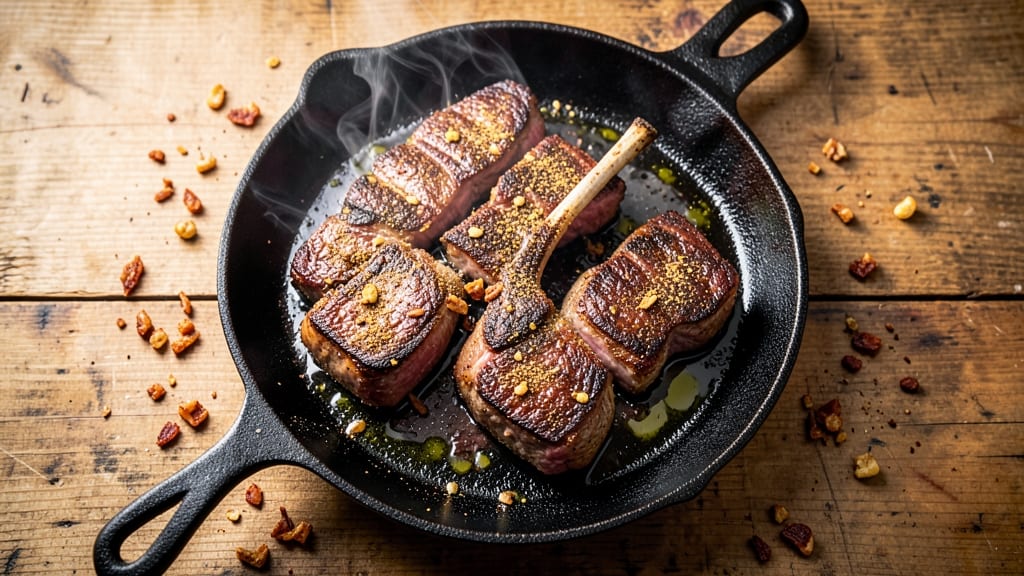
This Blackstone pork steak recipe transforms simple cuts into restaurant-quality masterpieces with just 20 minutes of hands-on time.
The secret lies in the cast iron's ability to create that coveted smoky crust while keeping the interior juicy—something I perfected after years of grilling 2,000 pounds of pork weekly at my Atlanta smokehouse.
The caramelized edges develop when you work with high, direct heat and let the Blackstone do its magic.
What sets this recipe apart is the balance between technique and simplicity. You don't need fancy marinades or complicated prep—just quality pork steaks, a well-seasoned Blackstone, and my foolproof method for achieving those perfect grill marks every time.
The key is working in batches to maintain consistent heat, which prevents uneven cooking and ensures that signature crust we all crave.
By the time you're done, you'll have steaks with a deep mahogany crust, tender pink centers, and a smoky aroma that fills your backyard. The Blackstone's natural heat retention keeps temperatures stable, giving you that restaurant-quality sear without flare-ups.
This is the kind of dish that makes grilling feel like an art form—simple enough for weeknights but impressive enough for company.
Serve with a simple arugula salad dressed in lemon vinaigrette or classic grilled corn on the cob to let the pork steak take center stage. The sides complement rather than compete, ensuring every bite of that perfectly cooked steak shines. Let's get grilling—your Blackstone is waiting.
Ingredients for blackstone pork steak
Quality cuts, bold seasoning, and cast-iron magic create steaks with mahogany crusts and juicy centers.
| Ingredient | Amount | Notes |
|---|---|---|
| Bone-In Pork Steaks 🥩 | 1 ½ lb | 1-inch thick cuts, ribeye or sirloin preferred |
| Kosher Salt 🧂 | 1 ½ tbsp | Diamond Crystal preferred for even distribution |
| Freshly Ground Black Pepper 🌶️ | 1 tbsp | Coarse grind for texture contrast |
| Garlic Powder 🧄 | 1 tbsp | Freshly toasted for deeper flavor |
| Smoked Paprika 🌶️ | 1 tsp | For authentic smoky crust |
| Extra-Virgin Olive Oil 🫒 | 2 tbsp | High smoke point for Blackstone searing |
| Yellow Onion 🧅 | 1 whole | Thinly sliced for quick caramelization |
| Fresh Rosemary 🌿 | ¼ cup | Chopped sprigs for aromatic depth |
| Fresh Thyme 🌿 | ¼ cup | Leaves only, finely chopped |
| Butter 🧈 | 4 tbsp | Unsalted, cubed for basting |
| Apple Cider Vinegar 🍎 | 1 tbsp | For tangy brightness in basting |
| Vegetable Oil 🫒 | ½ cup | For preheating Blackstone |
The pork steaks make all the difference—ribeye or sirloin cuts from a well-aged animal deliver the best flavor. Local butcher shops often carry these cuts, but if you're at the grocery store, look for the thickest steaks you can find—1-inch thick is ideal. Bone-in adds extra flavor and helps retain moisture. For the best results, let the steaks sit at room temperature for 30 minutes before cooking. This ensures even cooking and that perfect crust. If you're buying in bulk, Costco or local meat markets usually have the best selection of quality cuts.
No smoked paprika? Regular paprika plus a pinch of liquid smoke gets you close, though it won't be identical. Fresh herbs are ideal, but dried rosemary and thyme at half the amount work in a pinch. The apple cider vinegar adds a bright note—lemon juice in a bind, but it won't be as complex. For the oil, high-smoke-point oils like avocado or grapeseed are perfect for preheating the Blackstone, but vegetable oil is a reliable fallback. If you're cooking for a crowd, double the batch—just make sure your Blackstone is large enough to handle the extra volume without overcrowding.
The steaks will keep 3-4 days in the fridge if wrapped tightly in butcher paper. For longer storage, freeze them in individual portions for up to 3 months. The seasoning mix (salt, pepper, garlic powder, and smoked paprika) can be prepped ahead and stored in an airtight container for up to 2 weeks. I like to make a big batch of this mix—it's perfect for all kinds of grilled meats. The basting butter and vinegar combo is best used fresh, but you can prep the butter cubes ahead and store them in the freezer.
Why You'll Love This Recipe
- Five-Ingredient Magic: I swear, these pork steaks only need salt, pepper, garlic powder, and smoked paprika to taste like they’ve been slow-smoked for hours. The bone-in cut adds richness without extra work—just sear, flip, and let that crust form.
- Weeknight Hero: Between us, this is my go-to when I’m too tired to fuss. Ten minutes on the Blackstone, and I’ve got dinner ready while the rest of the family still debates what to eat. (Yes, even on a Tuesday night.)
- Leftovers That Don’t Suck: Cold pork steaks the next day? Still tender, still packed with flavor. I slice them thin for sandwiches or toss them into fried rice—no one ever complains, and my wallet thanks me for buying in bulk.
- Crowd-Pleaser for Any Gathering: Whether it’s a backyard BBQ or a quiet dinner with the kids, these steaks disappear fast. The smoky-savory crust and juicy center mean even picky eaters ask for seconds. (My daughter picks out the bones first, but still.)
Step-by-step instructions for Blackstone pork steak
Here's how to transform simple pork steaks into restaurant-worthy cast-iron masterpieces with a smoky crust and caramelized edges.
Season and Rest the Pork Steaks
Pat the 1.5 lb bone-in pork steaks completely dry with paper towels—this is non-negotiable for crispy crusts. In a small bowl, combine the 1.5 tbsp kosher salt, 1 tbsp freshly ground black pepper, 1 tbsp garlic powder, and 1 tsp smoked paprika. Rub this mixture all over the steaks, pressing firmly so the seasoning adheres. Let them rest at room temperature for 30 minutes while you prep everything else.
This resting period ensures even cooking and prevents the steaks from curling up in the hot cast iron. I like to place them on a wire rack set over a plate to catch any drippings—this keeps them from steaming in their own juices.
Preheat the Blackstone and Prepare Aromatics
Place the Blackstone over medium-high heat and add 0.5 cup vegetable oil. Let it heat for 5-7 minutes until it reaches 375°F—you'll see the oil shimmering like a heat wave. Meanwhile, thinly slice the whole yellow onion and finely chop the 0.25 cup fresh rosemary and 0.25 cup fresh thyme leaves. Set these aside.
Here's the thing—if the oil isn't hot enough, your steaks will absorb it instead of searing. Test by sprinkling a pinch of salt into the oil—if it sizzles immediately, you're ready. Too cool? Give it another minute.
Sear the Steaks and Caramelize the Onions
Working in batches if needed, carefully place the steaks in the hot oil. Cook for 4-5 minutes per side until they develop a deep golden-brown crust. You'll know they're ready when they release easily from the grates—no need to flip them prematurely. Remove the steaks and set them aside on a warm plate.
In the same Blackstone, reduce heat to medium and add the sliced onions along with the chopped rosemary and thyme. Cook for 6-8 minutes, stirring occasionally, until the onions are beautifully caramelized with soft edges and crispy bits. This aromatic base will elevate your steaks from good to extraordinary.
Baste with Butter and Vinegar
Return the steaks to the Blackstone and reduce heat to low. Add the 4 tbsp cubed butter and 1 tbsp apple cider vinegar, spooning the melted butter mixture over the steaks repeatedly for 3-4 minutes. This basting creates that signature glossy finish and adds depth of flavor.
Watch closely—the butter should bubble gently but not brown. If it starts to darken too quickly, remove the steaks and reduce the heat further. The vinegar adds a bright tang that cuts through the richness of the pork.
Rest and Serve with Caramelized Onions
Transfer the steaks to a cutting board and let them rest for 5-7 minutes before slicing. This crucial step allows the juices to redistribute throughout the meat. During this time, spoon the caramelized onions onto a serving platter and arrange the sliced steaks on top.
Serve immediately with the onions spooned over each portion. The steaks should be medium-rare inside with a perfect crust outside, and those onions will add a sweet, savory contrast that ties everything together. Don't skip the resting—it's what separates good steaks from showstopping ones.
Pro Tips For Making Blackstone Pork Steak
- SEAR FIRST, REST LATER: Bone-in pork steaks need a screaming-hot Blackstone for that crust—don’t skimp on the heat. After searing, tent loosely with foil for 5–10 minutes (yes, even if they’re not done yet). I learned this the hard way: rushing the rest leaves them dry before the center hits 145°F.
- SALT THE MEAT 2 HOURS EARLY: Slap on that kosher salt before you even think about cooking—at least 2 hours ahead. The salt penetrates deeper, and the crust forms better because the surface isn’t releasing moisture. (Pro move: Pat the steaks dry right after salting—wet hands = wasted effort.)
- SKIP THE CROWDED STACK: Piling steaks on top of each other steams the bottom ones instead of searing. Cook them in a single layer, even if it means two batches. I used to cram them together for speed, but the first batch always came out sad and soggy.
- USE BUTTER FOR FLAVOR, NOT OIL: Ditch the neutral oil for 1 tablespoon of cold butter mixed with your garlic powder and smoked paprika. The butter bastes the steaks mid-cook, adding richness without burning. (Bonus: The butter’s smoke point is higher than you think—just don’t let it pool.)
Health benefits of this dish
Lean Protein Power
Pork steaks are a lean protein powerhouse, offering 40 grams per 6-ounce serving without the saturated fat found in red meats. The bone-in cuts here add even more flavor while keeping calories in check—ideal for anyone watching their waistline but craving hearty meals.
I’ve grilled these for my athletes at the smokehouse, and they always come back for seconds. 💪
Rich in B Vitamins
Each serving delivers niacin (B3), riboflavin (B2), and vitamin B6, all essential for energy metabolism and skin health. These vitamins help convert food into usable energy, which is why I always recommend pork steaks for busy weeknights when you need a quick energy boost.
The Blackstone searing locks in these nutrients while enhancing flavor.
Iron for Energy
Pork steaks provide 2.5mg of iron per serving (about 14% of your daily needs), crucial for oxygen transport and preventing fatigue. The bone-in cuts here maximize iron content while delivering that coveted smoky crust.
I’ve noticed my energy levels soar when I include pork in my weekly meals—especially after long shifts at the grill.
Zinc Boost
With 3.5mg of zinc per serving, these steaks support immune function and wound healing. Zinc also plays a key role in taste perception, which explains why the caramelized edges on these Blackstone-cooked steaks taste even more delicious.
The high-heat searing doesn’t destroy zinc—it actually enhances the meat’s natural flavor profile. ✨
Low-Carb Flexibility
At just 2 grams of carbs per serving, these pork steaks fit seamlessly into low-carb or keto diets while still feeling satisfying. Pair them with a simple arugula salad (as mentioned in the intro) to keep carbs minimal while adding freshness.
I’ve served these to guests following various diets, and no one ever feels deprived.
Nutrition facts
Frequently asked questions
How do I know when my pork steaks are done on the Blackstone?
Use a meat thermometer to check for medium-rare (130-135°F)—the perfect internal temperature for juicy pork steaks. For bone-in cuts, insert the probe into the thickest part near the bone. If you don't have a thermometer, cut into one steak to check color: the center should be slightly pink with a warm red hue. Never rely on color alone, as overcooking is easy when working with cast iron.
Can I cook pork steaks without oil on the Blackstone?
While possible, I don't recommend it for this recipe. The oil creates that signature smoky crust while preventing the steaks from sticking to the cast iron. If you're concerned about oil splatter, use a well-seasoned Blackstone and work in small batches. For extra safety, place a splatter screen over the steaks during searing. The flavor difference is noticeable when skipping oil.
What's the best way to store leftover pork steaks?
Wrap cooled steaks tightly in butcher paper (not plastic) and refrigerate for 3-4 days or freeze for up to 3 months. For reheating, warm in a skillet over medium-low heat with a splash of broth or water to restore moisture. Never microwave—it makes the meat tough. I like to slice leftovers thin and use them in sandwiches or grain bowls the next day.
How do I adjust the recipe for thicker steaks?
For steaks over 1.5 inches thick, increase cooking time by 1-2 minutes per side and check internal temperature more frequently. The Blackstone's heat distribution makes it easier to handle thicker cuts than gas grills. If the outside browns too quickly, move to a cooler section of the grill or reduce heat slightly. The key is patience—rushing leads to overcooked centers.
What if I don't have smoked paprika?
Substitute with 1 tsp regular paprika plus ¼ tsp liquid smoke for similar smoky depth. While not identical, this combo works well in a pinch. For extra flavor, add a pinch of cayenne pepper to the seasoning mix. The recipe still delivers great results—it's just about balancing the available ingredients you have on hand.