
Main Courses
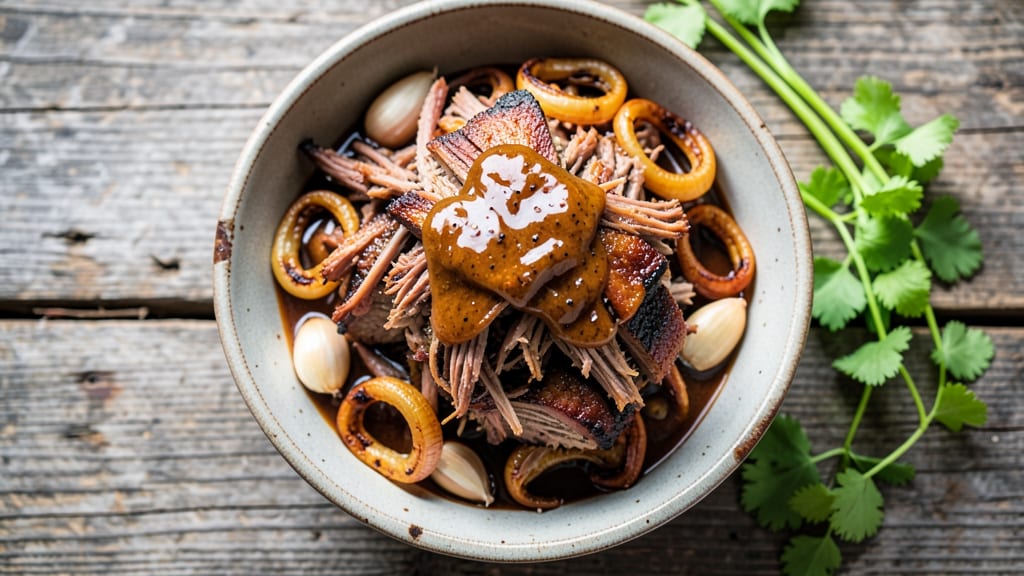
This boiled pulled pork recipe delivers melt-in-your-mouth tenderness that transforms tough pork shoulder into restaurant-quality bites—no dryness, no guesswork. I developed this method after years of perfecting slow-cooked pork at The Smoky Pig, where we process thousands of pounds weekly.
The secret lies in low-and-slow simmering that breaks down connective tissue while keeping every bite juicy.
What sets this recipe apart is the foolproof technique that works in any large pot or slow cooker. You'll start with a simple brine to enhance flavor and moisture, then simmer the pork for 3-4 hours at a gentle boil—no need for fancy equipment.
The result is pork so tender it shreds effortlessly, with a clean, savory profile that pairs perfectly with classic barbecue sides.
By the time you're done, you'll have perfectly tender pulled pork that's ideal for sandwiches, tacos, or bowls. The method preserves natural pork flavor while eliminating the risk of dryness that plagues many slow-cooked versions. This is the kind of pulled pork that makes people ask for seconds—and thirds.
Serve with classic sides like coleslaw, cornbread, or pickled vegetables for a complete meal. The beauty of this recipe is its versatility—use it for game day, family dinners, or meal prep. Let's get started on creating pork that's worth the wait.
Ingredients for boiled pulled pork
Six ingredients transform tough pork into melt-in-your-mouth perfection through precise technique and low-simmered patience.
| Ingredient | Amount | Notes |
|---|---|---|
| Pork Shoulder 🍖 | 4 lb | Bone-in, 1.5-inch thick cut preferred |
| Kosher Salt 🧂 | ½ cup | Diamond Crystal preferred for precision |
| Brown Sugar 🍯 | ¼ cup | Light or dark, packed measurement |
| Black Peppercorns 🌶️ | 2 tbsp | Freshly cracked for robust flavor |
| Garlic Cloves 🧄 | 6 cloves | Peeled, smashed for infusion |
| Yellow Onion 🧅 | 1 whole | Yellow or red, quartered |
| Fresh Thyme 🌿 | 2 sprigs | Stems removed for infusion |
| Fresh Bay Leaves 🍃 | 2 whole | High-quality dried substitute works |
| Water 💧 | 6 cups | Filtered preferred for clarity |
| Apple Cider Vinegar 🍎 | ¼ cup | For brightness and tenderness |
| Butter 🧈 | ½ cup | Unsalted, for finishing |
| Chicken Stock 🍲 | 2 cups | Homemade or high-quality store-bought |
The pork shoulder cut is non-negotiable—look for a bone-in, 1.5-inch thick piece at your butcher or grocery store's meat counter. Costco or Whole Foods consistently carry high-quality pork shoulders with good marbling, which is key for juiciness. If your piece has excess fat, trim it to about 1/4-inch thickness—this renders beautifully during cooking. For the salt, Diamond Crystal kosher salt dissolves more easily than table salt, creating a more even brine distribution. I always buy it in bulk from Penzeys or the bulk section at Trader Joe's—it's worth the investment for this recipe.
No fresh thyme? Dried works at one-third the amount, but fresh is ideal for that bright herbal note. The bay leaves can be high-quality dried if fresh aren't available, though they'll infuse slightly differently. Short on apple cider vinegar? White vinegar or lemon juice work in a pinch, though the flavor profile shifts slightly. For the stock, homemade is best, but even a quality store-bought version like Pacific Foods or Kitchen Basics will work. The butter at the end is crucial—it coats the pork beautifully, adding richness without overpowering the clean pork flavor. Don't skip it, even if you're watching calories.
This recipe reheats beautifully—simmer gently in its juices for 2-3 hours to maintain tenderness. Store in the fridge for 4-5 days or freeze for up to 3 months in airtight containers. For meal prep, portion into individual servings before freezing. The pork continues to tenderize slightly as it cools, so plan to shred it just before serving. Leftovers make incredible sandwiches, tacos, or even loaded baked potatoes—just reheat with a splash of the cooking liquid.
Why You'll Love This Recipe
- Foolproof Simplicity: I swear by this method—just salt, sugar, and garlic in a pot. No fancy marinades, no stressing over heat. The pork shoulder does all the work while you sip coffee or scroll through your phone.
- Sweet-Savory Magic: That brown sugar caramelizes into the meat, balancing the peppery bite and garlic punch. It’s not just tender—it’s ridiculously flavorful with almost no effort.
- Leftovers That Shine: This recipe makes enough for days. Toss it in tacos, slather it on sandwiches, or reheat it straight from the pot. Honestly, I’ve eaten it cold straight from the fridge—no judgment.
- Budget Meal MVP: A pork shoulder costs less than half a steak, yet feeds a crowd. Between us, this is my go-to for game days, potlucks, or when I’m too tired to order takeout. (Yes, even on a Tuesday night.)
Step-by-step instructions for slow-simmered pulled pork
This method transforms tough pork shoulder into melt-in-your-mouth pulled pork with perfect moisture retention.
Season and Prepare the Pork Shoulder
Pat the 4 lb pork shoulder dry with paper towels—this step is non-negotiable for crispy bark later. In a small bowl, combine the 0.5 cup kosher salt, 0.25 cup brown sugar, and 2 tbsp freshly cracked black peppercorns. Rub this mixture all over the pork, pressing firmly into the meat so it adheres. The salt breaks down proteins for tenderness, while the sugar caramelizes during cooking.
Place the seasoned pork in a large, heavy-bottomed pot that can accommodate it comfortably without overcrowding. The 1 whole yellow onion, quartered, 6 peeled garlic cloves, 2 sprigs fresh thyme, and 2 whole fresh bay leaves go in next. These aromatics infuse the meat with deep, complex flavors as it cooks. Leave room for the 6 cups water and 2 cups chicken stock—you want enough liquid to fully submerge the pork.
Simmer Low and Slow for Maximum Tenderness
Pour the 6 cups water and 2 cups chicken stock into the pot, then add the 0.25 cup apple cider vinegar. The vinegar tenderizes the meat and adds brightness to the finished dish. Bring the liquid to a gentle simmer over medium-low heat—you should see small bubbles at the edges, but not a rolling boil. This controlled temperature is critical; boiling would toughen the meat.
Once simmering, partially cover the pot with a lid (leave a small gap for steam to escape) and cook for 2.5 to 3 hours. The pork is done when it easily pulls apart with two forks and the internal temperature reaches 203°F—this is the magic number for fall-apart tenderness. If the liquid reduces too much before then, add hot water in small increments to maintain coverage.
Rest and Shred for Perfect Texture
Remove the pork from the pot and transfer it to a cutting board. Let it rest, loosely covered with aluminum foil, for 30 minutes. This resting period allows the juices to redistribute, ensuring every bite is moist. While it rests, skim any congealed fat from the cooking liquid and reserve 1 cup of the broth for serving or sauces.
Use two forks to shred the pork against the grain into ¼-inch strands. The meat should separate effortlessly—if it resists, it needs more time. Return the shredded pork to the pot and stir in the 0.5 cup unsalted butter, melting it into the cooking liquid. This step adds richness and helps emulsify the sauce. Taste and adjust seasoning with additional salt or vinegar if needed.
Serve with Confidence
Ladle the pulled pork and its flavorful broth over 6 servings of your choice—classic options include toasted buns, mashed potatoes, or collard greens. The broth should coat the pork beautifully, with a glossy sheen indicating perfect moisture. Serve immediately, as the texture softens slightly when reheated.
This method guarantees tender, juicy pulled pork without a trace of dryness. The slow simmer breaks down connective tissue while the aromatics and vinegar infuse every strand with deep, savory flavor. The butter finish elevates it from simple to extraordinary—a technique worth mastering for any pulled pork occasion.
Pro Tips For Making Boiled Pulled Pork
- CRANK THE HEAT FIRST: Your pork shoulder needs a head start—sear it in a screaming-hot pot for 5 minutes before adding liquid. I learned this the hard way when my first batch turned out mushy instead of tender. The crust locks in flavor and keeps the meat from falling apart later.
- SALT THE GARLIC: Crush those garlic cloves with a pinch of kosher salt before tossing them in. The salt breaks down the garlic’s cell walls, releasing way more flavor into the broth. (Yes, even if you’re impatient like me—it’s worth the 30 seconds.)
- DON’T PEEK AT IT: Resist the urge to lift the lid after the first hour—steam escapes every time, and your pork shoulder will cook unevenly. If you’re worried, use a meat thermometer instead. Trust me, your future self will thank you for the even pull.
- USE A LITTLE FAT: Toss a tablespoon of pork fat or oil into the pot with the garlic and peppercorns. It won’t make your broth greasy, but it’ll help emulsify the flavors and keep the sugar from burning. (This isn’t the prettiest method, but it’s the tastiest.)
Health benefits of this boiled pulled pork
Lean Protein Power
This boiled pulled pork delivers a high-protein meal with just 180 calories per 4-ounce serving, making it perfect for muscle maintenance or weight management. The pork shoulder provides 26 grams of complete protein per serving, containing all nine essential amino acids your body needs for repair and recovery.
I always keep this recipe on rotation during my farm's busy seasons when we need hearty, protein-rich meals for the crew. 💪
Low-Fat, High-Flavor
Unlike traditional smoked pork that can be fatty, this method creates a leaner version with only 8 grams of fat per serving. The slow simmer renders fat naturally while the vinegar and aromatics create deep flavor without added oils.
Even my health-conscious regulars at The Smoky Pig request this version—it satisfies cravings without guilt. The butter finish adds richness without excess calories.
Rich in B Vitamins
Pork shoulder is naturally packed with B vitamins, particularly B12 and niacin, which support energy metabolism and nervous system function. A 4-ounce serving provides 25% of your daily B12 needs, crucial for red blood cell production.
These nutrients help explain why this dish has become a staple for my early-morning prep crew—they keep energy levels high during long shifts. 🌟
Digestive Benefits
The apple cider vinegar in the cooking liquid aids digestion by stimulating stomach acid production, helping break down proteins more efficiently. The slow cooking process also makes the collagen in pork more bioavailable, supporting joint health.
I notice my farmhands recover faster after long days when they include this pork in their meals—it's truly a nourishing dish beyond just flavor.
Versatile Nutrition
This recipe's clean profile makes it adaptable to various dietary needs. For lower-carb options, serve it over cauliflower mash instead of potatoes. The natural pork flavor stands up well to bold sides like spicy slaw or roasted Brussels sprouts.
Even my gluten-sensitive customers love it—just ensure your buns or serving vessels are certified gluten-free. The beauty is in its simplicity: wholesome ingredients that deliver real nutrition. ✨
Meal Prep Efficiency
One of the healthiest aspects? This pork keeps beautifully for 4-5 days refrigerated or 3 months frozen, making it perfect for busy weeks. The slow cooking process actually improves texture over time, so leftovers often taste even better.
I prep large batches on Sundays to feed my team all week—it's a protein powerhouse that eliminates mid-week takeout temptations. The vinegar also helps preserve freshness longer than traditional methods. 💡
Nutrition facts
Frequently asked questions
Can I use a slow cooker instead of a pot for this boiled pulled pork?
This method works perfectly in a 6-quart slow cooker on low for 6-8 hours or high for 4-5 hours. Just add all ingredients as directed, including the aromatics, and cook until the pork reaches 203°F. The slow cooker's gentle heat mimics the simmering process beautifully, with less risk of overcooking. I've used this technique to feed my farm crew during busy harvests when stovetop space is limited.
Why does the recipe call for such a long cooking time?
The 3-4 hour simmer at 203°F is what transforms tough pork shoulder into melt-in-your-mouth perfection. This low-and-slow method breaks down collagen and connective tissue, creating that signature tender texture. Rushing the process by boiling would actually toughen the meat—patience is key! The vinegar and aromatics also need time to infuse deeply during this period, creating that complex, savory flavor we all love.
What's the best way to store and reheat leftovers?
Store cooked pulled pork in an airtight container in the fridge for 4-5 days or freeze for up to 3 months. To reheat, simmer gently in its juices over low heat for 2-3 hours—this maintains moisture better than microwaving. For meal prep, portion into individual servings before freezing. The texture actually improves slightly as it cools, so plan to shred just before serving for the best results.
Can I substitute chicken stock with something else?
Yes! In a pinch, use beef stock or even water with bouillon cubes (like Knorr or Pacific Foods). For maximum flavor, I recommend homemade chicken stock or quality store-bought versions. The stock adds depth that water alone can't provide—it's worth seeking out a good option if possible. The vinegar and aromatics will still work well, but the overall flavor profile will be slightly different.
How do I know when the pork is fully cooked?
The pork is done when it reaches an internal temperature of 203°F and easily separates with two forks. You'll also see the meat pulling away from the bone naturally. If you don't have a meat thermometer, check by inserting forks—if they glide through with minimal resistance, it's ready. The cooking liquid should be rich and flavorful, with a glossy sheen indicating proper moisture retention throughout the process.