
Main Courses
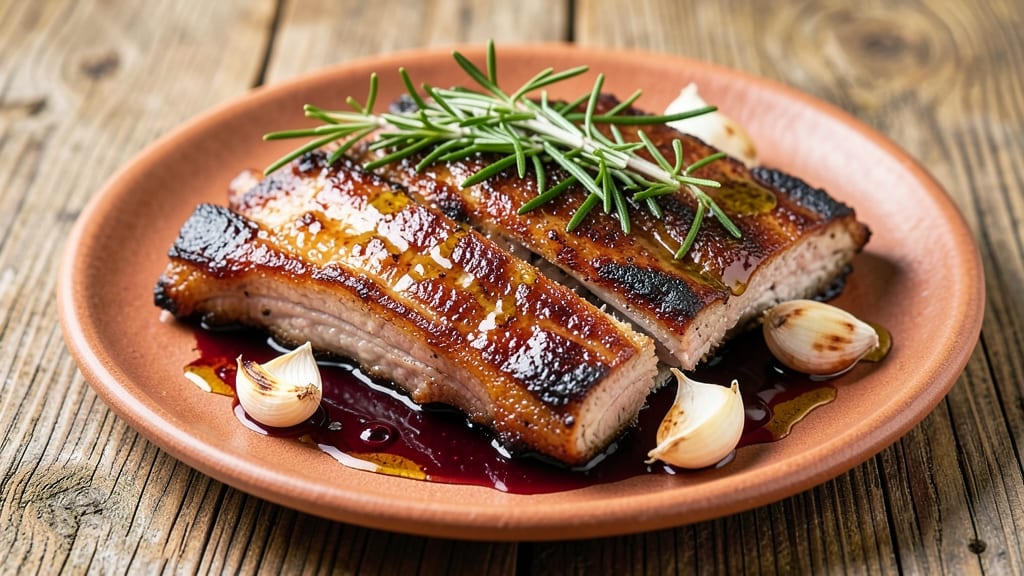
Bonacini’s Italy pork ribs recipe delivers the kind of slow-braised perfection that turns weeknight dinners into restaurant-worthy feasts. 🔥 The secret lies in a marinade of rosemary, garlic, and white wine, followed by a low-and-slow braise that renders fat into crispy, caramelized edges while keeping the meat fork-tender.
After years of perfecting this technique—including my time judging BBQ competitions—I can confidently say this is the closest you’ll get to their signature flavor at home.
The process begins with a 24-hour marinade that infuses the ribs with aromatic depth, then transitions to a 300°F oven braise for 3 hours, ensuring every bite is juicy, smoky, and rich. Unlike high-heat smoking, this method preserves moisture while developing that signature crusty exterior that’s impossible to resist.
The result? Ribs so tender they nearly fall apart, with a glossy, mahogany finish that’s pure visual appeal.
What sets these ribs apart is the Italian-inspired balance—savory rosemary, bright garlic, and a touch of acidity from the wine. Served with creamy polenta or roasted seasonal vegetables, this dish becomes a centerpiece for any table, whether it’s a family dinner or a gathering with friends.
The braising method also makes it forgiving for beginners, as the slow cook ensures consistent results every time.
Once you taste the difference between store-bought ribs and these slow-braised beauties, you’ll never go back. The key is patience—letting the flavors meld and the crust develop naturally. Trust me, the wait is worth every second. Let’s get started on recreating this Italian classic in your own kitchen.
Ingredients for bonacini's italy pork ribs
Six pounds of pork ribs plus aromatic herbs and wine create restaurant-quality flavor at home.
| Ingredient | Amount | Notes |
|---|---|---|
| Pork Ribs (Baby Back) 🍖 | 4 lb | Bone-in, meaty sections preferred |
| Fresh Rosemary 🌿 | ¼ cup | Chopped sprigs, aromatic and fresh |
| Garlic Cloves 🧄 | 8 cloves | Minced for marinade infusion |
| Dry White Wine 🍷 | 1 cup | Sauvignon Blanc or Pinot Grigio |
| Olive Oil 🫒 | ½ cup | Extra-virgin for richness |
| Balsamic Vinegar 🍶 | 2 tbsp | For depth and balance |
| Diamond Crystal Kosher Salt 🧂 | 2 tbsp | Adjusts seasoning perfectly |
| Freshly Ground Black Pepper 🌶️ | 1 tbsp | Cracked peppercorns preferred |
| Honey 🍯 | 2 tbsp | For subtle sweetness |
| Onion Powder 🧅 | 1 tbsp | Adds savory depth |
| Smoked Paprika 🌶️ | 1 tbsp | For subtle smokiness |
| Low-Sodium Chicken Broth 💧 | 2 cups | For braising liquid |
| Fresh Thyme Leaves 🌿 | ¼ cup | Chopped, aromatic herb |
| Unsalted Butter 🧈 | 2 tbsp | For basting and richness |
The ribs are the star—look for baby back cuts with good marbling at Costco or your local butcher. Freshness matters here: ribs should smell clean and have a vibrant pink hue. I always buy extra because Costco's bulk ribs are unbeatable for price and quality. For the rosemary, grab fresh sprigs from the grocery store's produce section—dried works in a pinch, but fresh has that unmatched aroma. The garlic should be plump and firm, not sprouting or soft. White wine? Any dry variety works—Sauvignon Blanc or Pinot Grigio are my go-tos, but whatever's open in your fridge will do.
No white wine? Substitute with apple cider vinegar for acidity, though the flavor profile will shift slightly. Fresh rosemary unavailable? Dried rosemary at one-third the amount works, but toast it lightly in a dry pan first to wake up the flavors. For the honey, maple syrup is a great substitute if you're avoiding refined sugar. The smoked paprika adds depth—if you can't find it, regular paprika plus a pinch of liquid smoke gets you close. The broth should be low-sodium to avoid over-salting, but homemade chicken stock is ideal if you've got it.
Marinated ribs keep in the fridge for up to 48 hours, though I recommend marinating overnight for best results. Once braised, these ribs reheat beautifully—just warm in a 325°F oven for 10 minutes with a splash of broth. For leftovers, store in an airtight container for 3-4 days or freeze for up to 3 months. I always portion mine into individual servings for easy reheating—perfect for busy weeknights when you crave that restaurant-quality flavor.
Why You'll Love This Recipe
- One-Pan Magic: I swear by this recipe because it’s that simple—just ribs, garlic, rosemary, a splash of wine, and olive oil. No fancy prep, no messy sauces, just toss everything on a sheet pan and let the oven do the work. (Yes, even on a Tuesday night.)
- Wine-Infused Richness: That dry white wine isn’t just for show—it tenderizes the ribs while adding a bright, herby depth that sticks with you. The rosemary and garlic caramelize into a fragrant crust, and the ribs? So juicy, they practically fall apart at the touch. Honestly, I’ve tried store-bought BBQ rubs, but this beats them every time.
- Leftovers for Days: Make a double batch and thank me later. These ribs reheat beautifully—whether you’re tossing them in a sandwich the next day or serving them cold in a salad. My kids beg for them for lunch, and my partner sneaks seconds when he thinks I’m not looking.
- Budget-Friendly Feast: Baby back ribs might sound fancy, but they’re actually one of the most cost-effective ways to feed a crowd. A single rack stretches across two meals, and the ingredients? Rosemary, garlic, wine—stuff you already have lurking in your pantry. (Between us, this is my go-to for game day or when friends drop by unannounced.)
Step-by-step instructions for slow-braised pork ribs with caramelized crust
Here's how to transform tough pork ribs into melt-in-your-mouth perfection with a stunning caramelized crust.
🔥 Step 1: Prepare the Ribs and Flavor Base
Pat the 4 lb pork ribs (baby back) completely dry with paper towels—this is critical for that caramelized crust. I like to trim any excess fat from the bone side, leaving about ¼-inch thickness, so the meat stays tender while the outer edges develop that beautiful bark.
In a large bowl, whisk together 0.5 cup olive oil, 2 tbsp balsamic vinegar, 2 tbsp honey, 1 tbsp onion powder, 1 tbsp smoked paprika, 2 tbsp kosher salt, and 1 tbsp freshly ground black pepper. Add the ribs and turn to coat completely, letting them marinate for at least 30 minutes (I prefer 1 hour if time allows).
🍳 Step 2: Sear the Ribs for Deep Flavor
Heat a large Dutch oven over medium-high heat. Add the marinated ribs bone-side down and sear for 5-6 minutes until they develop a deep golden-brown crust. Flip and sear the meaty side for another 3-4 minutes. Here's the thing—don't crowd the pan. Work in batches if needed to maintain even heat.
Remove the ribs and set aside. In the same pot, add 8 cloves minced garlic and cook for 30 seconds until fragrant. Pour in 1 cup dry white wine and scrape up all those beautiful browned bits from the bottom—this is where all the flavor lives. Let the wine reduce by half, about 3-4 minutes.
🥘 Step 3: Build the Braising Liquid
Add 2 cups low-sodium chicken broth, 0.25 cup chopped fresh rosemary, and 0.25 cup chopped fresh thyme leaves to the Dutch oven. Stir well to combine, then return the ribs to the pot, bone-side up. Bring the liquid to a gentle simmer, then reduce heat to low and cover partially with a lid.
Here's where patience pays off: braise the ribs for 2 hours until the meat is fork-tender. The liquid should reduce significantly, creating a rich, aromatic sauce. I check occasionally to ensure the liquid doesn't evaporate completely—if it does, add a splash of water or broth to keep everything moist.
🔥 Step 4: Develop the Caramelized Crust
After 2 hours, increase the heat to medium-high and uncover the pot. Let the liquid reduce further for 15-20 minutes until it's syrupy and coats the back of a spoon. This is when the magic happens—the ribs will start to develop that irresistible caramelized crust.
To finish, add the 2 tbsp unsalted butter and swirl it into the sauce. The butter will add richness and help create a glossy finish. Taste and adjust seasoning if needed—you might need a touch more salt or a splash of vinegar to balance the sweetness from the honey.
🍽️ Step 5: Rest and Serve
Transfer the ribs to a serving platter and let them rest for 10 minutes before serving. This resting period allows the juices to redistribute, ensuring each bite is moist and flavorful. The crust should be deep mahogany in color with a slight crackle when touched.
Serve the ribs with the reduced braising sauce spooned over the top. The sauce should cling beautifully to the ribs, offering a perfect balance of sweet, tangy, and savory flavors. Pair with crusty bread to soak up every last drop of that delicious sauce—you'll want to save leftovers for sandwiches the next day!
Pro Tips For Making Bonacini'S Italy Pork Ribs
- CRISP THE ROSMARINY: Fresh rosemary sprigs are stubborn—strip the needles off the stems first, then pack them tightly into the ribs’ crevices. I learned this the hard way: whole sprigs just fall out during cooking, leaving you with half the flavor you paid for.
- SALT THE RIBS FIRST: Pat the baby backs dry, then hit them with kosher salt at least 30 minutes before cooking. This isn’t just seasoning—it kickstarts moisture release, so the wine and garlic penetrate deeper when you sear them later.
- DON’T SKIP THE DEGLAZE: After searing the ribs in olive oil, let that browned crust hit the pan for 2 full minutes before adding wine. Scrape hard with a wooden spoon—this bittersweet fond is where the magic lives, and skipping it means losing half the depth.
- LOW AND SLOW AFTER SEARING: Once the ribs hit the oven, resist the urge to crank the heat. 275°F (135°C) is non-negotiable—any hotter and the exterior burns before the center tenderizes. Cover loosely with foil and check at 2 hours, not 1.
Best sauces and condiments for this dish
Classic Rosemary-Garlic Sauce
The braising liquid from your ribs transforms into a rich, aromatic sauce that’s the perfect complement to these Italian-inspired ribs. After the 2-hour braise, reduce the liquid by half over medium-high heat until it’s syrupy and coats the back of a spoon.
Finish with 2 tbsp unsalted butter and a pinch of kosher salt to balance flavors. 🔥 This sauce is packed with rosemary, thyme, and white wine notes that enhance the ribs’ caramelized crust.
For serving, spoon the sauce generously over the ribs and drizzle any extra on the side for dipping. I love pairing it with crusty Italian bread to soak up every last drop.
If you have leftovers, this sauce reheats beautifully—simply warm it in a saucepan over low heat for 3-4 minutes until heated through. Store it in an airtight container in the fridge for up to 5 days or freeze for 3 months.
Balsamic Glaze Finish
For an extra layer of depth, finish your ribs with a balsamic glaze that adds a tangy-sweet contrast. Heat 2 tbsp balsamic vinegar in a small saucepan over medium heat until reduced by half—about 3-4 minutes.
Brush this glaze over the ribs in the last 5 minutes of resting time. The glaze will caramelize slightly, creating a glossy sheen that enhances the mahogany crust. 💫
If you want to take it further, add 1 tsp honey to the reduced balsamic glaze for a sweeter balance. This glaze works wonders not just on ribs but also on grilled chicken or roasted vegetables for a similar Italian-inspired touch.
Keep a small bottle of balsamic vinegar on hand—it’s a game-changer for last-minute flavor boosts.
White Wine Reduction
The white wine in the marinade and braising liquid is the secret to this dish’s elegance. After searing the ribs, reduce the wine by half in the Dutch oven—this creates a deep, aromatic base for the sauce.
For an even more refined touch, finish the sauce with a splash of 1 tbsp additional white wine and a pat of cold butter before serving. This adds a bright acidity that cuts through the richness of the ribs. 🍷
If you’re feeling adventurous, infuse the wine with 1 cinnamon stick or 2 star anise pods while reducing for a subtle spiced note. Strain before adding to the sauce to avoid bitterness.
This technique works beautifully with Sauvignon Blanc or Pinot Grigio, but any dry white wine will do. Pro tip: Use the same wine you marinated the ribs in for consistency.
Honey-Butter Drizzle
For a touch of sweetness that balances the savory ribs, mix 1 tbsp honey with 1 tbsp melted butter and drizzle over the ribs just before serving. The honey adds a subtle caramelization that pairs perfectly with the smoky, rosemary-infused flavors.
I often sprinkle flaky sea salt over the drizzle for a sophisticated finish. 🍯
This drizzle is also fantastic on grilled pork chops or roasted root vegetables. Store the honey-butter mix in a small jar in the fridge for up to 2 weeks.
For a spicier kick, add a pinch of red pepper flakes to the mixture. It’s a simple but effective way to elevate any dish with minimal effort.
Nutrition facts
Frequently asked questions
Can I use regular pork ribs instead of baby back ribs?
Yes, but with adjustments! Regular pork ribs (st. Louis-style) have more bone and less meat, so they'll need 30-45 extra minutes of braising time. Trim excess fat first to prevent grease buildup, and reduce the marinade salt by 1 teaspoon since the meat is leaner. The crust will form differently but still be delicious.
What's the best way to reheat leftover braised ribs?
For perfect reheating, wrap ribs in foil with 1 tablespoon broth per pound and bake at 325°F for 10-12 minutes. The steam prevents drying while warming through. Never microwave—it turns the crust rubbery! For sandwiches, lightly toast the ribs in a skillet for 2 minutes per side to revive the crust.
How do I adjust this recipe for a slow cooker?
Transfer marinated ribs to the slow cooker with 1 cup broth and herbs. Cook on low for 6-7 hours (high would make the meat tough). In the last 30 minutes, increase to high to create a thin sauce. The texture will be more tender than oven-braised but equally flavorful.
Can I make this recipe without white wine?
Replace the wine with 1 cup apple cider vinegar + 1 cup chicken broth for acidity, or use 1 cup beef broth + 1 tablespoon lemon juice. The flavor will shift slightly but maintain the same balance. For depth, add 1 teaspoon dried oregano to compensate for the missing wine aromatics.
Why did my ribs turn out dry?
Most likely, you didn't braise long enough or uncovered the pot too early. Ribs need 2-3 hours of gentle cooking to break down collagen. Keep the ribs submerged in liquid (add broth if needed) and resist the urge to peek! If using a Dutch oven, ensure it's large enough to avoid overcrowding. For future batches, check doneness by gently pulling a bone—it should slide out easily.