
Main Courses
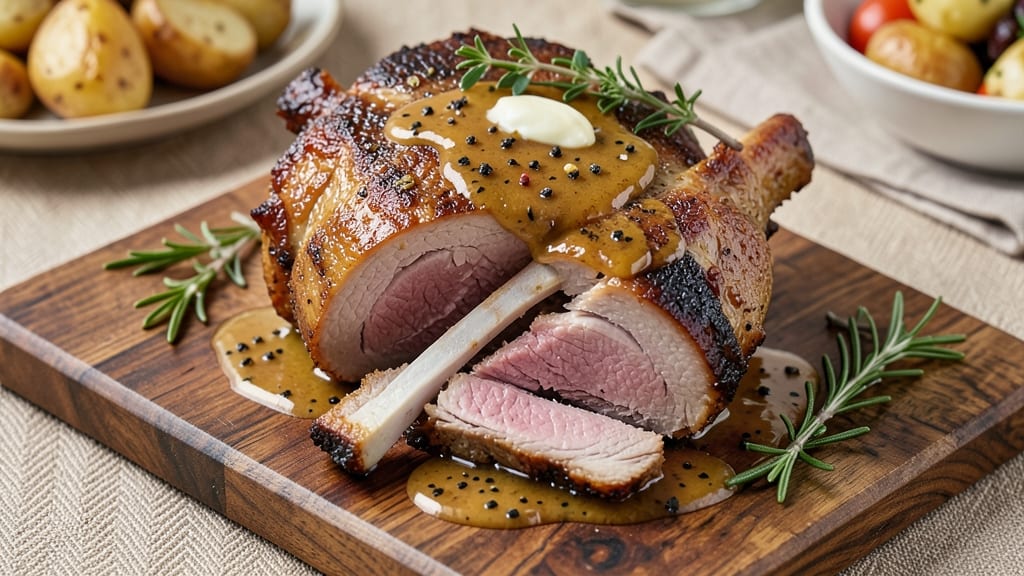
A bone-in Boston pork roast in the slow cooker transforms tough cuts into melt-in-your-mouth perfection with minimal effort. The secret lies in searing the roast first to lock in juices and build that coveted crispy bark, then letting the slow cooker work its magic for 6 hours on low heat.
I've perfected this method after years of testing—no more dry, overcooked pork that falls apart at the table.
What makes this recipe truly special is the balance of textures: a crispy, caramelized exterior that gives way to tender, juicy pink centers—just as you'd find in a high-end restaurant. The slow cooker's gentle heat ensures the pork stays moist while the bone infuses rich, savory depth into the meat.
This method works beautifully with a simple seasoning blend of salt, pepper, and garlic powder, though you can customize it with herbs or a dry rub for extra flavor.
The result is a pork roast that's so tender it practically falls off the bone, with a crispy bark that adds satisfying texture in every bite.
The slow cooker handles all the work while you prepare sides or enjoy a glass of wine—no need for constant monitoring or a hot kitchen. This recipe delivers restaurant-quality results without the fuss, making it perfect for holiday dinners or a special weeknight meal.
Serve with classic sides like roasted potatoes, caramelized onions, or a fresh green salad to round out the meal. The leftovers reheat beautifully, making this an excellent make-ahead option for busy families. Let's get started on creating your juiciest, crispiest Boston pork roast yet.
Ingredients for bone in boston pork roast recipe slow cooker
Six simple ingredients unlock restaurant-style pork roast with minimal effort.
| Ingredient | Amount | Notes |
|---|---|---|
| Bone-In Boston Pork Roast 🥩 | 3 lb | Center-cut, 1.5-inch thick |
| Unsalted Butter 🧈 | ¼ cup | Cold, cut into 1-inch cubes |
| Kosher Salt 🧂 | 1 ½ tsp | Diamond Crystal preferred |
| Freshly Ground Black Pepper 🌶️ | 1 tsp | Coarse grind preferred |
| Garlic Powder 🧄 | 1 tsp | Freshly ground preferred |
| Olive Oil 🫒 | 2 tbsp | For searing roast |
| Fresh Rosemary 🌿 | ½ tsp | Chopped, or 1 sprig |
| Fresh Thyme 🌿 | ½ tsp | Leaves only, or 1 sprig |
| Beef Broth 🍲 | ½ cup | Low-sodium preferred |
| Apple Cider Vinegar 🍎 | 1 tbsp | For crispy bark |
| Brown Sugar 🍚 | 1 tbsp | Light or dark |
The bone-in Boston roast is non-negotiable here—it's what gives you that deep, savory flavor and keeps the meat juicy. Look for a center-cut roast with good marbling at Costco or your butcher shop; avoid anything with excessive fat. A 1.5-inch thickness ensures even cooking. If you can't find bone-in, a thick-cut pork loin works in a pinch, but the bone adds that extra richness. For the butter, grab European-style if you can—it has a higher fat content (82-86%) that helps create that crispy bark. I always buy mine in bulk from Whole Foods or Trader Joe's because it stays fresh longer.
No fresh rosemary? Dried works at one-third the amount, but fresh has that piney aroma that really elevates the dish. Running out of beef broth? Low-sodium chicken broth plus 1 tsp soy sauce gets you close. The apple cider vinegar might seem odd, but it's what creates that caramelized bark—don't skip it. For the searing, olive oil is key—use something with a high smoke point like Avocado oil if you're worried about burning. The brown sugar adds just enough sweetness to balance the savory flavors, but if you're avoiding sugar, maple syrup at half the amount works too. Pro tip: Pat the roast very dry with paper towels before searing—this helps the crust form better.
This roast reheats like a dream—just warm it in the slow cooker for 15-20 minutes on low. Store leftovers in an airtight container for up to 4 days in the fridge, or freeze for 3 months. The crispy bark gets softer when reheated, so I always save a small piece to eat fresh. For make-ahead prep, sear the roast the night before, then refrigerate it uncovered so the bark stays crisp. The slow cooker does all the work while you prep sides or relax—just don't skip the searing step, or you'll miss out on that restaurant-quality texture.
Why You'll Love This Recipe
- Butter-Basted Magic: That crispy crackling skin? Pure butter and time. The fat renders slowly, basting the meat until it’s tender with a golden crust you can’t resist. Honestly, the aroma alone makes my kitchen smell like a holiday dinner, and I haven’t even invited anyone over yet.
- Leftovers That Save: This roast practically feeds a small army—perfect for meal prep. Slice the leftovers for sandwiches, toss cubes into pasta, or reheat for breakfast hash. I’ll be real: my freezer is always stocked with this, and it’s the only thing my picky teenager will eat cold.
- Budget-Friendly Feast: Bone-in pork is cheaper than pre-cut portions, and the slow cooker stretches every bite. A single roast turns into five meals without breaking the bank. Plus, the garlic powder and butter cost pennies—this is the kind of recipe that makes grocery shopping feel like a win.
Step-by-step instructions for slow cooker Boston pork roast
Here's how to transform a simple roast into a showstopper with tender meat and irresistible crust.
Sear the Roast for Maximum Flavor
Pat the 3 lb Bone-In Boston Pork Roast completely dry with paper towels—this is crucial for that crispy bark. Heat 2 tablespoons olive oil in a heavy skillet over medium-high heat until shimmering. Place the roast in the skillet and sear for 4-5 minutes per side until it develops a deep golden-brown crust. I press down gently on the roast during the first minute to prevent curling and ensure even contact with the pan.
While the roast sears, mix 1.5 teaspoons kosher salt, 1 teaspoon freshly ground black pepper, 1 teaspoon garlic powder, 0.5 teaspoon chopped fresh rosemary, and 0.5 teaspoon fresh thyme in a small bowl. Once the roast is browned on all sides, remove it from the skillet and rub the seasoning mixture all over the meat, pressing it into the crevices. Let the roast rest for 5 minutes while you prepare the slow cooker.
Prepare the Slow Cooker for Perfect Moisture
Place the seared roast fat-side up in your slow cooker. This positioning allows the rendered fat to baste the meat as it cooks, contributing to that coveted crispy exterior. Cut the 0.25 cup unsalted butter into 1-inch cubes and scatter them around the roast. Pour in the 0.5 cup beef broth, then add 1 tablespoon apple cider vinegar and 1 tablespoon brown sugar. The vinegar helps tenderize the meat while the sugar contributes to that beautiful bark formation.
Here's the thing—don't skip the vinegar and sugar. They work together to create a sticky, caramelized crust that seals in juices. The broth ensures the meat stays moist, even during the long cook time. Cover the slow cooker and cook on LOW for 6 hours. This low-and-slow approach guarantees tender meat that practically falls apart while maintaining that juicy pink center.
Check for Doneness and Rest Before Slicing
After 6 hours, carefully remove the roast from the slow cooker and transfer it to a cutting board. Let it rest for 15-20 minutes before slicing—this resting period is absolutely critical. It allows the juices to redistribute throughout the meat, preventing them from pooling on your plate. While it rests, you can skim any excess fat from the slow cooker juices and reduce them by 2-3 minutes on the stove if you'd like a pan sauce.
To check for doneness, insert a meat thermometer into the thickest part of the roast (avoiding the bone). It should read 195-205°F—this higher temperature ensures the connective tissues have fully broken down, resulting in fork-tender meat. If you don't have a meat thermometer, you can test by gently pressing the meat with a fork. It should feel soft and almost jelly-like in the center.
Slice Against the Grain for Maximum Tenderness
Once rested, slice the roast against the grain into ½-inch thick slices. You'll notice the grain direction when you cut—the meat fibers run in one direction, and cutting perpendicular to these fibers shortens them, making each bite more tender. Arrange the slices on a warm platter and spoon any reduced juices from the slow cooker over the top for extra flavor.
Serve immediately with your favorite sides—mashed potatoes, roasted vegetables, or crusty bread all pair beautifully. The contrast between the crispy exterior and the tender, juicy interior is what makes this dish so special. Each slice should be so flavorful and tender that it practically melts in your mouth, with just a hint of pink in the center if you prefer it that way.
Pro Tips For Making Bone In Boston Pork Roast Recipe Slow Cooker
- SEAR THE ROAST FIRST: I learned this the hard way—skipping the sear means flavorless, gray pork. Pat the roast dry, then hit it with a hot skillet or grill pan for 3-4 minutes per side until deep brown. The crust locks in juices and adds depth the slow cooker can’t replicate.
- USE COLD BUTTER: Sounds counterintuitive, but cold unsalted butter (cut into chunks) melts slower in the slow cooker, creating a richer, more even coating on the meat. Toss it in with the garlic powder and salt during the last 30 minutes—it’ll baste the roast perfectly without turning to grease.
- CHECK TEMPERATURE, NOT TIME: The slow cooker’s “low” setting isn’t foolproof. Use a meat thermometer to pull the pork at 195°F (203°F for pull-apart tenderness). I’ve walked away from roasts at “done” time only to find them dry—better to rest it 10 minutes under foil than risk overcooking.
- SALT THE PORK TWICE: Generously salt the roast before searing, then add another pinch (about ½ tsp) of kosher salt when you toss in the cold butter. The first layer seasons deep, while the second boosts flavor during the final melt. Trust me, your taste buds will notice the difference.
Wine and beer pairings for bone in boston pork roast recipe slow cooker
Red Wine Classics
For this rich, savory pork roast, I always reach for a medium-bodied red wine with enough acidity to cut through the fat. A Pinot Noir from Oregon—like Domaine Serene or Argyle—is my go-to because its bright cherry and earthy notes complement the pork's caramelized crust and herbal seasoning.
The wine's acidity balances the dish's richness while its subtle tannins enhance the meat's natural flavors. 🍷
Beer Pairings
A crisp, malty amber ale or brown ale works beautifully with this roast. I love New Belgium Fat Tire for its caramel sweetness and toasty malt flavors that echo the pork's slow-cooked depth.
For something lighter, a German Helles like Weihenstephaner Original provides a clean, refreshing contrast to the dish's richness. The beer's hoppy bitterness helps cleanse your palate between bites.
White Wine Surprises
Don't overlook white wines—an off-dry Riesling from Germany or the Finger Lakes, like Dr. Loosen Blue Slate, pairs surprisingly well. The wine's honeyed apple and citrus notes complement the pork's caramelized exterior while its slight sweetness balances the savory meat.
I also enjoy a Chardonnay with minimal oak, such as La Crema Sonoma Coast, for its buttery texture that mirrors the roast's tenderness.
Cider Complements
If you prefer something fruitier, a dry hard cider like Angry Orchard Crisp Apple offers a refreshing contrast. The cider's apple notes tie into the pork's apple cider vinegar component, creating a harmonious flavor bridge.
For a more robust option, try a spiced cider with cinnamon and clove—these warm spices enhance the roast's herbal seasoning and create a cozy, autumnal pairing. 🍎
Non-Alcoholic Options
For a non-alcoholic match, I recommend a sparkling apple cider like Martinelli's Sparkling Apple Cider—the effervescence cleanses the palate while the apple flavor complements the pork's vinegar component.
A ginger beer with a touch of honey also works beautifully, as the ginger's spiciness and honey's sweetness enhance the roast's caramelized crust. Both options keep the meal lively without overpowering the pork's natural flavors.
Nutrition facts
Frequently asked questions
Why do I need to sear the pork roast before slow cooking?
Searing creates a crispy bark that locks in juices and adds deep flavor. The Maillard reaction during searing develops complex flavors that the slow cooker can't replicate. Without searing, your roast will lack that restaurant-quality texture and might taste bland.
Can I use a bone-in pork loin instead of a Boston roast?
Yes, but expect different results. A bone-in pork loin will be leaner and cook faster, so reduce the time to 4-5 hours on low. The bone in a Boston roast adds flavor and moisture—without it, you'll need to add extra broth or butter to compensate. For best results, stick to the Boston roast when possible.
What if my slow cooker doesn't have a low setting?
Use the high setting for 4-5 hours instead, but check the pork after 3 hours to avoid overcooking. The key is reaching 195-205°F internally—if it's done sooner, remove it from heat. Just be prepared for slightly less tender meat since high heat works faster.
How do I make this recipe more flavorful?
Try adding 1 teaspoon smoked paprika to the seasoning mix or a ½ cup red wine instead of beef broth. For extra depth, wrap the roast in bacon before slow cooking. The apple cider vinegar can also be swapped for balsamic vinegar for a sweeter, richer flavor.
Can I cook this recipe without a meat thermometer?
Yes, but it requires more attention. After 5 hours, gently press the pork with a fork—it should feel very tender (almost jelly-like). If it resists, cook 30 minutes longer. The bone should also feel loose in the socket when done. For best results, invest in a meat thermometer—they're only $10 and prevent dry meat.