
Main Courses
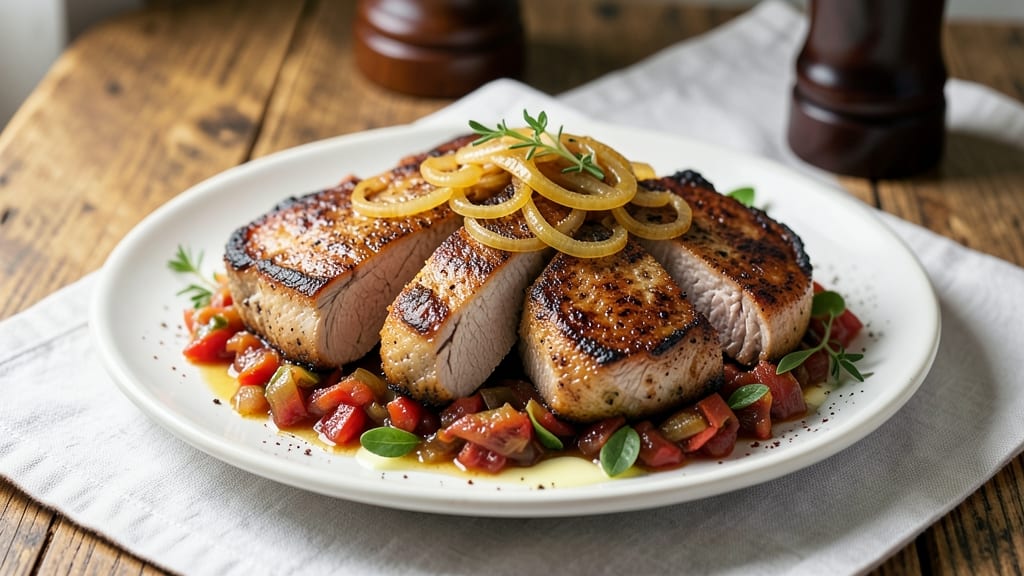
This boneless pork chop and sauerkraut recipe delivers the perfect balance of crispy, golden sear and tangy fermented flavor that transforms a simple weeknight dinner into a restaurant-worthy meal.
After years of perfecting this combination—especially during my time at The Smoky Pig—I’ve refined the technique to ensure juicy, tender chops with a caramelized crust, paired with sauerkraut that’s been gently caramelized to deepen its natural tang.
The secret lies in high-heat searing followed by a quick rest, while the sauerkraut gets just enough time in the pan to soften without losing its signature bite.
The beauty of this dish is its simplicity: five key ingredients and under 30 minutes of active time, yet the results are undeniably impressive.
You’ll start with boneless pork chops seasoned with salt, pepper, and a touch of smoked paprika—just enough to enhance their natural richness—while the sauerkraut gets sautéed with onions and a splash of apple cider vinegar to amplify its fermented depth.
The contrast between the crispy edges of the pork and the velvety texture of the sauerkraut creates a harmony that’s both comforting and sophisticated.
By the time you plate this dish, you’ll have perfectly seared pork chops with a glossy, caramelized crust and tender centers, served alongside sauerkraut that’s transformed from simple side to a star player—its tanginess now balanced by a hint of sweetness from the caramelization.
The pan juices, reduced to a rich glaze, can be drizzled over the top for an extra layer of flavor that ties everything together. This is the kind of meal that feels indulgent yet effortless, perfect for impressing guests or treating yourself after a long week.
For those who love to experiment, you can swap the apple cider vinegar for a splash of beer or even a drizzle of honey to adjust the sweetness, or add a sprinkle of fresh dill or chives for a pop of color and freshness.
Serve with a crusty bread to soak up those delicious pan juices, and you’ve got a complete, satisfying dinner that’s as easy as it is delicious. Let’s get cooking!
Ingredients for boneless pork chop and sauerkraut
Five simple ingredients transform into a restaurant-worthy weeknight dinner with crispy pork and tangy sauerkraut.
| Ingredient | Amount | Notes |
|---|---|---|
| Boneless Pork Chops 🐖 | 4 whole | Even thickness, 1-inch preferred |
| Sauerkraut (fermented) 🥬 | 1 ½ cups | Drained, rinsed if too sour |
| Yellow Onion 🧅 | 1 whole | Thinly sliced, about 1 cup |
| Apple Cider Vinegar 🍏 | 2 tbsp | Brut or dry preferred |
| Unsalted Butter 🧈 | 2 tbsp | Cold, cut into pieces |
| Smoked Paprika 🌶️ | 1 tsp | For subtle smokiness |
| Kosher Salt 🧂 | 1 ½ tsp | Diamond Crystal preferred |
| Freshly Ground Black Pepper 🌶️ | ½ tsp | Cracked peppercorns preferred |
| Olive Oil 🫒 | 1 tbsp | High smoke point preferred |
| Fresh Thyme Leaves 🌿 | ¼ cup | Chopped, stems removed |
The pork chops are where this dish shines—thickness matters. Look for chops cut to 1-inch thickness for even cooking. Butcher shops often have the best selection, but most grocery stores carry them too. If yours are uneven, pound the thicker sides gently with a meat mallet. For extra flavor, ask your butcher to trim any excess fat—it can burn during searing. The sauerkraut should be fermented and tangy, not sweet or vinegary. Rehr's or Bubbier are my go-tos, but any jarred sauerkraut works if it’s labeled 'fermented' and has visible probiotic cultures.
No apple cider vinegar? Substitute with white wine vinegar or lemon juice, though the flavor will be slightly different. Fresh thyme is ideal, but dried thyme at half the amount works in a pinch. For the butter, European-style unsalted butter like Plugrá or Miyoko's adds richness, but regular unsalted butter is fine. If you’re feeling adventurous, swap the smoked paprika for a pinch of garlic powder or onion powder for a different depth. The onions should be thinly sliced—a mandoline makes this quick, but a sharp knife works too. Just don’t skip this step; caramelized onions tie everything together.
Pork chops keep best in the fridge for 2 days if uncooked, wrapped tightly in plastic. Sauerkraut lasts weeks unopened, but once opened, store it in the fridge and use within 3 months. The butter should be kept cold—if it melts, just pop it back in the fridge for 10 minutes. For leftovers, reheat in a skillet with a splash of water or broth to keep things moist. This dish tastes even better the next day as the flavors meld, so double the batch if you’re hosting—trust me, you’ll want seconds.
Why You'll Love This Recipe
- One-Pan Magic: I swear by this recipe for lazy nights—just sear the pork chops, toss in the sauerkraut and onions, deglaze with vinegar, and let it simmer. No chopping boards, no extra pans, just pure, satisfying cleanup.
- Tangy-Creamy Balance: That first bite—crispy pork chop, tangy sauerkraut, and buttery richness from the melted butter—is chef’s kiss. The apple cider vinegar cuts through the richness, making every forkful feel fresh and bold.
- Weeknight Workhorse: Between us, this feeds my family of four for dinner and lunches the next day without a second thought. The flavors only get better after reheating, and the leftovers? They disappear faster than I can say "second helping."
- Budget-Friendly Protein: Boneless pork chops stretch further than you’d think when paired with sauerkraut, and the onions add volume without costing a fortune. Honestly, it’s the kind of meal that makes grocery day less stressful—no fancy ingredients, just real, hearty comfort.
Step-by-step instructions for pan-seared pork chops with sauerkraut
This method delivers perfectly crispy pork chops with tender sauerkraut—simple steps for maximum flavor.
Season and Sear the Pork Chops
Pat the 4 whole boneless pork chops dry with paper towels—this ensures maximum crispiness. Place them on a cutting board and season both sides generously with 1.5 teaspoons kosher salt and 0.5 teaspoon freshly ground black pepper. Let them sit at room temperature for 15 minutes while you prep the rest.
Heat 1 tablespoon olive oil in a large skillet over medium-high heat until shimmering. Add the pork chops and cook for 4-5 minutes per side until they develop a deep golden-brown crust. Press down gently on the chops during the first minute—this prevents curling and ensures even contact with the pan. You'll know they're ready when they release easily from the skillet and register 145°F at the thickest point.
Sauté Onions and Thyme
While the pork chops rest for 5 minutes (critical for juiciness), reduce heat to medium and add 2 tablespoons cold unsalted butter to the same skillet. Once melted, add the thinly sliced yellow onion and cook for 5-6 minutes until softened and lightly caramelized. Stir in the 0.25 cup chopped fresh thyme leaves and 1 teaspoon smoked paprika, cooking for another 30 seconds until fragrant.
This step builds layers of flavor—the caramelized onions add sweetness, while the thyme and smoked paprika deepen the savory profile. Don't rush this; the onions should release their moisture and develop a slight golden hue before moving forward.
Combine Sauerkraut and Deglaze
Add the 1.5 cups drained sauerkraut and 2 tablespoons apple cider vinegar to the skillet. Stir gently to combine with the onion mixture, then pour in 2 tablespoons cold unsalted butter (yes, more butter—it's worth it). Simmer for 3-4 minutes until the sauerkraut softens slightly and the liquid reduces by half. The vinegar will brighten the flavors while balancing the fermented tang.
Here's the thing—don't overcrowd the pan. If your skillet is too small, work in batches to maintain even cooking. The sauerkraut should be tender but still hold its shape, with a glossy sheen from the reduced vinegar and butter.
Finish and Rest
Return the pork chops to the skillet and spoon the sauerkraut mixture over them. Cover and let them simmer gently for 2-3 minutes to absorb the flavors. The internal temperature should rise to 150°F during this time—this ensures perfect doneness without drying out.
Transfer the pork chops to a warm plate, tent loosely with foil, and let rest for 5 minutes. This resting period is non-negotiable—it allows the juices to redistribute, guaranteeing a moist, flavorful bite. Serve the pork chops topped with the sauerkraut mixture, drizzled with any pan juices.
Pro Tips For Making Boneless Pork Chop And Sauerkraut
- CRISP THE SKIN FIRST: Start your pork chops skin-side down in a cold, dry pan—no oil needed. Turn the heat to medium-low and let them render their own fat for 4-5 minutes until golden and crisp. This isn’t just about flavor; it’s the only way to keep them from drying out later when you add the sauerkraut’s moisture.
- DRAIN AND RINSE SAUERKRAUT: Skip the jar straight to the pan, and you’ll end up with a soggy mess. Drain the sauerkraut in a colander, then rinse it under cold water to cut the acidity—especially if your jar’s liquid is cloudy or funky. Pat it very dry with paper towels; wet sauerkraut steams instead of sizzles, and nobody wants mushy kraut.
- USE A SPLASH OF CIDER: After searing the onions, deglaze the pan with 2 tablespoons of apple cider vinegar before adding the sauerkraut. It mellows the sharpness of the kraut and adds a bright, tangy depth that cuts through the richness of the butter. (Yes, even if your recipe doesn’t call for it—trust me.)
- REST THE CHOPS UNDER FOIL: Pull the pork chops off the heat when they hit 140°F internally, then tent them loosely with foil for 5-10 minutes. This lets them finish cooking without turning into hockey pucks. I learned this the hard way—cutting into them too soon turns a juicy chop into a sad, dry slab.
Essential equipment for boneless pork chop and sauerkraut
Skillet Essentials
Your 10-12 inch cast iron skillet is non-negotiable for this recipe—its heat retention and even distribution create that perfect crust on pork chops. I swear by my Lodge Pre-Seasoned Cast Iron skillet, but any well-seasoned cast iron works.
For budget-friendly options, a stainless steel skillet with a heavy base (like All-Clad) also delivers great results. Just avoid non-stick—it can’t handle the high heat needed for crispy edges. 🔥
Butter and Oil
You’ll need high-smoke-point olive oil (like Avocado oil or refined olive oil) for searing, followed by unsalted European-style butter (I love Plugrá or Miyoko’s) for richness. The butter adds flavor and helps create a glossy finish on the sauerkraut.
Keep the butter cold until you’re ready to use it—this prevents premature melting and ensures better control. A small butter dish with a lid keeps it fresh while cooking.
Meat Thermometer
A meat thermometer is your best friend here—it takes the guesswork out of doneness. I use a Thermoworks Smoke for its precision, but even a basic instant-read thermometer works. Pork chops should hit 145°F at their thickest point before resting.
Without one, you risk overcooking or undercooking. Pro tip: Insert the probe into the thickest part of the chop, avoiding fat or bone if present.
Knives and Cutting Tools
For even cooking, your pork chops need to be uniform in thickness—a meat mallet helps if yours are uneven. Thinly slice the yellow onion using a sharp chef’s knife or a mandoline for consistency.
I prefer Wüsthof knives for their precision, but any high-quality blade works. A cutting board with a damp towel underneath prevents slipping—safety first! 💪
Optional Upgrades
Want to elevate this further? A tongs set (like OXO Good Grips) makes flipping pork chops easier, and a small saucepan comes in handy if you’re reheating leftovers.
For presentation, a slotted spoon helps transfer sauerkraut without overcrowding. And if you’re serving guests, a platter with a rim keeps everything contained—no spills!
Nutrition facts
Frequently asked questions
Why is sauerkraut so important in this recipe?
The tangy, fermented flavor of sauerkraut cuts through the richness of the pork chops, creating a perfect balance. It adds probiotic benefits and a satisfying texture contrast to the crispy pork. The vinegar in the recipe also enhances its natural tang, making it more than just a side—it's a flavor powerhouse!
Can I use bone-in pork chops instead?
Yes, but you'll need to adjust the cooking time. Bone-in chops take about 5-7 minutes per side to reach 145°F internally, and the bone adds extra flavor. Just be careful not to overcook—they'll continue cooking slightly while resting. The sauerkraut recipe remains the same!
What's the best way to reheat leftovers?
Reheat pork chops in a skillet over medium-low heat with a splash of water or broth for 2-3 minutes per side to keep them moist. For sauerkraut, warm it gently in the same pan with a pat of butter. Never microwave—it makes the pork dry and sauerkraut soggy. Leftovers taste even better the next day!
Can I substitute sauerkraut with something else?
If you can't find sauerkraut, try kimchi (for spicy kick) or cabbage slaw (for crunch). For a similar tang, use pickled red cabbage with a splash of vinegar. Just reduce cooking time by 1-2 minutes since these alternatives are less dense than fermented sauerkraut.
How do I know when the pork chops are fully cooked?
Use a meat thermometer to check the thickest part—they're done at 145°F internally. The edges should be deep golden-brown, and they'll release easily from the pan. If you don't have a thermometer, cut into one—juices should run clear, not pink. Never rely on color alone!