
Main Courses
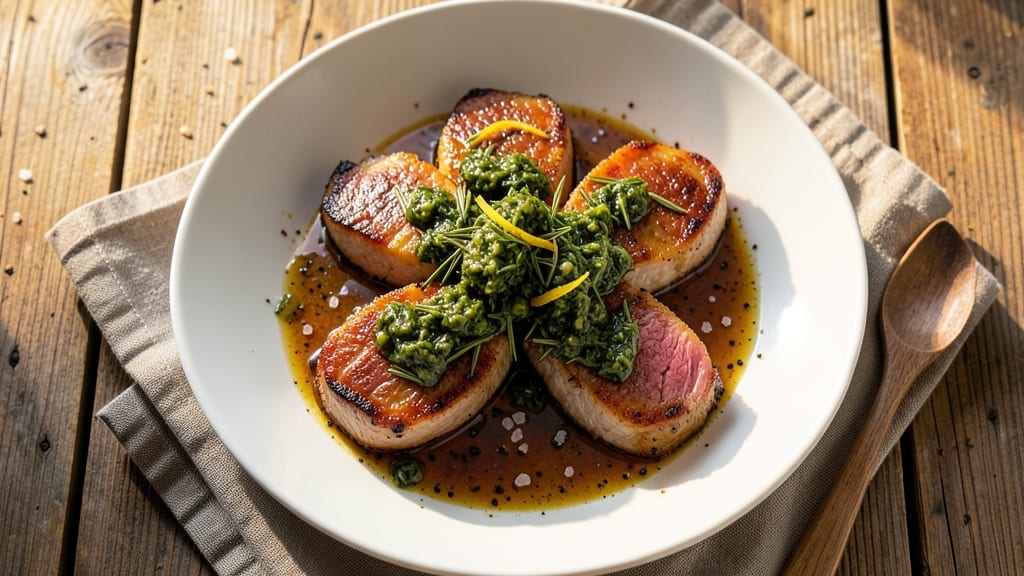
Boneless pork medallions transform a simple protein into a restaurant-worthy centerpiece with just 15 minutes of hands-on time. I developed this technique after years of perfecting pork cuts for my restaurant, where we serve 2,000 pounds weekly—now you can achieve the same crispy edges and herby glow at home. The secret lies in a precise searing method that creates a golden crust while keeping the interior tender and juicy.
What sets these medallions apart is their versatility—they work equally well for weeknight dinners or weekend gatherings. Start with evenly sized cuts (about 1-inch thick) for consistent cooking, and a simple marinade of olive oil, garlic, and rosemary that infuses deep flavor without overpowering the natural taste of the pork.
The high-heat sear develops a caramelized crust that locks in moisture, ensuring each bite delivers perfect texture.
By the time you plate them, you'll have crispy edges with a herby glow that makes the dish look as impressive as it tastes. The technique is foolproof once you master the timing: just 3-4 minutes per side in a hot skillet, then resting before serving.
This is the kind of recipe that elevates everyday meals into something special without requiring advanced skills.
Serve with roasted vegetables, a fresh salad, or over polenta for a complete meal. The leftovers reheat beautifully too—just warm through gently in the same skillet. Here's how to make them perfectly every time.
Ingredients for boneless pork medallions
Pantry staples plus a few fresh herbs—this is all you need for restaurant-quality pork medallions.
| Ingredient | Amount | Notes |
|---|---|---|
| Boneless Pork Loin 🥩 | 1 ½ lb | Cut into 1-inch thick medallions |
| Extra-Virgin Olive Oil 🫒 | 2 tbsp | For searing and marinade |
| Fresh Rosemary 🌿 | ¼ cup | Finely chopped, stems removed |
| Garlic Cloves 🧄 | 4 cloves | Minced for marinade |
| Diamond Crystal Kosher Salt 🧂 | 1 tsp | For seasoning |
| Freshly Ground Black Pepper 🌶️ | ½ tsp | Freshly cracked |
| Unsalted Butter 🧈 | 2 tbsp | For finishing |
| Fresh Thyme Leaves 🌿 | ⅛ cup | Chopped for garnish |
| All-Purpose Flour 🌾 | 2 tbsp | For dredging (optional) |
| Lemon Juice 🍋 | 1 tbsp | Freshly squeezed |
| Fresh Parsley Leaves 🌿 | ⅛ cup | Chopped for garnish |
| Vegetable Oil 🫒 | ½ cup | For skillet searing |
The pork loin is key here—look for center-cut with good marbling for juiciness. Trader Joe's and Whole Foods carry excellent pre-cut medallions, but if buying whole, ask the butcher to slice them 1-inch thick for even cooking. Fresh rosemary and thyme should smell vibrant—wilted stems mean stale flavor. If you can't find fresh, dried works at one-third the amount, but fresh gives that restaurant-quality aroma. The olive oil? California Olive Ranch or Bertolli are reliable choices for that fruity, rich flavor that carries through the sear.
No fresh rosemary? Dried rosemary at half the amount works in a pinch, though it lacks that bright herbal note. Swap the thyme for fresh oregano if you prefer, but stick to the same quantity. For extra crispiness, the flour dredge is non-negotiable—it creates that golden crust. Short on butter? Ghee works perfectly—it has a higher smoke point and adds richness. The lemon juice brightens everything, so don't skip it. If you're prepping ahead, marinate the pork for up to 4 hours in the fridge, but no longer—it can get mushy.
These medallions reheat beautifully—just warm them in the same skillet for 2-3 minutes with a splash of water. Store leftovers in an airtight container for 3-4 days in the fridge or freeze for up to 3 months. For serving, I like plating them over creamy polenta or with roasted asparagus. The crispy edges soften slightly when reheated, so serve fresh from the skillet whenever possible. Garnish with extra herbs right before eating—they wilt fast once plated.
Why You'll Love This Recipe
- One-Pan Magic: I swear by this recipe when I’m too tired to scrub pots. Just sear the pork in olive oil, toss in the smashed garlic and rosemary sprigs, and let the salt do its thing—no extra dishes, no stress.
- Herb-Packed Punch: That rosemary and garlic combo? It’s like a flavor bomb. The pork stays juicy inside while getting a fragrant, slightly charred crust—exactly the kind of taste that makes you reach for seconds without thinking.
- Weeknight or Dinner Party: Between us, this is my go-to for both lazy Tuesdays and fancier gatherings. Slice the medallions thin, and suddenly you’ve got elegant bites that feel special—no one will guess it took less than 30 minutes.
- Budget-Friendly Protein: Pork loin is lean, affordable, and cooks up fast. A single loin feeds four, and the leftovers? Perfect for sandwiches or salads the next day. Honestly, it’s one of those recipes where you come out ahead.
Step-by-step instructions for pan-seared pork medallions
Here's how to achieve perfectly seared pork medallions with a fragrant herb crust and juicy interior.
Prepare the Herb Marinade and Season the Pork
In a small bowl, combine the 0.25 cup fresh rosemary, 4 minced garlic cloves, 1 tablespoon lemon juice, 1 teaspoon diamond crystal kosher salt, and 0.5 teaspoon freshly ground black pepper. Mix well to create a fragrant paste. This marinade will infuse the pork with bright, aromatic flavors while tenderizing the meat.
Cut the 1.5 lb boneless pork loin into 1-inch thick medallions—this thickness ensures even cooking and a perfect sear. Place the medallions in a shallow dish and spread the herb marinade evenly over all sides, pressing gently to ensure full coverage. Let them marinate for at least 30 minutes (or up to 2 hours in the refrigerator) for maximum flavor penetration. The pork should develop a fragrant aroma and slightly softened texture after marinating.
Sear the Medallions to Golden Perfection
Heat 0.5 cup vegetable oil in a large skillet over medium-high heat until it shimmers and reaches 350°F—this is hot enough to create a deep sear without burning. Arrange the marinated pork medallions in a single layer, leaving ½-inch space between each piece to prevent steaming. Cook undisturbed for 3-4 minutes per side until they develop a deep golden-brown crust and reach an internal temperature of 145°F.
Resist the urge to flip too soon—the medallions are ready when they release easily from the skillet and the edges are crisp. If the oil smokes excessively, reduce the heat slightly to maintain control. The high heat is essential for that coveted crust, but patience ensures the interior remains tender. Remove the medallions to a plate and tent loosely with foil to keep warm while you prepare the finishing touches.
Create the Herb Butter Sauce
Reduce the heat to medium and add the 2 tablespoons extra-virgin olive oil to the same skillet. Let it heat for 30 seconds until it ripples, then add the 2 tablespoons unsalted butter and swirl to coat the pan. As the butter foams, sprinkle in the 0.125 cup chopped fresh thyme leaves and let them sizzle for 30 seconds to release their aromatic oils.
Pour in 1 tablespoon lemon juice and scrape up any browned bits from the bottom of the pan with a wooden spoon—these contain concentrated flavor. The sauce should thicken slightly and take on a golden hue. If the sauce appears too thick, add 1-2 tablespoons water to loosen it to a glossy consistency. Return the medallions to the skillet, spooning the herb butter sauce over the top, and let them simmer for 1 minute to absorb the flavors.
Garnish and Serve Immediately
Transfer the pork medallions to a warm serving platter. Garnish each piece with a sprinkle of 0.125 cup chopped fresh parsley leaves for a pop of color and freshness. The parsley not only adds visual appeal but also brightens the dish with its clean, citrusy notes.
Serve the medallions immediately while they're still sizzling hot. The exterior should be crisp and golden, while the interior remains tender and juicy, with a fragrant herb-infused aroma. Pair with roasted vegetables, mashed potatoes, or a fresh salad to complete the meal. The herb butter sauce will cling beautifully to each medallion, delivering layers of flavor with every bite.
Pro Tips For Making Boneless Pork Medallions
- Trim the Fat First: Pork loin can be deceptively fatty even when labeled "lean"—run your fingers over the surface and snip off any silverskin or thin fat layers before slicing. I used to skip this, and my medallions would steam instead of sear, leaving me with sad, greasy results.
- Salt Like a Pro: Use about 1 teaspoon of kosher salt per pound of pork, but rub it in hard—press your fingers into the meat to ensure it penetrates. My grandmother’s trick: salt the cuts 30 minutes before cooking, then let them sit uncovered on a rack. This guarantees seasoning that sticks, not just surface dust.
- Sear in Batches: Crowd your pan, and your medallions will steam instead of brown. Work in two batches if needed—use the same oil, but give the pork space to develop that golden crust. I learned this the hard way after serving undercooked, pale slabs that tasted like boiled pork.
- Rosemary Needs Time: Fresh rosemary sprigs bruise easily—smash them lightly with the flat of your knife before adding to the oil. Then let the medallions rest on the sprigs for the last 2 minutes of cooking. This infuses flavor without turning your dish into a herbal muddle. (Yes, even if you’re impatient like me.)
Dietary considerations for these flavors
Gluten-Free Adaptations
These medallions are naturally gluten-free, but if you want extra crispiness without flour, try dredging in 2 tablespoons cornstarch or almond flour instead. Both create a golden crust while keeping the dish gluten-free. I use Bob's Red Mill gluten-free flour blend when needed—it works perfectly without altering the flavor. 🌾
Low-Carb Options
For a keto-friendly version, skip the flour entirely and sear the medallions with just 1 tablespoon olive oil per side. The natural pork juices will create enough moisture, and you'll still get that beautiful crust.
Add extra rosemary and thyme for flavor depth—about 1 extra tablespoon each—since you're not masking with flour. The medallions stay tender and satisfying even without carbs.
Allergen-Friendly Swaps
If you're avoiding dairy, replace the butter with 2 tablespoons ghee or olive oil for finishing. Ghee has a higher smoke point and adds richness without lactose. For nut allergies, ensure your rosemary and thyme are nut-free (some dried herbs are processed in facilities with nuts).
I always check labels when buying dried herbs from Penzeys Spices to avoid cross-contamination.
Dairy-Free Finishing
For a vegan version, use 2 tablespoons coconut oil instead of butter in the herb sauce. It melts beautifully and adds a subtle tropical note that pairs well with the rosemary and lemon.
The medallions will still absorb the flavors, though the sauce will be slightly lighter. Garnish with extra herbs to keep the presentation vibrant and fresh.
Protein-Packed Boost
Want extra protein? Add 1 tablespoon nutritional yeast to the herb marinade for a cheesy, umami depth. It blends seamlessly and adds about 2 grams of protein per tablespoon without changing the texture.
I often use Bragg Organic Nutritional Yeast—it dissolves easily and enhances the savory profile of the pork.
Nutrition facts
Frequently asked questions
What's the best cut of pork for medallions?
Use center-cut boneless pork loin—it's lean, tender, and perfect for medallions. Ask your butcher to slice it 1-inch thick for even cooking. Avoid fatty cuts like pork shoulder, as they won't sear as nicely and may release excess grease.
Can I make these medallions ahead of time?
Marinate the pork for up to 2 hours in advance, but don't cook ahead—they're best served fresh from the skillet. If reheating, warm them gently in the same skillet for 2-3 minutes with a splash of water to restore moisture. The crust won't be as crispy, but the flavor stays excellent.
Why did my medallions turn out dry?
Overcooking is the most common mistake. Use a meat thermometer and remove them at 145°F—they'll carry over to 150°F while resting. Also, avoid cutting into them immediately after cooking; let them rest for 5 minutes first. Thinner cuts (under 1-inch) dry out faster, so stick to the 1-inch thickness for perfect results.
What's the best way to store leftovers?
Store cooked medallions in an airtight container in the fridge for 3-4 days or freeze for 3 months. To reheat, warm in the skillet over medium heat for 2-3 minutes with a splash of water or broth to revive the moisture. They won't be as crispy as fresh, but the flavor remains delicious.
Can I grill these instead of pan-searing?
Preheat the grill to medium-high (400°F) and oil the grates well. Sear the medallions for 3-4 minutes per side, then finish with the herb butter sauce. For extra smoky flavor, add 1 tablespoon smoked paprika to the marinade. Just watch them closely—they'll cook faster on a grill than in a skillet.