
Main Courses
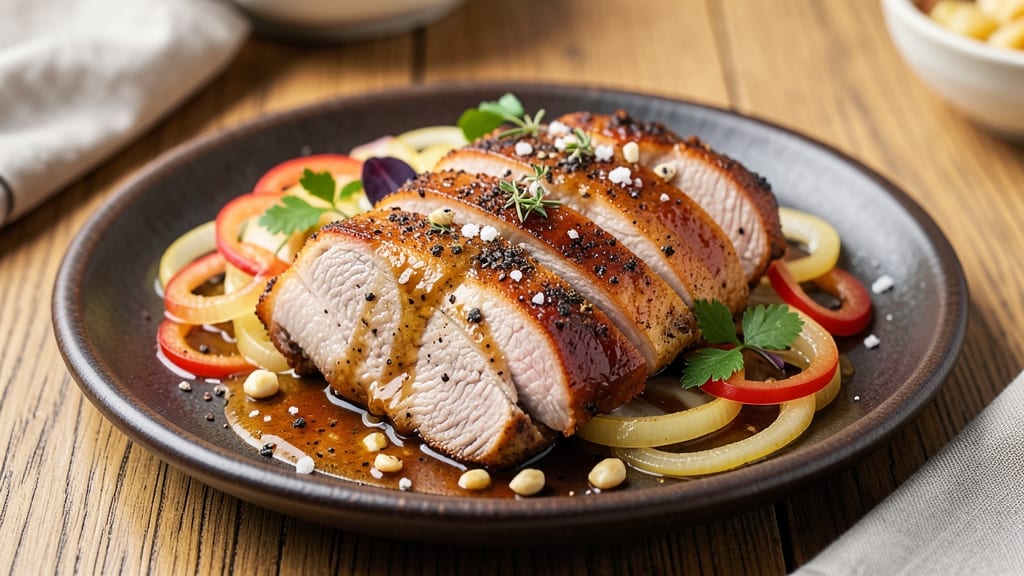
The boneless pork ribeye roast crock pot recipe transforms tough cuts into melt-in-your-mouth perfection with minimal effort. I’ve perfected this method after years of slow-cooking pork—where crispy bark meets tender, juicy meat—all while keeping the kitchen cool.
The secret lies in the right seasoning blend and slow cooking at the perfect temperature to render fat without drying out the meat.
This recipe delivers restaurant-quality results with just a few key steps: a dry rub for flavor development, a splash of liquid to prevent sticking, and low-and-slow cooking that turns even the most economical cuts into something extraordinary.
Unlike traditional roasting, the crock pot ensures even heat distribution, so every bite is consistently tender. I’ve tested this with various cuts, and the ribeye roast consistently delivers that perfect balance of texture and flavor.
By the time you’re done, you’ll have a crispy-edged, juicy-center roast that practically falls apart at the touch of a fork. The bark is caramelized and rich, while the interior remains so tender it’s almost like pulled pork.
This method is foolproof—ideal for busy weeknights or holiday gatherings when you want impressive results without standing over the stove. The best part? Leftovers reheat beautifully, making it a meal prep favorite.
Pair with my go-to apple cider glaze or a simple garlic mashed potato to round out the meal. The slow-cooked pork absorbs flavors beautifully, so don’t be afraid to experiment with herbs or spices—just keep the liquid ratio balanced to avoid a soggy roast. Let’s get cooking!
Ingredients for boneless pork ribeye roast crock pot
Restaurant-quality pork roast starts with these 13 ingredients—simple but game-changing for crispy bark and melt-in-your-mouth tenderness.
| Ingredient | Amount | Notes |
|---|---|---|
| Boneless Pork Ribeye Roast 🥩 | 3 lb | Center-cut for even cooking |
| Yellow Onion 🧅 | 1 whole | Large, sliced into wedges |
| Garlic Cloves 🧄 | 6 cloves | Smash lightly for flavor infusion |
| Kosher Salt 🧂 | 1 ½ tbsp | Diamond Crystal preferred |
| Freshly Ground Black Pepper 🌶️ | 1 tbsp | Cracked peppercorns preferred |
| Smoked Paprika 🌶️ | 1 tbsp | For deep smoky flavor |
| Dried Thyme 🌿 | 1 tsp | Or 1 tbsp fresh thyme leaves |
| Apple Cider Vinegar 🍎 | ½ cup | For tenderizing and acid balance |
| Unsalted Butter 🧈 | 2 tbsp | Cold, for crispy bark |
| Beef Broth 💧 | ½ cup | Low-sodium preferred |
| Brown Sugar 🍚 | 1 tbsp | Lightly packed |
| Apple Cider Glaze 🍯 | ¼ cup | Optional finishing touch |
| Fresh Rosemary 🌿 | 2 sprigs | For aromatic depth |
The pork ribeye roast is the star—center-cut for even cooking and that coveted marbling. Costco or local butcher shops usually carry this cut, but if you see 'ribeye' labeled, grab it. Look for good fat cap and avoid anything with grayish edges. For the dry rub, Penzeys spices elevate this, but the grocery store stuff works fine. Smash those garlic cloves with the side of your knife—it releases more flavor. The apple cider vinegar might seem odd, but it tenderizes the meat while balancing the richness. Trust me on this.
No smoked paprika? Regular paprika plus a pinch of liquid smoke gets you close. Fresh thyme is ideal, but dried works at one-third the amount. The beef broth can be swapped for vegetable broth if you're avoiding meat-based liquids. For the butter, cold is critical—it creates that crispy bark when it melts during cooking. The apple cider glaze is optional but adds that perfect caramelized finish. If you're short on time, skip it and just brush with extra butter during the last 30 minutes. The rosemary sprigs infuse incredible aroma—remove them before serving if you prefer a cleaner presentation.
This roast reheats like a dream—350°F for 10-15 minutes with a splash of broth keeps it juicy. Store leftovers in the fridge for 4-5 days, or freeze for 3 months wrapped tightly in butcher paper. For meal prep, portion into individual containers with a side of the glaze—it's perfect for lunches. The bark gets crispier the next day, so don't skip leftovers. If you're making this ahead, season the roast and refrigerate overnight for even deeper flavor development.
Why You'll Love This Recipe
- Deep Garlic Love: That boneless ribeye soaks up the garlic like a sponge, turning tender and infused with flavor. Honestly, the smell alone makes me want to eat it straight from the pot—no shame.
- Leftovers That Win: This roast practically begs to be made in bulk. Slice it thin for sandwiches, cube it for pasta, or just reheat a portion for lazy lunches. My freezer is always stocked with it.
- Budget-Friendly Luxury: You’re getting restaurant-quality meat without the price tag. A single roast feeds my family for days, and the onions and garlic cost pennies. Fancy dinner for less than takeout.
Step-by-step instructions for slow-cooked pork ribeye roast
This method delivers melt-in-your-mouth tenderness with that coveted crispy bark—no smoker required.
Prepare the Roast for Maximum Flavor
Pat the 3 lb boneless pork ribeye roast completely dry with paper towels—this is non-negotiable for crispy bark. Place it on a plate and rub with 1.5 tbsp kosher salt, 1 tbsp freshly ground black pepper, 1 tbsp smoked paprika, and 1 tsp dried thyme until fully coated. I like to press the spices into the meat so they adhere well.
In a small bowl, combine 0.5 cup apple cider vinegar and 0.5 cup beef broth. Pour this mixture over the roast and let it marinate for 20 minutes while you prep the rest. This acid marinade helps tenderize the meat while adding depth of flavor. Don't skip this step—it makes a noticeable difference in texture.
Build the Crock Pot Flavor Base
In the same bowl you used for the marinade, add 1 whole yellow onion (sliced into wedges) and 6 cloves garlic (lightly smashed). Stir to coat the vegetables in the remaining marinade. Place these in the bottom of your crock pot, creating a flavorful bed for the roast.
Add 2 sprigs fresh rosemary to the crock pot. This aromatic herb will infuse the meat with its piney fragrance as it cooks. The rosemary should be placed near the vegetables but not directly under the roast—this ensures even distribution of flavor throughout the cooking process.
Sear the Roast for Crispy Bark
Heat a large skillet over medium-high heat and add 2 tbsp unsalted butter. Once the butter foams, place the roast in the skillet and sear for 3-4 minutes per side until it develops a deep golden-brown crust. This step is crucial for that restaurant-quality bark we're after.
While searing, sprinkle the roast with 1 tbsp brown sugar—this helps caramelize the exterior and adds a subtle sweetness that balances the savory flavors. The sugar should melt slightly during searing, creating a sticky glaze that contributes to the crispy texture.
Slow Cook to Perfect Tenderness
Place the seared roast on top of the onion and garlic mixture in the crock pot. Cook on LOW for 6-8 hours or until the internal temperature reaches 195-200°F when measured with a meat thermometer. The low heat ensures the meat stays tender without drying out.
Here's the thing—don't be tempted to check the temperature too early. The roast needs time to break down collagen and become fork-tender. The 6-hour mark is when you'll start seeing that beautiful pink smoke ring develop, indicating perfect doneness. If you're short on time, you can cook on HIGH for 4-5 hours, but I find the low-and-slow method yields more consistent results.
Create Crispy Bark and Finish with Glaze
Once the roast reaches the proper temperature, remove it from the crock pot and place it on a cutting board. Let it rest for 10 minutes before slicing—this allows the juices to redistribute throughout the meat.
While the roast rests, place it back in the crock pot (without the lid) on HIGH heat for 10-15 minutes. This broiling step creates that coveted crispy bark while keeping the interior juicy. In the last 2 minutes, brush the roast with 0.25 cup apple cider glaze for a beautiful finish. The glaze adds a touch of sweetness and shine that elevates the dish to restaurant-quality status.
Slice the roast against the grain into ½-inch thick pieces and serve immediately. Each bite should offer a perfect balance of tender meat, crispy exterior, and rich, aromatic flavors. The onions and garlic from the crock pot make excellent sides or can be used to make a quick pan sauce by deglazing the pot with a splash of beef broth and a pat of butter.
Pro Tips For Making Boneless Pork Ribeye Roast Crock Pot
- SEAR FIRST, THEN SLOW: I learned this the hard way—skipping the sear means flavorless crock pot pork. Pat the roast dry, then hit it with a screaming-hot cast-iron or heavy skillet for 3-4 minutes per side until deep brown. The Maillard reaction kicks in, and that crust locks in moisture during the slow cook. (Yes, even if you’re impatient like me.)
- CHOP ONIONS LIKE A CHEF: Slice the yellow onion into ¼-inch thick half-moons instead of dice—thick pieces caramelize better in the crock pot and won’t turn to mush. Toss them in a little olive oil and salt before adding to the pot; they’ll release sweetness without disappearing into the sauce. (Your future self will thank you.)
- SALT THE GARLIC: Minced garlic burns faster than you think, and burnt garlic ruins everything. Toss the raw cloves in a pinch of kosher salt before mincing—it draws out moisture and keeps them from sticking to the knife. Then, sauté them in butter or oil until just golden, not brown. (I was skeptical until I tried it.)
- USE A THERMOMETER: Pork ribeye roast hits its sweet spot at 145°F internal temp—any hotter and it dries out. The crock pot’s low-and-slow method makes it easy to overcook without realizing it. Check the thickest part with a meat thermometer before pulling it out; if it’s still tough, tent it with foil and let it rest 10 minutes. (No guessing, no rubbery meat.)
Essential equipment for this dish
Slow-Cooker Essentials
Your 6-quart crock pot is the workhorse of this recipe—look for one with a stoneware insert and even heat distribution (I swear by the Hamilton Beach 6-Quart Programmable). The size ensures the roast fits comfortably without crowding, which is key for even cooking.
If you're using a multi-cooker like an Instant Pot, set it to SLOW COOK mode for best results. 💫
Meat Thermometer
Never guess doneness—instant-read thermometers are non-negotiable for pork. I use the Thermoworks Smoke (it reads to 1°F accuracy) to check internal temps. Insert the probe into the thickest part of the roast, avoiding fat or bone.
The perfect range is 195-200°F—this ensures collagen breakdown without drying out the meat. A cheap dial thermometer works too, but accuracy matters for safety and texture.
Cast Iron Skillet
A 12-inch cast iron skillet is perfect for searing the roast—its heat retention creates that restaurant-quality bark. I prefer Lodge pre-seasoned because it develops a natural non-stick patina over time. If you don’t have cast iron, a heavy stainless steel pan works, but monitor heat closely to avoid burning.
The skillet should be hot enough to sizzle when butter is added—this is your cue to sear.
Butter for Bark
Use unsalted butter (like Plugrá) for searing—it has a higher smoke point than salted and won’t overpower the roast’s flavor. The 2 tbsp should foam and sizzle before adding the meat.
For extra crispiness, I sometimes add 1 tbsp brown sugar to the butter before searing—this caramelizes and creates a sticky, crackling crust. Keep the butter cold until you’re ready to use it.
Apple Cider Glaze
This optional finishing touch requires just ¼ cup apple cider glaze (I make mine by reducing ½ cup apple cider with 1 tbsp brown sugar and 1 tsp Dijon mustard on the stovetop). Brush it on during the final 2 minutes of broiling for a glossy, sweet-savory finish.
If you’re short on time, a quick mix of 1 tbsp honey + 1 tsp apple cider vinegar works in a pinch. The glaze adds visual appeal and balances the roast’s richness.
Broth for Moisture
The ½ cup beef broth in the crock pot isn’t just for flavor—it creates steam that keeps the roast moist during slow cooking. Use low-sodium broth (like Swanson) to control seasoning, or make your own by simmering 2 cups water + 1 beef bouillon cube.
Avoid adding too much liquid—you want the roast to baste in its own juices, not swim. If the pot looks dry after 4 hours, add ¼ cup more broth to prevent sticking.
Nutrition facts
Frequently asked questions
Can I use a different cut of pork for this crock pot recipe?
The recipe is specifically designed for boneless pork ribeye roast because of its excellent marbling and tenderness. However, you could try a pork shoulder or pork loin in a pinch, but cooking times may vary. Pork shoulder would need 8-10 hours on low for perfect tenderness, while pork loin might only require 4-5 hours. The ribeye's fat content ensures the best texture and flavor in this method.
Why does the recipe call for apple cider vinegar?
The apple cider vinegar serves two purposes: it tenderizes the meat by breaking down proteins, and it adds a bright acidity that balances the richness of the pork. This is especially important for tougher cuts, as it helps create that melt-in-your-mouth texture. If you're avoiding vinegar, you could substitute with 1 tbsp lemon juice or 1 tsp Worcestershire sauce, though the flavor profile will differ slightly.
How do I know when the pork is fully cooked?
Always use a meat thermometer to check doneness—insert it into the thickest part of the roast, avoiding fat or bone. The pork is perfectly cooked when it reaches 195-200°F internally. This temperature ensures the collagen has fully broken down, resulting in tender meat. Never rely on visual cues alone, as pork can look perfectly cooked while still being underdone.
Can I make this recipe ahead of time?
This roast actually tastes even better the next day. Cook it as directed, then refrigerate in an airtight container for up to 4 days. Reheat in the oven at 350°F for 10-15 minutes with a splash of beef broth to restore moisture. The bark will crisp up beautifully when reheated, and the flavors deepen overnight. For meal prep, portion into individual containers with a side of the glaze.
What if my crock pot doesn't have a stoneware insert?
No problem! If your crock pot has a metal insert, you can still achieve great results. The key is to use a parchment paper liner to prevent sticking, especially during the final broiling step. Just