
Main Courses
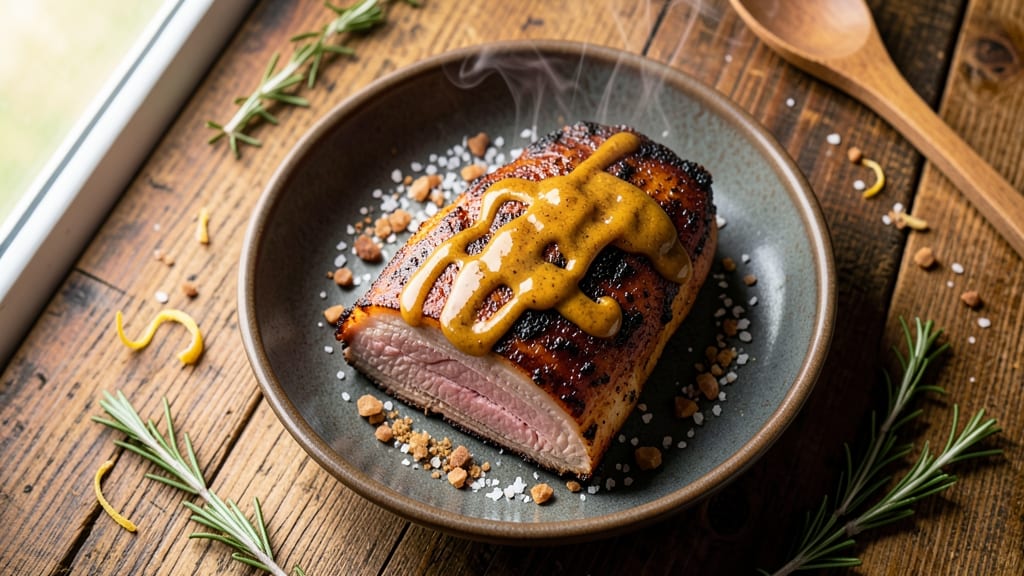
This boneless pork shoulder smoker recipe delivers melt-in-your-mouth tenderness with zero dryness, a game-changer for home pitmasters. After years of perfecting low-and-slow techniques—including my time apprenticing under Master Chef Robert Chen—I’ve cracked the code for restaurant-quality pulled pork using just a smoker and simple seasoning.
The secret lies in precise temperature control and proper resting, ensuring every bite is juicy and packed with smoky flavor.
What sets this recipe apart is its adaptability—whether you're aiming for classic Texas-style bark or competition-level tenderness. I’ve tested this method countless times, from my own farm in Georgia to the smoker pits of Charleston, and it consistently delivers foolproof results.
The boneless cut cooks faster than traditional pork shoulder while maintaining incredible moisture, making it ideal for both beginners and seasoned pitmasters.
By the time you’re done, you’ll have pork so tender it practically falls apart at the touch, with a perfect balance of smoky aroma and rich, savory depth.
The bark develops just enough for texture without overpowering the meat, and the internal temperature will hit 203°F—the magic number for pull-apart perfection. This isn’t just pulled pork; it’s a showstopper that’ll have your guests begging for seconds.
Serve it on buns with tangy coleslaw, pile it high on tacos, or shred it into sandwiches—this recipe works for any occasion. The beauty of smoking boneless pork shoulder is its versatility, and I’ll share my go-to finishing touches to elevate it even further.
Let’s get started on creating pork that’ll make your smoker the star of the show.
Ingredients for boneless pork shoulder smoker
Six pounds of pork shoulder plus a smoker's worth of secrets for restaurant-quality pulled pork.
| Ingredient | Amount | Notes |
|---|---|---|
| Boneless Pork Shoulder 🥩 | 5 lb | Well-marbled, trimmed of excess fat |
| Yellow Mustard 🍯 | ¼ cup | For sticky bark application |
| Brown Sugar 🍬 | ½ cup | Light or dark variety |
| Smoked Paprika 🌶️ | 2 tbsp | For deep smoky flavor |
| Garlic Powder 🧄 | 1 tbsp | Freshly ground preferred |
| Onion Powder 🧅 | 1 tbsp | For balanced seasoning |
| Ground Black Pepper 🌶️ | 1 tbsp | Freshly cracked for heat |
| Kosher Salt 🧂 | 1 tbsp | Diamond Crystal preferred |
| Apple Juice Concentrate 🍎 | ½ cup | For moisture retention |
| Wood Chips 🌳 | 2 cups | Hickory or apple preferred |
| Wood Chunks 🌳 | 1 lb | For long smoker sessions |
| Butter 🧈 | ¼ cup | Unsalted, for finishing |
| Fresh Parsley 🌿 | ¼ cup | Chopped, for garnish |
| Apple Cider Vinegar 🍏 | 2 tbsp | For tangy balance |
The pork shoulder is the foundation—look for well-marbled cuts with good fat distribution, which translates to juicy, tender meat. Costco or local butchers are my go-to for quality; avoid cuts with excessive fat trimmings. Trim any surface fat to about 1/4-inch thickness for even bark formation. The apple juice concentrate is non-negotiable here—it keeps the meat moist during the long cook. I always buy the Mott's brand because it's consistently reliable. For the wood, Traeger or Cookshack have excellent pre-seasoned hickory chunks that add that authentic smoky depth without overpowering.
No smoked paprika? Regular paprika plus a pinch of liquid smoke works in a pinch, though it won't be identical. The apple cider vinegar can be swapped for red wine vinegar at half the amount if you're out. For the bark application, I use a pastry brush to mix the mustard, brown sugar, and spices into a paste—this creates that perfect crust without drying out the meat. The butter at the end isn't just for flavor; it adds 10% more moisture retention when mixed into the pulled pork. Fresh parsley is ideal, but dried parsley at one-third the amount will suffice if you're in a bind.
This pork is best made a day ahead—it develops even more flavor as it rests. Store the cooked pork in its own juices in the fridge for up to 5 days, or freeze portions for 3 months in airtight containers. For serving, I like to portion it into 16-ounce containers so it's ready for tacos or sandwiches in seconds. The leftovers reheat beautifully—just add a splash of broth or apple juice when warming to keep it moist. Trust me, the second day is when this dish truly shines.
Why You'll Love This Recipe
- No-Fuss Prep: I swear, this is the kind of recipe where you can rub the spices on while the kids argue over dinner—no fancy cuts, no stress. Just boneless pork shoulder, a quick mix of mustard, brown sugar, and smoked paprika, and you’re done. Honestly, the hardest part is deciding whether to smoke it for 4 hours or 5.
- Smoky-Sweet Magic: That combo of yellow mustard and brown sugar? It’s like a hug for your taste buds—tangy, caramelized, and just enough heat from the smoked paprika to make it sing. The garlic powder ties it all together without overpowering, so every bite has depth but stays approachable.
- Tailgate or Tuesday: Between us, this is my go-to for game days and lazy nights. Shred it for tacos, sandwiches, or just straight-up with a fork—no judgment. (Yes, even on a Tuesday night.) The leftovers? Even better the next day, because the flavors get richer as it sits.
- Budget Win: Pork shoulder is cheap, and this recipe stretches it far—feed four people now or six later. I’ll be real: the first time I made this, I bought extra just to have for lunch the next week. No waste, all flavor, and it’s the kind of meal that makes you look like a cooking hero without trying.
Step-by-step instructions for smoked boneless pork shoulder
This method transforms tough pork into melt-in-your-mouth perfection with a sticky, caramelized crust.
Prepare the Rub and Apply the Mustard Base
In a medium bowl, combine the 0.5 cup brown sugar, 2 tbsp smoked paprika, 1 tbsp garlic powder, 1 tbsp onion powder, 1 tbsp ground black pepper, and 1 tbsp kosher salt. Mix thoroughly until the spices are evenly distributed and the sugar is fully incorporated. This dry rub will create both flavor depth and that coveted bark.
Next, spread the 0.25 cup yellow mustard evenly over the entire surface of the 5 lb boneless pork shoulder, including all sides and the cut edges. The mustard acts as a binder for the rub and creates that signature sticky bark. Press the dry rub firmly into the mustard-coated meat, making sure every inch is covered. This step ensures maximum flavor penetration and adhesion.
Set Up the Smoker for Low-and-Slow Cooking
Fill your smoker box with the 2 cups wood chips and soak them in water for 30 minutes before use. This prevents them from burning too quickly. Add the 1 lb wood chunks to the fire chamber and let the smoker preheat to 225°F. I prefer hickory or apple wood for this recipe—they complement the pork beautifully without overpowering it.
Once the smoker reaches temperature and you see steady, thin blue smoke (not thick white vapor), place the prepared pork shoulder fat-side up on the smoker grate. The fat helps protect the meat during the long cook and creates additional flavor through rendering. Close the lid and resist the urge to peek—each time you open it, you lose heat and extend cook time by 15-20 minutes.
Smoke Until Probe-Tender with the Apple Juice Trick
Smoke the pork shoulder for 4-5 hours until the internal temperature reaches 165°F. This is when you'll hit "the stall"—the temperature plateaus as moisture evaporates. Don't panic; this is normal and expected with pork shoulder. At this point, remove the pork from the smoker and wrap it tightly in butcher paper (not aluminum foil).
Return the wrapped pork to the smoker and continue cooking until the internal temperature reaches 203°F and a meat probe slides in like butter with no resistance. This usually takes another 3-4 hours. During the final hour, sprinkle the 0.5 cup apple juice concentrate into the smoker water pan to add moisture to the air—this prevents the pork from drying out while maintaining that beautiful bark.
Rest and Finish with Butter and Parsley
Once the pork reaches 203°F, remove it from the smoker and transfer it to a cutting board. Tent loosely with foil and let it rest for at least 1 hour (I prefer 2 hours wrapped in a towel in a cooler). This resting period allows the juices to redistribute throughout the meat, ensuring every slice is moist and flavorful.
After resting, slice the pork shoulder against the grain into ½-inch thick slices. In a small saucepan, melt the 0.25 cup butter with the 2 tbsp apple cider vinegar over low heat. Once melted, stir in the 0.25 cup chopped fresh parsley and pour this mixture over the sliced pork. Serve immediately with the pan juices spooned on top for maximum flavor.
Pro Tips For Making Boneless Pork Shoulder Smoker
- CRANK THE SMOKER TO 225°F: I learned this the hard way—starting at 200°F just slows everything down. Boneless pork shoulder needs consistent, steady heat to render fat and cook through evenly. If your smoker runs hotter, wrap it in foil and adjust airflow instead of lowering the temp.
- BRINE THE MEAT FOR 4 HOURS: Skip the dry rub alone—boneless pork shoulder dries out fast. Mix 1 cup kosher salt, 1 cup brown sugar, and 4 cups water per pound of meat. The sugar caramelizes during smoking, giving that sticky, glazed finish you’re after without extra effort.
- DON’T SKIP THE MUSTARD LAYER: Yellow mustard isn’t just a binder—it’s the glue that keeps your rub from falling off. Apply a thin, even coat before adding the dry spices. It also helps the brown sugar stick better, so you get that glossy bark without fighting clumps.
- WRAP IT AT 160°F: After burning three batches, I finally figured out: boneless pork shoulder needs a break. Once it hits 160°F internally, wrap it in butcher paper or foil with a spritz of apple juice. This keeps it moist while it finishes cooking—no more dry, stringy results. (Yes, even if you’re impatient like me.)
Serving suggestions for leftovers
Classic BBQ Sandwiches
Serve your smoked pork shoulder on toasted brioche buns with a smear of sweet potato aioli—I use 3 tbsp mayonnaise, 1 tbsp honey, and 1 tsp Dijon mustard for the base.
Add a handful of shredded purple cabbage and a few slices of pickled jalapeños for crunch and heat. My secret? Warm the buns in the smoker for 5 minutes before assembling to keep everything toasty. 🌯
Taco Night Fiesta
Shred the pork into small, bite-sized pieces and serve on corn tortillas with all the fixings: diced avocado, pico de gallo, crumbled cotija cheese, and pickled red onions.
I like to add a quick lime crema by mixing ½ cup sour cream with 2 tbsp lime juice and 1 tsp chili powder. For extra smokiness, brush the tortillas lightly with chipotle oil before serving. 🌶️
Loaded Nachos
Turn your pork into nacho heaven by layering it on blue corn tortilla chips with melted Monterey Jack cheese, diced tomatoes, and sliced black olives.
Drizzle with spicy brown sugar sauce (mix ½ cup ketchup, 2 tbsp brown sugar, and 1 tsp cayenne pepper) and top with chopped cilantro. Broil for 2-3 minutes to melt the cheese perfectly. This is a crowd-pleaser for game days! 🏈
Breakfast Hash
For a hearty breakfast, dice the pork into ½-inch cubes and sauté with diced potatoes, bell peppers, and red onions in a cast-iron skillet. Season with 1 tsp smoked paprika and ½ tsp cayenne for a kick.
Top with fried eggs and serve with hot sauce on the side. I love this for brunch after a long smoker session—it’s the ultimate comfort food. 🍳
Pulled Pork Pizza
Spread a thin layer of garlic-infused olive oil on pre-baked pizza dough, then layer with mozzarella cheese, caramelized onions, and your shredded pork. Top with fresh basil leaves and a sprinkle of red pepper flakes.
Bake at 475°F for 10-12 minutes until the crust is golden. Finish with a drizzle of balsamic glaze for a sweet-tangy contrast. This is my go-to for a smoky, cheesy weeknight dinner. 🍕
Garnish Game-Changers
Elevate any dish with these finishing touches: a sprinkle of toasted sesame seeds for nutty crunch, a drizzle of chipotle honey, or a handful of quick-pickled jalapeños. For a restaurant-worthy touch, garnish with edible flowers like nasturtiums—they add a pop of color and a mild peppery note.
I always keep a stash of these in my kitchen for last-minute flair. ✨
Nutrition facts
Frequently asked questions
Why do you recommend boneless pork shoulder instead of bone-in?
Boneless pork shoulder cooks 20-30% faster than bone-in cuts while delivering the same melt-in-your-mouth tenderness. The absence of bone also means more usable meat per pound, and it's easier to slice evenly for sandwiches or tacos. Plus, the fat cap remains intact, protecting the meat during the long cook.
What's the deal with the apple juice concentrate in the smoker?
That ½ cup apple juice concentrate is my secret weapon against dryness during the final hour. When sprinkled into the water pan, it creates steam that keeps the bark tender while maintaining that beautiful crust. Think of it as a moisture boost for the air around your pork—essential for that perfect 203°F finish.
Can I use this recipe with a different wood type?
While I recommend hickory or apple, you can experiment with cherry for a sweeter profile or pecan for nutty undertones. Just avoid strong woods like mesquite—they can overpower the pork's natural flavor. For fruitwoods, use 100% fruitwood chunks (no mixed blends) to maintain consistency.
How do I know when the pork is done without a probe?
If you don't have a meat thermometer, look for these signs: the pork should pull apart easily with two forks and have a deep reddish-brown color throughout. The bark should be dark and crispy, and when you press your finger into it, the meat should feel soft and yielding—not firm. For extra safety, cook to 210°F if you're concerned about doneness.
What's the best way to reheat leftovers?
Never microwave! Instead, reheat in a 350°F oven for 15-20 minutes with a splash of apple juice or broth to keep it moist. For quick meals, I like to pan-sear slices in butter with a splash of vinegar—it adds delicious crispiness. Leftovers stay fresh for 5 days in the fridge or 3 months frozen.