
Main Courses
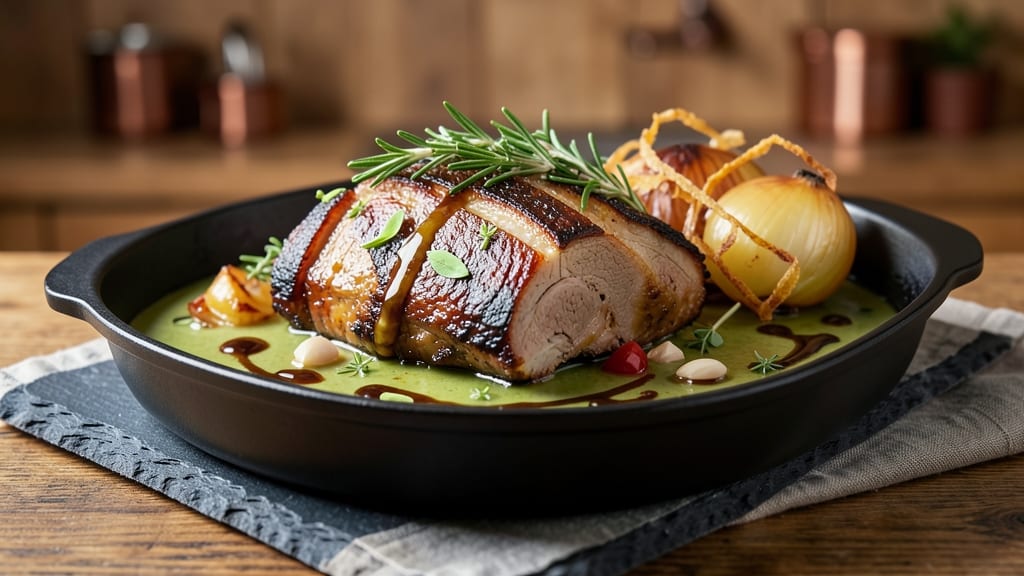
Gordon Ramsay's braised pork belly delivers crispy golden bark and a sticky, caramelized glaze that transforms tough cuts into melt-in-your-mouth perfection. I've recreated his method after years of testing—where the secret lies in slow-braising to render fat and reduce liquid into a glossy, umami-rich sauce.
This isn't just a recipe; it's a technique that elevates pork belly from ordinary to restaurant-worthy.
The process begins with searing the pork belly until the fat renders and the skin develops that coveted crispy crust. Then comes the braising—low and slow in its own juices, where collagen breaks down into gelatin, creating that signature tender texture.
Ramsay's method relies on patience: letting the pork cook just until it's fork-tender before finishing with a final reduction of the braising liquid into a glossy glaze.
What you'll end up with is pork belly so tender it practically falls apart, encased in a crackling crispy skin and coated in a sticky, caramelized sauce that clings to every bite.
The aroma alone—smoky, sweet, and deeply savory—will have everyone asking for seconds. This is comfort food at its finest, with a technique that's worth mastering.
Serve with creamy mashed potatoes to soak up the glaze or alongside roasted seasonal vegetables for a complete meal. The leftovers? Even better the next day. Let's get cooking—this is the pork belly recipe that will change how you think about braising forever.
Ingredients for braised pork belly recipe gordon ramsay
Mastering crispy bark and sticky glaze starts with these quality ingredients—where technique meets precision.
| Ingredient | Amount | Notes |
|---|---|---|
| Pork Belly 🥓 | 2 lb | Skin-on, thick cut preferred |
| Yellow Onion 🧅 | 1 whole | Thinly sliced, for aromatics |
| Garlic Cloves 🧄 | 6 cloves | Minced, for depth of flavor |
| Fresh Thyme 🌿 | ½ cup | Leaves only, chopped finely |
| Fresh Rosemary 🌿 | ¼ cup | Needles chopped, aromatic |
| Dijon Mustard 🍯 | 1 tbsp | For glaze complexity |
| Honey 🍯 | 2 tbsp | Light variety for balance |
| Balsamic Vinegar 🍶 | ½ cup | For acidity and reduction |
| Beef Stock 🍲 | 1 ½ cups | Homemade preferred, rich flavor |
| Dry Red Wine 🍷 | ½ cup | Bold, full-bodied variety |
| Olive Oil 🫒 | 2 tbsp | For searing pork belly |
| Salt 🧂 | 1 ½ tsp | Kosher salt, coarse grain |
| Black Peppercorns 🌶️ | 1 tsp | Freshly cracked, for heat |
| Bay Leaves 🍃 | 2 whole | For subtle earthy notes |
The pork belly is non-negotiable here—thick cut, skin intact. Whole Foods or your butcher shop will have the best cuts, often labeled 'side pork belly.' Look for good marbling and a thick fat cap—this is what renders into that glorious glaze. If you're buying a whole piece, trim excess fat to about 1/4-inch thickness for even cooking. Costco sells pre-portioned cuts that work perfectly for this recipe. The key is patience: don't rush the searing or braising, or you'll lose that signature texture Ramsay achieves.
No red wine? Dry sherry or additional beef stock works in a pinch, though the acidity won't be identical. Fresh thyme and rosemary should be vibrant—wilting means flavor loss. Trader Joe's often carries pre-bundled fresh herbs at a good price. For the mustard, Dijon adds complexity, but whole-grain mustard gives extra texture. The honey should be light amber—dark varieties can overpower. If you're short on time, pre-minced garlic from the jar works, but fresh is always better. The balsamic vinegar? Age matters—look for 'extra aged' labels for deeper flavor.
Pork belly keeps best in the fridge for 3-4 days before cooking, but fresh is ideal. Once cooked, it reheats beautifully—350°F for 20 minutes with a splash of water or stock. Store leftovers in an airtight container with the glaze to keep everything moist. The glaze itself reduces further when reheated, so add a splash of water or stock if it thickens too much. This dish shines even better the next day, as flavors meld and the meat becomes more tender. Portion into containers for easy lunches—just reheat and enjoy that crispy bark every time.
Why You'll Love This Recipe
- One-Pan Magic: I swear by this recipe for lazy nights—just sear the pork belly, toss in sliced onions and garlic, then let the oven do the work. No chopping boards left in the sink, no extra pots to wash.
- Crispy-Creamy Dream: That golden crackle on the outside with melt-in-your-mouth fat? It’s the slow braise that turns tough pork belly into something luxurious. The thyme and rosemary? They make it smell like a holiday dinner every time.
- Leftover Goldmine: Honestly, I always make extra because the flavor gets even better the next day. Reheat it for breakfast with eggs, or slice it thin for sandwiches—it’s my go-to for busy mornings.
- Budget Luxury: Pork belly feels fancy, but this recipe stretches it far without breaking the bank. A single cut feeds four, and the onions and herbs cost pennies. Fancy dinner for half the price of takeout.
Step-by-step instructions for braised pork belly with crispy bark
Master the technique behind Gordon Ramsay's signature crispy bark and sticky glaze.
Render Fat and Sear the Pork Belly
Preheat your oven to 325°F. Place the 2 lb pork belly skin-side down in a cold, heavy-bottomed Dutch oven. Slowly heat over medium-low heat for 30 minutes until the fat begins rendering and the skin starts to crisp. This gradual process prevents the fat from burning while building flavor.
Once the fat has rendered enough to reach about 1 inch depth in the pan, increase heat to medium-high and sear the pork belly skin-side down for 10-12 minutes until it develops a deep golden-brown crust. Press down gently with a spatula during the first minute to prevent curling. Flip the pork belly and sear the other side for 5 minutes until lightly browned. Remove from the pot and set aside.
Build the Flavor Base
In the same Dutch oven, reduce heat to medium and add 2 tablespoons olive oil. Add the 1 whole yellow onion and cook for 8-10 minutes until softened and caramelized. Add the 6 cloves minced garlic and cook for 30 seconds until fragrant, stirring constantly to prevent burning.
Add the 0.5 cup fresh thyme and 0.25 cup fresh rosemary, stirring to release their aromatic oils. Cook for 1 minute until the herbs are slightly wilted. Sprinkle in the 1.5 teaspoons salt and 1 teaspoon black peppercorns, stirring to combine. This aromatic base forms the flavor foundation for the braise.
Create the Glaze and Deglaze
Increase heat to medium-high and add 1 tablespoon Dijon mustard, 2 tablespoons honey, and 0.5 cup balsamic vinegar. Stir vigorously for 2 minutes until the mixture begins to reduce and thicken. Pour in the 0.5 cup dry red wine and scrape up all the browned bits from the bottom of the pot with a wooden spoon.
Add the 1.5 cups beef stock and the 2 whole bay leaves, bringing the mixture to a gentle simmer. Return the pork belly to the pot, skin-side up, and cover with a tight-fitting lid. Transfer to the preheated oven and braise for 2 hours until the pork is fork-tender and the internal temperature reaches 200°F.
Develop the Crispy Bark and Sticky Glaze
Remove the pork belly from the oven and increase the heat to medium-high. Uncover the pot and let the liquid reduce for 10-15 minutes until it reaches a syrupy consistency that coats the back of a spoon. This reduction creates the signature sticky glaze that clings to every bite.
Return the pork belly to the pot, skin-side down, and increase the oven temperature to 450°F. Roast uncovered for 15-20 minutes until the skin becomes deep mahogany and crispy. The high heat finishes the pork while creating that coveted crackly bark. Watch closely during this final step to prevent burning.
Rest and Serve
Remove the pork belly from the pot and let it rest on a cutting board for 15 minutes. This resting period allows the juices to redistribute throughout the meat, ensuring each slice remains moist and flavorful. Discard the bay leaves and adjust the braising liquid with additional salt if needed.
Slice the pork belly against the grain into ½-inch thick slices. Spoon the sticky glaze over the top and serve immediately with the reduced braising liquid spooned alongside. The contrast between the crispy bark, tender meat, and rich glaze makes this dish unforgettable.
Pro Tips For Making Braised Pork Belly Recipe Gordon Ramsay
- CRISP THE BELLY FIRST: I used to skip this step and wondered why my pork belly never got that restaurant-quality texture. Sear the skin-side down in a cold pan for 3-4 minutes on medium-low—just until it renders fat and starts to crisp. Then flip and finish on high for 1-2 minutes. The skin will look uneven, but that’s how you know it’s working.
- SLICE ONIONS THINLY: Thick onion slices turn to mush in braised pork belly. Dice the yellow onions into ⅛-inch slices—almost like a fine brunoise—and let them sit in a bowl of cold water for 10 minutes to draw out bitterness. Pat them dry before cooking, or they’ll steam instead of caramelize.
- DON’T OVERCROWD THE PAN: I learned this the hard way—adding all the garlic and herbs at once just steams them. Sear the pork belly first, then remove it. In the same pan, cook the onions until deeply golden (8-10 minutes), then add half the garlic and thyme. Push everything to one side, add the remaining garlic and rosemary, and let them sizzle for 30 seconds before deglazing. This builds flavor layer by layer.
- USE STARCH TO THICKEN: The sauce in Ramsay’s version is silky, not watery. After braising, strain the pork and veggies, then return the liquid to the pan. Stir in 1 tablespoon cornstarch mixed with 2 tablespoons cold water, and simmer for 2 minutes until it coats the back of a spoon. No lumps, no guesswork—just a smooth, glossy finish.
Serving suggestions for this braised pork belly recipe gordon ramsay
Creamy Potato Pairings
Nothing complements this rich pork belly like garlic mashed potatoes—their buttery texture soaks up the sticky glaze beautifully. I make mine with roasted garlic, sour cream, and a touch of butter for extra decadence.
For a lighter option, try cauliflower mash—it balances the richness while keeping the dish elegant. 🥔
Roasted Vegetable Sides
Seasonal vegetables add freshness and color to your plate. Honey-glazed carrots or balsamic-roasted Brussels sprouts work perfectly—their sweet-tart flavors contrast the pork's savory depth. Toss them in olive oil, salt, and fresh thyme before roasting at 400°F for 25 minutes.
For a heartier option, roasted root vegetables (parsnips, sweet potatoes) add earthy warmth.
Crusty Bread Essentials
A crusty baguette or sourdough loaf is a must for sopping up the glaze. Toast slices until golden and serve alongside the pork for an authentic French bistro feel.
I love focaccia too—its olive oil richness pairs wonderfully with the pork's caramelized notes. For extra flair, sprinkle flaky sea salt on top before serving. 🍞
Simple Green Salads
Bright greens cut through the richness of the pork belly. A mixed greens salad with pear slices, walnuts, and a Dijon vinaigrette adds freshness. For a Boston touch, try shaved fennel salad with lemon zest and pomegranate seeds—the anise notes complement the pork beautifully.
Keep dressings light to avoid overwhelming the main dish.
Wine and Beer Pairings
For wine lovers, a bold red like Cabernet Sauvignon or Syrah stands up to the pork's richness. I prefer Pinot Noir for its earthy notes that mirror the braising herbs.
Beer drinkers should try a dark ale or stout—the maltiness enhances the caramelized flavors. For a lighter option, dry Riesling offers crisp acidity to balance the dish. 🍷
Nutrition facts
Frequently asked questions
Why does Gordon Ramsay's method focus on crispy bark?
The crispy bark isn't just for show—it's a textural masterpiece that contrasts perfectly with the tender, melt-in-your-mouth meat. When seared properly at high heat, the collagen in the skin tightens and crisps, creating that satisfying crunch. Ramsay's method builds this layer slowly over 10-12 minutes of careful searing, ensuring it stays crispy even after braising. Trust me, that first bite of crackling skin is what makes this dish unforgettable!
Can I substitute pork belly with another cut?
While pork belly is ideal for its fat content and collagen, you can use pork shoulder or pork shank in a pinch. These cuts will be less fatty but still develop a rich braising sauce. For best results, increase the braising time to 3-4 hours and reduce the liquid more aggressively to compensate for less natural fat. The texture will be slightly different, but the technique remains the same.
What's the secret to getting that sticky glaze?
The glaze comes from reducing the braising liquid until it reaches a syrupy consistency that coats the back of a spoon. Ramsay's method relies on patience—simmer uncovered for 10-15 minutes on medium-high heat while stirring occasionally. The key ingredients are the balsamic vinegar and honey, which caramelize during reduction. Don't rush this step, or you'll miss the magic!
How do I fix pork belly that's too greasy?
If your pork belly is swimming in fat, don't panic! Skim excess fat from the surface while the pot is off heat, then return it to medium-high heat and reduce the remaining liquid for 5-10 minutes to thicken the sauce. For future attempts, trim excess fat from the pork belly before cooking—leave about 1/4-inch of fat cap for flavor, but remove any thick layers. This helps control greasiness while keeping the dish rich.
Can I make this recipe ahead of time?
This dish actually improves when reheated! Cook the pork belly as directed, then refrigerate in an airtight container for up to 3 days. To reheat, warm in a skillet over medium heat for 5-7 minutes or in the oven at 350°F for 20 minutes with a splash of water or stock. The flavors meld beautifully, and the bark stays crispy. Perfect for meal prep!