
Sauces & Condiments
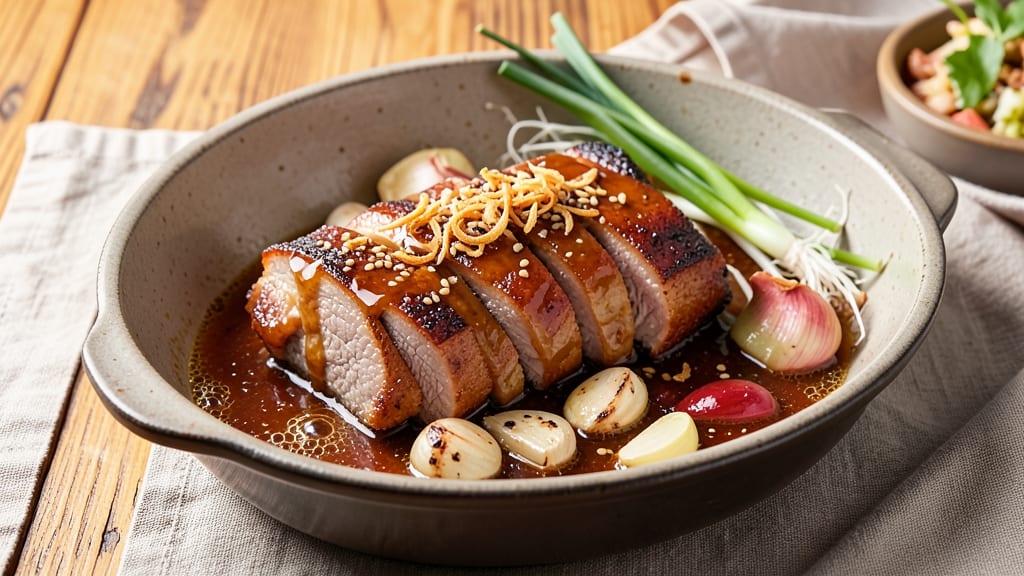
This braised pork in sweet soy sauce delivers melt-in-your-mouth tenderness with a glossy, caramelized glaze that clings to every bite. 🔥 As a pitmaster who's spent years perfecting pork at The Smoky Pig, I know the secret lies in slow-cooking—transforming tough cuts into something so rich and flavorful it becomes the centerpiece of any meal.
The balance of sweet soy, aromatic ginger, and star anise creates depth that's both comforting and complex.
The beauty of this technique is its simplicity: sear the pork first to lock in juices, then let it simmer until fork-tender in a single pot. No fancy equipment needed—just time and patience.
I've adapted this method for home cooks by using accessible ingredients while maintaining that restaurant-quality depth that makes people ask for seconds.
What you'll end up with is pork so tender it falls apart at the touch, bathed in a sticky-sauce that's perfectly balanced between sweet and savory.
The aroma alone will have your kitchen smelling like a Charleston dinner party, while the texture delivers that satisfying contrast of crisp edges and velvety meat.
Serve over steamed rice or noodles to soak up every last drop of that glorious sauce. This dish scales beautifully—whether you're feeding a family or planning for leftovers. The technique works equally well with pork shoulder or tenderloin, making it versatile for any occasion.
Ingredients for braised pork in sweet soy sauce
Pork shoulder, sweet soy sauce, and aromatic spices—just six core ingredients transform into sticky-glazed perfection.
| Ingredient | Amount | Notes |
|---|---|---|
| Pork Shoulder (Boston Butt) 🐖 | 3 lb | Cut into 2-inch chunks, bone-in preferred |
| Dark Soy Sauce 🍶 | ½ cup | For deep umami color and flavor |
| Light Soy Sauce 🍶 | ¼ cup | Balances sweetness with saltiness |
| Brown Sugar 🍚 | ½ cup | Packed, for caramelized glaze |
| Fresh Ginger 🧄 | ½ cup | Finely chopped, aromatic base |
| Garlic Cloves 🧄 | 8 cloves | Minced, for bold flavor |
| Star Anise Pods 🌟 | 4 whole | Whole pods for subtle licorice note |
| Cinnamon Sticks 🌿 | 2 whole | For warmth, remove before serving |
| Bay Leaves 🌿 | 2 whole | Dried, aromatic depth |
| Honey 🍯 | ¼ cup | Wildflower or clover preferred |
| Water 💧 | 1 ½ cups | For simmering, room temperature |
| Vegetable Oil 🫒 | 2 tbsp | High smoke point for searing |
| Salt 🧂 | 1 ½ tsp | Kosher or sea salt |
| Black Pepper 🌶️ | 1 tsp | Freshly ground for heat |
The pork shoulder is the star here—bone-in, cut into 2-inch chunks for maximum flavor. I always grab mine from Costco or my local butcher, where they can trim it for me. Look for good marbling—those fat streaks melt into the sauce, keeping the meat juicy. If you can't find Boston butt, pork butt or picnic shoulder works just as well. The key is to let the meat come to room temperature before searing, so plan ahead. I usually pull it from the fridge about an hour before cooking. For the soy sauce, Kikkoman or Lee Kum Kee are my go-tos—they've got that perfect balance of salt and umami.
No dark soy sauce? Double the light soy and add 1 tbsp molasses for color. Fresh ginger is ideal, but dried ginger at half the amount works in a pinch (though it lacks that bright punch). The star anise and cinnamon are non-negotiable for that restaurant-quality depth, but if you're avoiding spices, 1 tsp ground cinnamon plus 1 tsp ground star anise is a decent swap. For the honey, I grab Manuka honey when I can—it's pricier but adds a unique depth. The brown sugar should be packed, not scooped, for that thick, caramelized glaze. And if you're short on time, pre-minced garlic from a jar is fine, though fresh is always better.
This dish tastes even better the next day once all the flavors meld together. Store leftovers in an airtight container in the fridge for up to 5 days, or freeze for 3 months—the sauce actually improves over time. I like to portion it into individual containers so I can grab a serving for lunch without reheating the whole batch. The sauce thickens as it cools, so just add a splash of water when reheating. And trust me, the aroma alone will have your whole house smelling like a Charleston dinner party.
Why You'll Love This Recipe
- One-Pot Magic: I swear by this recipe when I need zero cleanup. Toss the pork shoulder in a Dutch oven with the soy sauces, ginger, and sugar, then let it simmer—no extra pots, no fuss. The rich, sticky sauce clings to everything, and by the end, I’m left with one pan to wipe, not five.
- Sweet-Savory Balance: That dark soy sauce gives it a glossy sheen, while the brown sugar melts into the meat, creating a caramelized crust that’s ridiculously good. The ginger adds a bright kick that cuts through the richness—like a perfect harmony where every bite feels intentional.
- Leftovers That Shine: Between us, this dish tastes better the next day. I make a big batch on Sundays, and by Wednesday, it’s still the star of lunch. Pack it in containers, reheat it gently, and watch it disappear faster than my willpower on a bad day.
- Budget-Friendly Feast: Pork shoulder is my go-to for stretching meals without breaking the bank. A few dollars gets you pounds of meat that transforms into a saucy, satisfying dish—no fancy cuts, no wasted ingredients. Honestly, it’s the kind of recipe that makes grocery night feel like a win.
Step-by-step instructions for braised pork in sweet soy sauce
This one-pot method transforms tough pork into melt-in-your-mouth perfection with a glossy, sticky glaze.
🔥 Step 1: Sear the Pork Shoulder for Deep Flavor
Heat the 2 tablespoons vegetable oil in a large Dutch oven over medium-high heat until shimmering. Pat the 3 lb pork shoulder (Boston Butt) dry with paper towels—this ensures a proper sear. Working in batches, add the pork pieces and sear for 3-4 minutes per side until deep golden brown forms.
Here's the thing—don't rush this step. You want that caramelized crust on each piece, which builds incredible flavor. If your pan gets crowded, work in two batches. Once all pieces are browned, remove them and set aside on a plate.
🍳 Step 2: Build the Aromatic Base
In the same Dutch oven, add the 0.5 cup finely chopped fresh ginger and 8 cloves minced garlic cloves over medium heat. Cook for 1-2 minutes until the ginger becomes fragrant and the garlic turns golden—this releases their full flavor potential.
Add the 4 whole star anise pods, 2 whole cinnamon sticks, and 2 whole bay leaves to the pot. Stir for 30 seconds to toast the spices gently. This step infuses the braising liquid with aromatic depth that'll permeate every bite of pork.
🥘 Step 3: Create the Sweet-Savory Braising Liquid
Pour in the 0.5 cup dark soy sauce, 0.25 cup light soy sauce, 0.5 cup packed brown sugar, 0.25 cup honey, and 1.5 cups water. Stir vigorously to dissolve the sugar completely—you should see a rich, dark liquid forming.
Return the seared pork to the pot, along with any accumulated juices. Sprinkle with 1.5 teaspoons salt and 1 teaspoon black pepper. Bring the liquid to a gentle boil, then reduce heat to low so it just simmers—you're looking for tiny bubbles at the edges, not a rolling boil.
⏰ Step 4: Braise Until Fork-Tender
Cover the Dutch oven with a tight-fitting lid and transfer to a preheated 300°F oven. Braise for 2.5-3 hours, turning the pork occasionally to ensure even cooking and sauce distribution. The pork is done when it easily pulls apart with a fork and the sauce has thickened to a glossy consistency.
I know it's tempting to check early, but resist! The pork needs this slow cook time to transform from tough to tender. If the liquid reduces too quickly, add 1-2 tablespoons water during cooking to maintain proper braising liquid.
🍽️ Step 5: Finish and Serve
Remove the pork from the braising liquid and transfer it to a serving platter. Strain the braising sauce through a fine-mesh sieve to remove the spices, then return it to the pot. Simmer over medium heat for 3-5 minutes to thicken slightly if needed.
Slice the pork against the grain into ¼-inch thick pieces and arrange on a platter. Spoon the glossy sauce over the top and serve immediately with steamed rice. The pork should be fork-tender with a beautiful mahogany color, and the sauce should coat everything with its sweet-savory perfection.
Pro Tips For Making Braised Pork In Sweet Soy Sauce
- Sear First, Then Braise: Get that pork shoulder screaming hot in a dry pan before adding liquid—no, I don’t mean just a quick rinse. Aim for 3-4 minutes per side until deep brown, even if it looks like you’re overcooking. This isn’t about cooking through; it’s about building flavor. I learned this the hard way when my braise tasted like it was missing something—turns out, caramelized crust is non-negotiable.
- Blend the Soy Sauces: Mix equal parts dark and light soy sauce before adding to the pot—yes, even if the recipe says “add both.” Dark soy adds color and depth, but if you dump it in separately, you’ll end up with streaks instead of a smooth, glossy glaze. Stir it into the braising liquid early, and let it marry with the sugar and ginger.
- Don’t Rush the Sugar: Brown sugar burns faster than you think, especially when simmering. If the liquid reduces too quickly and starts sticking, add a splash of water or even a bit of the pork’s cooking liquid to keep it moving. I once turned a sweet soy glaze into a bitter charred mess—now I watch the pot like a hawk after the sugar hits.
- Rest the Pork Properly: After braising, let the pork sit covered in the pot for at least 10 minutes—no peeking, no lifting the lid. The residual heat finishes cooking it evenly and lets the juices redistribute. I was skeptical until I tried it: the meat stays tender, and the sauce absorbs perfectly instead of turning watery when sliced. Trust the process.
Regional styles of braised pork in sweet soy sauce
Southern BBQ Style
In my Charleston kitchen, we take this dish to the next level by adding 1 cup of apple cider vinegar to the braising liquid—it cuts through the sweetness and adds tangy depth.
I also swap half the soy sauce for chopped liquid smoke (about ½ teaspoon) for that unmistakable pitmaster touch. Serve over stone-ground grits instead of rice for a true Southern experience. 🔥
Chinese Takeout Twist
For a restaurant-style version, I boost the sauce with 2 tablespoons of Shaoxing wine and add 1 teaspoon of five-spice powder when building the aromatic base. The wine adds complexity, while the five-spice brings warmth. Garnish with scallions and serve with jasmine rice for that classic Chinese-American feel.
Japanese Tonkatsu Fusion
This adaptation turns the dish into a crispy-sweet hybrid. After searing the pork, coat each piece in ½ cup panko breadcrumbs mixed with 1 tablespoon grated Parmesan before braising.
The panko creates a golden crust while keeping the interior tender. Finish with a drizzle of tonkatsu sauce (available at Asian markets) and pickled ginger on the side.
Korean Galbi-Inspired
For a Korean-inspired version, I marinate the pork chunks overnight in ½ cup gochujang (Korean chili paste) and 2 tablespoons soy sauce before searing. After braising, I finish with 1 tablespoon toasted sesame seeds and thinly sliced green onions.
The gochujang adds heat and depth that pairs perfectly with the sweet soy glaze.
Vietnamese Caramelized
This version incorporates ½ cup fish sauce and 1 tablespoon sugar into the braising liquid, creating a caramelized glaze with umami richness. Add 2-inch slices of daikon radish to the pot during braising—they absorb the sauce beautifully.
Serve with steamed rice noodles and fresh herbs for a Vietnamese-inspired dish that's equally comforting and vibrant.
Nutrition facts
Frequently asked questions about braised pork in sweet soy sauce
Can I use pork tenderloin instead of pork shoulder?
Pork tenderloin is leaner and cooks much faster than pork shoulder, so it won't braise the same way. For best results, stick with pork shoulder (Boston Butt), which has more connective tissue that breaks down beautifully during slow cooking. If you're set on using tenderloin, slice it thin and cook it quickly in the sauce for just 15-20 minutes after the pork shoulder is done.
How do I know when the pork is fully tender?
Your pork is ready when it easily pulls apart with a fork and the meat separates cleanly from the bone. The sauce should also thicken to a glossy consistency. If you're unsure, check the internal temperature—it should reach 195-203°F for perfect tenderness. Remember, patience is key here!
Can I make this in a slow cooker?
Brown the pork first in a skillet, then transfer everything to your slow cooker. Cook on low for 8-10 hours or high for 5-6 hours. The slow cooker will give you even more tender pork, though you may need to add ½ cup water if the sauce gets too thick during cooking. The flavors will meld beautifully!
What if my sauce turns out too thin?
If your sauce is too thin, simply remove the pork and simmer the sauce uncovered over medium heat for 5-10 minutes to reduce it. You can also mix 1 tablespoon cornstarch with 2 tablespoons cold water, stir it into the sauce, and cook for another 2 minutes until it thickens. Just be careful not to over-reduce it!
How can I make this dish spicier?
Add 1-2 teaspoons of red pepper flakes or 1 tablespoon of sriracha to the braising liquid for heat. For a smoky kick, add ½ teaspoon of smoked paprika with the spices. If you want more complexity, try 1 teaspoon of chili crisp at the end for a sweet-spicy finish. Adjust to your taste!