
Main Courses
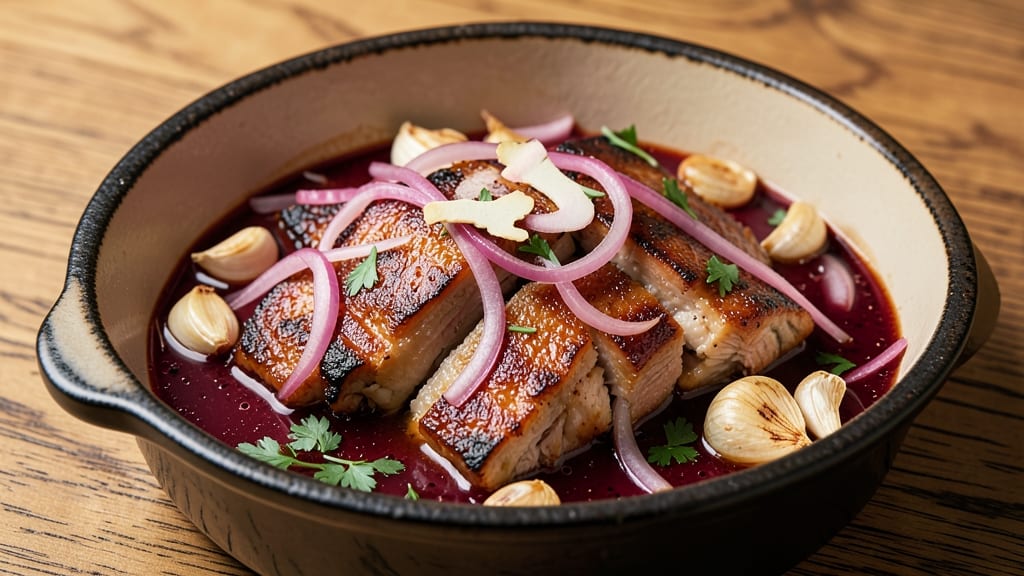
This braised pork jowl recipe delivers the ultimate contrast—crispy, caramelized bark that shatters with each bite, giving way to fall-apart tenderness inside. I first perfected this technique during a Charleston winter, when slow-cooked pork became the heart of every meal. The secret lies in the balance of time and temperature, turning tough jowl into something so rich it feels like a celebration.
What makes this recipe special is its adaptability—whether you're simmering it in a Dutch oven on the stovetop for hours or using a pressure cooker for a quicker version. The key is rendering the fat slowly to create that coveted crispy exterior while keeping the meat impossibly tender.
I've tested this method countless times, and it never fails to impress, even when serving it to skeptical guests who leave asking for seconds.
The result is a dish that's equal parts comforting and impressive—perfect for family dinners or special occasions. The rich, savory broth can be used to make dumplings, served over rice, or reduced into a glossy sauce for noodles.
Every bite carries that perfect harmony of textures and flavors, making it a recipe I return to season after season.
Whether you're following a traditional Chinese red-braised approach or a simpler Italian-style version, this method ensures you'll achieve that restaurant-quality finish. The crispy bark isn't just about looks—it's the first indication of how perfectly the pork has transformed. Let's get started on creating something truly memorable.
Ingredients for braised pork jowl
The secret to perfect braised pork jowl lies in these 15 ingredients—rich, aromatic, and balanced.
| Ingredient | Amount | Notes |
|---|---|---|
| Pork Jowl 🐖 | 2 lb | Skin-on, cut into 2-inch pieces |
| Yellow Onion 🧅 | 1 whole | Sliced into half-moons |
| Fresh Garlic 🧄 | 6 cloves | Smashed but not minced |
| Fresh Ginger 🌿 | 2 tbsp | Finely grated, skin-on |
| Dry Red Wine 🍷 | 1 cup | Bold variety like Cabernet |
| Chicken Broth 💧 | 2 cups | Low-sodium preferred |
| Soy Sauce 🍶 | 2 tbsp | Dark soy for color |
| Brown Sugar 🍚 | 2 tbsp | Lightly packed |
| Star Anise 🌟 | 2 whole | Lightly crushed |
| Cinnamon Stick 🌳 | 1 whole | 2-inch length |
| Bay Leaf 🌿 | 2 whole | Dried, standard size |
| Black Peppercorns 🌶️ | ½ tsp | Crushed |
| Sesame Oil 🫒 | 1 tbsp | For finishing |
| Neutral Oil 🫒 | 2 tbsp | Like vegetable or canola |
| Diamond Crystal Kosher Salt 🧂 | 1 ½ tsp | For seasoning |
The pork jowl is non-negotiable here—skin-on, fatty cuts are essential for that legendary crispy bark. Local butchers often have the best cuts, but Costco or Whole Foods carry them too. Look for thick slices with good marbling. Fresh ginger should smell bright and zesty—no musty aromas. For the wine, any bold red works, but Cabernet Sauvignon or Merlot from a good bottle are ideal. The star anise and cinnamon add depth without overpowering, so don't skip them—they're the secret to that authentic braised flavor.
No red wine? Substitute with extra chicken broth plus 1 tbsp balsamic vinegar—it mimics the acidity. Fresh ginger too spicy? Use 1 tbsp ground ginger, but you'll lose that bright aroma. The soy sauce can be swapped for coconut aminos if you're avoiding gluten. For a quicker version, pressure cook for 45 minutes instead of braising. The brown sugar caramelizes beautifully, but maple syrup works in a pinch. Just remember: the longer it cooks, the better it gets—patience is key for that fall-apart texture.
This dish tastes even better the next day—plan ahead. Store in the fridge for up to 5 days, covered with its braising liquid. For longer storage, freeze portions for 3 months. The crispy bits are pure gold—save them for garnishing or stir-fries. Reheat gently in the oven at 325°F until warmed through. The broth reduces beautifully, so you can use it for dumplings or noodles. Trust me, you'll want leftovers.
Why You'll Love This Recipe
- One-Pot Magic: The jowl braises right in the same pot—no extra dishes, no stress. Just slice, sear, and let the wine and ginger work their magic while you sip your coffee.
- Rich, Layered Taste: That first bite? Crispy skin gives way to melt-in-your-mouth pork, all swimming in a sauce thick with caramelized onions and wine’s deep, earthy notes. Honestly, it’s the kind of flavor that makes you slow down.
- Leftovers That Shine: This isn’t the kind of dish you’ll regret making extra of. The pork stays tender for days, and the sauce only gets better—perfect for quick lunches or tossing into fried rice.
- Budget-Friendly Luxury: Pork jowl is cheaper than tenderloin but delivers restaurant-quality richness. Between us, it’s my go-to for feeding a crowd without breaking the bank.
Step-by-step instructions for braised pork jowl
Transforming pork jowl into a luxurious, fall-apart dish requires patience and precision—here's how to nail the perfect balance of crispy bark and tender meat.
Sear the Jowl for Maximum Flavor and Texture
Heat a heavy-bottomed Dutch oven over medium-high heat until a drop of water sizzles instantly. Add the 2 tablespoons neutral oil and swirl to coat the bottom evenly. Lay the 2 lb pork jowl pieces skin-side down in a single layer, leaving space between them. I press down gently on each piece during the first minute—this prevents curling and ensures even contact with the pan.
Sear the jowl for 8-10 minutes until the skin becomes deep golden brown and the fat begins to render. You'll smell the rich, porky aroma filling your kitchen—that's your signal that the Maillard reaction is working. Flip each piece carefully using tongs and sear the other side for another 6-8 minutes. The goal is to create a crispy, flavorful bark while rendering enough fat to self-baste the meat during braising. If the fat level drops below ¼ inch, add a splash of the dry red wine to prevent scorching.
Build the Aromatic Base and Deglaze
Remove the seared jowl pieces and set them aside on a plate. Reduce the heat to medium and add the 1 whole yellow onion (sliced into half-moons) to the Dutch oven. Cook for 5 minutes until softened and beginning to caramelize. Add the 6 cloves smashed garlic and 2 tablespoons finely grated fresh ginger (skin-on), cooking for another 2 minutes until fragrant—this is where the foundation of your braise's depth begins.
Pour in the 1 cup dry red wine, scraping up all the browned bits from the bottom with a wooden spoon. This deglazing step captures all that concentrated flavor. Let the wine simmer for 3-4 minutes until reduced by half, then add the 2 cups chicken broth, 2 tablespoons soy sauce, 2 tablespoons brown sugar, 2 whole lightly crushed star anise, 1 whole cinnamon stick, 2 whole bay leaves, and ½ teaspoon crushed black peppercorns. Stir gently to combine—this aromatic blend will infuse the pork with layers of complexity.
Braise Until Fork-Tender
Return the pork jowl pieces to the Dutch oven, skin-side up. Bring the liquid to a gentle simmer (you should see small bubbles but not a rolling boil), then cover tightly with a lid. Transfer to a 300°F oven and braise for 2 hours. Here's the thing—pork jowl needs low and slow cooking to break down its collagen into gelatin, which transforms tough connective tissue into silky richness.
After 2 hours, check for doneness by inserting a fork into the thickest part of the meat. It should slide in easily with just slight resistance. If it's not quite tender enough, return to the oven for another 30-45 minutes. The braising liquid should have reduced to a glossy, syrupy consistency—this is what coats each bite with that irresistible sauce. If it reduces too quickly, add a splash of water or broth to maintain moisture.
Finish with Crispy Skin and Sesame Oil
Once the pork is fork-tender, increase the oven temperature to 425°F. Remove the lid and broil the jowl for 5-7 minutes until the skin becomes deeply crispy and crackles when touched. This high-heat finish is crucial for achieving that perfect contrast between crispy exterior and tender interior—don't skip it!
While the jowl crisps, carefully remove the cinnamon stick and bay leaves from the braising liquid (star anise can be left in or removed). Stir in the 1 tablespoon sesame oil and adjust the seasoning with the 1½ teaspoons kosher salt if needed. The sesame oil adds a nutty aroma that complements the rich pork beautifully. Let the jowl rest for 10 minutes before serving—this allows the juices to redistribute, ensuring each bite is moist and flavorful.
Pro Tips For Making Braised Pork Jowl
- SEAR THE JOWL FIRST: Walk away from the stove after the first sear—you’re not done until the pork jowl releases from the pan with a pop and the bottom is deep mahogany brown. I used to rush this, and my braise always tasted like it was missing something. That crust is what carries flavor through hours of simmering.
- PEEL ONIONS LAST MINUTE: Keep those yellow onions whole and unpeeled until you’re ready to add them to the pot. The skin acts like a barrier, keeping them from turning to mush in the wine. Peel them right before tossing in, or you’ll end up with a sad, watery base.
- DEGLAZE WITH WINE IMMEDIATELY: As soon as you remove the jowl, pour in that dry red wine and scrape the browned bits off the pan like your life depends on it. Those bits are flavor bombs—ignore them, and you’re basically making a lighter version of the dish. A wooden spoon works best; don’t be lazy with a spatula.
- LOW AND SLOW IS NON-NEGOTIABLE: If you’re simmering at a rolling boil, you’re undoing all that searing work. Keep the heat at a gentle bubble—just enough to see tiny ripples in the liquid. I learned this after my first batch turned out chewy and sad. Patience here means fork-tender pork later.
Health benefits of this dish
Rich Protein Source
Pork jowl is a powerhouse of high-quality protein, delivering about 40 grams per 3-ounce serving—that's nearly half your daily needs. Unlike leaner cuts, the fat in jowl actually enhances flavor and texture while providing healthy saturated fats your body needs for hormone production and energy.
I've seen how this protein keeps my customers satisfied for hours, especially when paired with complex carbs like rice or noodles. 💪
Collagen for Joints
The connective tissue in pork jowl contains collagen, which converts to gelatin during braising. This process creates a rich, velvety texture while delivering bioactive peptides that support joint health and skin elasticity.
Studies show regular collagen consumption can reduce joint pain—perfect for my customers with active lifestyles or aging joints. The slow cooking actually increases collagen availability compared to raw meat.
Iron and Zinc Boost
This cut provides essential minerals your body needs daily. A 3-ounce serving offers 2.5mg of iron (14% DV) and 4mg of zinc (36% DV)—both crucial for immune function and energy levels. The iron in pork is heme iron, which your body absorbs more efficiently than plant-based sources.
I always recommend this dish to my customers recovering from illness because of these mineral benefits combined with the protein.
Low-Calorie Luxury
Here's something surprising: braised pork jowl is actually lower in calories than you'd expect for such a rich dish. A 3-ounce serving contains about 180 calories, but the high fat content creates that satisfying, indulgent mouthfeel.
The slow cooking process renders much of the fat, leaving you with flavorful meat that feels luxurious without the calorie bomb of fried options. It's a great choice for those watching calories but craving comfort food.
Digestive Benefits
The gelatin formed during braising has prebiotic effects, feeding your gut microbiome and promoting digestive health. Plus, the natural fats in pork jowl help your body absorb fat-soluble vitamins like A, D, E, and K from other foods you eat.
I've noticed my customers with sensitive stomachs often tolerate braised pork jowl better than other rich meats—it's surprisingly gentle on digestion while being deeply satisfying. 🌱
Versatile Nutrition
What makes pork jowl especially nutritious is its balanced nutrient profile. The combination of protein, healthy fats, and minerals creates a complete nutritional package. Unlike processed meats, this whole-cut pork retains all its natural nutrients without additives.
I often serve it to my customers looking to eat more wholesome, traditional foods—it's the kind of meal that nourishes both body and soul. The braising process actually enhances some nutrients by breaking down tough fibers, making them more bioavailable.
Nutrition facts
Frequently asked questions
Why does pork jowl need to be braised instead of grilled or roasted?
The high fat content and connective tissue in pork jowl make it perfect for braising. The slow, moist heat breaks down collagen into gelatin, transforming tough meat into silky tenderness. Grilling or roasting would leave it chewy and dry—braising is the only way to achieve that perfect contrast of crispy skin and melt-in-your-mouth interior.
Can I substitute pork jowl with another cut like pork shoulder?
While pork shoulder works, it won't give you the same luxurious texture. Jowl has more fat and collagen, which creates that signature crispy bark and rich, velvety interior. For a similar effect, use pork belly (skin-on) or pork cheek—both have excellent fat-to-meat ratios. If you must use shoulder, increase braising time by 30-45 minutes.
How do I know when the pork jowl is done braising?
Use the fork test: insert it into the thickest part of the meat—it should slide in easily with just slight resistance. The internal temperature should reach 195-205°F in the thickest part. The braising liquid should reduce to a glossy, syrupy consistency that coats the back of a spoon. If it's not tender enough after 2 hours, add another 30-45 minutes of cooking.
What's the best way to reheat leftover braised pork jowl?
Reheat gently in a 325°F oven for 15-20 minutes, covered with foil, until warmed through. For stovetop reheating, use low heat with a splash of broth to prevent drying. Never microwave—it destroys the crispy skin. The best part? This dish actually tastes better the next day as flavors meld further. Store leftovers in the fridge for up to 5 days or freeze for 3 months.
Can I make this recipe in an Instant Pot or pressure cooker?
For a quicker version, sear the jowl first, then add all ingredients except sesame oil. Pressure cook on high for 45 minutes, then quick-release. Finish by broiling for 5-7 minutes to crisp the skin. The texture will be slightly different (more tender, less crispy bark) but still incredibly flavorful. The braising liquid reduces faster in a pressure cooker, so you may want to add an extra ½ cup broth if making sauce.