
Main Courses
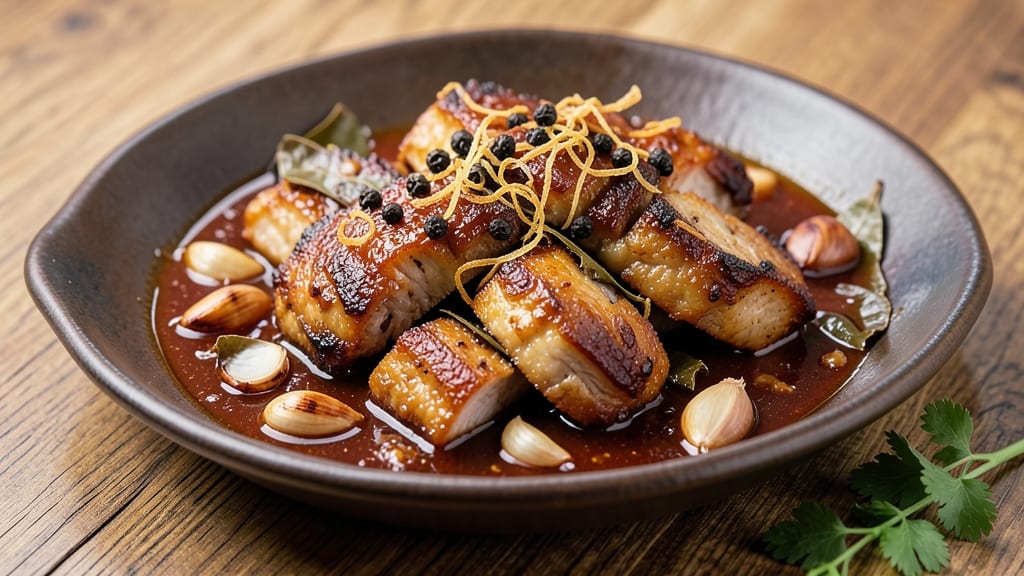
Panlasang Pinoy braised pork transforms tough pork shoulder into melt-in-your-mouth tenderness through slow simmering with Filipino spices—five-spice, black pepper, and bay leaf create that signature depth. This recipe captures the soul of Filipino home cooking, where rich flavors develop over hours, turning simple ingredients into something extraordinary. The secret lies in patience and layering aromatics that build complexity with every sip of the caramelized sauce.
What makes this braised pork special is its balance—sweet from brown sugar, savory from soy sauce, and umami from fish sauce—all harmonized by the slow cooking process. Unlike quick searing methods, this technique breaks down the meat fibers completely, resulting in fork-tender pieces that practically fall apart.
The sauce thickens beautifully, clinging to each bite while maintaining a perfect balance of sweetness and tang.
By the time you serve this dish, your kitchen will smell like a Filipino comfort food restaurant, and every forkful will deliver perfectly tender pork swimming in a glossy, aromatic sauce. The dish pairs effortlessly with steamed white rice, which soaks up every last drop of that flavorful braising liquid.
This is the kind of meal that makes weeknight dinners feel like a celebration.
The beauty of this recipe is its versatility—it reheats beautifully for leftovers, making it perfect for meal prep or feeding a crowd. Whether you're serving it at family gatherings or simply treating yourself to homemade Filipino flavors, this braised pork delivers restaurant-quality results with minimal effort. Let's get cooking!
Ingredients for braised pork recipe panlasang pinoy
Sixteen ingredients transform tough pork into restaurant-quality Filipino comfort food.
| Ingredient | Amount | Notes |
|---|---|---|
| Pork Shoulder 🍖 | 4 lb | Bone-in for maximum flavor |
| Filipino Five-Spice Powder 🌶️ | 2 tbsp | Store-bought or homemade blend |
| Black Peppercorns 🌶️ | 1 tbsp | Coarsely crushed for texture |
| Bay Leaves 🌿 | 4 whole | Dried, standard grocery store |
| Brown Sugar 🍯 | ½ cup | Light or dark, packed |
| Soy Sauce 🥫 | ½ cup | Filipino-style preferred |
| Fish Sauce 🐟 | 2 tbsp | Red Boat brand recommended |
| Garlic Cloves 🧄 | 8 cloves | Minced, fresh preferred |
| Onions 🧅 | 1 whole | Yellow, sliced into wedges |
| Canola Oil 🫒 | 2 tbsp | For initial searing |
| Water 💧 | 2 cups | Enough to cover pork |
| Salt 🧂 | 1 ½ tsp | Diamond Crystal preferred |
| White Vinegar 🍶 | 1 tbsp | For brightness |
| Green Onions 🧅 | 3 whole | Chopped, for garnish |
The pork shoulder is non-negotiable—bone-in cuts develop deeper flavor during the long braise. Look for well-marbled pieces at your local Filipino market or Asian grocery section, where they often carry premium cuts. Filipino five-spice powder (a blend of black pepper, cloves, cinnamon, and fennel) is the soul of this dish—Penang or Golden Mountain brands deliver authentic depth. If unavailable, substitute with 1 tsp each of ground cinnamon, cloves, and fennel seeds, toasted and ground. The bay leaves should be whole and aromatic; discard after cooking to avoid bitterness. For the brown sugar, pack it tightly—this ensures proper caramelization in the sauce.
No Filipino soy sauce? Japanese soy sauce works in a pinch, though it lacks the maltiness of the Pinoy version. Fish sauce is essential for umami—Red Boat or Tiparos are trusted brands, but any reputable brand will suffice. The garlic can be pre-minced from a jar, but fresh has superior flavor. Onions should be yellow, not red—they hold up better during long cooking. For canola oil, any neutral oil works, but avocado oil has a higher smoke point. The white vinegar adds brightness; apple cider vinegar is a good substitute. Green onions are purely decorative—skip if you prefer a cleaner presentation.
This dish tastes even better the next day, as flavors meld further. Store leftovers in an airtight container for up to 5 days in the fridge. For longer storage, freeze portions for up to 3 months. Reheat gently on the stove with a splash of water to restore moisture. The sauce thickens as it cools, so add a tablespoon of water when reheating if needed. Garnish with extra green onions and a sprinkle of Filipino five-spice powder for a restaurant-worthy finish. Serve with steamed jasmine rice to soak up every last drop of that caramelized sauce.
Why You'll Love This Recipe
- One-Pan Magic: Honestly, I can’t even call it cooking—just dump, simmer, and forget. The pork shoulder gets tender on its own while the spices work their magic, and that brown sugar? It caramelizes into a glossy, sticky blanket that’s chef’s kiss with zero effort.
- Spice Bomb Delight: Between us, Filipino five-spice powder is a game-changer—it’s nutty, peppery, and just sweet enough without overpowering. The black peppercorns add a hidden kick, and those bay leaves? They infuse the pork with earthy depth that makes every bite feel like a hug from your lola.
- Leftover Goldmine: This dish begs to be made extra—because reheated, it’s even better. I’ll be real: my freezer is packed with portions because it’s the ultimate lazy-day meal. Serve it cold with rice for a quick lunch or warm it up for dinner when you’re too tired to care.
- Budget-Friendly Hero: Pork shoulder is cheap, and this recipe stretches it into a feast. The spices cost pennies, the sugar adds richness, and you end up with enough for leftovers that’ll save you from takeout. Plus, it’s the kind of dish that makes you look like a cooking genius without breaking the bank.
Step-by-Step instructions for braised pork recipe panlasang Pinoy
This method delivers tender, fall-apart pork infused with deep Filipino flavors through precise technique.
Prep and Sear the Pork Shoulder
Pat the 4 lb pork shoulder dry with paper towels, removing any excess surface moisture. This ensures proper browning later. Place it fat-side up in a large Dutch oven or heavy pot, then heat the 2 tbsp canola oil over medium-high heat until shimmering.
Sear the pork for 8-10 minutes until deeply browned on all sides. I press down gently with a heavy skillet or meat mallet during the first minute to prevent curling and ensure even contact with the pan. This browning creates the flavor foundation for your braise. Remove the pork and set aside temporarily.
Build the Flavor Base
In the same pot, add the 8 cloves minced garlic and cook for 30 seconds until fragrant. Immediately add the 1 whole onion sliced into wedges and cook for 2 minutes until softened. Sprinkle in the 2 tbsp Filipino five-spice powder and 1 tbsp coarsely crushed black peppercorns, stirring constantly for 30 seconds to toast the spices.
Add the 4 whole bay leaves, 0.5 cup brown sugar, 0.5 cup soy sauce, and 2 tbsp fish sauce. Stir well to combine, scraping up any browned bits from the bottom of the pot. This deglazing captures all the meaty flavor that will infuse into your braise.
Braise Until Tender
Return the seared pork to the pot, fat-side up. Pour in the 2 cups water and add the 1.5 tsp salt and 1 tbsp white vinegar. Bring to a gentle simmer over medium heat, then reduce to low. Cover tightly with a lid and simmer for 2 hours, turning the pork occasionally to ensure even cooking.
Finish and Rest
After 2 hours, check for doneness by inserting a meat thermometer into the thickest part of the pork. It should read 200-205°F and the meat should pull apart easily with two forks. If needed, continue simmering uncovered for another 15-20 minutes to thicken the sauce.
Remove the pork and let it rest for 15 minutes before slicing. This resting period allows the juices to redistribute throughout the meat. Skim any excess fat from the braising liquid and adjust seasoning if needed. Serve the pork over steamed rice, spooning the rich braising liquid generously over the top. Garnish with the 3 whole chopped green onions just before serving.
Pro Tips For Making Braised Pork Recipe Panlasang Pinoy
- SEAR THE PORK FIRST: Don’t skip browning the pork shoulder—this isn’t just for flavor, it’s what keeps the meat tender. Use a heavy pot (like a Dutch oven) and let it develop a deep crust on medium-high heat for 8-10 minutes per side before adding liquids. I learned this the hard way when my first batch turned out chewy because I rushed to the braising step.
- CRUSH THE PEPPERCORNS: Whole black peppercorns won’t infuse properly—lightly crush them with the flat side of a knife before adding to the pot. This releases their oils and lets the aroma blend into the sauce, especially when simmering with the five-spice powder. (Yes, even if you’re impatient like me, take the 30 seconds—it makes a real difference.)
- CONTROL THE SIMMER: Braising isn’t boiling—keep the liquid at a gentle simmer (tiny bubbles at the edges) to avoid breaking down the pork’s collagen too fast. If it boils hard, cover and reduce heat immediately. My grandmother swore by this, and she was right: rushing the low-and-slow part turns the meat mushy instead of fork-tender.
- USE LESS SUGAR EARLY: Add only half the brown sugar during the initial searing—save the rest for the last 15 minutes of cooking. This prevents the sauce from caramelizing too soon and turning bitter. (Your future self will thank you when the glaze isn’t cloyingly sweet.)
Regional styles of this braised pork recipe panlasang pinoy
Classic Filipino Style
This version stays true to home-style Filipino cooking where the pork shoulder is braised with Filipino five-spice powder and fish sauce for that signature umami depth. The sauce is slightly sweet from brown sugar and balanced with white vinegar for brightness.
I always use Red Boat fish sauce for its clean, salty profile that doesn't overpower the dish. The key is slow simmering—2 hours minimum—until the meat becomes fork-tender and the sauce reduces to a glossy consistency. 🍖
Visayan-Inspired Variation
In Visayas, they often add shrimp paste (bagoong) for extra umami richness. Stir in 1 tbsp of shrimp paste along with the garlic and onions in Step 2. This variation works especially well with pork belly instead of shoulder for extra marbling.
The shrimp paste adds a funky, savory depth that pairs beautifully with the sweet-savory sauce. Look for bagoong isda (shrimp paste) in Asian markets or use anchovy paste as a substitute.
Manila Street Food Style
For a more casual, restaurant-style version, add 1 tbsp of calamansi juice (or lime juice) and 1 tsp of toasted sesame oil during the final 15 minutes of cooking. This gives the sauce a bright, citrusy finish that's popular in Manila street food stalls.
Garnish with crispy fried shallots on top for extra texture. The sesame oil adds a nutty aroma that complements the pork beautifully. I like to serve this version with garlic fried rice instead of plain white rice for a more dynamic meal.
Cebu-Style Sweet & Tangy
Cebuano cooks often make their braised pork sweeter and more tangy. After searing the pork, add 2 tbsp of muscovado sugar (or dark brown sugar) along with 1 tbsp of vinegar right at the beginning. This creates a caramelized sauce with deeper sweetness.
For extra tang, add 1 tbsp of tamarind paste when you return the pork to the pot. This version pairs perfectly with steamed bibingka (Filipino rice cake) for a festive touch.
Modern Fusion Twist
For a contemporary take, add 1 tsp of smoked paprika and ½ tsp of cinnamon to the five-spice blend. After braising, finish the sauce with 1 tbsp of honey and a splash of apple cider vinegar for a sweet-spicy balance.
Garnish with cilantro and toasted coconut flakes for a fusion of Filipino and Southeast Asian flavors. This version works beautifully with jasmine rice and a side of mango salsa for a refreshing contrast. 🌶️
Slow Cooker Adaptation
For hands-off cooking, transfer the seared pork and all ingredients to a 6-quart slow cooker after Step 2. Cook on LOW for 8 hours or HIGH for 5 hours. The slow cooker method is perfect for busy weeknights and delivers equally tender results. Just
Nutrition facts
Frequently asked questions
Can I use pork belly instead of pork shoulder?
Yes, pork belly works beautifully! The extra fat layers create a richer sauce, though you may need 10-15 extra minutes of braising time. For best results, score the belly in a diamond pattern before searing to help the fat render evenly. The skin will crisp up nicely during the braise, adding texture.
Why does my sauce turn out too thin?
This usually happens when the pork isn't seared properly or the liquid isn't reduced enough. For a thicker sauce, simmer uncovered for 10-15 minutes at the end, stirring occasionally. Alternatively, mix 1 tbsp cornstarch with cold water and stir it into the sauce during the final minutes of cooking.
How do I make this recipe healthier?
Swap the brown sugar for honey or maple syrup to reduce refined sugar, and use low-sodium soy sauce. For leaner meat, trim excess fat from the pork before searing. You can also add 1 cup of diced vegetables like carrots or bell peppers during the braising for extra nutrients without sacrificing flavor.
Can I prepare this ahead of time?
This dish tastes even better the next day as flavors deepen. Store leftovers in an airtight container in the fridge for up to 5 days. Reheat gently on low heat with a splash of water to restore moisture. For freezing, portion the pork and sauce separately for up to 3 months—reheat the sauce first, then add the pork.
What's the secret to perfectly tender pork?
The key is patience and proper technique. Sear the pork thoroughly first, then braise at a gentle simmer (small bubbles) for the full 2 hours. Avoid boiling, which can make the meat tough. The internal temperature should reach 200-205°F—this ensures the collagen breaks down completely for melt-in-your-mouth texture.