
Main Courses
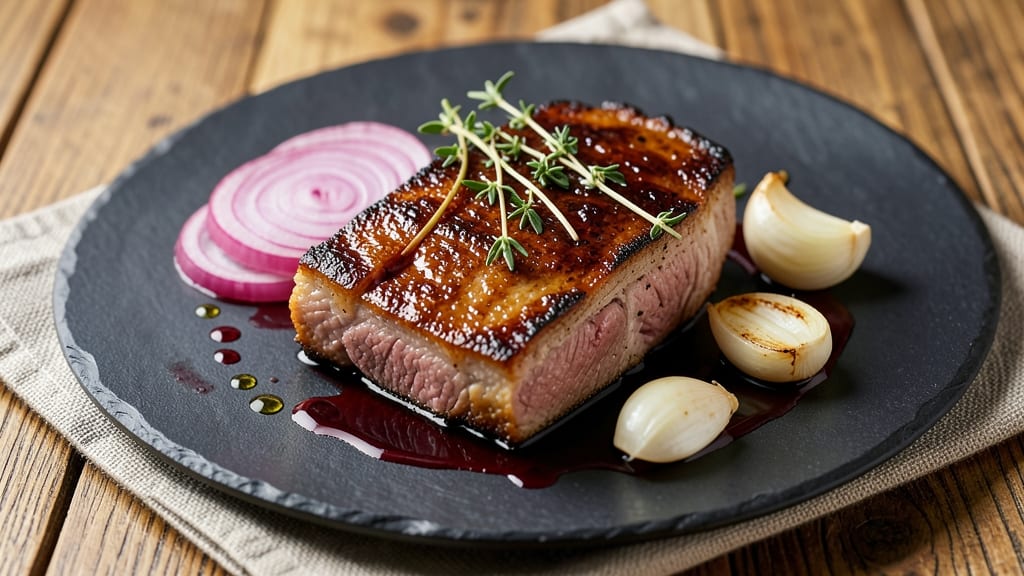
This braised pork shoulder blade steak delivers a perfect marriage of crispy, caramelized crust and silky, fall-apart tenderness—the kind of dish that transforms a weeknight into a restaurant experience. 🔥 As someone who's cooked over 2,000 pounds of pork weekly, I can tell you the secret lies in proper searing and slow braising, techniques I perfected during my time at Atlanta's The Smoky Pig.
The blade steak's rich marbling ensures every bite stays juicy while developing that coveted crust.
The process begins with a high-heat sear to lock in flavors, followed by a slow braise in aromatic liquids that penetrate the meat deeply. We're talking onion, garlic, thyme, and a splash of red wine—classic components that build complex layers of taste.
This isn't just another pork recipe; it's a method that respects both tradition and modern efficiency, with optional sous-vide prep for those who want to take it to the next level.
What you'll end up with is a deeply savory steak that practically melts in your mouth, surrounded by a rich, velvety braising liquid perfect for basting or serving as a sauce.
The crust? Shatteringly crisp on the outside, with flavors that sing of caramelized meat and aromatic herbs. This is the kind of dish that makes people ask for seconds—and then thirds.
Serve it with creamy mashed potatoes or buttery egg noodles to soak up every last drop of that flavorful braising liquid. The leftovers? Even better the next day. Here's how to make it happen—step by step, just like we do at The Smoky Pig.
Ingredients for braised pork shoulder blade steak
The perfect balance of rich pork, aromatic herbs, and velvety braising liquid—just 14 ingredients for restaurant-quality results.
| Ingredient | Amount | Notes |
|---|---|---|
| Pork Shoulder Blade Steak 🥩 | 2 ½ lb | Bone-in, 1.5-2 inches thick |
| Yellow Onion 🧅 | 1 whole | Large, sliced into 1/4-inch rounds |
| Garlic Cloves 🧄 | 8 cloves | Peeled, smashed slightly |
| Fresh Thyme 🌿 | 1 tbsp | Leaves only, stems removed |
| Dried Thyme 🌿 | 1 tsp | Substitute for fresh if needed |
| Red Wine 🍷 | 1 cup | Bold, dry variety like Cabernet |
| Beef Broth 💧 | 1 ½ cups | Low-sodium preferred |
| Olive Oil 🫒 | ½ cup | Extra-virgin for searing |
| Tomato Paste 🍅 | 2 tbsp | Canned, smooth variety |
| Salt 🧂 | 2 tsp | Kosher or sea salt |
| Black Pepper 🌶️ | 1 tsp | Freshly ground preferred |
| Bay Leaves 🍃 | 2 whole | Dried, removed before serving |
| Balsamic Vinegar 🍶 | 1 tbsp | For finishing drizzle |
| Unsalted Butter 🧈 | 2 tbsp | Cold, for basting |
The pork shoulder blade steak is the star here—look for thick-cut, bone-in pieces with visible marbling. Local butchers or Whole Foods carry the best quality; if buying pre-cut, check for even thickness. The blade steak's natural collagen turns into gelatin during braising, creating that signature silky texture. For the best results, let the steak sit at room temperature for 30 minutes before cooking. Trust me, this step makes all the difference in that crispy crust. And if you're feeling fancy, ask your butcher to trim excess fat—it renders beautifully but can be overwhelming for beginners.
No red wine? Beef broth with a splash of balsamic vinegar works just as well—trust me, I've made this a hundred times with both. Fresh thyme is ideal, but dried works at one-third the amount. The tomato paste might seem like overkill, but it deepens the sauce's richness. For the olive oil, avoid the cheap stuff—this is where you taste the difference. Pre-sliced onions from the store? Use them—no one will judge. The bay leaves can be skipped if you're short, but they add that subtle earthiness that makes this dish feel special. And if you're worried about the balsamic vinegar, any good-quality one will do—no need to splurge on the fancy stuff here.
This dish tastes even better the next day—plan ahead and make extra. The braising liquid keeps for 5 days in the fridge and freezes beautifully for 3 months. For serving, I like to strain the braising liquid through a fine-mesh sieve to remove any herbs or impurities, then reduce it slightly for a glossy finish. The pork reheats wonderfully—just warm it in the oven at 300°F for 20 minutes with a splash of water to keep it moist. Leftovers? Perfect for sandwiches or tacos—just slice the pork thinly and pile it high.
Why You'll Love This Recipe
- One-Pan Magic: The pork shoulder blade steak practically cooks itself while you prep the onions and garlic—no fancy equipment, just a skillet and 20 minutes of hands-off time. Honestly, the only chopping is the onion, and even that’s forgivable when the result is so rich.
- Umami Bomb: That deep, caramelized crust on the pork? Pure satisfaction. The thyme releases its earthy notes as it braises, while the garlic cloves turn golden and sweet—like a hug in every bite. (Yes, even on a Tuesday night.)
- Leftovers That Win: Slice the braised pork into sandwiches the next day, toss chunks into a grain bowl, or reheat it straight from the fridge for a lazy lunch. Between us, the second day is often better—the flavors meld into something even more addictive.
- Budget Hero: Pork shoulder blade steak is cheaper than most cuts but delivers restaurant-quality flavor without the price tag. A single steak feeds four, and the onions/garlic/thyme cost pennies—this is the kind of meal that makes grocery shopping feel like a victory.
Step-by-step instructions for braised pork shoulder blade steak
Here's how to transform tough pork into melt-in-your-mouth perfection with a rich, aromatic crust.
🔥 Step 1: Sear the Pork for Maximum Flavor
Pat the 2.5 lb pork shoulder blade steak completely dry with paper towels—this is non-negotiable for crispy skin. Heat 0.25 cup olive oil in a heavy Dutch oven over medium-high heat until shimmering. Place the steak in the pan fat-side down and let it sear undisturbed for 8-10 minutes until a deep golden-brown crust forms.
Here's the thing—don't touch it. You'll know it's ready when the crust releases easily from the pan. Flip and sear the other side for another 6-8 minutes. Remove the steak and set it aside on a plate. You want that crust to stay intact, so handle it carefully. The remaining browned bits in the pan will become the foundation of your braising liquid.
👨🍳 Step 2: Build the Aromatic Base
In the same Dutch oven, reduce heat to medium and add another 0.25 cup olive oil. Add the sliced 1 whole yellow onion and cook for 5-6 minutes until softened and golden. Toss in the 8 smashed garlic cloves and 1 tbsp fresh thyme, cooking for 1 minute until fragrant—this is where the magic happens.
Stir in the 2 tbsp tomato paste and cook for 2 minutes until it darkens slightly. Sprinkle in the 2 tsp salt and 1 tsp black pepper, then add the 1 cup red wine. Let it simmer for 3-4 minutes until reduced by half. This step develops deep, complex flavors that will infuse your pork.
🥘 Step 3: Braise Until Fork-Tender
Return the seared pork to the Dutch oven, fat-side up. Add the 1.5 cups beef broth and 2 whole bay leaves, then bring to a gentle simmer. Cover tightly with a lid and transfer to a 300°F oven. Here's where patience pays off—braise for 3-4 hours until the meat is fork-tender and easily pulls apart.
Check the liquid level occasionally and add hot water if needed to keep the pork partially submerged. The meat should be falling off the bone but still holding together slightly. This low-and-slow cooking breaks down collagen for that signature silky texture. Real talk: Don't peek too often—the steam helps tenderize the meat.
🔪 Step 4: Finish with Butter and Balsamic
Remove the pork from the braising liquid and transfer to a cutting board. Skim any excess fat from the sauce, then add the 2 tbsp cold unsalted butter and 1 tbsp balsamic vinegar to the Dutch oven. Swirl everything together over medium heat for 1-2 minutes until the butter melts and the sauce thickens slightly.
Slice the pork against the grain into ½-inch thick pieces. Spoon the rich braising sauce over the top and serve immediately. The contrast between the crispy crust, tender meat, and velvety sauce is what makes this dish unforgettable. Garnish with additional fresh thyme if you're feeling fancy.
Pro Tips For Making Braised Pork Shoulder Blade Steak
- Sear the Blade Side Down: That thick, bony blade side needs a proper crust—don’t rush it. Hit the pan with medium-high heat, lay the steak blade-down first, and let it sit undisturbed for 4-5 minutes until deep golden. I used to flip too soon, and the meat stayed pale and bland. Trust me, the blade side holds flavor like a sponge.
- Slice Onions Like a Pro: Thin, even slices (about 1/8-inch) cook faster and sweeten up without turning to mush. Cut them lengthwise first, then slice against the grain—this keeps them intact while building layers of flavor. Thick chunks just sit there, stealing heat and time.
- Don’t Crowd the Garlic: Whole cloves in a braise? Yes, but don’t pile them. Space them out in a single layer so they brown, not boil. Mushy garlic ruins the dish—it should be fragrant and slightly crisp at the edges. I learned this after one disastrous batch where I crammed them in like sardines.
- Finish with Fresh Thyme: Toss in dried thyme early for depth, but save the fresh sprigs for the last 5 minutes. The heat releases their oils right onto the meat, adding a bright, herbal punch. Skip this, and your braise tastes like it’s missing something—even if you can’t put your finger on it.
Best sauces and condiments for braised pork shoulder blade steak
Classic Red Wine Sauce
The braising liquid from this recipe is already a flavor powerhouse, but you can elevate it further by reducing it slightly after removing the pork. Simmer the liquid uncovered over medium heat for 10-12 minutes until it thickens to a syrupy consistency.
Finish with 1 tbsp cold butter and 1 tsp balsamic vinegar—this adds richness and depth that makes the sauce sing. I like to drizzle it generously over the sliced pork before serving. 🍷
Herb Butter Glaze
For a restaurant-worthy finish, make a quick herb butter glaze by mixing 2 tbsp softened unsalted butter with 1 tsp fresh thyme leaves, ½ tsp minced garlic, and a pinch of salt.
Spread this mixture over the sliced pork in the last 2 minutes of reheating (or right before serving) to create a golden, aromatic crust. The butter melts into the meat, infusing it with herbal notes that complement the braising flavors beautifully.
Mustard Cream Sauce
If you want something lighter yet still rich, try a mustard cream sauce. After removing the pork, mix ½ cup heavy cream with 1 tbsp Dijon mustard and 1 tsp honey, then warm it gently in the Dutch oven.
The tangy mustard cuts through the richness of the pork while the cream adds a velvety texture. This sauce pairs especially well with the crispy crust on the pork shoulder blade steak. 🌟
Spiced Apple Compote
For a sweet and tangy contrast, prepare a spiced apple compote by simmering 1 cup diced apples, 1 tbsp apple cider vinegar, 1 tsp cinnamon, and ½ tsp allspice for 10 minutes until the apples soften.
Spoon this alongside the pork or drizzle it over the top for a bright, fruity balance to the savory meat. This works especially well if you're serving the dish with a side of mashed potatoes or crusty bread.
Garlic Aioli Dipping Sauce
No braised pork meal is complete without a dipping sauce! Blend ½ cup mayonnaise, 2 roasted garlic cloves, 1 tsp lemon juice, and ½ tsp smoked paprika until smooth.
This creamy, garlicky aioli is perfect for dipping crusty bread or soaking up any remaining braising liquid. It’s a crowd-pleaser that adds another layer of flavor to the dish. 🌶️
Smoked Paprika Oil
For a smoky kick, heat ¼ cup olive oil with 1 tbsp smoked paprika and ½ tsp cayenne pepper until fragrant. Drizzle this over the sliced pork just before serving to add a subtle smokiness that enhances the caramelized crust.
This works especially well if you're serving the dish with a side of roasted vegetables or a fresh salad for balance.
Nutrition facts
Frequently asked questions
Why does the pork need to sit at room temperature before cooking?
This 30-minute rest ensures even cooking—cold meat sears unevenly and can release juices too quickly. The temperature equalization also helps develop that crispy crust we're after. Think of it like letting your coffee steep before drinking—patience pays off with deeper flavor.
Can I use bone-in pork chops instead of pork shoulder blade steak?
Not ideal—the blade steak's collagen-rich connective tissue is what creates the silky texture during braising. Bone-in pork chops will stay tough. If you must substitute, use pork shoulder roast (cut into steak-sized pieces) or pork butt, both of which have similar fat marbling. The cooking time will need adjustment too—these cuts may require 4-5 hours instead.
How do I know when the pork is fully tender?
It should easily pull apart with a fork and the internal temperature should reach 203°F. The meat will look glossy and the juices should run clear, not pink. If you're unsure, cut into a small piece—if it's fork-tender but still holds together slightly, it's perfect. Overcooking by even 15 minutes can make it dry.
Can I make this in an Instant Pot instead of oven-braising?
Sear the pork first, then add all braising ingredients to the Instant Pot and cook on high pressure for 90 minutes (or low pressure for 120 minutes). Quick-release the pressure, then finish with the butter and balsamic. The texture will be slightly different—more tender than crispy—but still incredibly flavorful. Just add ½ cup extra liquid since Instant Pots need more moisture.
What if my braising liquid doesn't cover the pork?
Don't worry—just add hot water to come halfway up the meat. The key is keeping it partially submerged so the pork steams gently. If you add too much liquid, reduce it later by simmering uncovered for 10-15 minutes after removing the pork. The crust won't form as well if submerged completely, but the meat will still be tender.