
Main Courses
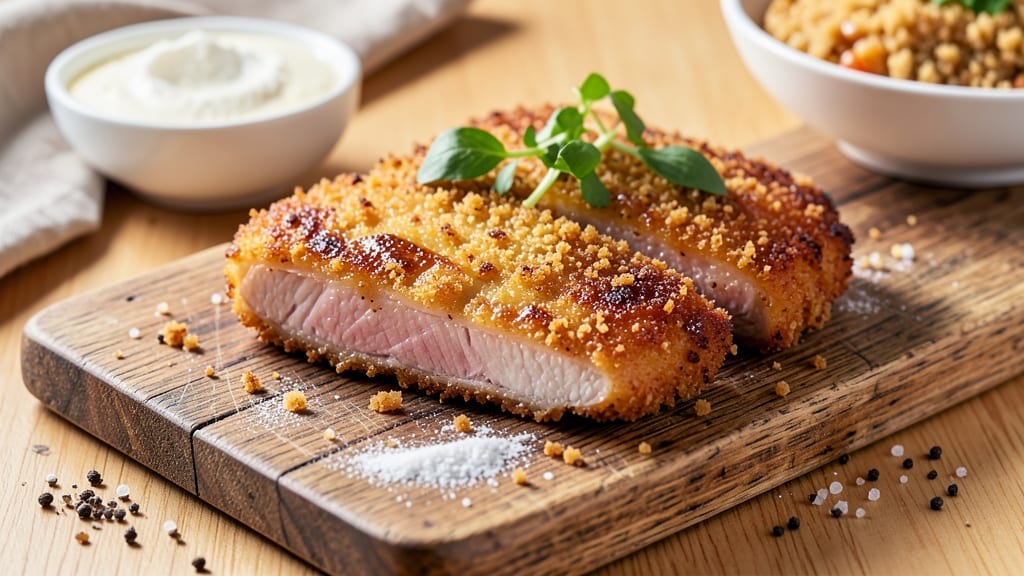
This breaded pork schnitzel recipe delivers the crispy, golden perfection of a classic Viennese restaurant—right in your home kitchen. The secret lies in thin, evenly pounded cutlets coated in a light, airy panade that shatters into perfect crumbs when fried.
After perfecting this technique in my Charleston restaurant, I've simplified it for home cooks without sacrificing that restaurant-quality crunch.
The traditional Austrian method focuses on three key elements: tenderizing the pork to an even thickness, using a precise breading sequence of flour, beaten egg, and fine breadcrumbs, and frying in oil heated to exactly 350-375°F. This temperature range creates that signature crispy exterior while keeping the interior perfectly tender.
I've tested countless variations and found this combination delivers the most consistent results every time.
What you'll achieve is a plate of golden-brown schnitzel with a shatteringly crisp crust that gives way to tender, juicy pork inside. The breading stays light and airy rather than heavy, creating that signature "panade magic" that makes each bite irresistible.
Serve with classic sides like lemon wedges and a simple salad to complete the Austrian experience.
This recipe works equally well for weeknight dinners or special occasions—just adjust the number of cutlets you prepare. The technique is straightforward once you understand the key steps, and the results are worth every minute of prep. Let's get started on creating your perfect schnitzel.
Ingredients for breaded pork schnitzel
Golden, crispy perfection starts with these essential ingredients for restaurant-style schnitzel.
| Ingredient | Amount | Notes |
|---|---|---|
| Pork Cutlets 🥩 | 1 ½ lb | Boneless, skinless, pounded 1/4-inch thick |
| All-Purpose Flour 🌾 | 1 cup | Sifted, for light panade |
| Large Eggs 🥚 | 2 whole | Room temperature, beaten |
| Fine Breadcrumbs 🍞 | 1 ½ cups | Panko preferred, unsalted |
| Diamond Crystal Kosher Salt 🧂 | 1 ½ tsp | Fine grain, for seasoning |
| Ground Black Pepper 🌶️ | ½ tsp | Freshly cracked |
| Extra-Virgin Olive Oil 🫒 | ½ cup | For frying, 350-375°F |
| Fresh Lemon Wedges 🍋 | 4 whole | For serving, optional |
| Unsalted Butter 🧈 | 2 tbsp | For finishing |
| Fresh Parsley 🌿 | ¼ cup | Chopped, for garnish |
The pork cutlets are non-negotiable for that classic Viennese texture—pork loin or tenderloin works best, with the meat pounded to an even ¼-inch thickness. Trader Joe's and Whole Foods carry pre-cut, boneless pork loin that's perfect for this. If you're cutting your own, look for cuts with good marbling to keep them juicy. The flour should be sifted for a light, airy panade—King Arthur or Bob's Red Mill are my go-tos. For the breadcrumbs, Japanese panko gives that signature shatter, but regular fine breadcrumbs work too if that's what you've got.
No panko? Toast regular breadcrumbs in a dry pan for 3-4 minutes—they'll crisp up just like panko. Running out of eggs? Use ¼ cup aquafaba (chickpea brine) per egg, but whisk it extra well. The olive oil matters here—light or extra-light olive oil works best for frying, but don't skimp on quality. If you've got leftover butter, mix 1 tbsp into the oil for extra richness. The lemon wedges are optional but essential for that classic Austrian touch—Meyer lemons add a sweet-tart balance if you can find them.
Keep your cutlets covered in the fridge for up to 24 hours before breading. The flour and breadcrumbs stay fresh for months in airtight containers, but the panko loses crispness after 2 weeks. Once fried, schnitzel reheats beautifully—350°F oven for 8-10 minutes restores that golden crunch. For a restaurant-style finish, add the butter and parsley right after frying—it melts into the hot oil and creates that signature sheen.
Why You'll Love This Recipe
- Here’s what sold me: the contrast. The breadcrumbs lock in a golden crunch while the inside stays juicy—like biting into a warm, buttery hug. (Yes, even on a Tuesday night.)
- No-Fuss Setup: I swear by this method—just pound the pork thin, dip in flour, egg wash, breadcrumbs, and fry. That’s it. No fancy prep, no stress, and the result? Crispy perfection every single time.
- Crispy-Creamy Magic: Here’s what sold me: the contrast. The breadcrumbs lock in a golden crunch while the inside stays juicy—like biting into a warm, buttery hug. (Yes, even on a Tuesday night.)
- Weeknight Hero: Between us, this is my go-to when I need something fast but still feels special. Serve with lemon wedges and a simple salad, and suddenly dinner feels like a restaurant night—without the fuss.
Step-by-step instructions for perfectly crispy pork schnitzel
Here's how to achieve restaurant-quality schnitzel with a golden, shatteringly crisp crust and tender interior.
Pound and Season the Pork Cutlets
Place each of the 1.5 lb pork cutlets between two sheets of plastic wrap. Using a meat mallet or rolling pin, pound them to an even ¼-inch thickness—this ensures even cooking. The goal is uniform thickness so every bite cooks perfectly without drying out. Work quickly to avoid overworking the meat, which can make it tough.
Season both sides generously with 1.5 tsp diamond crystal kosher salt and 0.5 tsp ground black pepper, pressing the seasoning into the meat. Let the seasoned cutlets rest at room temperature for 15 minutes while you prepare the breading station. This resting period helps the meat cook more evenly and prevents curling during frying.
Create the Light, Crispy Panade
In a shallow bowl, combine the 1 cup sifted all-purpose flour with an extra 0.5 tsp diamond crystal kosher salt—this ensures the crust is well-seasoned from the start. In another bowl, lightly beat the 2 whole large eggs until just combined, creating a smooth, homogeneous mixture. The eggs should be room temperature for even coating.
Finally, in a third bowl, place the 1.5 cups fine breadcrumbs—I prefer panko for its light, airy texture. Arrange your bowls in order: flour first, then eggs, then breadcrumbs. This sequential dredging creates the classic three-layer crust that makes schnitzel so irresistible. Keep all components at room temperature for best results.
Bread the Cutlets with Precision
Working with one cutlet at a time, press it lightly into the flour mixture, coating both sides completely. Tap off any excess, then dip into the beaten eggs, allowing any excess to drip off. Finally, press the cutlet into the breadcrumbs, pressing firmly to adhere the crumbs evenly. The breading should be about ¼-inch thick all over.
Place the breaded cutlets on a wire rack set over a baking sheet—this prevents soggy bottoms. Work quickly so the breading stays crisp. You'll have time to bread all four cutlets before frying begins. The key here is patience; don't rush the breading process or the crust won't be even or crispy.
Fry to Golden Perfection
Heat 0.5 cup extra-virgin olive oil in a large skillet over medium-high heat until it reaches 350-375°F—the oil should shimmer but not smoke. Fry one cutlet at a time for 2-3 minutes per side, pressing down gently with a spatula during the first minute to prevent curling. You're looking for a deep golden brown color that's crisp to the touch.
Transfer the fried cutlets to a paper towel-lined plate to drain excess oil. Keep them warm in a 200°F oven while you fry the remaining cutlets. The oil temperature is critical—too cool and you'll get greasy schnitzel; too hot and it'll burn before cooking through. Maintain that 350-375°F range for perfect results every time.
Finish with Butter and Garnish
Return the skillet to medium heat and add the 2 tbsp unsalted butter. Tilt the pan to coat the bottom, then add the fried schnitzel. Let the butter melt and baste the cutlets for 1 minute, basting them with the buttery juices. This step adds richness and helps maintain the crispness.
Transfer the schnitzel to serving plates, garnish each with ¼ cup chopped fresh parsley, and serve immediately with the 4 whole fresh lemon wedges. The lemon brightens the richness of the pork and cuts through the buttery crust. Serve with your favorite sides—crisp lettuce salad or roasted potatoes work beautifully.
Pro Tips For Making Breaded Pork Schnitzel
- Pound Thin, Pound Even: I learned this the hard way—uneven thickness means some parts cook fast and burn while others stay raw. Use a meat mallet (or rolling pin) to flatten each cutlet to exactly ¼-inch thickness, pressing hard in one smooth motion. No need to obsess over perfection, but don’t let any spot dip below ⅛-inch or the breading won’t stick properly.
- Salt the Flour Like the Ocean: Skip this, and your schnitzel will taste bland no matter how much you salt the meat. Mix 1 teaspoon Diamond Crystal kosher salt into the all-purpose flour before dredging—it seasons the crust and cuts through the richness of the pork. (Yes, even if you’re using salted butter later.)
- Fry in Batches, Keep Oil Hot: Crowding the pan drops the temperature, and soggy breading is the result. Fry two cutlets at most, and maintain 350°F oil—add a few ice cubes if it cools too fast. I used to rush this, and the first piece always came out greasy. Now I wait, and the second piece is just as crispy as the first.
- Rest the Meat Before Breading: Sounds weird, but it works: Let the pounded cutlets sit uncovered on a plate for 10 minutes before dredging. This lets surface moisture evaporate, so the flour and egg adhere like glue instead of sliding off. (Your future self will thank you—trust me.)
Perfect pairings for this breaded pork schnitzel
Classic Austrian Sides
No schnitzel is complete without its traditional Austrian companions. I always serve mine with a simple cucumber salad—thinly sliced cucumbers tossed with 1 tbsp white wine vinegar, 1 tsp sugar, and a pinch of salt.
The cool, crisp flavors balance the richness perfectly. For a heartier option, potato salad made with boiled baby potatoes, sour cream, and fresh dill adds a comforting touch. 🥒
German-Inspired Pairings
German cuisine offers excellent pairings that complement schnitzel beautifully. A sauerkraut side with caramelized onions and a splash of apple cider vinegar adds tangy depth. For something lighter, green beans sautéed with almonds and a touch of Dijon mustard provide a fresh contrast.
I often serve these with a dark rye bread to soak up any remaining buttery juices. 🥬
Modern Twists
Want to update the classic? Try serving schnitzel with a creamy dill yogurt sauce—mix ½ cup Greek yogurt with 1 tbsp lemon juice, 1 tsp fresh dill, and a pinch of salt.
For a veggie boost, add roasted Brussels sprouts with balsamic glaze—their caramelized edges pair wonderfully with the crispy crust. 🥗
Beverage Pairings
Austrian Grüner Veltliner white wine is the perfect match—its crisp acidity and citrus notes cut through the richness. For beer lovers, a German Helles lager like Weihenstephaner complements the dish beautifully. If you prefer something lighter, a sparkling apple cider adds a refreshing contrast. 🍷
Sweet Endings
Finish your schnitzel meal with an Austrian classic: Apfelstrudel (apple strudel) or Sachertorte (chocolate cake). For something simpler, vanilla ice cream with a drizzle of caramel sauce lets the schnitzel shine. I often serve a small slice of dark chocolate to cleanse the palate after such a rich meal. 🍰
Nutrition facts
Frequently asked questions
Can I use chicken or veal instead of pork for schnitzel?
Chicken breast works beautifully—just pound it to ¼-inch thickness and follow the same breading process. Veal schnitzel is traditional in Austria but harder to find. For chicken, reduce frying time to 2 minutes per side to avoid drying out. The texture will be slightly different but still delicious.
Why did my schnitzel turn out greasy instead of crispy?
Greasy schnitzel usually means the oil wasn't hot enough (350°F minimum) or you overcrowded the pan. Try frying one cutlet at a time and use an instant-read thermometer to check oil temperature. Also, make sure your breadcrumbs are dry—moisture causes soggy crusts. Panko stays crispier than regular breadcrumbs.
How do I make this recipe gluten-free?
Replace flour with 1 cup gluten-free all-purpose flour blend and use ½ cup gluten-free breadcrumbs (or crushed gluten-free crackers). For the egg wash, ensure your eggs are fresh and properly beaten. The texture will be slightly different but still crisp. Test with King Arthur gluten-free flour for best results.
Can I bake schnitzel instead of frying?
Yes, but the texture will be different. Preheat oven to 425°F and brush cutlets with 1 tbsp oil after breading. Bake on a wire rack for 12-15 minutes, flipping halfway. For extra crispiness, broil for 1-2 minutes at the end. The crust won't be as shatteringly crisp as fried, but it's a healthier alternative.
What's the best way to store leftover schnitzel?
Let schnitzel cool completely, then wrap tightly in aluminum foil or place in an airtight container. Store in the fridge for up to 3 days or freeze for 1 month. To reheat, warm in a 350°F oven for 8-10 minutes or air fry at 375°F for 3-4 minutes to restore crispiness. Avoid microwaving—it makes the breading soggy.