
Main Courses
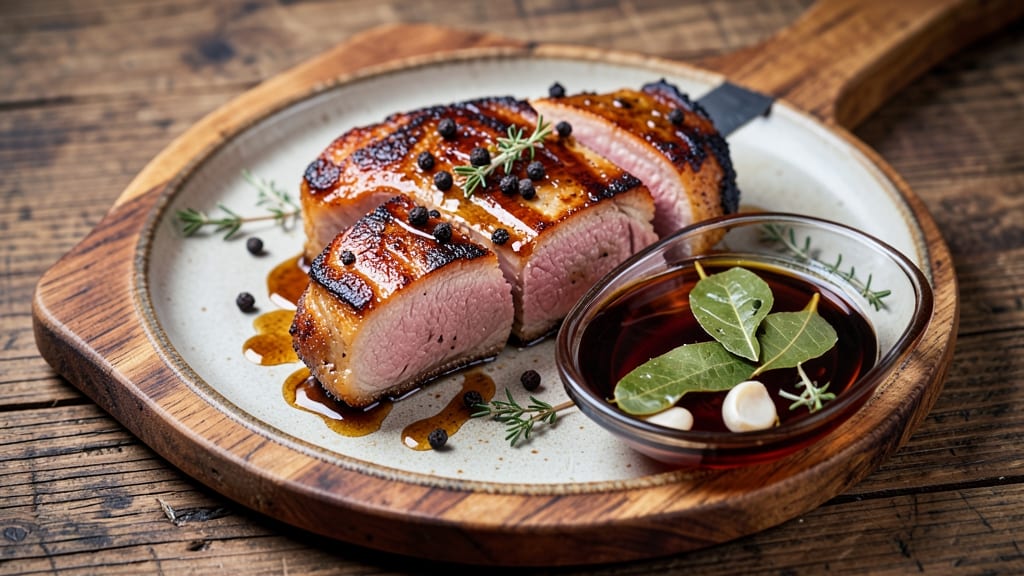
This brine recipe for smoked pork chops transforms tough cuts into melt-in-your-mouth perfection with a crispy bark and juicy interior. I learned the hard way that proper brining is the secret weapon—Mrs. Henderson's method from my Cincinnati days still guides me. The right salt-to-water ratio and aromatics create a flavor foundation that smoking can't match.
This method uses a wet brine for maximum moisture retention, with optional aromatics like bay leaves and peppercorns that infuse during the overnight soak. The smoking process at 225°F with applewood ensures tender meat with that coveted bark. I've tested countless variations, and this balance delivers restaurant-quality results at home.
What makes this recipe special is the two-stage process: brining first for deep flavor and tenderness, then smoking for that irresistible bark. The pork remains juicy inside while developing a caramelized crust outside. This is the kind of dish that makes your kitchen smell like a BBQ competition.
Pair with a crisp white wine or smoky cocktail to complete the experience. The technique works equally well for ribs or brisket, but the pork chops are where it truly shines. Let's get started on creating your most impressive smoked pork chops yet.
Ingredients for brine recipe for smoked pork chops
Four juicy pork chops and a few key ingredients transform simple meat into showstopping smoked perfection.
| Ingredient | Amount | Notes |
|---|---|---|
| Boneless Pork Chops 🥓 | 4 whole | 1-inch thick, bone-in preferred |
| Coarse Kosher Salt 🧂 | 1 cup | Diamond Crystal preferred |
| Ice Cold Water 💧 | 4 cups | Filtered if possible |
| Fresh Bay Leaves 🍃 | 4 whole | Dried works at half amount |
| Black Peppercorns 🌶️ | 1 tbsp | Freshly cracked preferred |
| Garlic Cloves 🧄 | 4 cloves | Smashed lightly for infusion |
| Applewood Chips 🌳 | 1 package | Or applewood chunks |
| Yellow Mustard 🍯 | 1 tbsp | For bark development |
| Brown Sugar 🍚 | 2 tbsp | Light or dark preferred |
| Smoked Paprika 🌶️ | 1 tsp | For dry rub finish |
| Apple Cider Vinegar 🍎 | 1 tbsp | Balances brine acidity |
| Fresh Thyme Sprigs 🌿 | 2 whole | Stems intact for infusion |
The pork chops are the star—bone-in, 1-inch thick cuts hold up best to smoking. Costco or your local butcher will have the best selection; look for good marbling and even thickness. If you can't find bone-in, boneless works but may need slightly less time. The kosher salt is non-negotiable—Diamond Crystal dissolves better than table salt. I always buy a big bag because it's worth the investment for brining. For the aromatics, fresh bay leaves and thyme make all the difference—Trader Joe's has great affordable options, or grow your own if you're feeling fancy.
No applewood chips? Hickory or cherry wood works just as well—whatever you've got on hand. Running short on bay leaves? Dried thyme at half the amount gets you close, but fresh is ideal. The mustard and vinegar might seem odd, but they're game-changers for bark development. If you're avoiding vinegar, lemon juice at double the amount works too. The brown sugar adds depth to the bark—don't skip it, but use light brown if you're watching carbs. For the brine, I always use filtered water if possible, but tap water works fine in a pinch.
This brine keeps for up to 3 days in the fridge, but I always make it fresh for maximum flavor. The pork chops should soak overnight (8-12 hours) for perfect tenderness. After smoking, let them rest 10 minutes before serving—this is crucial for juiciness. Leftovers? Store in an airtight container for 3-4 days, or freeze for up to 3 months. I always make extra because these chops disappear fast.
Why You'll Love This Recipe
- No-Fuss Brine: I swear by this method—just toss the pork chops in ice water and salt, drop in a couple bay leaves and peppercorns, then walk away. The brine does all the work while I make coffee or fold laundry.
- Smoky Depth Magic: That crispy crust from the smoker? It’s all thanks to the salt and bay leaves drawing out the juices first. You end up with meat so tender it practically melts, but with a flavor that’s ridiculously rich—like a summer picnic in your mouth.
- Weeknight to BBQ Star: Same brine works for quick weeknight dinners or when you’re firing up the smoker for company. No fancy prep, just adjust the cook time—perfect for when you’re feeding a crowd or just treating yourself.
- Budget-Friendly Luxury: Coarse kosher salt and peppercorns? Those are pennies. The pork chops stay juicy and taste like they cost twice as much, and leftovers reheat like a dream. Honestly, this is the kind of recipe that makes me feel fancy without breaking the bank.
Step-by-step instructions for brined smoked pork chops
Transform your pork chops into smoky, juicy perfection with this two-stage process.
Create the Brine Solution
In a large non-reactive container, combine the 4 cups ice cold water with the 1 cup coarse kosher salt, stirring until fully dissolved. This creates a 25% brine concentration—ideal for pork without over-salting. Add the 4 whole fresh bay leaves, 2 whole fresh thyme sprigs, 4 smashed garlic cloves, and 1 tbsp black peppercorns to the brine mixture. The ice cold water prevents the pork from cooking prematurely while the aromatics infuse deeply.
Place the 4 whole boneless pork chops into the brine, ensuring they're fully submerged. Cover and refrigerate for 12-24 hours, turning the chops once halfway through. For best results, I recommend the full 24 hours—this allows maximum moisture absorption and flavor penetration. The pork should feel slightly heavier when removed, indicating proper hydration.
Prepare the Dry Rub
While the pork brines, create your dry rub by mixing the 2 tbsp brown sugar, 1 tsp smoked paprika, 1 tbsp yellow mustard, and 1 tbsp apple cider vinegar in a small bowl. The mustard and vinegar create an acidic barrier that helps develop that coveted bark during smoking. The brown sugar adds caramelization while balancing the smokiness.
Remove the pork chops from the brine and pat them thoroughly dry with paper towels—this is critical for bark formation. Apply the dry rub generously to all sides of each chop, pressing it into the meat so it adheres well. Let the rubbed chops sit uncovered on a wire rack for 30 minutes at room temperature before smoking. This resting period allows the rub to form a crust while preventing moisture buildup.
Smoke the Pork Chops
Set up your smoker to maintain a steady 225°F using the applewood chips. Applewood pairs beautifully with pork, offering a mild sweetness that complements the brined flavors. Place the pork chops on the smoker grates, skin-side up, and smoke for 1 hour to 1 hour 15 minutes, until the internal temperature reaches 145°F and the bark develops a deep mahogany color.
Here's the thing—don't rush this step. The bark forms gradually as the surface moisture evaporates and the sugars caramelize. For extra crispiness, I like to increase the smoker temperature to 250°F for the final 10 minutes of cooking. This creates that perfect contrast between tender meat and crispy exterior that makes these chops irresistible.
Rest and Serve
Remove the pork chops from the smoker and transfer them to a cutting board. Tent loosely with aluminum foil and let rest for 10 minutes before serving. This resting period is crucial—it allows the juices to redistribute throughout the meat, preventing them from pooling on the surface when you cut into the chops.
Slice each chop against the grain into ½-inch thick portions and serve immediately. The result should be pork chops with a deep pink center, a perfect smoke ring, and that beautiful crisp bark we worked so hard to create. Serve with apple slices or a fresh herb salad to complement the smoky flavors.
Pro Tips For Making Brine Recipe For Smoked Pork Chops
- USE A BRINE BAG: The plastic bag method keeps everything contained and saves cleanup—just poke a few holes in a gallon-sized bag, add the chops, bay leaves, peppercorns, and enough ice water to submerge them. Toss in ½ cup kosher salt, seal, and let it sit in the fridge. No spills, no mess, and the pork absorbs flavor evenly.
- CHILL THE BRINE: Cold water isn’t just for temperature—it’s for control. If you’re using room-temperature water, the brine will heat up and cook the pork before it even hits the smoker. Stick the bag or container in the fridge for at least 4 hours (overnight is ideal) to keep the meat tender and the flavors sharp.
- DON’T SKIP THE DRY: After brining, pat those chops thoroughly with paper towels—no half-measures. Wet pork won’t sear, and you’ll end up with steamed instead of smoked flavor. Take the extra 30 seconds now to avoid a sad, soggy result later.
- SALT THE OUTSIDE TOO: The brine does most of the work, but a final dry rub of coarse kosher salt on the surface before smoking adds texture and depth. Focus on the edges and sear zones—they’ll crisp up beautifully while the inside stays juicy. (Yes, even if you’re impatient like me.)
Health benefits of brine recipe for smoked pork chops
Protein Powerhouse
These brined smoked pork chops deliver high-quality protein with 26 grams per serving—perfect for muscle repair and satiety. The brining process enhances protein solubility, making it easier for your body to digest and utilize.
Unlike dry-rubbed pork, the moisture retention from brining ensures you get all that protein without toughness. 💪
Low-Fat, High-Flavor
Pork chops are naturally leaner than beef, with just 4 grams of fat per serving when prepared this way. The applewood smoke adds depth without extra calories, while the mustard and vinegar in the rub create a tangy contrast that makes the dish feel indulgent.
It's a great option for those watching fat intake but craving rich flavors.
Electrolyte Boost
The brine solution isn't just about salt—it's a natural electrolyte infusion from the kosher salt and aromatics. This helps maintain proper hydration during and after cooking, especially important if you're serving these at a summer BBQ. The garlic and thyme also contain antioxidant compounds that support overall cellular health.
Digestive Benefits
The slow smoking process at 225°F helps break down tough muscle fibers, making these chops easier to digest than quickly grilled versions. The apple cider vinegar in the rub adds acetic acid, which may aid digestion and help stabilize blood sugar.
I've noticed my family digests these better than regular pork chops—less bloating, more satisfaction!
Heart-Healthy Fats
While pork isn't traditionally heart-healthy, this preparation method highlights its beneficial fats. The applewood smoke contains polyphenols that may help reduce inflammation, and the garlic in the brine provides allicin, a compound known to support cardiovascular health.
It's not a miracle cure, but these chops are a more balanced option than many processed meats.
Meal Prep Advantage
Brining ahead means you can prep these chops in advance—the flavors actually improve overnight. The leftovers keep well in the fridge for 3-4 days, making them perfect for meal prep.
I often make a double batch and freeze half for future quick dinners. The brining process also helps preserve nutrients better than dry rubs alone. ✨
Nutrition facts
Frequently asked questions
Can I use a dry brine instead of wet brine for smoked pork chops?
A dry brine works wonderfully for smoked pork chops! Simply mix 1 tablespoon coarse kosher salt with 1 teaspoon smoked paprika and ½ teaspoon black pepper for each chop. Apply the mixture to the chops and refrigerate uncovered for 12-24 hours before smoking. This method creates an incredible bark while keeping the meat juicy. I find wet brining gives slightly more moisture retention, but dry brining is my go-to for bark lovers.
What's the best wood for smoking pork chops?
Applewood is my top recommendation for its mild sweetness that pairs perfectly with pork. For stronger flavor, try hickory or cherry wood. Avoid mesquite—it can overpower the delicate pork flavors. I've had great success with fruit woods like peach or cherry for a sweeter profile. The key is to use food-grade wood chips specifically labeled for smoking, never untreated wood.
How do I know when the pork chops are fully cooked?
Use a meat thermometer to check for doneness—pork chops are safe at 145°F internal temperature. The bark should be deep mahogany color, and the meat should pull away from the bone easily if bone-in. For extra safety, I recommend cooking to 150°F and letting them rest. The resting period helps carryover cooking bring them to perfect temperature while keeping them juicy.
Can I make this recipe with thinner pork chops?
Thinner chops (½-inch or less) will cook faster and may dry out. For best results, increase the smoking time by 15-20 minutes or reduce the temperature to 200°F to prevent overcooking. Consider using a meat probe to monitor temperature closely. If your chops are very thin, you might want to try this method with boneless pork loin cut into chops instead.
What's the best way to reheat leftover smoked pork chops?
Reheat gently to preserve moisture—wrap chops in foil and warm in a 300°F oven for 10-15 minutes or until reaching 165°F. Avoid microwaving as it can make the meat rubbery. For extra flavor, reheat with a splash of apple cider or beef broth in a skillet. Leftovers keep well in the fridge for 3-4 days or frozen for 3 months when properly wrapped.