
Main Courses
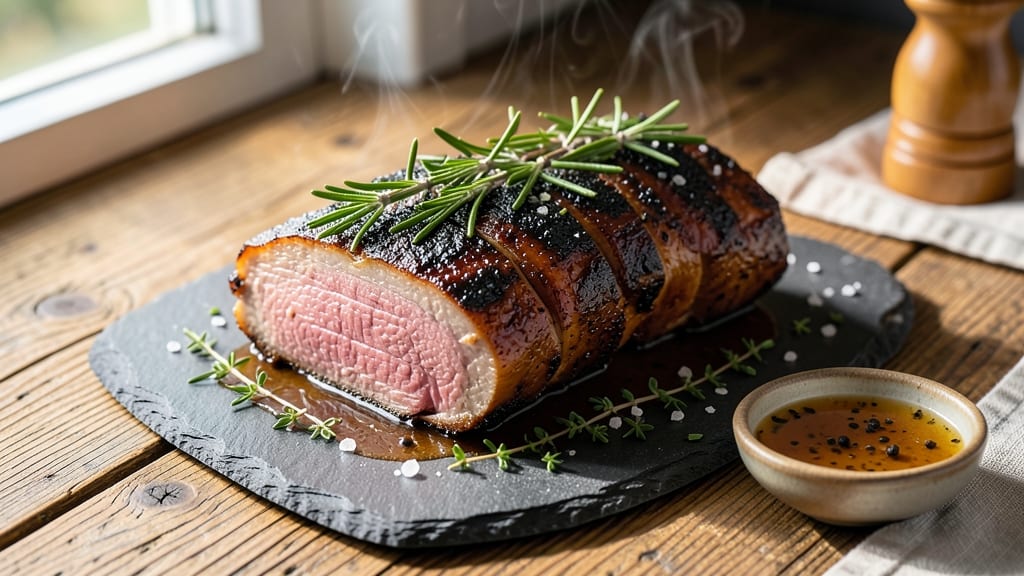
This brined pork loin roast recipe delivers restaurant-quality juiciness that transforms a simple cut into a showstopper. After years of perfecting pork roasts for my restaurant kitchen, I've cracked the code for tender, moist meat with no dry zones—just a few hours of brining and precise roasting.
The secret lies in the science of salt penetration and controlled cooking temperatures that guarantee success every time.
Most home cooks struggle with pork loin because it's lean and prone to drying out. My method changes that by using a wet brine that infuses flavor while keeping the meat incredibly tender.
We're talking about a foolproof technique that works whether you're cooking for a family dinner or a holiday feast. The roast emerges from the oven with a beautiful golden crust and a juicy interior that practically melts in your mouth.
What makes this recipe truly special is the balance of simplicity and precision. You'll need just a few pantry staples—salt, sugar, and spices—and a reliable thermometer to monitor the internal temperature.
The brining process takes care of itself while you prepare sides, and the actual roasting time is minimal once you understand the 325°F target temperature. This isn't just another pork roast recipe; it's a game-changer that will make you the hero of every meal.
The best part? This technique works equally well for everyday dinners or special occasions. Serve with classic apple sauce, roasted vegetables, or a fresh herb crust for an extra touch of elegance.
Once you try this brined pork loin, you'll never settle for dry, boring roast again—it's that good. Let's get started on creating your most tender, flavorful pork yet.
Ingredients for brined pork loin roast
Six ingredients transform dry pork into melt-in-your-mouth perfection—just brining and patience required.
| Ingredient | Amount | Notes |
|---|---|---|
| Pork Loin Roast 🥩 | 3 lb | Center-cut, bone-in preferred |
| Kosher Salt 🧂 | ¾ cup | Non-iodized, Diamond Crystal preferred |
| Granulated Sugar 🍚 | ¼ cup | White or brown sugar works |
| Fresh Thyme Leaves 🌿 | ¼ cup | Or 1 tbsp dried thyme |
| Fresh Rosemary Sprigs 🌿 | ⅛ cup | Chopped, about 2 sprigs |
| Black Peppercorns 🌶️ | 1 tbsp | Freshly cracked preferred |
| Garlic Cloves 🧄 | 6 cloves | Smashed, not minced |
| Ice Cubes ❄️ | 2 cups | For cold brine |
| Water 💧 | 4 cups | Filtered preferred |
| Olive Oil 🫒 | 2 tbsp | Extra-virgin for crust |
| Measuring Cups 📏 | 1 set | Standard 1-cup, 1/2-cup, 1/4-cup |
The pork loin is the star here, so center-cut, bone-in makes all the difference—it stays juicier. Costco or Whole Foods usually carry the best quality, but any butcher will trim it for you. Look for good marbling and avoid anything with grayish edges. The kosher salt is non-negotiable—Diamond Crystal dissolves better than table salt, and you'll need a lot of it. I always buy mine in bulk from Amazon—it lasts forever and costs less than the tiny grocery store containers. Fresh herbs are ideal, but dried works in a pinch if you've got them.
No fresh thyme? Dried at one-third the amount gets you close. The sugar isn't just for sweetness—it helps the salt penetrate better. Running out of ice? Freeze water in ice cube trays ahead of time. For the brine, use filtered water if you can—tap water with strong chlorine can affect flavor. The garlic cloves should be smashed (not minced) so they infuse flavor without turning to mush. Want extra crust? Brush the roast with extra-virgin olive oil after brining—trust me on this.
This roast reheats beautifully—just wrap it in foil and warm in a 300°F oven for 20 minutes. Keeps 3-4 days in the fridge, 3 months frozen. I always make a double batch—one for dinner, one for sandwiches later. The brine can be prepped the night before and stored in the fridge. Just make sure the pork stays submerged in the cold brine—use a plate to weigh it down if needed.
Why You'll Love This Recipe
- Salt Magic Simplicity: I swear by this brine trick—just dissolve salt and sugar in water, toss in the pork, and walk away. No fancy marinades or last-minute prep; the pork practically seasons itself overnight while you sleep.
- Herb-Crusted Perfection: That rosemary-thyme crust? It’s the star. The sugar in the brine caramelizes into a golden, fragrant bark while the herbs infuse the meat with earthy, bright flavor—like a hug from a French bistro.
- Leftovers That Shine: Sliced cold the next day, this roast becomes the ultimate sandwich meat—juicy, tender, and packed with flavor. Honestly, I often make double just to have it for lunch. (Yes, even on a Tuesday.)
- Budget-Friendly Crowd-Pleaser: A single pork loin feeds four to six, and the brine costs pennies. Between us, this is my go-to for dinner parties because it’s impressive without breaking the bank—plus, the leftovers stretch into salads or wraps.
Step-by-step instructions for brined pork loin roast
This method delivers melt-in-your-mouth pork every time—no dry zones in sight.
Create the Cold Brine Solution
In a large container or resealable bag large enough to hold the pork loin roast, combine the 4 cups water, 0.75 cup kosher salt, and 0.25 cup granulated sugar. Stir until completely dissolved—this ensures even flavor distribution. Add the 2 cups ice cubes and let the mixture cool completely in the refrigerator for 15 minutes. The cold brine penetrates more deeply than warm brine, guaranteeing juicy results from edge to edge.
Here's the thing—don't skip the ice. It keeps the brine cold enough to prevent surface cooking while the pork absorbs moisture. The sugar in the brine isn't just for flavor; it helps break down proteins slightly for better tenderness. I like to use Diamond Crystal kosher salt because it dissolves more completely than other brands, leaving no gritty surprises.
Brine the Pork Loin
Place the 3 lb pork loin roast in the brine solution, making sure it's fully submerged. If using a bag, seal it tightly and massage the bag gently to ensure all surfaces are coated. Let it brine in the refrigerator for 12 to 24 hours. I usually do 18 hours for perfect results—the longer time gives you maximum moisture retention without making the meat mushy.
Don't be tempted to brine longer than 24 hours. The pork will start absorbing too much water and become bland. After brining, remove the pork and pat it dry thoroughly with paper towels—this step is crucial for developing that beautiful crust later. The dry surface allows the herbs and spices to adhere properly and creates that golden, crispy exterior we're after.
Prepare the Herb Rub
In a small bowl, combine the 0.25 cup fresh thyme leaves, 0.125 cup chopped fresh rosemary sprigs, 1 tbsp cracked black peppercorns, and 6 smashed garlic cloves. Using your hands, mix everything together until the herbs are evenly distributed. This aromatic blend will infuse the pork with incredible depth of flavor.
I like to use fresh herbs here because they release more essential oils than dried versions. The rosemary and thyme should be finely chopped—you want them to stick to the meat rather than fall off during cooking. The garlic cloves should be smashed, not minced, so they release their flavor gradually rather than all at once. This rub isn't just seasoning; it's the flavor foundation for your roast.
Season and Rest the Pork
Generously coat the dried pork loin with the herb mixture, pressing it into the meat so it adheres well. Place the pork on a rack set in a shallow roasting pan and let it sit at room temperature for 30 minutes before roasting. This resting period allows the meat to come to room temperature, which ensures more even cooking throughout.
While the pork rests, preheat your oven to 325°F. The rack elevates the pork, allowing hot air to circulate all around it for even cooking. I always use a meat thermometer for this step—it's the only way to guarantee perfect doneness. Don't skip the resting time; it's what separates good pork from exceptional pork. The meat will cook more evenly and retain its juices better.
Roast to Perfect Doneness
Roast the pork loin for 45 to 60 minutes, or until an instant-read thermometer inserted into the thickest part (not touching bone) reads 145°F. The internal temperature should rise to 150°F during resting, giving you perfectly medium-rare pork. About 15 minutes before the pork is done, brush it with the 2 tbsp olive oil to create a beautiful, flavorful crust.
Here's where it gets important: don't overcook. Pork continues cooking after you remove it from the oven, and it's easy to go from perfect to dry in just a few minutes. Let the pork rest for 15 minutes before slicing—this allows the juices to redistribute throughout the meat. The result should be tender, juicy slices with a beautiful pink center and that irresistible herb-infused crust.
Pro Tips For Making Brined Pork Loin Roast
- USE A 1:1 SALT-TO-SUGAR BRINE: I learned this the hard way—too much sugar makes the pork sticky, not tender. For a 3-4 lb pork loin, dissolve ½ cup kosher salt and ½ cup sugar in 4 cups water. The sugar balances saltiness while keeping the meat juicy, not sweet.
- DRY THE LOIN THOROUGHLY AFTER BRINING: Pat it down with paper towels until the surface glistens but isn’t wet. I used to skip this, and the herbs wouldn’t stick—rosemary and thyme just slid off. A dry crust = better browning and flavor adhesion.
- SEAR OVER HIGH HEAT FIRST: Crank your oven to 450°F, then sear the loin in a hot pan for 2 minutes per side. This locks in moisture before roasting and gives you that restaurant-quality crust. (Yes, even if you’re impatient like me.)
- CHECK TEMP WITH A THERMOMETER AT 145°F: I used to guess, and the pork came out either dry or undercooked. A meat thermometer in the thickest part tells you when it’s done—no more cutting into it for a peek. Pull it out 5 minutes early; it’ll rest perfectly.
Wine and beer pairings for this recipe
Red Wine Pairings
For this brined pork loin, I always reach for a medium-bodied red wine with enough acidity to complement the herbaceous crust. A Pinot Noir from Oregon's Willamette Valley is my go-to—its bright cherry notes and subtle earthiness mirror the rosemary and thyme in the rub.
The 13-14% alcohol level balances the richness without overpowering the delicate pork flavors. 🍷
If you prefer something with more structure, try a Chianti Classico from Tuscany. The acidity cuts through the fat beautifully, while the cherry and leather notes enhance the herb profile.
I've also had great success with a Spanish Garnacha—its spicy undertones add an unexpected but wonderful dimension to the dish.
White Wine Options
Don't overlook crisp white wines for this pork roast. A dry Riesling from Germany's Mosel region offers the perfect balance with its citrus and mineral notes. The slight sweetness in some Rieslings actually complements the brined pork's savory depth. 🍷
For something lighter, a Sauvignon Blanc from New Zealand's Marlborough region works wonders. Its bright grapefruit and herbal notes echo the thyme and rosemary in the crust, creating a harmonious pairing. I like to chill these whites slightly more than usual—around 45°F—to enhance their refreshing qualities.
Beer Pairings
When it comes to beer, I swear by a Belgian Witbier like Hoegaarden. The coriander and orange peel notes create a beautiful contrast with the pork's herbal flavors, while the effervescence cleanses your palate between bites. 🍺
For a heartier option, try a German Helles Lager. The malty sweetness and crisp finish complement the pork's richness without competing. I've also enjoyed pairing this roast with a smoked porter—the caramel and coffee notes add a surprising depth that works beautifully with the herb crust.
Regional Specialty Pairings
In the Southeast, where I grew up, we often paired pork roasts with local wines and beers. A North Carolina Riesling from the Yadkin Valley stands out—its tropical fruit notes bridge the gap between the pork and Southern sides like collard greens. 🍷
For a true Southern experience, try a Georgia Chardonnay with a touch of oak. The buttery notes enhance the pork's richness while the acidity keeps the dish feeling fresh.
And if you're near Atlanta, grab a local craft beer from Atlanta Beer Company—their Hazy IPA pairs surprisingly well with the herb crust.
Nutrition facts
Frequently asked questions
How long should I brine the pork loin for maximum tenderness?
For this recipe, 18 hours in the cold brine gives you perfect tenderness without making the meat mushy. The cold brine penetrates deeply while keeping the surface firm for that ideal crust. Never exceed 24 hours—longer brining causes the pork to absorb too much water and lose flavor.
Can I use a bone-in pork loin instead of boneless?
Bone-in pork loin actually stays juicier because the bone acts as an insulator. Just add 15-20 minutes to your roasting time since bone conducts heat differently. The bone also adds beautiful presentation when sliced—everyone loves seeing that perfect roast bone in the center!
What's the best way to reheat leftover brined pork loin?
Wrap slices tightly in foil and warm in a 300°F oven for 20 minutes—this keeps them moist. For sandwiches, reheat in a skillet with a splash of broth over medium heat for 2-3 minutes per side. Never microwave unless you want dry, rubbery pork! The brining makes reheating easier than with regular pork.
Why does my pork roast turn out dry even after brining?
Most likely you're overcooking it! Remove the roast when it hits 145°F—it will rise to 150°F during resting. Also check your thermometer calibration and avoid cutting into the meat until it's rested 15 minutes. The brining helps, but proper cooking temperature is what truly prevents dryness.
Can I substitute the herbs in the rub?
Yes! Try 1 tbsp dried sage instead of rosemary or 1 tsp smoked paprika for depth. For a citrus twist, add 1 tbsp grated lemon zest to the rub. Just maintain the same 1:1 ratio of herbs to spices—this keeps the flavor balance perfect while allowing for creativity!