
Main Courses
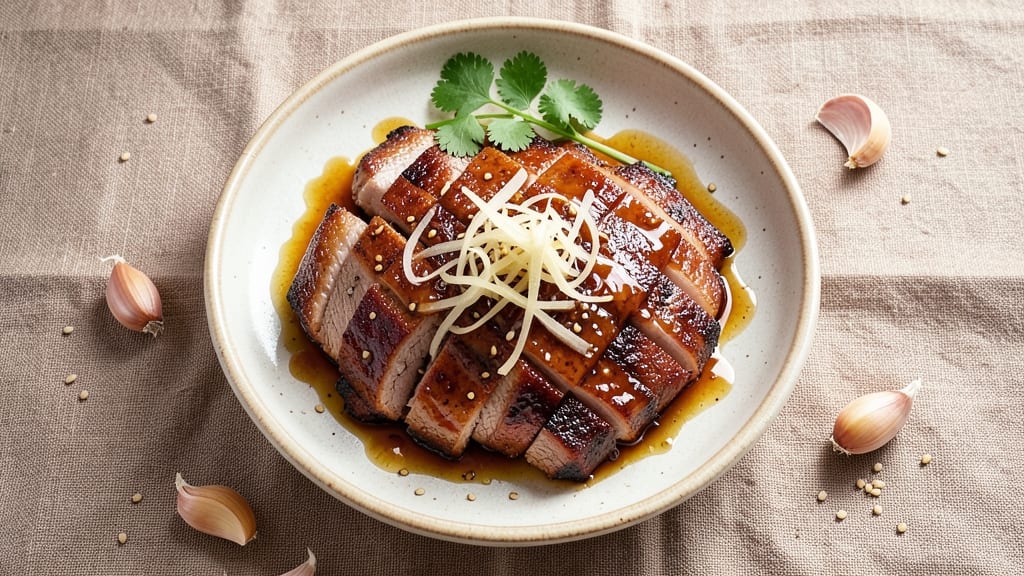
This bulgogi pork tenderloin recipe delivers the perfect fusion of Korean-inspired flavors and American comfort—tender, juicy pork with a caramelized crust that sticks to your ribs in the best way. After years of perfecting marination techniques for my farm-raised pork, I developed this method that balances sweet, savory, and umami without overpowering the natural richness of the meat. The secret lies in a quick yet effective marinade that transforms tough tenderloin into melt-in-your-mouth perfection.
What sets this recipe apart is the combination of traditional bulgogi elements with a modern approach: we're using pear for natural sweetness (no refined sugar needed), five-spice for depth, and a high-heat sear that creates those coveted caramelized edges while keeping the interior perfectly medium-rare.
Unlike many recipes that require overnight marinating, this version delivers restaurant-quality results in just 2 hours—ideal for weeknight dinners when you still want to impress.
The result is pork that's impossibly tender with a glossy, sticky crust that clings to every bite. Serve it over sesame rice, alongside quick-pickled cucumbers, or with a simple kimchi side to balance the richness.
The plating is just as important as the cooking: garnish with toasted sesame seeds and sliced green onions for that restaurant-worthy presentation that makes your table look like you've been cooking for years.
This isn't just another pork recipe—it's a technique you'll reach for whenever you want to elevate a simple protein into something extraordinary. The same method works beautifully with chicken or beef, making it the ultimate weeknight game-changer. Let's get cooking—your taste buds (and dinner guests) will thank you.
Ingredients for bulgogi pork tenderloin
These 14 ingredients transform simple pork into restaurant-worthy bulgogi perfection.
| Ingredient | Amount | Notes |
|---|---|---|
| Pork Tenderloin 🥩 | 1 ½ lb | Farm-raised, trimmed of fat |
| Asian Pear 🍐 | 1 medium | Unpeeled, grated for natural sweetness |
| Soy Sauce 🍶 | ⅓ cup | Kosher-style preferred, low-sodium |
| Sesame Oil 🫒 | 1 tbsp | Toasted sesame oil for aroma |
| Five-Spice Powder 🌶️ | 1 tsp | Authentic Chinese blend |
| Garlic Cloves 🧄 | 6 cloves | Freshly minced, aromatic |
| Ginger Root 🌿 | 1 tbsp | Freshly grated, zesty |
| Rice Vinegar 🍶 | 1 tbsp | Seasoned preferred for balance |
| Brown Sugar 🍚 | 1 tbsp | Lightly packed, for caramelization |
| Sesame Seeds 🌰 | 1 tbsp | Toasted, for garnish and crunch |
| Green Onions 🧅 | 3 whole | Thinly sliced, for freshness |
| Vegetable Oil 🫒 | 2 tbsp | High smoke point for searing |
| Kosher Salt 🧂 | 1 tsp | Diamond Crystal preferred |
| Black Pepper 🌶️ | ½ tsp | Freshly cracked, for heat |
The pork tenderloin is your star—look for farm-raised at specialty butchers or Costco for consistent quality. Trim any visible fat to ensure even cooking and that perfect caramelized crust. For the pear, Asian pears (available at Asian markets) work best, but Bosc in a pinch. The five-spice powder? Penzeys carries the authentic Chinese blend—don't settle for generic versions. Toast your sesame seeds in a dry pan until golden for maximum aroma. Whole Foods or Trader Joe's usually stock pre-toasted seeds if you're short on time.
No Asian pear? Bosc or Anjou work in a bind, but expect slightly less natural sweetness. Substitute the five-spice with 1/2 tsp each cinnamon, fennel, clove, star anise, and black pepper if needed. For the soy sauce, Kikkoman is reliable, but Lee Kum Kee adds extra depth. The rice vinegar can be swapped for apple cider vinegar at half the amount—just add a pinch more sugar to balance. Fresh ginger and garlic are non-negotiable here, but if you must use powdered, double the amount. Diamond Crystal kosher salt dissolves more easily than table salt, so stick with it for perfect seasoning.
Marinate the pork for no more than 2 hours—longer and it gets mushy. Store leftovers in an airtight container with a paper towel pressed on top to absorb moisture. Keeps 3-4 days in the fridge, but the flavor peaks after 24 hours. For longer storage, freeze portions in a single layer before transferring to a bag—up to 3 months. Reheat gently in a skillet with a splash of water to restore moisture. The caramelized edges? Worth every crispy bite, so don't skip the high-heat sear.
Why You'll Love This Recipe
- One-Pan Magic: The pork tenderloin slices itself into perfect strips—no butchering skills required. Toss it in the marinade, let it sit while you chop the pear, then sear it all on one sheet pan. Less cleanup, more flavor.
- Sweet-Savory Bomb: That Asian pear isn’t just a garnish—it melts into the sauce, balancing the soy’s saltiness with natural sweetness. Five-spice powder adds warmth, and sesame oil? Chef’s kiss for that nutty finish.
- Lunchbox Hero: Between us, this keeps perfectly for days. Pack the leftovers for work—cold or reheated, the tenderloin stays juicy, and the sauce clings like a dream. (Yes, even on a Tuesday night.)
- Budget Flex: Pork tenderloin is lean but ridiculously affordable, and the pear stretches the dish further than you’d think. A splash of soy, a drizzle of oil, and you’ve got a restaurant-quality meal without the restaurant price tag.
Step-by-step instructions for bulgogi pork tenderloin
Here's the method for creating melt-in-your-mouth pork with that signature sticky, caramelized crust.
Marinate the Pork with Five-Spice and Pear
In a large bowl, combine the 1.5 lb pork tenderloin, 0.33 cup soy sauce, 1 tbsp rice vinegar, 1 tbsp brown sugar, 1 tbsp sesame oil, 1 tsp five-spice powder, 1 tsp kosher salt, and 0.5 tsp black pepper. Massage the marinade into the meat until fully coated, then add the 1 medium asian pear grated into fine shreds and the 6 cloves garlic cloves minced. Mix gently to distribute.
Cover the bowl and refrigerate for at least 4 hours (overnight is ideal). The five-spice powder infuses deep aromatic complexity, while the pear's natural sweetness tenderizes the meat and creates that signature sticky glaze. You'll know it's ready when the pork absorbs the marinade and develops a glossy sheen.
Sear the Pork for Maximum Crust Development
Heat 2 tbsp vegetable oil in a heavy skillet over medium-high heat until shimmering. Remove the pork from the marinade (reserve the liquid) and pat dry with paper towels. This step is crucial—the dry surface ensures maximum crust formation. Sear the pork for 3-4 minutes per side until deep golden brown with caramelized edges.
Here's the thing—don't press down on the pork with your spatula. You want those caramelized crusts to develop naturally. If the pork releases easily from the pan, it's ready. Transfer to a plate and tent loosely with foil to keep warm while you prepare the finishing sauce.
Create the Sticky Glaze with Reduced Marinade
Pour the reserved marinade into the same skillet (no need to wipe it clean—those browned bits are pure flavor). Add 1 tbsp freshly grated ginger root and bring to a simmer over medium heat. Reduce heat to low and let it bubble away for 8-10 minutes until the liquid reduces by half and becomes syrupy.
The glaze should coat the back of a spoon with a thick, glossy consistency. If it reduces too quickly, add 1-2 tablespoons water to maintain the balance. Here's where the magic happens—the reduced marinade transforms into a sticky, caramelized sauce that will cling beautifully to your pork.
Finish with Sesame and Green Onions
Return the seared pork to the skillet with the reduced marinade. Spoon the glaze over the top and let it baste for 2-3 minutes until fully coated. Remove from heat and sprinkle generously with 1 tbsp toasted sesame seeds and 3 whole green onions sliced thinly on the bias.
The sesame seeds add nutty crunch while the green onions provide fresh contrast. Let the pork rest for 5 minutes before slicing—this allows the juices to redistribute, ensuring each bite remains tender and flavorful. Serve immediately with steamed rice to soak up that irresistible sticky sauce.
Pro Tips For Making Bulgogi Pork Tenderloin
- Slice Thin, Cook Fast: Pork tenderloin is lean—overcrowding the pan turns it rubbery. Cut it into ½-inch slices before marinating, then work in batches. A screaming-hot skillet for 2-3 minutes per side keeps it juicy.
- Purée the Pear: Skip the chunks—blend the Asian pear with the marinade until smooth. It adds natural sweetness and tenderizes the meat without clumping. (Yes, even if you’re not a purist.)
- Marinate 2 Hours, Not 20: I used to let it sit overnight, but the pear oxidizes and turns bitter. Two hours in the fridge is enough—just toss the meat and sauce together, cover, and walk away.
- Finish with Sesame Oil Late: Add the sesame oil after cooking, not before. Drizzle it over the hot pan for aroma, or toss it with the sliced pork at the end. (Splattering oil in the marinade just makes everything taste like a gas station.)
Flavor customization for this bulgogi pork tenderloin
Sweet Heat Balance
Adjust the sweet-to-spicy ratio by adding 1-2 teaspoons of gochujang (Korean chili paste) to the marinade for a smoky kick. I like to toast ½ teaspoon of Korean red pepper flakes in the pan before searing for extra depth.
For a milder version, reduce the brown sugar to ½ tablespoon and add ½ teaspoon of honey instead—this keeps the caramelization while softening the sweetness. 🌶️
Umami Boost
Enhance the savory profile by adding 1 tablespoon of fish sauce to the marinade (use Red Boat brand for premium quality). Alternatively, swap 1 teaspoon of the soy sauce for 1 teaspoon of mushroom powder—it adds an earthy depth without altering the texture.
For a richer finish, deglaze the pan after searing with 2 tablespoons of dry sherry instead of water when reducing the marinade. 🍶
Herb Variations
Swap the green onions for cilantro or Thai basil—both add freshness but with distinct flavors. I often add 1 tablespoon of chopped cilantro to the marinade for brightness.
For a Southeast Asian twist, include ½ teaspoon of lemongrass paste (or 1 strip of fresh lemongrass, finely minced) in the marinade. Garnish with toasted coconut flakes instead of sesame seeds for a tropical vibe. 🌿
Texture Contrast
Add crunch with crispy fried shallots—toss 2 tablespoons with the sesame seeds before garnishing. For a creamy element, serve with quick-pickled cucumbers (slice ½ cucumber into matchsticks, toss with 1 tbsp rice vinegar, ½ tsp sugar, and a pinch of salt).
Another favorite: top with thinly sliced kimchi for tangy, spicy contrast. 🥒
Regional Twists
For a Japanese-inspired version, replace the five-spice with 1 teaspoon each of shichimi togarashi and 1 teaspoon of mirin in the marinade. For a Thai fusion, add 1 teaspoon of fish sauce, ½ teaspoon of palm sugar, and garnish with crushed peanuts.
My Southeast BBQ circuit favorite? Swap the pear for ½ cup of grated apple and add ½ teaspoon of smoked paprika to the marinade. 🗺️
Nutrition facts
Frequently asked questions
Can I use regular pork chops instead of pork tenderloin?
Pork tenderloin is ideal because it's lean and cooks quickly without drying out, but you can use bone-in pork chops (about 1-inch thick) if that's what you have. Marinate them for 30 minutes longer and reduce the searing time to 2-3 minutes per side—they won't develop the same crust but will still be delicious. For best results, trim excess fat and pat them very dry before cooking.
Why does the recipe call for Asian pear when most stores don't carry it?
Asian pears add natural sweetness and tenderize the meat beautifully, but you can substitute Bosc or Anjou apples grated finely. For extra tenderness, add 1 teaspoon of baking soda to the marinade (it breaks down proteins), but don't overdo it—too much can make the meat mushy. If you're using apples, reduce the brown sugar by ½ teaspoon since they're sweeter.
Can I grill this instead of pan-searing?
Grilling works beautifully—just preheat your grill to medium-high heat (400°F) and oil the grates well. Sear the pork for 4-5 minutes per side (it'll be done slightly earlier than pan-seared), then move to indirect heat for 2-3 minutes to warm through. Brush with the reduced marinade while grilling for extra flavor. For charcoal grills, use fruitwood or hickory for a smoky depth.
What if my pork turns out dry?
Overcooking is the #1 cause of dry pork. Always use a meat thermometer—remove from heat when it hits 140°F (medium-rare) for tenderloin. If it's slightly underdone, tent with foil and let it rest 10 minutes before slicing. For extra moisture, add 2 tablespoons of water or broth to the pan when reducing the marinade, then spoon it over the pork before serving. Never skip the resting time!
How can I make this ahead of time for a dinner party?
Marinate the pork overnight for maximum flavor, then refrigerate uncovered for the last 30 minutes to dry the surface slightly. Sear just before serving—this keeps the crust crispy. For make-ahead sides, prep quick-pickled cucumbers and kimchi 1 day ahead. Store the reduced marinade separately and reheat gently with the pork. Assemble plates just before serving to maintain texture.