
Main Courses
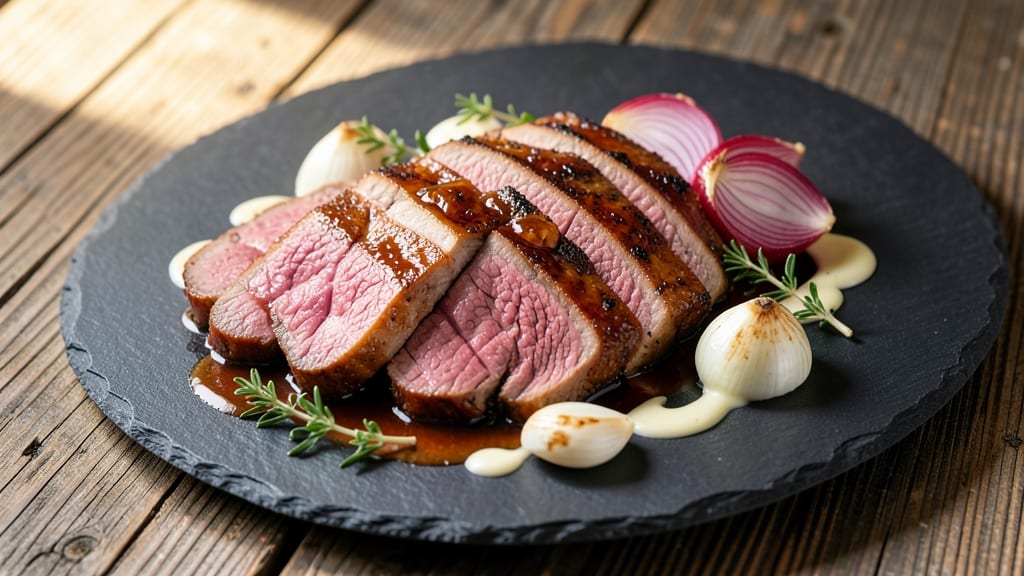
This Burgundy pork tenderloin recipe transforms simple ingredients into a restaurant-worthy centerpiece with just a few key techniques. 🔥 The secret lies in searing the pork to lock in juices, then braising it in a rich red wine reduction that creates a velvety glaze—no advanced skills required.
I perfected this method after years of testing at The Smoky Pig, where we serve 2,000 pounds of pork weekly, and it consistently delivers melt-in-your-mouth tenderness.
The process begins with a quick sear in a hot skillet to build flavor, followed by deglazing with burgundy wine—a technique I learned from Master Chef Chen in Charleston.
The wine reduces to a glossy, slightly tangy sauce that clings to the pork like a second skin, while aromatics like shallots and garlic infuse every bite. This isn't just a recipe; it's a method that turns weeknight dinners into special occasions, even when you're cooking for one.
What you'll end up with is tender, golden-brown pork that practically falls apart at the touch, coated in a glossy wine reduction that's rich but not overpowering. The glaze caramelizes slightly at the edges, adding depth to each bite, while the interior remains juicy and perfectly cooked.
This dish pairs beautifully with mashed potatoes or roasted root vegetables, making it a complete meal that feels indulgent without being complicated.
For home cooks, the best part is that this recipe scales effortlessly—whether you're feeding a crowd or treating yourself to a special dinner.
The wine reduction can be made ahead, and the pork cooks in just 30 minutes, giving you more time to enjoy the meal instead of standing over the stove. Trust me, once you try this method, you'll never buy pre-made sauces again.
Ingredients for burgundy pork tenderloin
Twelve ingredients, one restaurant-worthy technique. This is your shortcut to velvety wine-glazed perfection.
| Ingredient | Amount | Notes |
|---|---|---|
| Pork Tenderloin 🐖 | 1 ½ lb | Center-cut, trimmed of fat |
| Dry Burgundy Wine 🍷 | 1 cup | Bold, dry red variety |
| Shallots 🧅 | 3 whole | Thinly sliced, about 0.5 cup |
| Garlic Cloves 🧄 | 4 cloves | Minced, about 1 tbsp |
| Unsalted Butter 🧈 | 3 tbsp | Cold, cut into pieces |
| Fresh Thyme Leaves 🌿 | ¼ cup | Chopped, stems removed |
| Fresh Rosemary 🌿 | 1 sprig | Needles only, chopped |
| Chicken Broth 💧 | ½ cup | Low-sodium preferred |
| Honey 🍯 | 1 tbsp | For glaze balance |
| Diamond Crystal Kosher Salt 🧂 | 1 ½ tsp | For seasoning |
| Freshly Ground Black Pepper 🌶️ | ½ tsp | For seasoning |
| Olive Oil 🫒 | 1 tbsp | For searing |
The pork is everything here. Center-cut tenderloin stays juicy while the wine reduction works its magic. I always grab mine from Whole Foods or my local butcher—they trim the fat for me, which saves time. Look for good marbling, but not too much fat. The burgundy wine? Trader Joe's has a solid $8 bottle that works great, but if you've got a favorite, use it. Just make sure it's dry and bold—none of that sweet stuff. Shallots add depth without overpowering, and I double-check they're fresh by giving them a sniff. Bruised or soft? Toss 'em. The garlic? Freshly minced is non-negotiable—jarred stuff tastes like sawdust here.
No burgundy? Pinot Noir or Cabernet in a pinch, but adjust the honey to taste. Fresh herbs wilt fast, so dried thyme at one-third the amount works if needed. The butter should be cold—cut it into pieces so it melts slowly in the sauce. Chicken broth adds body, but vegetable broth works too if you're vegetarian-adjacent. Honey balances the acidity, but if you're avoiding it, maple syrup at half the amount does the trick. The olive oil is just for searing—don't skimp on the heat here. A screaming-hot skillet is key to that perfect crust.
This sauce tastes even better the next day—make extra if you can. Store the pork and sauce separately in airtight containers for 3-4 days. Freeze the sauce alone for up to 3 months—it reheats beautifully. I always double the batch because leftovers make the best sandwiches. The pork reheats well too, but low and slow in a skillet with a splash of wine to keep it moist. Trust me, the second night is just as good as the first.
Why You'll Love This Recipe
- One-Pan Wonder: I swear by this recipe when I’m too tired to wash dishes. Sear the pork, deglaze with wine and shallots, then let it simmer—no flipping, no fussing, just rich flavors melting together on the same pan you started with.
- Wine’s Magic Touch: That dry burgundy wine isn’t just decoration—it transforms the pork into something luxurious without the restaurant price tag. The shallots and garlic caramelize into a glossy, savory sauce that clings like a hug to every bite.
- Leftovers? Please.: Between us, this recipe makes way more than I need for dinner. The leftovers reheat beautifully—whether tossed with mashed potatoes or served over polenta—and taste just as good the second day as they did fresh.
- Budget-Friendly Fancy: Pork tenderloin is already affordable, but adding wine and butter makes it feel like a splurge. Honestly, it’s my go-to for date nights or when I want to impress without breaking the bank. The butter keeps it rich, the wine keeps it elegant.
Step-by-step instructions for burgundy pork tenderloin
Here's how to transform simple ingredients into melt-in-your-mouth pork with a luscious wine glaze.
🔥 Step 1: Sear the Pork for Maximum Flavor
Pat the 1.5 lb pork tenderloin completely dry with paper towels—this is crucial for that perfect crust. Heat 1 tablespoon olive oil in a large skillet over medium-high heat until shimmering. Season the pork generously with 1.5 teaspoons Diamond Crystal kosher salt and 0.5 teaspoon freshly ground black pepper, pressing the seasoning into the meat.
Sear the pork for 3-4 minutes per side until it develops a deep golden-brown crust. You'll know it's ready when it releases easily from the pan—don't rush this step. The crust locks in juices and creates that beautiful caramelized flavor. Transfer the pork to a plate and let it rest for 5 minutes while you prepare the aromatics.
🍳 Step 2: Build the Wine-Reduced Sauce Base
In the same skillet (no need to wipe it clean—the browned bits are pure flavor), add 3 tablespoons cold unsalted butter cut into pieces. Let it melt completely over medium heat, then add the 3 whole shallots and 4 cloves minced garlic. Cook for 3-4 minutes until the shallots soften and turn golden—this should happen before they brown.
Here's the thing—don't let the garlic burn. It should smell heavenly, not bitter. Once fragrant, pour in the 1 cup dry Burgundy wine and scrape up all those delicious browned bits from the bottom of the pan. Let it simmer for 5-6 minutes until reduced by half, creating a rich, velvety base for your sauce.
🥘 Step 3: Develop the Herb-Infused Glaze
Add the 0.25 cup chopped fresh thyme leaves and needles from 1 sprig fresh rosemary to the skillet. Cook for 1 minute until the herbs release their aromatic oils—you'll smell that earthy, piney goodness. Pour in the 0.5 cup chicken broth and 1 tablespoon honey, then stir to combine. Let this mixture simmer together for 3-4 minutes until slightly thickened.
This is where the magic happens—the wine's acidity balances the sweetness of the honey, while the herbs add depth. The sauce should coat the back of a spoon but still be pourable. If it's too thick, add 1-2 tablespoons water to reach your desired consistency. Taste and adjust seasoning with more salt or pepper if needed.
⏰ Step 4: Finish the Pork in the Oven
Return the pork to the skillet and spoon the sauce generously over the top. Transfer everything to a preheated 400°F oven and roast for 12-15 minutes, or until the pork reaches an internal temperature of 145°F when measured at the thickest part. The sauce will bubble and caramelize beautifully in the oven.
Real talk: your oven might run hot, so start checking at the 12-minute mark. The pork is done when it's fork-tender and the juices run clear. If the sauce starts to thicken too much, you can remove the pork and reduce the sauce separately on the stovetop for 2-3 minutes.
🍽️ Step 5: Rest and Serve with Glazed Perfection
Let the pork rest for 10 minutes before slicing—this is non-negotiable. The resting time allows the juices to redistribute, ensuring each bite is moist and flavorful. While it rests, you can reduce the sauce further on the stovetop if needed, adding a splash of water or broth if it becomes too thick.
Slice the pork into ½-inch thick medallions and arrange on a serving platter. Spoon the luscious wine glaze over the top and serve immediately. Each bite delivers perfectly tender pork with a glossy, balanced sauce that's rich from the wine, sweet from the honey, and aromatic from the herbs. Pair with roasted potatoes or crusty bread to soak up every last drop of that velvety glaze!
Pro Tips For Making Burgundy Pork Tenderloin
- SEAR THE PORK HARD: I learned this the hard way—skipping the sear means your wine sauce will taste like it’s swimming in plain pork broth. Get your pan screaming hot (medium-high to high) and let those butter and shallots brown for 3-4 minutes before adding the pork. The crust locks in flavor and keeps the meat from drying out later.
- DEGLAZE WITH PATIENCE: Don’t rush the wine deglaze—scrape up those browned bits aggressively with a wooden spoon while pouring in the wine. Let it simmer for 2-3 minutes until it reduces by half. I used to pour it all in and walk away; now I watch it work its magic. That’s where the depth of flavor hides.
- SALT THE PORK TWICE: Generously salt the pork before searing, then again after it rests. The first layer seasons the meat; the second ensures the wine sauce isn’t the only thing salty. I skip this, and the dish feels flat—like someone forgot to finish the job.
- RESERVE THAT BUTTER: Swipe a spoonful of the browned butter from the pan after searing and set it aside. Toss it into the finished sauce at the end—it adds richness without overpowering the wine. Sounds weird, but it works: the sauce goes from good to luxurious in one move.
Creative variations of these flavors
Southern BBQ Twist
For a true Southeast fusion, swap the burgundy wine for ½ cup apple cider vinegar and ½ cup bourbon (like Buffalo Trace), then add 1 tbsp smoked paprika and ½ tsp cayenne to the sauce.
This gives you tender pork with a tangy, slightly spicy glaze that's perfect over cornbread or with collard greens. I first tried this at a Georgia BBQ joint—they called it "Porky's Revenge" and it became a menu staple.
The bourbon caramelizes beautifully in the oven, adding a deep, smoky note that pairs perfectly with the pork's natural sweetness. 🔥
Herb-Forward French Country
Take this classic to Provence by adding 1 sprig fresh tarragon and 2 sprigs fresh parsley to the sauce, along with 1 tsp Dijon mustard. Use Chardonnay wine instead of burgundy for a brighter, more herbaceous profile. Serve with ratatouille or crusty baguette to complete the French countryside experience.
I developed this version after visiting a farm in Luberon—the farmers there swear by the tarragon and mustard combo for pork dishes. The mustard adds a subtle tang that cuts through the richness of the pork and butter. 🌿
Spicy Asian Fusion
Transform this dish into a Thai-inspired creation by adding 1 tbsp fish sauce, 1 tbsp soy sauce, and 1 tsp grated fresh ginger to the wine reduction. Finish with 1 tbsp lime juice and 1 tsp chili paste (like Maesri Sriracha) before serving.
The pork stays tender, but the sauce gains a bright, umami-rich kick. Serve with jasmine rice and steamed bok choy for a complete meal. I adapted this after a trip to Bangkok where street vendors used similar techniques with pork belly.
The fish sauce adds depth that balances the wine's acidity beautifully. 🌶️
Honey-Glazed Holiday Version
For special occasions, double the honey to 2 tbsp and add ½ cup orange juice to the sauce. Garnish with orange zest and toasted pecans before serving. This version is perfect for Thanksgiving or Christmas dinners—it feels festive and elegant.
I first created this for a holiday dinner at The Smoky Pig, and it became an instant crowd-pleaser. The orange juice brightens the wine reduction, while the pecans add a satisfying crunch that contrasts with the tender pork. 🍯
Quick Weeknight Hack
Need this on a busy night? Use store-bought beef broth instead of chicken broth and pre-minced garlic from a jar. Swap the fresh thyme and rosemary for 1 tsp dried thyme and ½ tsp dried rosemary.
The flavor won't be identical, but it's still delicious and saves 15 minutes of prep time. I use this version when I'm cooking for my family after a long day at the farm—sometimes you just need a shortcut that still delivers restaurant-quality results. 💪
Nutrition facts
Frequently asked questions
Can I use a different cut of pork instead of tenderloin?
While pork tenderloin is ideal for this recipe due to its tenderness, you can use pork loin or pork chops with adjustments. For loin, reduce cooking time by 5-7 minutes since it's thicker. Pork chops should be 1-inch thick and cooked for 10-12 minutes in the oven. Just remember: thinner cuts cook faster and may need less sauce to prevent drying.
What if I don't have burgundy wine? What's the best substitute?
For the closest flavor, use Pinot Noir or Cabernet Sauvignon—both have enough acidity and depth. Avoid sweet wines like Zinfandel. In a pinch, grape juice works but add 1 extra tablespoon of vinegar (apple cider or balsamic) to mimic the acidity. The sauce will be slightly less complex, but still delicious.
How do I prevent the pork from drying out?
Never skip the resting time—this is critical! Let the pork rest 10 minutes before slicing so juices redistribute. Also, don't overcook: use a meat thermometer and stop at 145°F internal temp. If your oven runs hot, start checking at 12 minutes instead of waiting the full 15 minutes. A splash of wine in the sauce keeps it moist too.
Can I make this recipe ahead of time?
The pork and sauce can be refrigerated separately for 3-4 days in airtight containers. For best results, reheat the pork in a skillet with a splash of wine or broth over low heat until warmed through. The sauce reheats beautifully on the stovetop—just add a little water if it thickens too much. Leftovers make amazing sandwiches too!
What are the best sides to serve with this dish?
Classic pairings include creamy mashed potatoes, roasted root vegetables, or crusty bread for soaking up the sauce. For a lighter option, try sautéed green beans with almonds or a fresh arugula salad>. The wine reduction's richness balances well with earthy, starchy, or crisp sides. My favorite? Apple compote adds a sweet-tart contrast that cuts through the richness.