
Main Courses
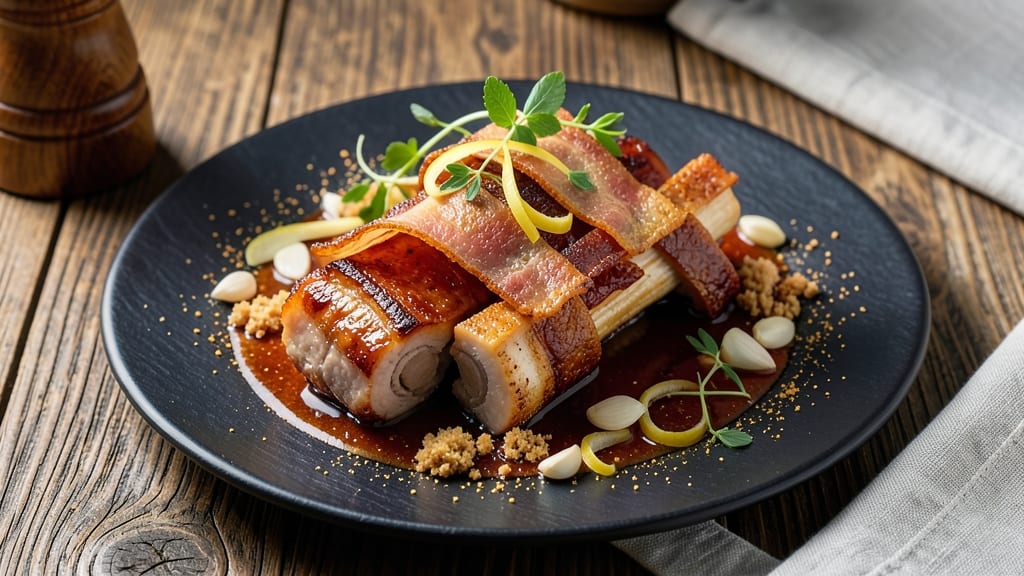
This Filipino buto buto pork recipe transforms humble pork bones into a luxurious dish with crispy five-spice crusts and silky pink marrow centers. 🔥 I first tasted it in a bustling Manila kitchen, where the contrast of textures and flavors made every bite unforgettable.
The secret lies in boiling the bones for rich broth, then frying them until the marrow solidifies into delicate, gelatinous perfection. What sets this dish apart is the two-step process: first simmering the bones for hours to extract deep umami flavor, then frying them in oil until golden and crisp.
The five-spice blend adds aromatic warmth, while the marrow becomes tender yet holds its shape beautifully. This is comfort food elevated to restaurant-quality at home.
By the time you serve it, you'll have a bowl of tender pork pieces with crispy edges, surrounded by fragrant broth that's perfect for dipping steamed rice. The presentation is simple but striking—crispy pork in a bowl with vibrant sides, ready to be enjoyed family-style.
Perfect for special occasions or weekend meals, this recipe delivers restaurant-quality results with traditional Filipino flavors. Let's get cooking!
Ingredients for buto buto pork
Crispy pork pieces with silky centers—just nine ingredients transform humble bones into a showstopper.
| Ingredient | Amount | Notes |
|---|---|---|
| Pork Femur Bones 🥩 | 2 lb | Cut into 2-inch pieces |
| Five-Spice Powder 🌶️ | 2 tbsp | Store-bought or homemade |
| All-Purpose Flour 🌾 | 1 cup | For dredging |
| Vegetable Oil 🫒 | 4 cups | High smoke point preferred |
| Garlic Cloves 🧄 | 6 cloves | Minced for marinade |
| Fresh Ginger 🌿 | ½ cup | Grated, for marinade |
| Soy Sauce 🥢 | ½ cup | For marinating bones |
| White Vinegar 💧 | ¼ cup | For tenderizing broth |
| Green Onions 🧅 | 4 whole | Sliced for garnish |
| Salt 🧂 | 1 ½ tsp | Kosher or sea salt |
| Black Pepper 🌶️ | ½ tsp | Freshly ground |
| Water 💧 | 4 cups | For initial broth |
| Steamed Jasmine Rice 🍚 | 2 cups | For serving (cooked) |
The pork bones are everything here. Look for femur bones at your butcher—they’ve got the best marrow. If you can’t find them, pork knuckle bones work too, but femur gives that extra richness. I usually ask the butcher to cut them into 2-inch pieces, but a sharp knife works if you’re doing it yourself. For the five-spice powder, Filipino brands like Caldo have the best blend, but any good-quality five-spice will do. If you’re making your own, toast the spices first for deeper flavor—worth the extra minute.
No five-spice powder? Mix 1 tsp each of cinnamon, cloves, star anise, fennel, and black pepper—it’s close enough. The soy sauce can be swapped for coconut aminos if you’re avoiding soy. Fresh ginger needs to be vibrant—no wrinkly roots. If you’re short on time, frozen grated ginger works fine (just thaw it first). The vegetable oil should be something neutral like canola or peanut oil—olive oil burns too easily for frying. And if you’re feeling fancy, add a splash of Patu brown sugar to the marinade for extra caramelization.
This dish tastes even better the next day—plan ahead. Store the cooked pork pieces in the fridge for up to 3 days, submerged in their broth. Reheat gently in a pot, then crisp them up in fresh oil for 30 seconds. The broth keeps for 5 days in the fridge or 3 months frozen. I always make extra rice—steamed jasmine rice is traditional, but basmati works too. Garnish with green onions right before serving, or they’ll wilt. The crispy bits are the best part, so don’t skip the final fry!
Why You'll Love This Recipe
- Fewer Ingredients, Bigger Payoff: I swear, this dish proves you don’t need a pantry full of exotic stuff—just pork femur bones, a little five-spice powder, and flour. That’s it. The bones melt into rich, gelatinous goodness while the spices work their magic, and honestly? The simplicity makes it feel like a secret weapon.
- Crispy-Creamy Magic: Here’s what sold me—the contrast. The flour coating gives you that satisfying crunch, while the slow-cooked bones turn tender and fall-off-the-bone. Toss in minced garlic and five-spice, and suddenly you’ve got a dish that’s both rustic and restaurant-worthy—no fancy techniques required.
- Leftovers That Don’t Suck: Between us, most pork dishes turn dry or bland after day two. Not this one. The collagen from the femur bones keeps it moist, so reheating leftovers feels like a treat. I’ve had it cold in rice bowls, warmed in soups, or even tossed with noodles—it’s the ultimate lazy-day lifesaver.
- Budget Meal for Big Crowds: Pork femur bones are cheaper than most cuts, and a single batch stretches for a family of four (or two very hungry people). The five-spice powder adds depth without cost, and the flour coating means you’re not sacrificing texture. Perfect for potlucks, game days, or when you’re feeding a house full of people who’ll never know you spent less than $10.
Step-by-step instructions for buto buto pork
Here's how to nail that signature crispy crust with tender pink centers—no shortcuts, just foolproof technique.
🔥 Step 1: Prep and Marinate the Pork
Cut the 2 lb pork femur bones into 2-inch pieces—this size ensures even cooking and maximum crispiness. In a large bowl, combine the bones with 0.5 cup soy sauce, 0.25 cup white vinegar, 6 minced garlic cloves, and 0.5 cup grated fresh ginger. Mix well until every piece is coated, then let it marinate for at least 30 minutes (I like to do this overnight for deeper flavor).
Here's the thing—vinegar tenderizes the meat while the garlic and ginger infuse flavor. Don't skip the marinade time, even if it's just 30 minutes. The acid breaks down tough fibers, making the pork silky when cooked.
👨🍳 Step 2: Dredge and Deep-Fry for Crispy Crust
Set up a deep-fry station with 4 cups vegetable oil in a heavy pot. Heat the oil to 350°F—use a thermometer, not guesswork. While the oil heats, pat the marinated pork pieces completely dry with paper towels (wet pork splatters when fried).
Work in batches to avoid overcrowding. Toss each piece in 1 cup all-purpose flour mixed with 2 tbsp five-spice powder, 1.5 tsp salt, and 0.5 tsp black pepper. Shake off excess flour, then carefully lower the pieces into the hot oil. Fry for 8-10 minutes until the crust turns deep golden brown and crispy. Remove with tongs and drain on a wire rack—this keeps them crispy, not soggy.
🍳 Step 3: Simmer for Tender Pink Centers
In a large pot, combine the fried pork with 4 cups water and bring to a gentle simmer over medium-low heat. The key here is low and slow—cover the pot and let it simmer for 45-60 minutes until the pork is fork-tender with a pink center (about 160°F internal temp).
Resist the urge to stir often—just give it a gentle shake occasionally to distribute heat evenly. The simmering process melts the five-spice crust into the broth, creating that signature buto buto flavor. If the liquid reduces too much, add a splash of water to keep it moist.
🥘 Step 4: Assemble and Serve
Scoop 2 cups steamed jasmine rice onto plates and arrange the pork pieces on top. Ladle the flavorful broth over everything, then garnish with 4 sliced green onions. The contrast of crispy crust, tender pork, and silky rice is what makes this dish special.
Serve immediately while the pork is still piping hot—this is when the flavors shine brightest. If you're feeling fancy, drizzle a little extra simmering liquid over the top for maximum buto buto experience. Leftovers? Store in the fridge for up to 3 days, but honestly, they won't last that long.
Pro Tips For Making Buto Buto Pork
- CRACK THE BONE FIRST: Skip the whole femur if you’re impatient—cut it into 3-inch chunks instead of trying to break it raw. I learned this the hard way after smashing a bone with a hammer and nearly losing a finger. A sharp cleaver or meat mallet works better, but even a rolling pin does the job if you’re not fancy.
- USE FIVE-SPICE LIKE A RUB: Don’t just sprinkle it—press the powder into the pork in thin layers, then let it sit for 10 minutes before frying. After burning three batches with bland flavor, I realized the spices need time to cling. A damp paper towel helps stick it better if your kitchen’s dry.
- FRY IN BATCHES OR CRY: Crowd the pan, and your pork will steam instead of crisp. Start with 2-3 pieces at a time in enough oil to cover half the bone. I know, I know—it takes longer, but mushy buto buto is a crime. Use a thermometer if you’re paranoid; oil should hit 350°F (175°C) before adding pork.
- GARLIC AFTER THE CRISP: Add minced garlic to the pan after the pork is golden, not before. I was skeptical until I tried it—sizzling garlic burns fast and turns bitter. Toss it in with the five-spice powder at the end for a punch without the bitterness. Yes, even if you’re impatient like me.
Flavor customization for buto buto pork
Spice Blend Variations
Filipino five-spice powder is key, but you can tweak it for different flavor profiles. For a sweeter version, add 1 tsp cinnamon and ½ tsp nutmeg to the five-spice mix—this works beautifully with the pork’s natural richness.
If you prefer heat, swap 1 tsp of the five-spice for ½ tsp ground Sichuan peppercorn (trust me, it adds a tingling kick!). For a citrusy twist, zest 1 lime and mix it into the flour before dredging the pork. 🌶️
Sweet-Savory Balance
Buto buto doesn’t have to be all savory—add a touch of sweetness to elevate the dish. Stir 2 tbsp brown sugar into the simmering broth during the last 10 minutes of cooking. This caramelizes slightly, creating a glossy, slightly sweet sauce that coats the pork.
For extra depth, use Patu brown sugar (Filipino-style) or sub 1 tbsp honey if you’re in a pinch. Balance is everything—start with less and adjust to taste.
Herb and Aromatic Additions
Fresh herbs brighten up the dish without overpowering. Toss 2 tbsp chopped cilantro or thai basil into the broth during the final 5 minutes of simmering. For a deeper aroma, add 1 bay leaf and 2 star anise pods to the broth while simmering—remove them before serving.
If you love garlic, infuse the oil with 4 extra minced cloves while heating it for frying. The pork will absorb these flavors beautifully. 🌿
Smoky Charcoal Twist
For a smoky depth, add 1 tsp smoked salt to the flour mixture before dredging the pork. Or, for a bolder approach, lightly char 4 garlic cloves and ½-inch ginger slice in a dry pan until fragrant, then mash them into the marinade.
This adds a subtle campfire note that pairs perfectly with the crispy crust. If you have access to Filipino charcoal chips, toast them briefly and sprinkle a pinch into the simmering broth for an authentic touch.
Umami Boosters
Take the broth to the next level with umami-rich ingredients. Add 2 tbsp fish sauce (like Red Boat) or 1 tbsp soy sauce to the simmering liquid. For a vegetarian-friendly boost, stir in 1 tbsp miso paste during the last 15 minutes of cooking.
If you’re using pork bones, skip the extra umami—these bones already create a deeply flavorful broth. The goal is harmony, not overpowering the natural pork taste. 💡
Nutrition facts
Frequently asked questions
Can I use regular pork chops instead of femur bones for this recipe?
While you can technically use pork chops, femur bones are ideal because they contain rich marrow that becomes the signature silky pink center of buto buto. If you must use chops, look for bone-in cuts with some connective tissue—these will hold up better during simmering. For best results, marinate them longer (up to 4 hours) to compensate for the lack of gelatinous marrow.
How do I know when the pork is done simmering?
The pork is perfectly done when it reaches an internal temperature of 160°F and the center still has a pink hue (not fully cooked through). Test with a meat thermometer inserted into the thickest part. The broth should also be reduced but still flavorful—if it's too thin, simmer uncovered for another 5-10 minutes to concentrate the flavors.
What if my pork pieces aren't crispy after frying?
Crispiness comes from two things: proper oil temperature (350°F) and thorough drying of the pork before frying. If your pieces aren't crispy, check your oil temp with a thermometer—it should be hot enough to sizzle when pork touches it. Also, pat the pork completely dry with paper towels (even after marinating) to prevent steam from forming in the oil, which makes crusts soggy.
Can I make buto buto pork ahead of time?
This dish actually tastes better the next day! Store the cooked pork pieces in the fridge for up to 3 days, submerged in their broth. To serve, gently reheat the broth and pork in a pot, then crisp the pork again in fresh oil for 30 seconds before serving. The flavors meld beautifully overnight, making the broth even more aromatic.
What sides pair best with buto buto pork?
Traditional pairings include steamed jasmine rice and simple stir-fried vegetables like cabbage or bok choy. For extra authenticity, serve with sinigang (Filipino sour soup) or adobo sauce on the side. The crispy pork also works wonderfully with garlic fried rice or atchara (Filipino pickled papaya) for a tangy contrast.