
Main Courses
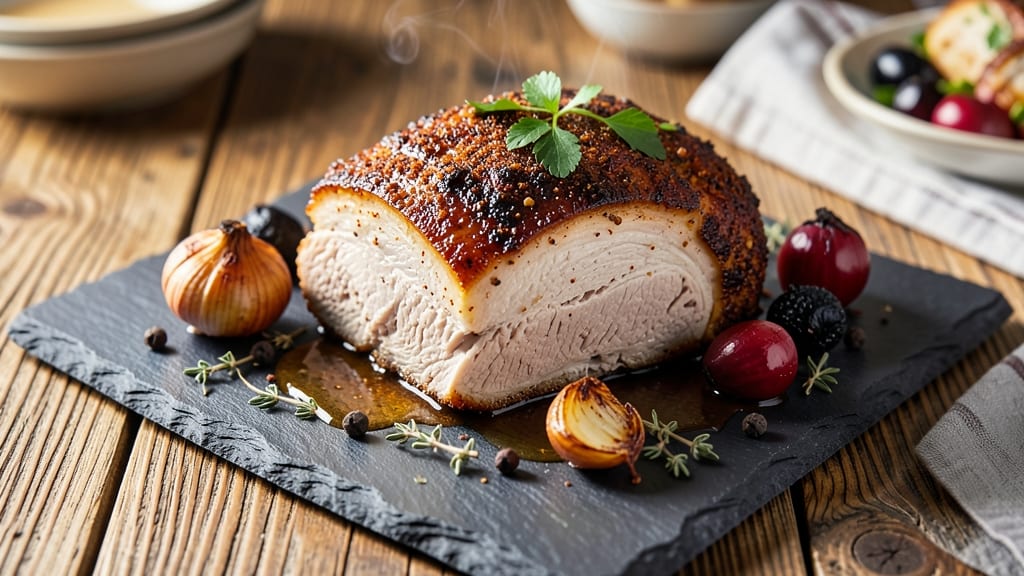
This Cajun pork shoulder roast delivers the perfect balance of spice-rubbed crust and fall-apart tenderness that makes it a showstopper for gatherings. 🔥 I've perfected this technique over years of cooking for crowds at my restaurant, where we serve 2,000 pounds of pork weekly—this is the method that always gets rave reviews.
The secret lies in a carefully balanced Cajun spice blend that creates a flavorful bark while keeping the meat juicy inside.
What sets this recipe apart is the combination of traditional Cajun seasoning with modern cooking techniques. You'll start with a dry rub that includes paprika, garlic powder, onion powder, and cayenne—just enough heat to wake up the pork without overpowering it.
The key is low-and-slow cooking, which transforms tough pork shoulder into melt-in-your-mouth perfection. I recommend using a meat thermometer to ensure you pull it at the perfect temperature—no more guessing games.
By the time you're done, you'll have a pork shoulder that's tender enough to shred with a fork while maintaining that beautiful spice crust. The aroma alone will have everyone gathering around your table, and each bite delivers layers of smoky, spicy, and savory flavors.
This is the kind of dish that turns a simple weeknight dinner into a memorable feast.
Serve with classic sides like creamy coleslaw, cornbread, and roasted sweet potatoes to complete the Southern experience. The leftovers? Even better the next day—perfect for sandwiches or tacos. Let's get cooking!
Ingredients for cajun pork shoulder roast
Six ingredients for the rub, plus the star: a perfectly marbled pork shoulder that transforms into tender perfection.
| Ingredient | Amount | Notes |
|---|---|---|
| Pork Shoulder (Bone-In) 🐖 | 4 lb | Well-marbled, 2-3 inches thick |
| Smoked Paprika 🌶️ | 2 tbsp | High-quality, not sweet |
| Garlic Powder 🧄 | 1 tbsp | Freshly ground preferred |
| Onion Powder 🧅 | 1 tbsp | No added salt |
| Dried Thyme 🌿 | 1 tbsp | Or 1 tbsp fresh thyme |
| Ground Black Pepper 🌶️ | 1 tbsp | Freshly cracked preferred |
| Cayenne Pepper 🔥 | 1 tsp | Adjust for heat preference |
| Kosher Salt 🧂 | 1 tbsp | Diamond Crystal preferred |
| Brown Sugar 🍯 | 1 tbsp | Light or dark |
| Olive Oil 🫒 | 1 tbsp | For rub adhesion |
| Apple Cider Vinegar 🍎 | 2 tbsp | For tenderizing |
| Fresh Rosemary 🌿 | ½ cup | Chopped, for aroma |
| Fresh Parsley 🌿 | ¼ cup | Chopped, for garnish |
The pork shoulder is non-negotiable here—look for bone-in cuts with good marbling at your butcher or Costco. I always ask for a 4-pound bone-in shoulder because the bone adds flavor and helps keep the meat moist during cooking. Trader Joe's and Whole Foods carry excellent pre-cut pork shoulders too. The spices? Penzeys Spices is my go-to for quality, but any reputable brand works. Freshness matters: if your spices smell musty or taste flat, toss them. The smoked paprika should have a deep, smoky aroma—this is what creates that signature Cajun crust.
No smoked paprika? Substitute with 1 tbsp regular paprika plus ½ tsp liquid smoke. Want less heat? Reduce the cayenne to ½ tsp. Fresh herbs can be swapped for dried at one-third the amount, but I always use fresh for that restaurant-quality aroma. The brown sugar adds just enough caramelization to balance the spices—don't skip it. For extra tenderness, let the pork sit in the vinegar marinade for 30 minutes before applying the rub. And trust me on the olive oil—it helps the spices stick like glue, creating that perfect crust we're after.
This roast is a make-ahead dream. Prep the rub and pat the pork dry the night before—store it in the fridge uncovered to dry the surface even more. Cooking time varies, but plan for 6-8 hours at 275°F until it reaches 203°F internal temp. The leftovers? Absolutely divine. Shred and freeze portions for up to 3 months—perfect for quick sandwiches or tacos. I always make double batches because the second day is when this dish truly shines.
Why You'll Love This Recipe
- One-Pan Magic: I swear by this recipe because it’s all on one sheet pan—no chopping boards, no extra pots, just rub the meat, toss in the spices (that smoked paprika? Chef’s kiss), and let the oven do the work. My counter stays clear, my hands stay clean, and somehow, dinner still feels like a victory.
- Smoky Depth Without Effort: Between us, bone-in pork shoulder is my shortcut to restaurant-quality flavor. The thyme and garlic powder seep into the meat while it roasts, and that smoked paprika? It turns the crust into something dangerously crispy—like a cross between a BBQ joint and a home-cooked hug. Minimal spices, maximum punch.
- Leftovers That Save Me: This roast is my meal-prep MVP. I’ll make a big batch on Sunday, and by Wednesday, I’m pulling out slices for tacos, sandwiches, or even a quick fried rice. The flavor only gets better as it rests, and honestly? Fewer takeout nights mean more money in my pocket.
- Weeknight Crowd-Pleaser: Here’s what sold me—it works for game days, lazy Sundays, or when my in-laws drop by unannounced. The bone-in version feeds a crowd without breaking the bank, and everyone from my picky teenager to my grandma raves about it. Plus, it’s the kind of dish that makes you look like a hero with zero stress.
Step-by-step instructions for Cajun pork shoulder roast
Here's how to transform a simple pork shoulder into a showstopping roast with crispy, spice-crusted edges and melt-in-your-mouth tenderness.
👨🍳 Step 1: Create the Perfect Cajun Rub
In a medium bowl, combine the 2 tbsp smoked paprika, 1 tbsp garlic powder, 1 tbsp onion powder, 1 tbsp dried thyme, 1 tbsp ground black pepper, 1 tsp cayenne pepper, 1 tbsp kosher salt, and 1 tbsp brown sugar. This is your flavor foundation—the cayenne brings heat while the brown sugar helps create that signature caramelized crust. Mix until the spices are thoroughly blended and evenly distributed.
Next, stir in the 1 tbsp olive oil and 2 tbsp apple cider vinegar to create a paste-like consistency. The vinegar acts as a natural tenderizer and helps the rub cling to the meat. The oil ensures the spices adhere properly and creates a beautiful crust when roasted. This mixture should be thick but spreadable—if it's too dry, add a splash of water.
👨🍳 Step 2: Prep and Coat the Pork Shoulder
Pat the 4 lb pork shoulder completely dry with paper towels—this is crucial for developing that crispy crust. Any moisture left on the surface will prevent the rub from sticking properly and create steam instead of a crust. I like to work in sections, pressing firmly to ensure all surfaces are bone dry.
Generously coat the pork shoulder with the Cajun rub mixture, pressing it into every nook and cranny. Don't be shy—you want a thick, even layer that will form a deep, flavorful crust. Pay special attention to the bone areas and any crevices where the rub might not reach. Once coated, place the pork on a wire rack set over a rimmed baking sheet to allow air circulation on all sides.
🔥 Step 3: Roast Until Probe-Tender
Preheat your oven to 325°F—this lower temperature ensures even cooking without drying out the meat. Place the pork shoulder in the oven and roast for 4 hours, then increase the temperature to 375°F for the final 30 minutes. The initial low-and-slow cook breaks down the collagen for tenderness, while the final high-heat blast creates that irresistible crust.
Here's the real test: use a meat thermometer to check the internal temperature. The pork is done when it reaches 203°F—this is the "probe-tender" stage where the meat should pull apart easily with just a fork. If you don't have a thermometer, you can use the "finger test": press your finger into the meat; if it leaves an indentation that doesn't spring back, it's ready.
⏰ Step 4: Rest and Garnish for Maximum Flavor
Remove the pork from the oven and tent loosely with aluminum foil. Let it rest for 30-45 minutes before slicing—this crucial step allows the juices to redistribute throughout the meat, preventing them from pooling on your cutting board. I know it's tempting to dig in immediately, but patience here makes all the difference in texture and moisture.
While the pork rests, finely chop the 0.5 cup fresh rosemary and 0.25 cup fresh parsley. Sprinkle this fragrant garnish over the top just before serving. The rosemary adds a piney aroma that complements the Cajun spices perfectly, while the parsley provides a fresh contrast. The combination makes your dish look as impressive as it tastes.
🔪 Step 5: Slice and Serve with Confidence
Using a sharp carving knife, slice the pork shoulder against the grain into ½-inch thick slices. The grain runs lengthwise through the muscle fibers, so cutting perpendicular gives you the most tender bites. If you're unsure about the grain direction, look for the natural lines in the meat—these indicate the muscle fibers and where you should cut.
Serve immediately with your favorite sides—crusty bread to soak up the juices, a simple green salad to cut through the richness, or some roasted vegetables for color and nutrition. Each bite should deliver a perfect balance of smoky, spicy, and sweet flavors with that irresistible crispy crust. This is the kind of dish that makes your kitchen smell amazing and leaves everyone asking for seconds!
Pro Tips For Making Cajun Pork Shoulder Roast
- CRANK THE HEAT FIRST: I learned this the hard way—starting at 375°F (190°C) won’t get you that deep, caramelized crust. Blast that pork shoulder at 425°F (220°C) for the first 20 minutes uncovered. The Maillard reaction needs that initial shock to lock in flavor before you slow it down.
- SALT THE PORK 24 HOURS EARLY: Skip the rush and season your pork shoulder with at least 1 tablespoon of kosher salt per pound the night before. It’s not just about taste—it helps tenderize the meat and keeps it juicy. (Yes, even if you’re impatient like me.)
- AVOID TOO MUCH THYME: Dried thyme is potent, and this recipe doesn’t need much. One teaspoon is plenty—any more, and you’ll taste it as a dominant herb rather than a supporting player. Fresh thyme works too, but halve the amount.
- USE BONE-IN FOR BETTER FLAVOR: I know, it’s heavier to carry, but the bone-in pork shoulder stays juicier and develops richer flavor during the long cook. If you’re set on boneless, just add 10-15 extra minutes to the cooking time—it dries out faster.
Best sauces and condiments for this recipe
Classic Cajun Remoulade
This tangy, creamy sauce is my go-to for adding moisture and depth to each bite. Start with ½ cup mayonnaise, then whisk in 2 tbsp Dijon mustard, 1 tbsp hot sauce (like Crystal or Tabasco), 1 tbsp apple cider vinegar, and 1 tsp Worcestershire sauce.
For the Cajun kick, add 1 tsp smoked paprika, ½ tsp cayenne pepper, and ½ tsp garlic powder. Thin with 1-2 tbsp water if needed—this sauce should coat the back of a spoon but remain spreadable. Serve warm or at room temperature. 🍽️
Spicy Brown Sugar Glaze
This glaze takes your pork to the next level with caramelized sweetness and heat. Combine ½ cup brown sugar, ¼ cup apple cider vinegar, 2 tbsp hot sauce, 1 tbsp smoked paprika, and 1 tsp cayenne pepper in a saucepan.
Simmer over medium heat for 10-12 minutes, stirring frequently, until thickened to a syrupy consistency. Brush generously over the pork during the final 30 minutes of cooking—it'll create a sticky, glossy crust that's irresistible. 🔥
Creamy Garlic-Herb Butter
For a rich, velvety finish, melt ½ cup unsalted butter with 3 minced garlic cloves, 1 tbsp chopped fresh thyme, and 1 tsp kosher salt in a small saucepan. Keep it warm over low heat until ready to serve.
Spoon dollops over sliced pork shoulder or use it to baste during the final minutes of roasting. The garlic and herbs complement the Cajun spices beautifully while adding a luxurious texture. 💛
Pickled Red Onion Topping
Brighten the plate with quick-pickled onions that cut through the richness. Thinly slice 1 red onion and soak in a mixture of ½ cup apple cider vinegar, 1 tbsp sugar, and ½ tsp salt for at least 30 minutes.
Drain before serving. The tangy crunch adds freshness and balances the smoky, spicy flavors of the pork. I love scattering these over the top just before serving. 🌶️
Smoky Chipotle Aioli
For a smoky, creamy dip or sauce, blend ½ cup mayonnaise, 1 chipotle pepper in adobo sauce (minced), 1 tsp lime juice, ½ tsp garlic powder, and ¼ tsp smoked paprika until smooth. Adjust heat with more chipotle or a pinch of cayenne.
This aioli pairs perfectly with the pork and adds a smoky depth that echoes the Cajun rub. Serve with crusty bread or as a dipping sauce. 🌟
Nutrition facts
Frequently asked questions
Can I use a different cut of pork instead of bone-in shoulder?
While bone-in pork shoulder is ideal for flavor and moisture, you can use a pork butt (they're essentially the same cut) or even a pork picnic roast. For boneless cuts, increase cooking time by 30-45 minutes since they lose heat faster. Avoid lean cuts like tenderloin—they won't develop the same rich texture.
How do I adjust the heat level for picky eaters?
Reduce the cayenne to ½ teaspoon or omit it entirely for a milder flavor. You can also replace ½ teaspoon of the smoked paprika with regular paprika to mellow the smokiness. For extra sweetness, increase the brown sugar to 2 tablespoons. The pork will still taste delicious—just less fiery!
What's the best way to reheat leftovers without drying them out?
Slice the pork and reheat in a skillet with 1-2 tablespoons of chicken broth over medium-low heat for 5-7 minutes until warmed through. For oven reheating, cover with foil and warm at 300°F for 20-25 minutes. Never microwave—it turns the meat rubbery.
Can I make this in a slow cooker or Instant Pot?
For a slow cooker, rub the pork, place it in the cooker with ½ cup apple juice, and cook on low for 8-10 hours or high for 5-6 hours. For an Instant Pot, sear the pork first, then cook on high pressure for 60 minutes with ½ cup broth. The pressure method keeps the meat incredibly tender.
Why did my pork shoulder turn out dry?
Overcooking is the most common cause—pork shoulder should reach 203°F internal temp, not higher. If you don't have a thermometer, use the finger test: press your finger into the meat; if it springs back, it needs more time. Also, patting the pork dry before seasoning is crucial—moisture prevents proper crust formation. For extra moisture, add ½ cup broth to the pan during roasting.