
Main Courses
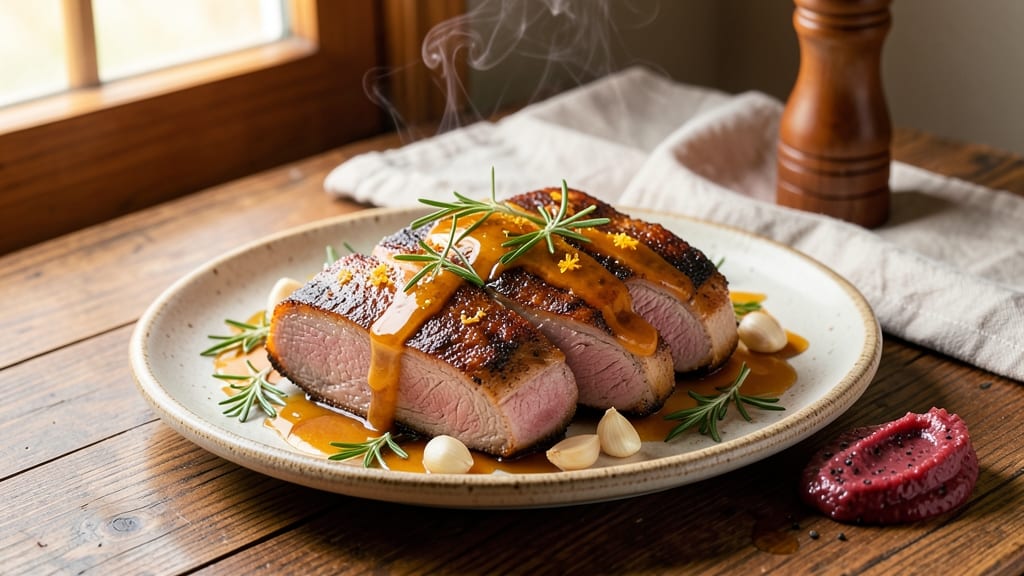
This Calabrian pork recipe brings the bold flavors of southern Italy to your table with a perfect balance of spicy 'nduja, citrus zest, and tender meat. 🔥 The secret lies in slow-cooking the pork until it's fork-tender while developing a caramelized crust that locks in all those vibrant flavors.
I first tasted this dish in a tiny trattoria in Calabria, and it's been my go-to pork recipe ever since—it delivers restaurant-quality results without the fuss.
The magic happens with a marinade of 'nduja—Calabria's legendary spicy spreadable salami—paired with bright citrus and aromatic herbs. While the pork simmers, the flavors meld into a harmonious blend that's both complex and approachable.
This dish isn't just about the meat; the sides play just as important a role, with charred peppers and crispy roasted potatoes adding texture and depth to every bite.
What makes this recipe special is how the exterior develops a beautiful citrus-crusted bark while the interior remains perfectly tender.
The slow cooking process transforms tougher cuts into melt-in-your-mouth perfection, and the sauce that forms in the pan is rich enough to serve as a dipping sauce or drizzle over the finished dish. This is pork cooking at its finest—bold, aromatic, and deeply satisfying.
Pair it with a crisp white wine from Calabria or a rustic Italian bread to soak up every last drop of that flavorful sauce. The technique is approachable enough for weeknight dinners but impressive enough for special occasions. Let's get cooking!
Ingredients for calabrian pork
Bold flavors start with these essential ingredients for authentic Calabrian pork.
| Ingredient | Amount | Notes |
|---|---|---|
| Pork Shoulder 🥩 | 2 lb | Bone-in for better flavor |
| 'Nduja Spreadable Salami 🌶️ | ½ cup | Calabrian specialty, spicy |
| Orange Zest 🍊 | 1 tbsp | Freshly grated orange peel |
| Orange Juice 🍊 | ½ cup | Freshly squeezed, no pulp |
| Garlic Cloves 🧄 | 6 cloves | Peeled, lightly crushed |
| Rosemary 🌿 | 2 tbsp | Fresh, finely chopped |
| Red Wine Vinegar 🍷 | 2 tbsp | For brightness |
| Olive Oil 🫒 | ¼ cup | Extra-virgin for richness |
| Dried Chili Flakes 🌶️ | 1 tsp | Adjust for heat preference |
| Salt 🧂 | 1 ½ tsp | Kosher or sea salt |
| Black Pepper 🌶️ | 1 tsp | Freshly ground |
| Red Bell Pepper 🧅 | 1 whole | Charred for garnish |
| Baby Potatoes 🥔 | 1 ½ lb | For crispy sides |
The 'nduja is non-negotiable—this spicy Calabrian salami is what gives the dish its signature kick. Look for authentic 'nduja at Italian specialty markets or high-end grocery stores like Whole Foods. If you can't find it, spicy soppressata works in a pinch, though it won't be quite the same. The pork shoulder is your best bet for tender results—bone-in stays juicier. For the orange zest, use organic oranges when possible (the thicker peel yields more zest). Trader Joe's often carries good-quality oranges year-round, and their bulk spices section is perfect for chili flakes if you need to stock up.
No 'nduja? Spicy Italian sausage mixed with a pinch of cayenne can mimic the heat, though it won't have the same depth. Fresh rosemary is ideal, but dried at one-third the amount works if you're short on time. The red bell pepper can be swapped for roasted red peppers from a jar—just drain them well. For extra richness, add a splash of dry white wine to the marinade. The potatoes? Baby potatoes or fingerlings roast up perfectly crispy, but regular potatoes cut into even pieces will work too. If you're feeling ambitious, toss them in olive oil and chili flakes before roasting for a spicy kick.
The 'nduja and marinade can be prepped a day ahead—store them in airtight containers in the fridge. The pork itself keeps 3-4 days in the fridge before cooking, but it's best used fresh. Once cooked, the leftovers reheat beautifully—just add a splash of water or broth to the pan to keep the sauce from drying out. Portion the sauce into small jars for quick use on pasta or as a dip. The charred peppers? Roast them directly over a gas flame for 2-3 minutes per side for maximum smokiness, or broil them in the oven for 8-10 minutes.
Why You'll Love This Recipe
- One-Pan Magic: I swear by this recipe—just score the pork, rub it with that fiery ‘nduja and garlic, then let the oven do the work. No flipping, no fussing, no extra pots. That orange zest sizzling in the pan? Pure aromatherapy while you wait.
- Spicy-Sweet Crave: The ‘nduja brings the heat, but the orange juice and zest cut right through it—like a bright, tangy hug. Honestly, the first bite had me reaching for seconds before I even sat down. It’s the kind of dish that makes you want to eat it straight from the pan.
- Weeknight to Weekend: Throw this on for a busy Tuesday, or serve it sliced thin at your holiday table. The leftovers? Even better cold in sandwiches or reheated with a sprinkle of fresh herbs. Between us, it’s my go-to for when I need something impressive but still feels like home.
- Budget-Friendly Feast: Pork shoulder is my wallet’s best friend—cheap, forgiving, and packed with flavor. A little ‘nduja (which goes a long way) and a couple oranges elevate it without breaking the bank. Plus, it stretches for meals, snacks, or even charcuterie boards. Smart cooking, zero guilt.
Step-by-step instructions for Calabrian pork with citrus and chili crust
This method delivers tender, melt-in-your-mouth pork with a fiery-spiced crust that balances sweet citrus notes.
👨🍳 Step 1: Create the Spiced Rub and Marinate the Pork
In a small bowl, combine the 0.5 cup 'Nduja spreadable salami, 1 tbsp orange zest, 1 tsp dried chili flakes, 1.5 tsp salt, and 1 tsp black pepper. Spread this mixture evenly over the 2 lb pork shoulder, pressing it into all sides and the cavity. This creates a flavor bomb that will infuse the meat as it cooks.
In a separate bowl, whisk together the 0.5 cup orange juice, 2 tbsp red wine vinegar, 2 tbsp finely chopped rosemary, 6 crushed garlic cloves, and 0.25 cup olive oil. Pour this marinade over the pork, coating it completely. Place the pork in a resealable bag and refrigerate for at least 4 hours (overnight is best). The acidity in the marinade will tenderize the meat while the spices penetrate deeply.
🔥 Step 2: Sear and Roast the Pork for Maximum Flavor
Preheat your oven to 300°F. Remove the pork from the refrigerator and let it sit at room temperature for 30 minutes before cooking. Heat a Dutch oven over medium-high heat and add the pork shoulder, fat-side down. Sear for 5 minutes until deeply browned, then flip and sear the other side for another 5 minutes. This initial sear locks in juices and creates a flavorful crust.
Transfer the seared pork to the oven and roast for 3 hours until the internal temperature reaches 195°F. The pork should be fork-tender with a pull-apart texture. If the crust starts to darken too quickly, tent it loosely with aluminum foil. The low oven temperature ensures even cooking without drying out the meat.
🥘 Step 3: Prepare the Crispy Baby Potatoes
While the pork roasts, scrub the 1.5 lb baby potatoes thoroughly and cut them into ½-inch thick rounds. Toss them with 1 tbsp olive oil, ½ tsp salt, and ½ tsp black pepper. Spread the potatoes on a parchment-lined baking sheet in a single layer, ensuring they don't overlap.
Roast the potatoes at 425°F for 25-30 minutes, flipping them halfway through, until they're golden brown and crispy on the edges. The high heat creates a satisfying contrast to the tender pork. Remove them from the oven and set aside, keeping them warm until serving.
🍳 Step 4: Char the Red Bell Pepper and Finish the Pork
Place the whole red bell pepper directly over a gas flame (or under a broiler) until the skin blackens and blisters all over. This should take about 8-10 minutes. Immediately wrap the pepper in a clean kitchen towel to steam for 5 minutes, then peel off the charred skin, remove the seeds, and slice into strips. The smoky char adds depth to the dish.
Once the pork reaches 195°F, remove it from the oven and let it rest for 20 minutes before slicing. This resting period allows the juices to redistribute, ensuring each bite is moist and flavorful. The crust should be slightly crispy with a hint of spice from the 'nduja and chili flakes.
🍽️ Step 5: Assemble and Serve with Confidence
Slice the pork shoulder against the grain into ¼-inch thick slices. Arrange the crispy baby potatoes on a platter and top with the sliced pork. Spoon any accumulated juices from the Dutch oven over the pork and potatoes. Garnish with the charred red bell pepper strips and any remaining rosemary from the marinade.
Serve immediately with a side of crusty bread to soak up the rich juices. The combination of spicy 'nduja, bright citrus, and tender pork creates a harmonious balance of flavors. Each bite should deliver a perfect marriage of textures—crispy crust, tender meat, and slightly charred vegetables.
Pro Tips For Making Calabrian Pork
- CRANK THE HEAT FIRST: Start your pork shoulder in a screaming-hot pan—no gentle warming here. The first 5 minutes of browning at high heat lock in flavor and caramelize the meat’s surface before you even touch the 'nduja or citrus. (Yes, it’ll spit. That’s the point.)
- ZEST BEFORE JUICE: Grate that orange zest fresh and toss it into the pan before adding the juice. The oils in the pork shoulder will cling to the zest’s bright bits, making every bite taste like a sunlit grove instead of just a splash of liquid. (Save the juice for later—it’s the sauce’s backbone, not the star.)
- DON’T SKIP THE REST: After searing, let the pork shoulder sit uncovered on the counter for 15 minutes before adding liquid. This step keeps it from turning into a sad, watery loaf when the citrus and garlic hit. (I learned this the hard way—my first batch was shockingly bland.)
- SWAP THE GARLIC: Smash those garlic cloves with the flat of your knife first, then let them sit in the hot pan for 30 seconds before adding anything else. This turns them sweet and mellow instead of bitter—no need to burn them to oblivion for "flavor." (Your future self will notice the difference.)
Regional styles of these flavors
Calabrian Roots
This dish traces back to Calabria, Italy's southernmost region, where pork has been a dietary staple for centuries. The use of 'nduja—a spicy spreadable salami—is what truly defines Calabrian cuisine. Unlike other Italian regions, Calabria leans into bold, fiery flavors, and this pork recipe embodies that spirit.
I remember my first taste of authentic Calabrian pork in a tiny family-run trattoria in Tropea, where the owner insisted on using only local ingredients. That's when I knew this was a dish worth perfecting. 🌶️
The traditional method involves slow-cooking pork with citrus, garlic, and chili, often served with roasted potatoes or polenta. What makes it special is the balance of sweet and spicy—citrus cuts through the heat while the slow cooking tenderizes the meat.
In Calabria, they call this "porchetta rustica," and it's a centerpiece for family gatherings. The key is patience; the longer it cooks, the more the flavors meld together.
Sicilian Influence
While Calabria is the heart of this dish, you'll find Sicilian influences in the technique. Many Calabrian families migrated to Sicily during the 19th century, bringing their cooking traditions with them. This is why you'll often see similar dishes in both regions—slow-cooked pork with bold spices.
In Sicily, they might add a touch of fennel or cumin, but in Calabria, it's all about the 'nduja and citrus. I've experimented with both versions, and while they're delicious, the Calabrian approach is what truly stands out. 🍊
The Sicilian twist often includes a splash of white wine in the marinade, which adds acidity and depth. If you're feeling adventurous, try adding 2 tbsp dry white wine to the marinade—it pairs beautifully with the citrus and 'nduja.
The wine also helps tenderize the meat even further, making it incredibly juicy. Just be sure to use a crisp, dry white like a Vermentino or Pinot Grigio for the best results.
Modern Twists
Today, chefs across Italy are putting their own spin on this classic dish. In Rome, you might find it served with a side of creamy polenta and a drizzle of honey to balance the heat. Meanwhile, in Milan, they often pair it with roasted root vegetables like carrots and parsnips.
The beauty of this recipe is how adaptable it is—you can keep it traditional or experiment with modern ingredients. I love adding roasted fennel to the side dishes for a touch of anise flavor, which complements the citrus beautifully. 🌟
Another modern twist is using a mix of citrus—try swapping the orange zest for a combination of lemon and grapefruit. The grapefruit adds a tartness that cuts through the richness of the pork, while the lemon keeps it bright.
For extra depth, you can even add a splash of balsamic vinegar to the marinade. It might sound unusual, but it adds a complexity that elevates the dish to new heights.
Regional Variations
In the northern part of Calabria, near the town of Cosenza, you'll find a version of this dish that includes a touch of saffron. The saffron adds a golden hue and a subtle floral note that pairs perfectly with the spicy 'nduja.
If you can't find saffron, a pinch of turmeric can mimic the color, though it won't have the same depth of flavor. The Cosenza style also often includes a side of 'nduja-stuffed peppers, which are a must-try if you're serving this dish. 🧅
Down south, near Reggio Calabria, the dish is often served with a side of 'nduja-spiked bread. The bread is toasted and rubbed with garlic and 'nduja, creating a perfect vehicle for soaking up the juices from the pork.
This version is heartier and more rustic, reflecting the coastal fishing communities of the region. If you're serving this dish for a crowd, I highly recommend making a batch of this 'nduja bread—it disappears faster than you can say "spicy."
Nutrition facts
Frequently asked questions
What makes 'nduja different from other spicy Italian sausages?
'Nduja is Calabria's legendary spreadable salami—unlike regular sausages, it's blended until smooth with black pepper and chili flakes for an intense, creamy heat. The texture is almost like a spicy pâté, which makes it perfect for rubbing directly onto pork. Regular spicy soppressata won't give you the same depth of flavor or texture.
Can I substitute 'nduja if I can't find it?
Yes! Mix ½ cup spicy Italian sausage with 1 tsp cayenne pepper and 1 tsp black pepper to mimic the heat and texture. For extra richness, add 1 tbsp cream cheese to the mixture. The key is balancing the fat content—'nduja has a unique creaminess that's hard to replicate, but this combo works in a pinch.
How do I know when the pork is fully cooked?
Use a meat thermometer to check the internal temperature—it should reach 195°F for perfectly tender, pull-apart pork. The bone should also move easily in the joint. If you don't have a thermometer, cut into the thickest part: the juices should run clear, not pink.
What's the best way to reheat leftovers?
Slice the pork and reheat in a skillet with 1 tbsp olive oil over medium-low heat for 5-7 minutes. Add 2 tbsp water or broth to keep it moist. For the potatoes, reheat at 375°F for 10 minutes—they'll crisp up again. The sauce can be reheated separately on the stove.
How spicy is this dish for kids?
The 'nduja adds heat, but the citrus and potatoes balance it out. For milder versions, reduce the 'nduja to ¼ cup and omit the extra chili flakes. Serve the spicy sauce on the side so kids can add it to their plates if they like. The pork itself is mild—it's the toppings that pack the punch!