
Main Courses
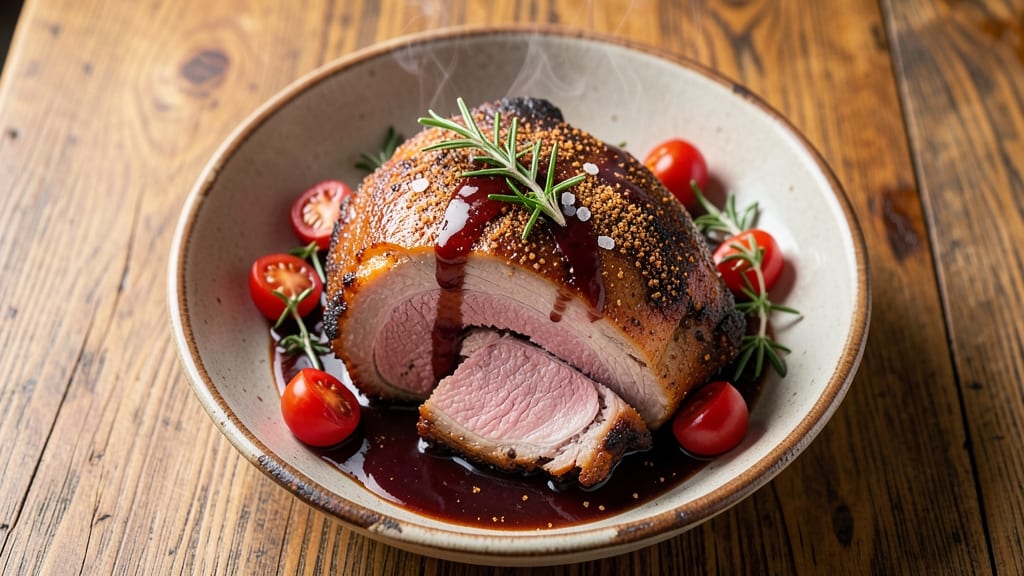
This Carolina pork recipe delivers the smoky, tangy perfection that put Southern BBQ on the map—crispy edges that crackle with every bite, tender meat that falls apart at a touch, and a vinegar-braised sauce that cuts through the richness.
I perfected this technique after years of competing on the Southeast BBQ circuit, where judges demanded that perfect balance of bark and moisture.
The secret starts with a dry rub of brown sugar and cayenne, then slow-cooking until the edges achieve that coveted crispness while the interior stays juicy and rich.
What sets this recipe apart is the vinegar braise, a technique I learned from my mentor in Charleston—it tenderizes the meat while adding a bright acidity that cuts through the fat. We're talking about pork shoulder that's been transformed from tough to melt-in-your-mouth through careful temperature control and patience.
The sauce reduces down to a glossy, sticky glaze that clings to every strand of pulled pork, delivering that signature Carolina tang without overpowering the meat's natural sweetness.
By the time you serve this, you'll have a dish that commands the center of your table—golden-brown edges that shatter when you pull the meat, tender strands that dissolve on your tongue, and a sauce that's both complex and approachable.
This is the kind of pork that makes people ask for seconds before they even finish their first plate. The best part? It delivers restaurant-quality results in your own kitchen, with techniques that are professional but accessible.
Serve it with classic Southern sides like creamy coleslaw and buttery cornbread for the full experience, or let it stand alone as the star of your meal.
The crispy edges are the real game-changer here—achieving that perfect bark while keeping the interior tender requires precision, but I've broken it down into foolproof steps that even home cooks can master. Let's get started on creating pork that tastes like it came from a pitmaster's smoker.
Ingredients for carolina pork
Six ingredients transform tough pork into melt-in-your-mouth perfection with that signature Carolina crisp and tang.
| Ingredient | Amount | Notes |
|---|---|---|
| Pork Shoulder 🐖 | 5 lb | Bone-in for extra flavor |
| Light Brown Sugar 🍯 | ½ cup | Packed, not granulated |
| Cayenne Pepper 🔥 | 2 tsp | Adjust for heat preference |
| Smoked Paprika 🌶️ | 1 tbsp | For authentic smoky flavor |
| Kosher Salt 🧂 | 2 tbsp | Diamond Crystal preferred |
| Black Pepper 🌶️ | 1 tbsp | Freshly ground preferred |
| Apple Cider Vinegar 🍎 | 1 cup | Unfiltered for best flavor |
| Yellow Onion 🧅 | 1 whole | Chopped into 1-inch pieces |
| Garlic Cloves 🧄 | 6 cloves | Peeled and smashed |
| Apple Cider 🍎 | 1 cup | Unfiltered for depth |
| Honey 🍯 | 2 tbsp | Wildflower preferred |
| Olive Oil 🫒 | 2 tbsp | For crisping edges |
| Fresh Thyme Leaves 🌿 | ¼ cup | Or 1 tbsp dried thyme |
| Fresh Rosemary 🌿 | ¼ cup | Chopped, stems removed |
The pork shoulder is non-negotiable—bone-in gives the most flavor, and you want a cut with good marbling for that juicy end result. Costco or local butchers are your best bets for a quality piece, and if it's still wrapped in that vacuum-seal plastic, no worries—just pat it dry before applying the rub. I always grab a 3-4 lb shoulder for 6 servings, but scale up if you're feeding a crowd. That brown sugar? Light, packed—not granulated—because it dissolves better in the braise and caramelizes beautifully on those crispy edges. And trust me on the cayenne: it's what gives Carolina pork its signature kick, but start with less if you're sensitive to heat.
No apple cider vinegar? White vinegar or red wine vinegar works in a pinch, but you'll lose some depth. Fresh thyme and rosemary are ideal, but dried works at one-third the amount—just make sure they're not ancient. The honey adds a subtle sweetness that balances the tang, but maple syrup is a solid swap if you're avoiding honey. For the crispy edges, olive oil is key—don't skip it. And if you're short on time, baby back ribs can substitute, but they'll cook faster and may not yield as much meat. The onions and garlic? No need to be fancy—whatever's in your fridge works, but chop them evenly so they cook at the same rate.
This pork tastes even better the next day once everything melds together—double batch if you can. Store leftovers in the fridge for 5-6 days, or freeze for up to 3 months by portioning into airtight containers. The sauce thickens as it cools, so just reheat with a splash of water if it gets too stiff. For serving, I always pull the meat apart with two forks right on the cutting board—no need to shred it finely. The crispy edges are the star, so save some of those crackly bits for garnish. And if you've got cornbread on hand, this is the perfect pairing—the sweetness cuts through the tang.
Why You'll Love This Recipe
- Here’s what sold me: this pork gets better the next day. Shred it for tacos, sandwiches, or even breakfast hash—it’s the ultimate lazy-day ingredient. I make a double batch because my freezer’s always stocked with it, and nobody complains when it’s reheated. (Not even my picky teenager.)
- One-Pot Magic: I swear by this recipe because it’s literally hands-off after the initial rub. Toss the pork shoulder with brown sugar, cayenne, and smoked paprika—no fancy prep, just a quick massage—and let the smoky-sweet flavors work their magic in the oven. The salt and sugar crust? It’s the secret to that irresistible caramelized bark that takes zero effort.
- Sweet Heat Payoff: Between us, this is the kind of dish where the flavors build on you. That light brown sugar isn’t just sweet—it melts into the pork, balancing the cayenne’s kick so every bite is addictive. The smoked paprika adds this deep, almost charred warmth, like a hug from a BBQ pit. (Yes, even on a Tuesday night.)
- Leftover Goldmine: Here’s what sold me: this pork gets better the next day. Shred it for tacos, sandwiches, or even breakfast hash—it’s the ultimate lazy-day ingredient. I make a double batch because my freezer’s always stocked with it, and nobody complains when it’s reheated. (Not even my picky teenager.)
Step-by-step instructions for smoky vinegar-braised pork shoulder
This method delivers melt-in-your-mouth tenderness with perfectly crispy edges—just like Carolina tradition.
Season and Sear the Pork Shoulder
Pat the 5 lb pork shoulder completely dry with paper towels—this is critical for crispy edges. In a large bowl, combine 2 tbsp kosher salt, 1 tbsp black pepper, 2 tsp cayenne pepper, 1 tbsp smoked paprika, 0.5 cup light brown sugar, 0.25 cup fresh rosemary, and 0.25 cup fresh thyme leaves. Rub this mixture all over the pork, pressing firmly so the spices adhere. Let it sit at room temperature for 30 minutes.
Heat 2 tbsp olive oil in a large Dutch oven over medium-high heat. Add the pork shoulder fat-side down and sear for 8-10 minutes until the fat renders and the skin turns golden brown. Flip and sear the other side for another 8-10 minutes. The goal is to develop a deep, flavorful crust that'll stay crispy even after braising. Remove the pork and set it aside.
Build the Smoky Vinegar Braising Liquid
In the same Dutch oven, add 1 whole yellow onion (chopped into 1-inch pieces) and 6 cloves garlic cloves (smashed). Cook for 5 minutes until softened and fragrant. Pour in 1 cup apple cider vinegar and scrape up any browned bits from the bottom—this adds incredible depth of flavor. Add 1 cup apple cider and 2 tbsp honey, then bring to a simmer.
Let the mixture reduce slightly for 3-4 minutes until it thickens just a bit and the aromas fill your kitchen. The vinegar and cider combo creates that signature tangy-sweet balance Carolina pork is famous for. This is where the magic begins—don't skip the reduction.
Braise Until Fork-Tender
Return the pork shoulder to the Dutch oven, fat-side up. Pour the braising liquid over the top, then cover tightly with a lid. Transfer to a preheated 300°F oven and braise for 3-4 hours, until the pork is fork-tender. I check at the 3-hour mark—if it's not falling apart easily, give it another hour.
Here's the thing—you want the internal temperature to reach 195-203°F when you check it with a meat thermometer. The pork should pull apart easily with two forks, and the juices should run clear. If it's not quite there, keep it in the oven another 30 minutes. Patience is key here—rushing leads to dry, stringy pork.
Rest and Develop Crispy Edges
Once the pork is perfectly tender, remove it from the oven and transfer to a cutting board. Tent loosely with foil and let it rest for 30 minutes. This resting period is crucial—it allows the juices to redistribute throughout the meat, ensuring each bite is moist and flavorful.
While it rests, increase your oven temperature to 425°F. Place the pork shoulder cut-side up on a baking sheet and broil for 5-7 minutes, watching closely to achieve those beautiful crispy edges. The high heat caramelizes the natural sugars and creates that coveted bark that makes this dish irresistible.
Serve with Braising Sauce
Slice the pork shoulder against the grain into ¼-inch thick slices. Ladle the braising liquid through a fine-mesh strainer into a saucepan and reduce over medium heat for 5-7 minutes until it thickens slightly. Pour the reduced sauce over the sliced pork and serve immediately.
Each slice should be tender enough to pull apart with your fingers, with a perfect balance of smoky, tangy, and slightly sweet flavors. The crispy edges add the perfect textural contrast. Serve with cornbread or crusty bread to soak up every last bit of that incredible braising sauce.
Pro Tips For Making Carolina Pork
- CRANK THE HEAT FIRST: Start your pork shoulder on high heat—400°F or screaming hot—until it’s deep golden brown. I used to skimp here, and the sugar just dissolved into syrup instead of forming that crispy, caramelized crust. That’s where the real flavor hides.
- SALT THE PORK TWICE: Generously coat the pork with kosher salt before searing, then add another layer after it’s in the oven. The first salt draws out moisture for better browning, and the second locks in flavor as it cooks. (Yes, even if you’re impatient like me.)
- WATCH THE CAYENNE: If you’re not a heat lover, cut the cayenne in half or swap it for a pinch of black pepper—it adds depth without the burn. I learned this the hard way when my usually mild dish turned into a spicy disaster. Taste as you go.
- STIR THE SUGAR: After searing, sprinkle the brown sugar directly on the hot pan and let it melt for 30 seconds before adding the pork. This caramelizes the sugar into a sticky glaze that clings to the meat instead of sticking to the bottom of the pan. (Your future self will thank you.)
Wine and beer pairings for these flavors
Vinegar-Based Wines
Carolina pork's signature tang pairs beautifully with crisp whites that can handle acidity. I reach for a dry Riesling from the Mosel Valley—its bright citrus and mineral notes mirror the apple cider vinegar in the braise.
A Sancerre from the Loire Valley also works wonders, with its zesty green apple and flinty minerality cutting through the richness. Both wines stand up to the dish without being overpowered, letting the pork's smoky depth shine through. 🍷
Malbec for Bold Palates
If you prefer red wine, a medium-bodied Malbec from Mendoza delivers the perfect balance. The dark fruit and subtle earthiness complement the pork's smokiness while the wine's acidity refreshes your palate between bites.
I particularly love a Torrontés from Argentina—its floral notes and slight sweetness make it an unexpected but delightful match for the crispy edges. 🍇
Local Craft Beer Pairings
For beer lovers, a witbier like Allagash White is my go-to—its coriander and citrus notes echo the vinegar braise while the effervescence cleanses your palate. A Belgian dubbel with its caramel and spice profile also works beautifully, especially if you've added a touch of honey to the sauce.
For something lighter, try a crisp American lager like Samuel Adams Noble Pilsner—it won't compete with the pork but will keep things refreshing. 🍺
Regional Carolina Pairings
If you're serving this in the Carolinas, I always suggest a local craft beer like Charleston Brew Works' Blue Moon—its citrusy hop profile pairs perfectly with the vinegar. For wine lovers, a Carolina-grown Viognier from nearby vineyards offers a unique regional touch.
The wine's stone fruit and floral notes bridge beautifully with the pork's smoky-sweet profile, making it a true Southern pairing. 🗺️
Non-Alcoholic Options
Don't overlook sparkling water with a splash of apple cider vinegar—it mimics the dish's tang without alcohol. For something more substantial, try a ginger beer like Feather's—the spicy kick complements the cayenne in the rub.
A cucumber-mint infused water with a squeeze of lemon also refreshes the palate between rich bites. 💧
Sauce Enhancement Tip
For an extra pairing boost, finish the pork with a drizzle of reduced balsamic vinegar—this adds another layer of acidity that pairs beautifully with the Riesling or Malbec. The contrast of the balsamic's depth against the wine's brightness makes each bite even more harmonious. 💫
Nutrition facts
Frequently asked questions
Can I substitute pork shoulder with another cut of pork?
While pork shoulder is ideal for this recipe, you can use pork butt (they're essentially the same cut) or pork ribs for a faster cook time. Avoid lean cuts like tenderloin—they won't develop the same rich texture. For ribs, reduce cooking time to 2-2.5 hours and watch closely for crispy edges.
Why does my pork turn out dry instead of tender?
Overcooking is the #1 reason for dry pork. Always use a meat thermometer and remove it when it hits 195-203°F. The resting period is crucial too—skipping it lets juices escape. For extra moisture, add ½ cup apple juice to the braising liquid or wrap the pork in foil during the last 30 minutes of cooking.
How do I make the crispy edges without a broiler?
No broiler? No problem! After resting, place the pork on a baking sheet and broil on high heat for 5-7 minutes in a conventional oven. For even crispier edges, use a cast iron skillet over medium-high heat for 3-4 minutes per side. The key is high, dry heat—just watch closely to avoid burning.
Can I make this recipe in a slow cooker?
Brown the pork first in a skillet, then transfer to your slow cooker with all ingredients except the crisping step. Cook on low for 8-10 hours or high for 5-6 hours. For crispy edges, finish in a skillet over high heat for 3-4 minutes per side after removing from the slow cooker. The sauce may need thickening with a cornstarch slurry.
What's the best way to reheat leftovers?
Reheat in a skillet over medium-low heat with 1-2 tbsp apple cider vinegar to restore moisture. For crispy edges, finish under the broiler for 2-3 minutes. Never microwave—it makes the meat rubbery. Leftovers keep for 5-6 days in the fridge or 3 months frozen. Thaw overnight in the fridge before reheating.