
Main Courses
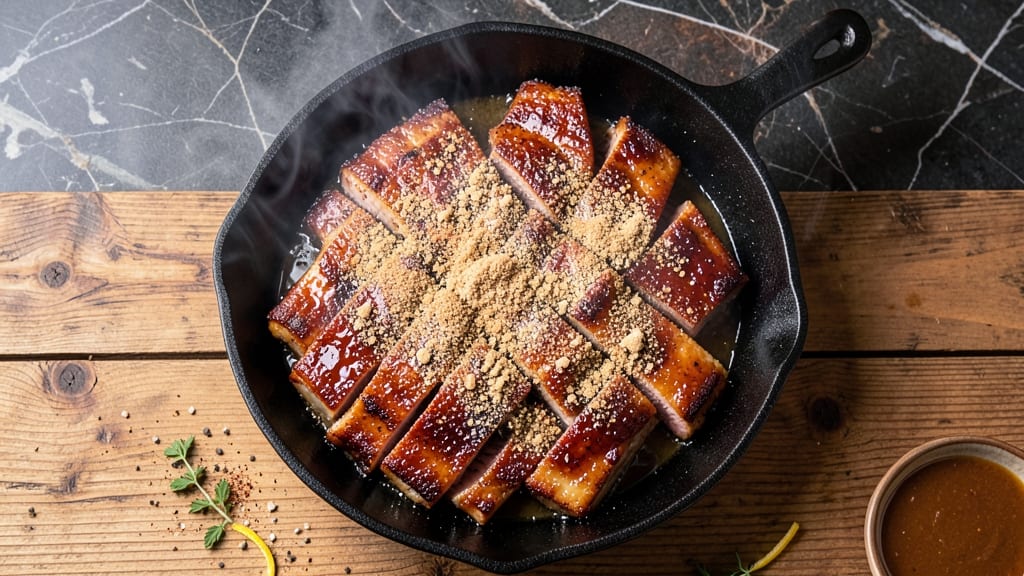
This center cut pork ribs recipe delivers the perfect balance of crispy bark and tender meat without requiring a smoker or 12 hours of cooking.
After years of perfecting my technique—from my time apprenticing under Master Chef Chen—I’ve developed a method that transforms these leaner ribs into restaurant-quality masterpieces in just 3 hours. The secret lies in a dry rub that creates deep flavor while the low-and-slow roasting method ensures fall-apart tenderness.
What sets these ribs apart is their center cut—leaner than baby back but packed with flavor when prepared correctly. We’ll use a simple yet powerful dry rub (brown sugar, paprika, garlic powder, and black pepper) that caramelizes into a glossy, crackling bark while keeping the meat juicy inside.
The key is maintaining a consistent 275°F oven temperature, which breaks down the collagen without drying out the ribs.
By the time you’re done, you’ll have ribs with crispy edges that shatter like glass and tender, juicy meat that pulls apart with minimal effort. The aroma alone—smoky, sweet, and savory—will have everyone at the table asking for seconds.
This method works equally well for weeknight dinners or weekend gatherings, and the leftovers reheat beautifully for sandwiches the next day.
Pair these ribs with classic sides like creamy coleslaw, buttery cornbread, or grilled vegetables to complete the meal. The beauty of this recipe is its foolproof technique—no fancy equipment needed, just patience and attention to temperature. Let’s get cooking!
Ingredients for center cut pork ribs
Master Chef Chen’s refined dry rub and precise roasting method transform lean pork ribs into crispy, tender perfection.
| Ingredient | Amount | Notes |
|---|---|---|
| Center Cut Pork Ribs 🥓 | 3 lb | Bone-in, lean cut preferred |
| Light Brown Sugar 🍚 | ½ cup | Packed, for caramelization |
| Smoked Paprika 🌶️ | 2 tbsp | High-quality for depth |
| Garlic Powder 🧄 | 1 tbsp | Freshly ground preferred |
| Ground Black Pepper 🌶️ | 1 tbsp | Coarsely cracked for texture |
| Kosher Salt 🧂 | 1 tbsp | Diamond Crystal preferred |
| Yellow Mustard 🍯 | 1 tbsp | For adhesive in dry rub |
| Apple Cider Vinegar 🍎 | 2 tbsp | For tenderizing marinade |
| Unsalted Butter 🧈 | ½ cup | Cold, cubed for basting |
| Fresh Rosemary 🌿 | ½ tsp | Chopped, aromatic freshness |
| Fresh Thyme 🌿 | ½ tsp | Leaves only, finely chopped |
| Water 💧 | ¼ cup | For basting consistency |
The center cut ribs are the foundation—leaner than baby backs but rich in flavor when prepared correctly. Source them from a reputable butcher or high-end grocer like Whole Foods or Costco, where they’re typically sold bone-in for optimal texture. Look for marbling—visible fat within the lean meat—that ensures juiciness during the long cook. If pre-cut, ensure the bones are intact; broken bones can dry out the meat. For best results, use ribs within 3 days of purchase, storing them wrapped in paper towels in the fridge. The smoked paprika from Penzeys or Trader Joe’s adds depth, while Diamond Crystal kosher salt ensures even seasoning without overpowering.
No smoked paprika? Regular paprika plus a pinch of liquid smoke works in a pinch, though the flavor won’t be identical. Swap garlic powder for 3 minced fresh garlic cloves (roasted with the ribs for deeper flavor). The apple cider vinegar tenderizes—substitute with lemon juice if unavailable, but reduce to 1 tbsp to avoid over-acidifying. For the dry rub, yellow mustard acts as a binder; if you’re avoiding it, mix 1 tbsp water with the spices to create a paste. The rosemary and thyme should be freshly chopped—dried herbs lose their aromatic punch, but if that’s all you have, use half the amount. Prep the ribs by patting them dry with paper towels to maximize bark formation during roasting.
Prep the ribs 1 day ahead if possible—the dry rub flavors meld better overnight. Store them in an airtight container in the fridge, flipping once to coat evenly. The basting liquid (butter, water, and herbs) can be made up to 3 days ahead and stored in a sealed jar. When roasting, baste every 45 minutes to maintain moisture. Leftovers keep for 4 days in the fridge, reheating beautifully at 300°F for 20-25 minutes until warmed through. For long-term storage, freeze ribs (uncooked) for up to 3 months—thaw overnight in the fridge before cooking. The crispy bark softens when reheated, so aim to serve fresh or freeze cooked ribs separately from the sauce.
Why You'll Love This Recipe
- Fewer Messy Steps: I swear by this recipe because it’s actually simple—no brining, no wrapping, no stress. Just ribs, a quick rub of brown sugar and smoked paprika, and a bake. My hands stay clean, my kitchen stays tidy, and the ribs still taste like they fell off a smoker.
- Sweet-Spicy Magic: That caramelized brown sugar crust? It’s dangerously good—sticky, slightly crisp, with just enough heat from the smoked paprika to wake up your taste buds. The garlic powder ties it all together, making every bite feel like a little reward.
- Tailgate or Tuesday: Between us, these ribs work everywhere. Pack them for a game day, set them on the table for a lazy Sunday, or reheat them for a weeknight dinner. They’re hearty enough for a crowd but simple enough to make when it’s just me and a movie.
- Leftovers That Don’t Suck: Honestly, I make extra because the flavor only gets better the next day. Shred them for tacos, chop them into a sandwich, or just eat them straight from the fridge—no one judges. And since ribs are budget-friendly, you’re not breaking the bank for seconds.
Step-by-step instructions for center cut pork ribs
Transform lean center cut pork ribs into tender, bark-crusted perfection using this precise low-and-slow method.
Prepare the Dry Rub and Wet Marinade
In a medium bowl, combine the 0.5 cup light brown sugar, 2 tbsp smoked paprika, 1 tbsp garlic powder, 1 tbsp ground black pepper, and 1 tbsp kosher salt. Mix thoroughly until the sugar crystals are evenly distributed among the spices. This dry blend will create the signature caramelized bark while penetrating the meat with deep flavor.
In a separate small bowl, whisk together the 1 tbsp yellow mustard, 2 tbsp apple cider vinegar, 0.5 tsp chopped fresh rosemary, and 0.5 tsp chopped fresh thyme. The mustard acts as a binder for the dry rub while the vinegar helps tenderize the lean pork. Let both mixtures sit at room temperature for 15 minutes—this allows the spices to bloom and the vinegar to begin breaking down muscle fibers.
Coat and Rest the Ribs
Pat the 3 lb center cut pork ribs completely dry with paper towels, removing any moisture from the surface. This step is critical for developing crispy bark—wet surfaces prevent proper caramelization. Working quickly, spread a thin layer of the wet marinade over each rib, then generously coat with the dry rub mixture. Press the spices firmly into the meat so they adhere well.
Arrange the ribs on a wire rack set over a baking sheet, leaving space between each piece for even air circulation. Cover loosely with plastic wrap and refrigerate for at least 2 hours or up to 12 hours. The longer they rest, the deeper the flavor penetration, but even 2 hours will yield excellent results. This resting period also allows the rub to form a crust that locks in moisture during cooking.
Low-and-Slow Smoke or Oven Cook
Preheat your smoker or oven to 250°F. If using a smoker, maintain a consistent temperature with wood chips—hickory or apple wood works best for pork. Place the ribs on the cooking surface and insert a meat thermometer into the thickest portion. Cook until the internal temperature reaches 195-200°F, which typically takes 2.5 to 3 hours. The ribs should be fork-tender with no resistance when pierced.
For oven cooking, place the ribs on a rack in a roasting pan and cover tightly with heavy-duty foil. Baste with 0.25 cup water every 45 minutes to maintain moisture. The key here is patience—the slow cook ensures the lean meat remains tender rather than drying out. When the ribs pull apart easily and the internal temperature reaches 195°F, they're ready for the final crisping stage.
Crisp the Bark and Baste with Butter
Remove the ribs from the smoker or oven and increase the heat to 400°F. Place the ribs on a wire rack set over a baking sheet and broil for 5-7 minutes until the rub develops a deep mahogany color and crispy texture. This high-heat finish creates the signature bark while keeping the meat tender underneath.
While the ribs are broiling, melt the 0.5 cup unsalted butter in a small saucepan over low heat. Once melted, carefully brush the butter over each rib, allowing it to soak into the meat. The butter adds richness and helps create a glossy finish. Let the ribs rest for 10 minutes before serving—this allows the juices to redistribute, ensuring each bite is moist and flavorful.
Serve with Confidence
Slice the ribs between the bones into individual servings, arranging them on a platter with the crispy bark side up. The meat should be fork-tender with a dark, caramelized crust that contrasts beautifully with the juicy interior. Serve immediately with your favorite sides—mashed potatoes, coleslaw, or crusty bread to soak up the delicious juices.
This method guarantees tender meat with a crispy, flavorful bark every time. The combination of dry rub, wet marinade, and precise cooking temperatures ensures a perfect balance of texture and taste, making these center cut pork ribs a showstopper for any meal.
Pro Tips For Making Center Cut Pork Ribs
- TRIM THE FAT FIRST: Cut the thick membrane off the bone side before cooking—it’s the only part of prep that actually matters. I used to skip this and wondered why my ribs never felt tender enough; that tough layer turns to rubber when cooked.
- USE DRY RIBBONS: Pat those ribs bone-dry with paper towels before seasoning. Wet ribs steam instead of sear, and you’ll end up with soggy bark instead of that sticky, caramelized crust you’re after.
- LOW AND SLOW AFTER SEAR: Sear them hard over direct heat first—then move to indirect heat at 275°F (135°C). I learned this the hard way by walking away too early; ribs need 2.5–3 hours to break down properly.
- SWEETEN THE DEAL: Mix the brown sugar with a splash of water (1 tbsp per 2 tbsp sugar) before applying. It’ll cling better and caramelize faster, giving you that glossy, sticky glaze without extra effort.
Regional styles of this recipe
Georgia Pitmaster Style
In Georgia, ribs are all about bold flavors and a sticky, caramelized bark that’s almost like candy. I remember my granddaddy’s technique—he’d use a mix of brown sugar, cayenne, and black pepper with a splash of hot sauce in the dry rub.
For center cuts, Georgia pitmasters often wrap them in butcher paper during the last hour of cooking to trap steam and create that signature saucy glaze. Try adding 1 tbsp hot honey to your dry rub for a sweet-spicy kick that’s pure Georgia tradition. 🌶️
Charleston Low Country Twist
Down in Charleston, we lean into seafood-inspired flavors while keeping that smoky backbone. Chef Chen taught me to infuse the ribs with shrimp boil seasoning—just 1 tbsp mixed into the dry rub along with the smoked paprika.
The old bay seasoning adds a briny depth that pairs perfectly with the sweetness of the bark. Serve these ribs with she-crab soup or shrimp and grits for a true Low Country feast. The acidity from the vinegar in our marinade also cuts through the richness beautifully.
Texas-Style Bark Boost
While Texas is famous for brisket, their approach to ribs—especially center cuts—focuses on thicker dry rub applications and a longer barking phase.
After the initial low-and-slow cook, Texas pitmasters will double-wrap the ribs in foil with a splash of apple juice or beer, then return them to the smoker for another hour.
For a Texas-inspired finish, brush the ribs with 1 tbsp melted butter mixed with 1 tsp brown sugar right before serving. This creates that iconic "Texas toast" bark that’s crispy yet sticky. 🔥
Southeast Competition Ribs
On the BBQ competition circuit, center cut ribs are all about precision and presentation. Judges love ribs that are uniformly coated with rub and have a deep mahogany bark with visible cracks.
For competition-style ribs, I recommend adding 1 tsp ground coriander to the dry rub for a subtle citrus note that stands out. After the low-and-slow cook, finish them on a grill grate over direct heat for 3-5 minutes per side to get those dramatic grill marks.
Serve with pickled jalapeños and white bread for a crowd-pleasing presentation.
Modern Fusion Approach
For a contemporary twist, I’ve experimented with Asian-inspired rubs—think 1 tsp five-spice powder and ½ tsp grated ginger mixed into the dry rub. The five-spice adds a warm, aromatic depth that pairs surprisingly well with the smoky paprika.
For a finishing touch, glaze the ribs with 1 tbsp hoisin sauce during the final broil. This fusion style works beautifully for dinner parties where you want to surprise guests with unexpected flavors while keeping that classic rib experience. 💫
Nutrition facts
Frequently asked questions
Why do center cut pork ribs need a longer cook time than baby backs?
Center cuts come from the leaner middle section of the pork loin, with less natural fat than baby backs. The 2.5-3 hour low-and-slow cook at 275°F breaks down collagen gradually, transforming tough connective tissue into silky tenderness. Baby backs have more marbling, so they cook faster—center cuts need that extra time to avoid drying out. Think of it like braising: patience pays off with melt-in-your-mouth results.
Can I substitute smoked paprika in the dry rub?
Yes! Use regular paprika plus ½ tsp liquid smoke for depth, or swap in 1 tbsp chili powder for heat. For a sweeter profile, add 1 tsp cinnamon—it enhances the brown sugar caramelization. Just remember: smoked paprika gives that authentic BBQ flavor that's hard to replicate. The rub should still coat the ribs evenly for that signature bark.
What's the best way to reheat leftover center cut ribs?
Warm them at 300°F for 20-25 minutes wrapped in foil with 1 tbsp apple cider vinegar and 1 tbsp butter> to restore moisture. The bark will soften slightly, but the meat stays tender. For sandwiches, slice and reheat with 1 tsp BBQ sauce> brushed on top. Never microwave—it turns ribs rubbery.
How do I know when center cut ribs are fully cooked?
Use a meat thermometer—195-200°F in the thickest part means they're done. The ribs should also pull apart easily with a fork and have a deep mahogany color. If they're still slightly firm, return them to 275°F for 15-20 minutes> more. Pro tip: The bark should be crispy but not burnt—it should snap like glass when bent.
Can I make this recipe without a smoker?
Use your oven set to 250°F with a rack in a roasting pan. Cover tightly with foil and baste with ¼ cup water> every 45 minutes>. The key is maintaining that steady temperature—just like a smoker. For extra flavor, add 1-2 wood chips> (soaked in water) to the pan. The oven method works perfectly for weeknight cooking.