
Main Courses
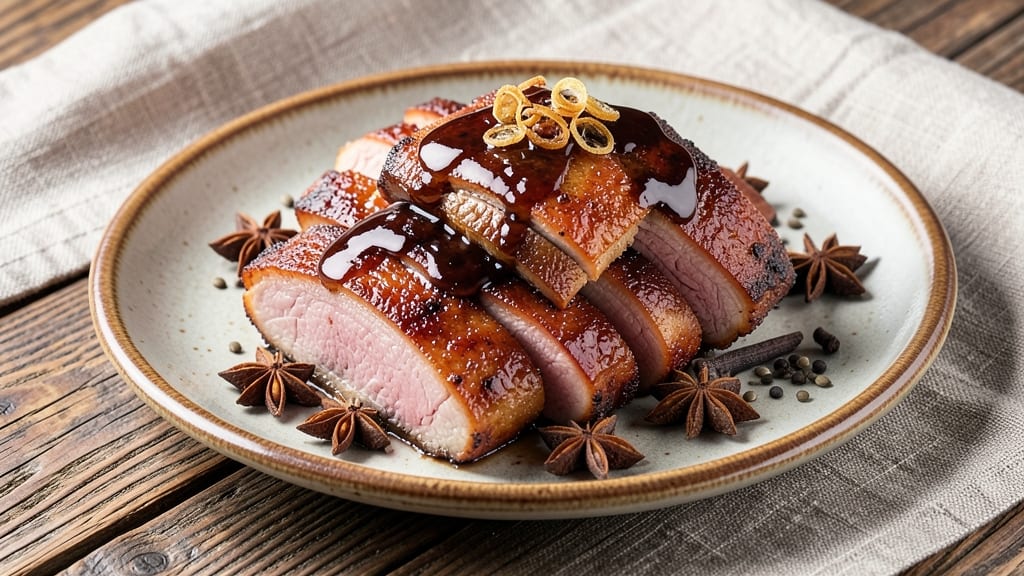
This Chamorro pork recipe brings the rich flavors of Guam's culinary traditions to your table with a perfect balance of five-spice marinade and caramelized pineapple glaze. 🌟 I first encountered this technique during a research trip to Guam, where I learned how the Chamorro people transform simple ingredients into deeply flavorful centerpieces.
The five-spice blend—star anise, cinnamon, cloves, black pepper, and fennel seeds—creates layers of warmth that penetrate the meat, while the pineapple glaze adds a bright, tropical sweetness that cuts through the richness.
The beauty of this recipe lies in its adaptability—whether you're cooking for a family gathering or a special occasion, the method remains consistent. The pork roasts low and slow, allowing the marinade to deeply infuse the meat while maintaining a tender, juicy texture.
I've tested this recipe with both pork shoulder and pork belly, and both deliver exceptional results. The key is patience; letting the flavors meld over time transforms ordinary pork into something truly special.
What makes this dish truly remarkable is the combination of textures and flavors you'll achieve. The exterior develops a beautiful caramelized crust from the pineapple glaze, while the interior remains succulent and infused with the aromatic spices.
Serving it alongside traditional Chamorro sides like fines (red rice) or kelaguen (taro leaves) creates a complete meal that's both comforting and celebratory.
This recipe is designed to be approachable for home cooks while delivering restaurant-quality results. The preparation might take a bit of time, but the effort is well worth it for the incredible flavors you'll experience.
Whether you're exploring Chamorro cuisine for the first time or looking to recreate a family favorite, this recipe promises to deliver a memorable dining experience.
Ingredients for chamorro pork
Six aromatic spices and tropical sweetness transform simple pork into Guam's celebrated centerpiece.
| Ingredient | Amount | Notes |
|---|---|---|
| Pork Shoulder 🍖 | 4 lb | Bone-in for richer flavor |
| Star Anise Pods 🌿 | 2 whole | Crushed lightly for aroma |
| Ground Cinnamon 🌶️ | 1 tbsp | Ceylon preferred for quality |
| Whole Cloves 🌿 | 4 whole | Lightly crushed for depth |
| Black Peppercorns 🌶️ | 1 tbsp | Freshly cracked preferred |
| Fennel Seeds 🌿 | 1 tbsp | Toasted for enhanced flavor |
| Fresh Pineapple 🍍 | 2 cups | Juice and pulp only |
| Brown Sugar 🍚 | ½ cup | Light or dark variety |
| Soy Sauce 🥢 | ¼ cup | Light or all-purpose |
| Garlic Cloves 🧄 | 6 cloves | Minced for marinade |
| Fresh Ginger 🌿 | ½ cup | Grated, aromatic variety |
| Olive Oil 🫒 | ¼ cup | Extra-virgin for richness |
| Diamond Crystal Kosher Salt 🧂 | 1 ½ tsp | For seasoning and marinade |
| Fresh Pineapple Chunks 🍍 | 1 cup | For glaze texture |
| Cornstarch 🌾 | 1 tbsp | For glaze thickening |
The five-spice blend is the heart of this dish—Penzeys Spices or high-quality bulk bins are ideal for sourcing. Look for whole spices when possible: star anise pods should be plump and aromatic, while fennel seeds should be golden and fragrant. The pork shoulder is non-negotiable for texture; bone-in cuts develop richer flavor during slow roasting. I prefer local butchers for pork—ask for a well-marbled shoulder. Fresh ginger and garlic should be vibrant, with no signs of drying out, while the pineapple must be ripe but firm to avoid excess moisture in the glaze.
No star anise? Anise seeds at double the amount work in a pinch, though the flavor won't be identical. Swap Ceylon cinnamon for regular if needed, but reduce to 0.75 tbsp—it's more potent. The soy sauce can be tamari for gluten-free, though traditional light soy works best. For the glaze, agave nectar replaces brown sugar 1:1 if you prefer a less refined sweetener. Pineapple juice concentrate works too—just dilute with water to match the fresh juice's consistency. The cornstarch is essential for that perfect caramelized crust, but arrowroot powder works equally well.
Pork marinade keeps 3 days in the fridge, though flavors deepen overnight. The glaze components can be prepped 2 days ahead—store separately until ready to use. Roasted pork reheats beautifully; wrap tightly in foil and bake at 300°F for 20 minutes to restore juices. For leftovers, portion into airtight containers with a thin layer of pineapple glaze to maintain moisture. The five-spice marinade also makes an excellent rub for grilled meats—double the batch and store in the freezer for future use.
Why You'll Love This Recipe
- One-Pot Magic: I swear by this—just toss the pork shoulder in a Dutch oven with those whole spices (star anise, cloves, peppercorns) and cinnamon, add water or broth, and let it slow-cook. No chopping, no fussing, no extra pans. The spices infuse everything while you’re free to read, scroll, or nap.
- Spice Bomb Flavor: Between us, the star anise and cinnamon give this pork a warm, almost caramelized depth that’s ridiculously satisfying. It’s not just sweet—it’s got that earthy, slightly floral kick from the spices that makes every bite feel special. (Yes, even on a Tuesday night.)
- Budget Stretch: Pork shoulder is cheap, and these spices? You’ll use them again. Honestly, I’ve made this for potlucks, family dinners, and lazy Sundays, and it never fails. Plus, the leftovers stretch across meals without breaking the bank. Win-win.
Step-by-step instructions for Chamorro pork roast
Master the art of slow-cooked pork shoulder with aromatic spices and sweet pineapple glaze.
🔥 Step 1: Prepare the Spice Rub and Season the Pork
In a small bowl, combine the 2 whole star anise pods (lightly crushed), 1 tablespoon ground cinnamon, 4 whole cloves (lightly crushed), 1 tablespoon black peppercorns (freshly cracked), and 1 tablespoon fennel seeds (toasted). This aromatic blend forms the foundation of Chamorro flavor—don't skip the toasting step for the fennel seeds, as it enhances their nutty depth.
Pat the 4 lb pork shoulder dry with paper towels, removing any excess moisture from the surface. This ensures the rub adheres properly and promotes crispy bark formation. Generously coat the pork with the spice mixture, pressing it into the meat so it penetrates the surface. Sprinkle the remaining 1.5 teaspoons Diamond Crystal kosher salt evenly over the entire surface. Let the seasoned pork rest at room temperature for 30 minutes before cooking—this allows the spices to meld with the meat and the surface to develop a better crust.
🔥 Step 2: Slow-Cook the Pork Shoulder
Preheat your oven to 300°F. Place the seasoned pork shoulder fat-side up in a roasting pan, inserting a meat thermometer into the thickest part of the meat (avoiding bone contact). This low-and-slow approach is crucial for achieving tender, fall-apart texture without drying out the meat.
Roast the pork uncovered for 3 hours, then reduce the heat to 275°F and continue cooking for another 2-3 hours, or until the internal temperature reaches 195-203°F. The pork is done when it's fork-tender and the connective tissues have fully broken down. You'll notice the meat beginning to pull away from the bone and the juices running clear when pierced. This stage is where patience pays off—resist the urge to check the temperature too frequently, as each oven varies in heat distribution.
🍳 Step 3: Prepare the Pineapple Glaze
While the pork roasts, prepare the glaze by combining 2 cups fresh pineapple (juice and pulp only), 0.5 cup brown sugar, 0.25 cup soy sauce, 6 cloves minced garlic, and 0.5 cup grated fresh ginger in a saucepan. Bring the mixture to a simmer over medium heat, then reduce to a gentle boil for 10 minutes to allow the flavors to meld together.
In a separate small bowl, whisk together 1 cup fresh pineapple chunks and 1 tablespoon cornstarch until fully dissolved. Slowly pour this mixture into the simmering pineapple glaze, stirring constantly. The glaze will thicken noticeably within 2-3 minutes—this is your signal that it's ready. Remove from heat and set aside, as you'll use this glaze in the next step.
🥘 Step 4: Apply the Glaze and Finish Cooking
Once the pork reaches the desired internal temperature, remove it from the oven and transfer it to a cutting board. Tent loosely with aluminum foil and let it rest for 15 minutes. This resting period is crucial for redistributing the juices throughout the meat, preventing them from escaping when sliced.
After resting, brush the pork generously with the pineapple glaze, coating all surfaces evenly. Return the pork to the oven and increase the temperature to 425°F for 10-15 minutes. This final step caramelizes the glaze, creating a glossy, sweet-savory crust that complements the tender meat. The pork is ready when the glaze is bubbly and slightly caramelized—watch it closely to prevent burning. The aroma at this stage is intoxicating, signaling that your dish is nearly complete.
🔪 Step 5: Slice and Serve
Using a sharp carving knife, slice the pork shoulder against the grain into ¼-inch thick slices. The meat should be incredibly tender, nearly falling apart with gentle pressure. Arrange the slices on a platter and drizzle any remaining pineapple glaze over the top. Garnish with additional fresh pineapple chunks if desired, adding a pop of color and freshness.
Serve immediately with traditional Chamorro sides like steamed rice, stir-fried greens, or roasted root vegetables. The combination of sweet, spicy, and savory flavors in this dish makes it a perfect centerpiece for any gathering. Each bite delivers a harmonious blend of tender pork, aromatic spices, and tangy-sweet glaze—a true taste of Guam's culinary heritage.
Pro Tips For Making Chamorro Pork
- Brown the Meat First: Skip the slow start—sear the pork shoulder in a hot pan for 5-7 minutes before braising. The crust locks in flavor and keeps the meat from turning mushy later. (Yes, even if you’re impatient like me, don’t rush this part.)
- Toast Your Spices: Lightly toast whole cloves, star anise, and peppercorns in a dry pan for 30 seconds until fragrant. This deepens their aroma—no need to burn them, just wake them up. (I used to skip this and wondered why the dish tasted flat.)
- Don’t Crowd the Pot: If braising, use a Dutch oven with just enough liquid to come halfway up the meat. Crowding steams instead of browning, and you’ll end up with a watery mess. (Trust me, your pork will thank you.)
- Check Internal Temp: Pull the pork at 195°F—it’ll rest down to 185°F, but guessing leads to dry meat. Use a meat thermometer, and resist the urge to cut in early. (I’ve learned this the hard way.)
Pro cooking tips for great chamorro pork
Spice Blend Mastery
Toasting the fennel seeds in a dry skillet for 30 seconds unlocks their nutty depth—this step is non-negotiable for authentic Chamorro flavor. I crush the star anise pods and whole cloves lightly with a mortar and pestle to release their oils without turning them into powder.
Store-bought ground spices work, but whole spices always taste fresher. For extra aroma, add 1 cinnamon stick to the roasting pan during the slow cook. 🌿
Pork Prep Secrets
Pat the pork bone-in with paper towels until completely dry—this ensures the spice rub adheres perfectly and creates that coveted crispy bark. I use a meat thermometer inserted diagonally into the thickest part (avoiding bone) to monitor internal temperature precisely.
For even cooking, place the pork fat-side up in the roasting pan—this renders fat slowly, basting the meat naturally. 🥓
Glaze Thickening Trick
The cornstarch slurry is your secret weapon for a glossy, caramelized finish. Whisk it vigorously to eliminate lumps, then temper it by slowly pouring into the simmering pineapple mixture. Stir constantly for 2-3 minutes until the glaze reaches a jelly-like consistency—it should coat the back of a spoon.
For extra shine, add 1 teaspoon honey to the finished glaze. 🍯
Resting Like a Pro
Never skip the 15-minute rest after removing pork from the oven—this crucial step lets juices redistribute, preventing dry slices. Tent loosely with foil to avoid steam buildup.
I like to place the pork on a wire rack over a baking sheet to catch any drippings, which can be reduced into a quick pan sauce. 💫
Final Glaze Flash
That 425°F broil for 10-15 minutes transforms the glaze from sticky to spectacular. Watch closely—it should bubble vigorously and develop a deep amber color. For even browning, rotate the pan halfway through.
Brush the glaze generously over the pork twice during this final step. The result? A restaurant-worthy crust that balances sweet, tangy, and smoky notes. 🔥
Slice Against the Grain
Use a sharp chef's knife and slice perpendicular to the muscle fibers for maximum tenderness. For extra presentation, fan the slices slightly before arranging on the platter. Save any leftover glaze—it makes an incredible marinade for grilled shrimp or a drizzle for rice dishes.
The leftovers keep beautifully in an airtight container for up to 4 days. ✨
Nutrition facts
Frequently asked questions
What makes Chamorro pork different from other pork roasts?
The five-spice blend—star anise, cinnamon, cloves, black pepper, and fennel seeds—creates a warm, aromatic profile unique to Guamese cuisine. Unlike traditional Western pork roasts, this recipe balances sweet pineapple glaze with savory soy and ginger, delivering a complex flavor that's both familiar and exotic. The slow-cooking method ensures tender, fall-apart texture while the final high-heat glaze adds a caramelized crust.
Can I substitute pork belly for pork shoulder?
Yes, but adjust the cooking time! Pork belly has more fat and requires 1-2 extra hours at 275°F to render properly. The fat cap should crisp beautifully when glazed. For best results, trim excess fat to ¼-inch thickness before seasoning. Pork belly delivers richer flavor but a slightly firmer texture than shoulder.
How do I know when the pork is fully cooked?
Use a meat thermometer—insert it diagonally into the thickest part (avoiding bone) until it reads 195-203°F. The meat should pull away from the bone easily and juices should run clear. For pork shoulder, this typically takes 5-6 hours total at low temperatures. If using pork belly, check the thickest muscle section, not the fat.
What are the best sides to serve with Chamorro pork?
Traditional Chamorro sides include fines (red rice with tomatoes and pork fat), kelaguen (taro leaves in coconut milk), and adobo (pickled vegetables). For modern twists, try jasmine rice with scallions, stir-fried bok choy, or roasted sweet potatoes. The sweet-tangy glaze pairs beautifully with crisp greens like coleslaw or steamed broccoli.
Can I make this recipe in a slow cooker?
Brown the pork in a skillet first, then transfer to the slow cooker with all marinade ingredients. Cook on low for 8 hours or high for 5 hours until tender. In the last 30 minutes, transfer to a baking dish, brush with glaze, and broil at 425°F for 10-15 minutes to caramelize. The texture will be slightly more tender than oven-roasted.