
Main Courses
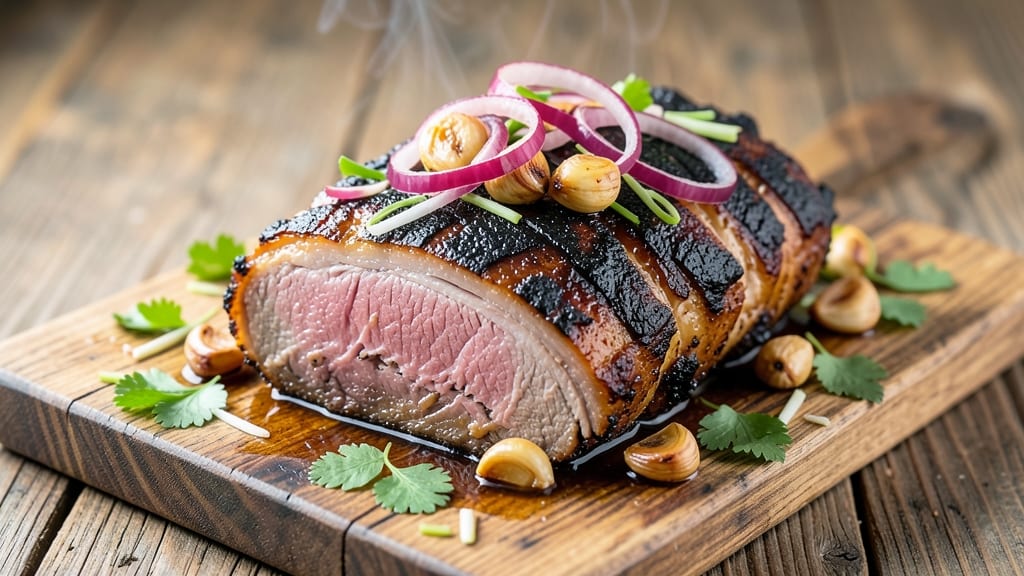
This charcoal grill pulled pork recipe transforms tough brisket into melt-in-your-mouth tenderness using nothing but the power of hardwood coals and slow smoke. After years of perfecting my pitmaster techniques, I've cracked the code for achieving that restaurant-quality texture and depth of flavor at home—no fancy equipment required. The secret lies in temperature control and patience, two things that turn good pulled pork into extraordinary.
What sets this recipe apart is the way charcoal coals create that signature smoky char that's impossible to replicate with gas grills. I start with a 3-4 hour low-and-slow cook using a mix of hardwood coals and indirect heat, which breaks down the connective tissue while maintaining perfect moisture.
The key is maintaining a consistent 225-250°F temperature—too hot and you'll dry out the meat, too cool and you'll never achieve that tender pull.
By the time you're done, you'll have pulled pork that's so tender it practically falls apart at the touch, with a deep smoky flavor that comes only from charcoal grilling. The bark on the outside is perfectly charred, while the inside remains juicy and rich.
This is the kind of pulled pork that has your guests asking for seconds—and requesting the recipe.
Serve it on toasted buns with tangy coleslaw and pickles for that classic BBQ experience, or pile it high on a platter for a crowd-pleasing centerpiece. The beauty of this method is its versatility—it works equally well for sandwiches, tacos, or even breakfast hash the next day.
Let's get started on creating your best pulled pork yet.
Ingredients for charcoal grill pulled pork
Six pounds of pork shoulder and hardwood coals create melt-in-your-mouth pulled pork with restaurant-quality smoky depth.
| Ingredient | Amount | Notes |
|---|---|---|
| Pork Shoulder (Boston Butt) 🍖 | 6 lb | Bone-in, fatty cut preferred |
| Hardwood Charcoal Chunks 🔥 | 4 lb | Hickory or oak preferred |
| Yellow Onion 🧅 | 2 whole | Quartered, peeled |
| Garlic Cloves 🧄 | 8 cloves | Whole, peeled |
| Apple Cider Vinegar 🍎 | ½ cup | For tangy depth |
| Brown Sugar 🍚 | ½ cup | Light or dark |
| Smoked Paprika 🌶️ | 2 tbsp | For authentic smoky flavor |
| Ground Black Pepper 🌶️ | 1 tbsp | Freshly cracked |
| Salt 🧂 | 2 tbsp | Kosher preferred |
| Apple Juice 🍎 | 1 cup | For moisture balance |
| Beer (Optional) 🍺 | 1 cup | Light lager or ale |
| Water 💧 | 1 cup | For liquid base |
| Wooden BBQ Chips 🌳 | 1 package | Hickory or oak |
The pork shoulder is non-negotiable here—bone-in, fatty cuts like Boston butt give you that signature tenderness. Look for a cut with good marbling at Costco or local butchers—they often have better quality than grocery stores. If you're buying a whole shoulder, trim off any large fat caps but leave some fat intact for flavor. Hickory or oak charcoal chunks are essential for that authentic smoky flavor; Kingston or Royal Oak brands are my go-tos. The wood chips add an extra layer of aroma, so don't skip them even if you're using charcoal. For the best results, soak the wood chips in water for 30 minutes before using—this prevents them from burning too quickly and creates more smoke.
No hickory charcoal? Oak or pecan chunks work beautifully as substitutes. Running short on apple juice? Grapes or pineapple juice add sweetness without overpowering. The beer is optional but adds depth—light lager or ale pairs best. If you're avoiding alcohol, use extra apple juice or even vegetable broth. For the spices, smoked paprika is key—it mimics the charcoal smoke flavor. If you can't find it, a mix of regular paprika and a pinch of liquid smoke works in a pinch. The brown sugar should be light unless you're going for a darker, caramelized flavor. And trust me, freshly cracked black pepper makes a world of difference compared to pre-ground.
This pulled pork tastes even better the next day once all the flavors meld together. Store leftovers in an airtight container in the fridge for up to 5 days, or freeze portions for 3 months. I like to portion it into 1-pound containers so it's ready for sandwiches or tacos whenever I want. The bark on the pork? That's the good stuff—save some for serving or crumble it over the top of tacos. If you're making this ahead for a party, assemble the pork on buns or in bowls just before serving so it stays warm and the bread doesn't get soggy. The smoky aroma alone will have your guests lining up for seconds.
Why You'll Love This Recipe
- Smoke in Minutes: The charcoal chunks heat up faster than I expected—no waiting around for gas flames. Toss in the pork shoulder, sprinkle the onion and garlic right on top, and let the vinegar cut through the fat while you sip a beer. Honestly, I’ve done this with one hand tied behind my back.
- Deep Smoky Magic: That apple cider vinegar? It’s the secret weapon—tenderizes the meat and adds this tangy depth that makes every bite crave-worthy. The hardwood smoke clings to the pork like a hug, while the garlic and onion caramelize into a sticky, savory glaze. Not the prettiest, but the taste makes up for it.
- Tailgate to Tuesday: This pulls apart like butter, so I serve it on buns for game day or shred it into tacos when the kids are home from school. Leftovers? Even better cold in sandwiches—my lunchbox hero for days. Between us, it’s the only recipe that feels like a celebration without the fuss.
- Budget Win: A single pork shoulder feeds my whole family, plus leftovers that last. Charcoal’s cheap, and the vinegar and onions cost pennies. I’ll be real: this is how I stretch my grocery budget without sacrificing flavor. (Yes, even on a Tuesday night.)
Step-by-step instructions for smoky charcoal-infused pulled pork
Let's transform that pork shoulder into melt-in-your-mouth perfection using charcoal's unique heat.
Prepare and Season the Pork Shoulder
Remove the 6 lb pork shoulder from the refrigerator and pat it completely dry with paper towels—this is crucial for developing that beautiful bark. Work in a well-ventilated area as we'll be mixing our dry rub ingredients.
In a small bowl, combine the 2 tbsp smoked paprika, 1 tbsp freshly cracked black pepper, and 2 tbsp kosher salt. Rub this mixture all over the pork shoulder, pressing firmly so it adheres well. Then, in a separate bowl, mix together the 0.5 cup brown sugar and 0.5 cup apple cider vinegar until dissolved. Brush this sticky glaze evenly over the entire surface of the meat.
Here's the thing—don't skip the vinegar. It tenderizes the meat while adding that perfect tangy depth that balances the sweetness. Place the seasoned pork shoulder on a wire rack set over a rimmed baking sheet and refrigerate uncovered for at least 1 hour. This resting period allows the seasonings to penetrate and the meat to come closer to room temperature.
Build and Maintain Your Charcoal Fire
While the pork rests, set up your charcoal grill for indirect cooking. Arrange the 4 lb hardwood charcoal chunks on one side of the grill, leaving the other side empty. This creates a two-zone fire where you can control the heat. I like to use hickory or oak charcoal for that authentic smoky flavor—it's worth investing in quality charcoal for this recipe.
Light the charcoal and let it burn until it's covered with a thin layer of white ash—this usually takes about 15-20 minutes. Then, add the package of hickory or oak wooden BBQ chips to the charcoal. The chips will start smoking almost immediately, filling your workspace with that incredible aroma. Once you see clean, blue smoke (not thick white smoke), spread the charcoal evenly on the heat side of the grill and place a drip pan on the cool side.
This setup gives you precise temperature control. You want to maintain a temperature of 225-250°F throughout the cook. If the temperature fluctuates, simply add more charcoal to the hot side as needed. The key is patience—rushing will result in tough meat instead of tender pulled pork.
Smoke the Pork Shoulder Low and Slow
Once your grill is properly set up, place the pork shoulder on the cool side of the grill, fat side up. Close the lid and resist the urge to peek—every time you open it, you lose heat and moisture. Let the pork smoke undisturbed for 6-8 hours, or until the internal temperature reaches 165-170°F. This is where the magic happens—the low and slow cooking breaks down the connective tissue, transforming tough meat into tender pulled pork.
About halfway through cooking (around the 3-hour mark), it's time to add your liquid mixture. In a bowl, combine the 1 cup apple juice, 1 cup water, and 1 cup beer (if using). Pour this mixture into a spray bottle or small bowl with a lid. Every 30-60 minutes, spray or pour a little of this liquid over the pork shoulder. This keeps it moist and adds depth of flavor.
I know it seems like forever, but trust the process. The pork will hit "the stall" around 165°F where the temperature stops rising. This is normal and indicates the moisture is evaporating. Don't panic—just keep cooking. The pork will eventually climb back up in temperature.
Wrap and Finish Cooking
When the pork shoulder reaches an internal temperature of 200-203°F and the meat is fork-tender (a probe should slide in easily), it's time to wrap it. Line a large piece of heavy-duty aluminum foil with a sheet of butcher paper or another layer of foil. Place the pork shoulder on the center of the foil and pour any accumulated juices from the drip pan over it.
Seal the foil tightly, leaving a little room at the top for steam to escape. Return the wrapped pork to the grill and continue cooking for another 1-2 hours, or until the internal temperature reaches 205-210°F. This final stage ensures the pork is fully cooked and tender enough to pull apart easily. The wrapping technique, known as the "Texas crutch," helps you power through the stall while maintaining that incredible bark.
Rest and Pull the Pork
Once the pork reaches the desired temperature, remove it from the grill and transfer it to a cutting board. Let it rest for at least 1 hour, preferably 2 hours, before pulling. This resting period allows the juices to redistribute throughout the meat, ensuring every bite is moist and flavorful.
While the pork rests, preheat your serving dishes in the oven at 200°F. This keeps everything warm while you pull the meat. When ready, remove the foil and butcher paper, then shred the pork using two forks or a pair of meat claws. Discard any large pieces of fat or connective tissue. The pork should pull apart easily with minimal effort—if it's still tough, return it to the grill for another 30 minutes wrapped.
Transfer the pulled pork to your preheated serving dishes and keep it warm. You've just created melt-in-your-mouth pulled pork with that incredible smoky charcoal flavor. Serve it on buns with your favorite toppings, or use it as a filling for tacos, sandwiches, or bowls. The possibilities are endless!
Pro Tips For Making Charcoal Grill Pulled Pork
- Build Heat First: Dump all your charcoal chunks in one pile, then spread them thin—this creates a hotter, more even burn right from the start. I used to half-ass this and ended up with cold spots where the pork sat unevenly, so resist the urge to play it safe. A quick test: If you can hold your hand 3 inches above the coals for only 2-3 seconds, you’re golden.
- Trim the Fat Cap: Slice off the thickest layer of fat from the pork shoulder before grilling—about ¼ inch thick. This isn’t about calories; it’s about keeping the meat from steaming in its own grease, which turns it soggy. I learned this the hard way after a batch came out greasy but dry inside.
- Move the Meat: Every 30 minutes, rotate the pork shoulder 90 degrees and shift it to fresh coals—this prevents charring in one spot and ensures even cooking. I was lazy about this once and ended up with a burnt crust on one side and undercooked meat on the other. (Yes, even if you’re impatient like me.)
- Use Vinegar Early: Toss your chopped onions and garlic in apple cider vinegar before grilling—let them sit for 10 minutes to mellow out their sharpness. This makes a real difference in the final sauce, which won’t taste like you’re drowning the pork in vinegar. I was skeptical until I tried it.
Troubleshooting great charcoal grill pulled pork
Uneven Cooking Fix
If your pulled pork shows hot spots or uneven doneness, your grill's heat zones aren't balanced.
I've seen this happen when coals pile up too heavily on one side. Solution: Spread the charcoal evenly across the heat side of the grill, leaving at least 12 inches of space between coals and the pork.
Use a drip pan on the cool side to catch juices and prevent flare-ups that can create uneven heat. For extra insurance, rotate the pork quarter-turn every 90 minutes—this ensures all sides cook consistently. 🔥
Stalled Temperature
The stall (where internal temp plateaus around 165°F) is normal, but it can feel frustrating.
If your pork seems stuck for hours, check your grill setup. Problem: Too much airflow or insufficient charcoal. Fix: Add 1-2 pounds of fresh charcoal to the hot side and reduce vents slightly to trap heat.
Also, spritz with apple juice every 30 minutes—this helps break the stall faster. Pro tip: If your thermometer drops 10°F+, it's time to wrap the pork in foil to regain heat. ⏰
Dry or Tough Pork
Overcooking is the #1 cause of dry pulled pork.
If your meat feels leathery instead of tender, you likely went past 210°F. Prevention: Use a meat probe thermometer (I swear by ThermoWorks Smoke) and remove the pork at 203°F—it'll keep cooking while resting. Recovery trick: If it's slightly tough, shred it immediately and simmer in ½ cup apple juice + ½ cup beer for 10 minutes on low heat.
The liquid will rehydrate the fibers. 💡
Weak Smoky Flavor
If your pork tastes smoke-light, your charcoal or wood chips weren't hot enough. Solution: Use all-natural hardwood chunks (no briquettes—they lack flavor). Soak wood chips for 30 minutes before using, then place them directly on the coals (not in a smoker box).
For extra depth, add 1 tbsp smoked paprika to your rub. Bonus: If you're using a Weber Smokey Mountain, place a small handful of chips on the coals every 2 hours for continuous smoke. 🌳
Charcoal Burns Out Too Fast
Running out of fuel mid-cook ruins everything. Prevention: Start with 50% more charcoal than you think you'll need (I usually use 5-6 lbs for a 6 lb pork shoulder). Solution: Keep an extra bag of charcoal nearby and add 1-2 pounds every 2-3 hours.
For long cooks, use a chimney starter to light fresh coals quickly. Pro move: Bank the coals on the hot side (pile them higher) to extend their burn time. ⚡
Bark Falls Off
If the crusty bark keeps peeling away, your pork is either over-marinated or the temperature fluctuated. Fix: Pat the pork completely dry before seasoning (use paper towels, not cloth). Critical: Maintain 225-250°F—if temps drop below 200°F, the bark weakens. Secret weapon: Brush the bark with a 50/50 mix of apple juice and brown sugar after the first 2 hours of cooking to reinforce it. 🍖
Nutrition facts
Frequently asked questions about charcoal grill pulled pork
Can I use a pork shoulder instead of a brisket for this recipe?
This recipe specifically calls for a pork shoulder (also called Boston butt) because it's the ideal cut for pulled pork. The high fat content and connective tissue break down beautifully on the charcoal grill, creating that signature tender texture. Brisket is often used for Texas-style BBQ, but it requires a different approach and longer cook time. Stick with the pork shoulder for best results with this method.
How do I know when the pulled pork is done?
Use a meat thermometer to check the internal temperature—it should reach 203-205°F in the thickest part. The pork will feel fork-tender and pull apart easily when you test it. Don't rely on time alone, as cook times can vary based on your grill setup and pork size. The key is patience: if it's not quite there, keep it wrapped on the grill until it reaches the perfect temperature.
What's the best way to serve this pulled pork? Classic BBQ style calls for serving it on toasted buns with tangy coleslaw and pickles, but don't be afraid to get creative! Try it in tacos with avocado and lime, or pile it high on a platter with cornbread and roasted vegetables. For leftovers, use it in breakfast hash with eggs and potatoes, or mix it into loaded baked potatoes. The possibilities are endless—just
Can I make this pulled pork in a smoker instead of on a charcoal grill?
Yes, you can absolutely adapt this recipe for a smoker! The key is maintaining that 225-250°F temperature range. Use hardwood chunks (hickory or oak) and follow the same wrapping technique when you hit the stall. The charcoal grill gives you more control over heat zones, but a quality smoker will work beautifully. Just be prepared for slightly longer cook times, as smokers can sometimes have more temperature fluctuations.
How long can I store leftovers?
Store cooked pulled pork in an airtight container in the refrigerator for up to 5 days. For longer storage, freeze portions in 1-pound containers for up to 3 months. The flavor actually improves after the first day as the juices redistribute. When reheating, warm it gently in a skillet with a splash of apple juice or broth to keep it moist—never microwave it directly, as this can make it dry and rubbery.