
Main Courses
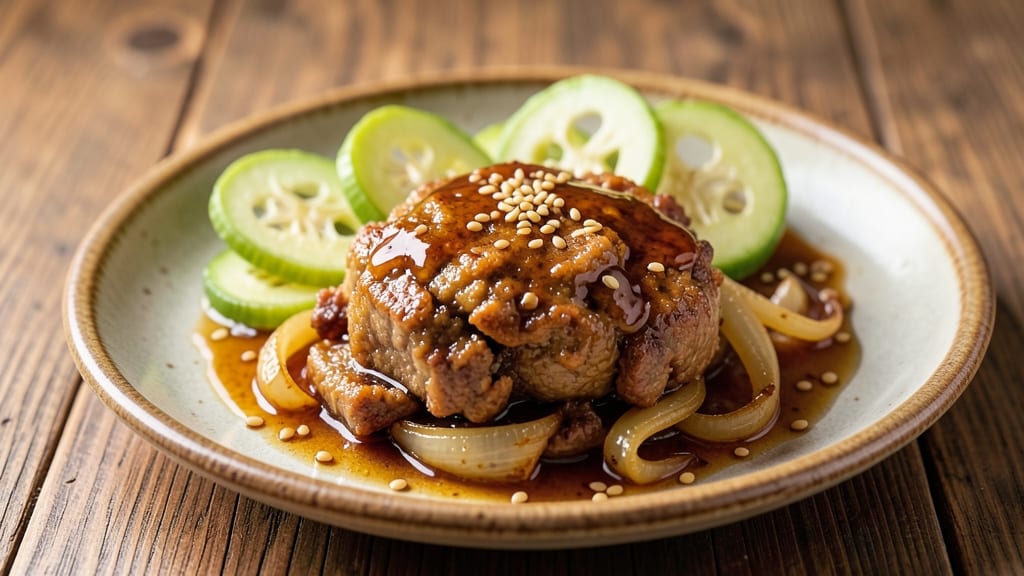
This chayote and ground pork recipe brings the bold flavors of Filipino comfort food to your table with tender pork braised in a rich, tangy tamarind glaze. ✨ I first discovered this dish while traveling through Manila, where it's a staple in home kitchens and street-side carinderias. The chayote adds a subtle crunch and mild sweetness that balances the savory-sweet glaze perfectly.
The secret to this dish lies in the slow braising process, which transforms tough ground pork into fork-tender bites infused with aromatic spices. We start by searing the pork to develop deep flavors, then simmer it in a tangy tamarind sauce until it's meltingly tender.
The chayote gets just enough cooking to soften slightly while maintaining its pleasant bite.
What you'll end up with is a restaurant-quality dish that's perfect for family dinners or special occasions. The pork is rich and flavorful, the chayote adds freshness, and the tamarind glaze gives everything a perfect balance of sweet and tangy.
It's the kind of meal that makes you want to gather everyone around the table.
Serve this dish with steamed jasmine rice to soak up all the delicious sauce, or pair it with garlic fried rice for extra texture. The leftovers actually taste better the next day as the flavors continue to meld together. Let's get cooking!
Ingredients for chayote and ground pork
Filipino pantry staples meet fresh chayote for a dish that's rich, tangy, and full of comfort.
| Ingredient | Amount | Notes |
|---|---|---|
| Ground Pork 🥩 | 1 ½ lb | 80% lean for best texture |
| Chayote 🥬 | 2 whole | Peeled, cut into 1-inch cubes |
| Yellow Onion 🧅 | 1 whole | Medium size, finely chopped |
| Garlic Cloves 🧄 | 6 cloves | Minced for aromatic base |
| Tamarind Paste 🍯 | ½ cup | Filipino-style preferred |
| Soy Sauce 🍶 | ¼ cup | Filipino-style if available |
| Coconut Milk 🥥 | ½ cup | Full-fat for creaminess |
| Tomato Paste 🍅 | 2 tbsp | Smooth texture preferred |
| Brown Sugar 🍚 | 2 tbsp | Light or dark variety |
| Black Peppercorns 🌶️ | ½ tsp | Freshly ground preferred |
| Bay Leaves 🌿 | 2 whole | Dried, for aromatic depth |
| Vegetable Oil 🫒 | 2 tbsp | For searing pork |
| Salt 🧂 | 1 tsp | Kosher or sea salt |
The ground pork is the heart of this dish—80% lean gives you that perfect balance of tenderness and flavor. Most grocery stores carry it, but if you're at Filipino markets, ask for 'longganisa' pork if you want extra authenticity. Chayote can be tricky to find in regular stores, so Asian grocery stores or specialty produce sections are your best bet. Look for firm, unblemished chayotes—they should feel heavy for their size. If you can't find tamarind paste, Filipino stores usually have it in small jars, or you can use concentrated tamarind pulp mixed with water. The key is getting that perfect tangy-sweet balance.
No tamarind paste? Substitute with equal parts lime juice and brown sugar, though it won't be exactly the same. Swap the soy sauce for coconut aminos if you're avoiding soy. The coconut milk can be lightened up with half-and-half if you're watching calories. For the tomato paste, those little squeeze tubes from Trader Joe's work perfectly—they're convenient and don't waste much. The bay leaves add incredible depth, but if you're out, a pinch of cinnamon can give a similar warmth. Freshly ground black pepper makes all the difference, so don't skip it—pre-ground loses its punch fast.
This dish tastes even better the next day as the flavors meld together—make extra if you can. Store leftovers in the fridge for up to 5 days, or freeze for 3 months. I like to portion it into containers with a side of jasmine rice so it's ready to grab for quick lunches. The chayote will soften more over time, so if you're serving it soon, keep it refrigerated until you're ready to reheat. The sauce thickens as it cools, so a splash of water or coconut milk brings it back to perfect consistency when reheating.
Why You'll Love This Recipe
- Here’s what sold me: that tamarind paste cuts through the richness of the pork like a citrusy wake-up call. The chayote soaks it up, giving you a balance of creamy, crisp, and just sweet—no sugar crash, just pure satisfaction.
- One-Pan Magic: I swear by this recipe when I’m too tired to scrub pots—just brown the pork, toss in the diced chayote and onions, and let the tamarind caramelize. The garlic cloves? I smash them first for extra punch, and boom, you’re done.
- Tamarind Tang: Here’s what sold me: that tamarind paste cuts through the richness of the pork like a citrusy wake-up call. The chayote soaks it up, giving you a balance of creamy, crisp, and just sweet—no sugar crash, just pure satisfaction.
- Leftovers I Actually Want: Between us, most of my leftovers get ignored. Not this. The flavors deepen overnight, and reheated, it’s still tender and packed with that smoky garlic aroma. I’ll make double batches just for this reason.
Step-by-step instructions for Filipino-inspired braised pork with chayote
This dish delivers rich, tangy flavors with tender pork and crisp chayote—simple steps for maximum impact.
🔥 Step 1: Sear the Ground Pork for Maximum Flavor
Heat the 2 tablespoons vegetable oil in a large skillet over medium-high heat until shimmering. Add the 1.5 lb ground pork, breaking it up with a wooden spoon as it cooks. Let it sear undisturbed for 3-4 minutes until the pork loses its raw color and begins to brown—this builds deep flavor.
Once the pork is mostly browned, add the 1 whole yellow onion and 6 cloves garlic cloves, stirring to combine. Cook for another 2 minutes until the onions soften and the garlic releases its aromatic fragrance. Here's the thing—don't drain the fat; it's the foundation of your sauce.
🍳 Step 2: Build the Tangy Base with Tamarind and Tomato
Reduce heat to medium and stir in the 2 tablespoons tomato paste, letting it cook for 1 minute to deepen its flavor. Add the 0.5 cup tamarind paste, 0.25 cup soy sauce, and 2 tablespoons brown sugar, stirring constantly to dissolve the paste completely.
Pour in 0.5 cup coconut milk and bring the mixture to a gentle simmer. Add the 2 whole bay leaves and 0.5 teaspoon black peppercorns, then stir in the 1 teaspoon salt. You'll notice the sauce thicken slightly as it reduces—this is where the magic happens. Let it simmer for 5 minutes to meld all the flavors.
🥘 Step 3: Add Chayote and Braise to Tender Perfection
Peel and cut the 2 whole chayote into 1-inch cubes (peeling removes any bitterness). Add them to the skillet and stir gently to coat in the sauce. The chayote will absorb the flavors beautifully while maintaining a slight crunch—this is the texture you want.
Bring the mixture to a gentle simmer again, then reduce heat to low. Cover the skillet and let it braise for 20-25 minutes, stirring occasionally. You're looking for the chayote to soften slightly while the pork becomes tender and the sauce thickens to a glossy consistency. If the sauce gets too thick, add 1-2 tablespoons water to maintain balance.
⏰ Step 4: Finish with Perfect Texture and Flavor Balance
Once the chayote is tender but still holds its shape (it should be fork-tender but not mushy), remove the 2 whole bay leaves. Taste the mixture and adjust seasoning if needed—you might want to add a touch more soy sauce for saltiness or brown sugar for sweetness.
Let the dish sit uncovered for 5 minutes to thicken slightly. The flavors will deepen during this resting time. Serve hot over steamed rice, where the pork and chayote will soak up the aromatic sauce beautifully. Each bite should deliver a perfect balance of savory, tangy, and slightly sweet flavors.
Pro Tips For Making Chayote And Ground Pork
- SEAR THE PORK FIRST: I learned this the hard way—skipping the initial sear means your pork stays bland and greasy. Cook the ground pork in batches over medium-high heat until it’s deeply browned (not just pink), then remove it. That crust is where all the flavor hides.
- PEEL AND CUBE CHAYOTE: Chayote’s skin is edible, but it’s tough and bitter—peel it first. Cut into even 1-inch cubes so they cook uniformly; smaller pieces turn mushy, while larger ones stay undercooked. A sharp knife and steady hand make this easier than it sounds.
- DILUTE TAMARIND PASTE: Tamarind paste is sticky and intense—mix 1 tablespoon with 2 tablespoons warm water before adding it to the pan. This prevents clumping and lets you control the tanginess. Trust me, you don’t want a gloppy sauce.
- SOFTEN ONIONS LOW AND SLOW: After browning the pork, cook the onions and garlic on low heat for 8–10 minutes until translucent but not browned. Rushing this step makes the dish taste raw and sharp. Patience here means a smoother, richer base.
Storing and reheating this dish
Refrigerator Storage
Let your braised chayote and pork cool to room temperature (about 30 minutes) before storing. Transfer to an airtight container with a tight-fitting lid—I use glass Pyrex containers for best results.
The dish keeps beautifully in the fridge for up to 5 days, with flavors actually deepening over time. The chayote will soften slightly, but the sauce remains rich and flavorful. 🥫
Freezer Preparation
For longer storage, portion the dish into freezer-safe containers or heavy-duty freezer bags, leaving 1-inch headspace for expansion. I recommend using quart-sized containers for easy serving portions.
The pork and chayote freeze exceptionally well for up to 3 months, though I find the texture is best within the first 2 months. Label with the date to track freshness.
Reheating Methods
For stovetop reheating, transfer the chilled pork and chayote to a skillet over medium-low heat. Add 1-2 tablespoons water or coconut milk to loosen the sauce and prevent sticking.
Cover and heat for 5-7 minutes, stirring occasionally, until everything reaches 165°F internal temperature. The sauce will thicken as it warms—add more liquid if needed.
Microwave Technique
If you're short on time, microwave individual portions covered with a damp paper towel. Heat on 70% power for 2-3 minutes, stir, then continue in 30-second intervals until heated through.
The chayote absorbs microwave heat differently, so check for even warming. A splash of water helps restore the sauce's glossy consistency if it looks dry after reheating. 🔥
Sauce Consistency Fix
The sauce often thickens significantly after refrigeration. To restore its perfect balance, stir in 1-2 teaspoons water or coconut milk while reheating. If the chayote appears too soft after reheating, serve it immediately while the pork maintains its tenderness.
For extra flavor, add a pinch of soy sauce or a squeeze of lime juice after reheating—it brings everything back to life.
Nutrition facts
Frequently asked questions
Why does this recipe use chayote with ground pork?
Chayote adds a mild, slightly sweet crunch that balances the rich, savory pork beautifully. In Filipino cuisine, chayote is often paired with pork to create contrast—its subtle freshness cuts through the braised pork's depth while absorbing the tangy tamarind glaze perfectly. The texture difference makes every bite more interesting!
Can I substitute regular pork for ground pork?
Not recommended! Ground pork breaks down beautifully during braising, creating tender, flavorful bites. If you must use another cut, try finely diced pork shoulder (cut into tiny pieces) and increase braising time to 30 minutes. Regular cuts like chops or tenderloin won't render the same texture or absorb flavors as well.
How do I know when the chayote is cooked perfectly?
The chayote should be fork-tender but still hold its shape—like a slightly undercooked potato. It should yield easily when pierced with a fork but not turn to mush. If it's still very firm after 25 minutes, add 2 tablespoons water and cook 5 more minutes. Overcooking makes it mealy and loses its pleasant bite.
What's the best way to serve this dish?
Steamed jasmine rice is classic, but you could also serve it over garlic fried rice for extra texture or with buttery egg noodles for a comforting twist. For a complete meal, add a simple side salad with lime dressing or quick-pickled cucumbers to cut through the richness. The sauce works great as a dip too!
Why does the sauce get thick when reheating?
The tamarind and coconut milk naturally thicken as they cool and reheat—it's normal! To fix it, simply stir in 1-2 teaspoons water or coconut milk while warming. The sauce should return to its glossy, spoonable consistency. If it's still too thick, add more liquid gradually until you reach the perfect balance.