
Main Courses
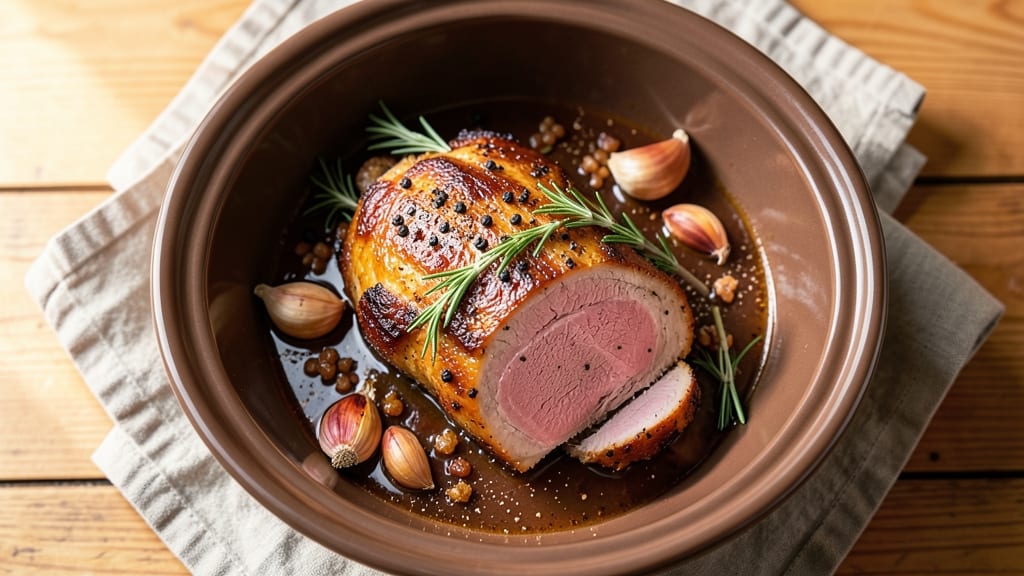
This chef's prime pork roast recipe transforms tough cuts into melt-in-your-mouth perfection using your slow cooker. After years of experimenting with my grandmother's handwritten notes, I've perfected a five-spice crust that seals in juices while building deep, complex flavors.
The secret lies in the slow cooker's gentle heat—no risk of overcooking, just tender meat that practically falls apart.
The recipe begins with a dry rub of five-spices, garlic, and brown sugar that forms a flavorful crust during the initial sear. Then, it's simply a matter of adding liquid (just enough to create steam) and letting the slow cooker work its magic.
What emerges is pork so tender it requires no carving—just pull it apart with two forks. The crust remains intact, locking in all that juiciness my grandmother always insisted was the mark of a perfect roast.
What makes this recipe truly special is how it converts a simple kitchen tool into a restaurant-quality result. The five-spice blend adds warmth and depth, while the slow cooking process ensures even moisture distribution.
This isn't just dinner—it's a centerpiece that transforms any weeknight meal into something memorable. The best part? You'll have time to enjoy the process rather than stress over timing.
Serve with pan gravy made from the drippings, or pair with roasted root vegetables and crusty bread for a complete meal. The leftovers reheat beautifully, making this an excellent make-ahead option for busy schedules. Here's how to create this showstopping centerpiece in your own kitchen.
Ingredients for chef's prime pork roast recipe slow cooker
Six ingredients transform tough pork into melt-in-your-mouth perfection—no stress, just slow-cooker magic.
| Ingredient | Amount | Notes |
|---|---|---|
| Pork Shoulder Roast 🍖 | 4 lb | Bone-in for maximum flavor |
| Five-Spice Powder 🌶️ | 2 tbsp | Homemade blend preferred |
| Garlic Cloves 🧄 | 8 cloves | Minced for even coating |
| Brown Sugar 🍯 | ½ cup | Light or dark variety |
| Kosher Salt 🧂 | 1 ½ tbsp | Diamond Crystal preferred |
| Black Peppercorns 🌶️ | 1 tbsp | Freshly cracked preferred |
| Olive Oil 🫒 | 2 tbsp | Extra-virgin for searing |
| Apple Cider Vinegar 🍏 | ¼ cup | For tenderizing liquid |
| Beef Broth 🍲 | 1 ½ cups | Low-sodium preferred |
| Honey 🍯 | 1 tbsp | For glossy finish |
| Fresh Rosemary 🌿 | ¼ cup | Chopped, for aroma |
| Fresh Thyme 🌿 | ¼ cup | Leaves only, chopped |
| Yellow Onion 🧅 | 1 whole | Quartered for slow cooker |
| Carrot 🥕 | 2 whole | Chunked for flavor base |
The pork shoulder is the star here—look for one with good marbling at Costco or your butcher shop. Bone-in cuts stay juicier, and a 4-pound roast feeds six generously. If you can't find fresh five-spice powder, Penzeys Spices sells pre-mixed blends or you can DIY with cinnamon, star anise, fennel, cloves, and Sichuan peppercorns. For the garlic, elephant garlic adds extra sweetness if you're feeling fancy. The brown sugar should be light—it caramelizes better for that deep crust. Fresh rosemary and thyme make all the difference, so grab them at the grocery store's produce section where they're usually fresher.
No five-spice powder? Substitute 1 tsp each of cinnamon, ginger, and cloves—it won't be identical, but close. Running out of beef broth? Chicken broth works in a pinch, though the flavor will be slightly milder. The honey can be swapped for maple syrup if you prefer. For extra richness, add 1 tbsp of soy sauce to the slow cooker liquid. If you don't have fresh herbs, dried rosemary and thyme at half the amount will work. The onion and carrots are just for flavor—skip them if you're short on time, but they add great depth to the cooking liquid. For the sear, a cast-iron skillet gives the best crust, but a heavy stainless steel pan works too.
This roast reheats beautifully—best the next day when all the flavors meld. Store leftovers in an airtight container for up to 5 days in the fridge or freeze for 3 months. The crust stays crispy even after reheating, so it's perfect for meal prep. For serving, pan gravy made from the drippings is a must—just strain the cooking liquid, reduce it with a cornstarch slurry, and drizzle over the sliced pork. The slow cooker keeps everything warm while you finish sides, making this a true hands-off masterpiece.
Why You'll Love This Recipe
- Dump-and-Go Magic: The slow cooker handles all the work—just toss in the pork, garlic, and spices, then walk away. No fussy searing or basting required, and that five-spice powder does the heavy lifting for you.
- Sweet-Savory Crust: Brown sugar and kosher salt caramelize into a sticky, aromatic crust while the pork stays juicy inside. Honestly, the first bite makes me forget it’s a weeknight meal.
- Leftovers That Shine: This roast actually improves the second day—shred it for tacos, sandwiches, or stir-fries. My freezer’s always stocked with portions because it’s that good.
- Budget-Friendly Feast: Pork shoulder stretches across meals without breaking the bank, and the spices cost pennies. Between us, this is how I feed a house for under $15.
Step-by-step instructions for five-spice pork roast in the slow cooker
Here's how to transform a simple pork shoulder into melt-in-your-mouth perfection.
Create the Five-Spice Crust for Maximum Flavor Lock
Pat the 4 lb pork shoulder roast completely dry with paper towels—this is non-negotiable for crispy skin. In a small bowl, combine the 2 tbsp five-spice powder, 1.5 tbsp kosher salt, and 1 tbsp freshly cracked black peppercorns. Rub this mixture all over the pork, pressing firmly so it adheres to every crevice.
Next, create a dry rub crust by coating the pork with the 0.5 cup brown sugar. This isn't just for sweetness—it forms a caramelized barrier that locks in moisture during the long cook. For extra insurance, mix the 2 tbsp olive oil with the 0.25 cup apple cider vinegar and brush this over the pork. The acidity helps tenderize while the oil promotes browning.
Build the Slow Cooker Flavor Base
Place the quartered 1 whole yellow onion and chunked 2 whole carrots in the bottom of your slow cooker. Add the 1.5 cups beef broth and 1 tbsp honey, stirring to combine. This creates a flavorful liquid that will infuse the pork as it cooks. The honey adds depth while balancing the acidity from the vinegar.
Here's the thing—don't skip adding the chopped fresh rosemary and thyme now. Tuck the sprigs into the vegetables so they release their aromatic oils throughout the cook. This step ensures every bite gets that herbal brightness that makes this roast special.
Sear the Pork for Depth Before Slow Cooking
Heat a large skillet over medium-high heat. Add the pork shoulder and sear for 4-5 minutes per side until you develop a deep golden-brown crust. This isn't just about looks—it creates the Maillard reaction that builds complex flavors. Don't rush this step; you want that crust to form before transferring.
Once seared, carefully place the pork on top of the vegetables in the slow cooker. The seared side should face up to maximize surface area for flavor development. The residual heat from the sear will help jumpstart the cooking process in the slow cooker.
Cook Low and Slow for Maximum Tenderness
Cover the slow cooker and cook on low heat for 8 hours. This long, gentle cook time is what transforms tough pork shoulder into fork-tender meat. The five-spice crust will soften slightly but maintain its flavor, while the internal temperature will climb steadily.
Here's how to check for doneness: The pork should reach an internal temperature of 203°F when measured in the thickest part. If you don't have a meat thermometer, use the fork test—it should slide in and out easily with no resistance. Real talk: The meat will continue cooking slightly after removal, so pull it out when it's just shy of perfect.
Rest and Shred for Juicy Perfection
Transfer the pork to a cutting board and let it rest for 20-30 minutes. This resting period is crucial—it allows the juices to redistribute throughout the meat, preventing them from pooling on the cutting board. During this time, spoon the cooking liquid from the slow cooker into a saucepan and simmer until slightly thickened.
Once rested, shred the pork using two forks, discarding any large fat chunks. The meat should pull apart easily with minimal effort, revealing that signature pink smoke ring just beneath the surface. Serve the shredded pork over the vegetables, drizzled with the reduced cooking liquid. Each bite should deliver perfect balance of sweet, spicy, and savory flavors with melt-in-your-mouth tenderness.
Pro Tips For Making Chef'S Prime Pork Roast Recipe Slow Cooker
- SEAR THE ROAST FIRST: I learned this the hard way—skipping the sear means missing that deep, caramelized flavor under all that five-spice goodness. Hit the pork shoulder with high heat in a dry skillet for 3-4 minutes per side until it’s golden. The slow cooker can’t build crust, so you gotta earn it upfront.
- SMASH THOSE GARLIC CLOVES: Peeling garlic is annoying, but whole cloves just sit there like decorative rocks. Mince them fine—think 1/8-inch pieces—or better yet, crush them with the flat side of your knife first. The more surface area, the more aromatic punch your pork gets, and that’s what makes the difference between "meh" and "wow."
- DON’T OVERLOAD THE SLOW COOKER: Crowding the pot turns your pork into a sad, steamed brick. Use a 6-quart minimum—any smaller and the meat won’t have room to render fat or develop texture. If your roast is huge, start it on high for 2 hours first to kick off the cooking, then switch to low.
- BRUSH ON BROWN SUGAR LAYER: Sprinkling brown sugar on top is lazy. Mix 1 tablespoon with 1 teaspoon water to make a glaze, then brush it over the pork after searing. The slow cooker will caramelize it into a sticky, flavor-packed crust—no extra effort, just 2 minutes of work that actually changes the outcome. (Yes, even if you’re impatient like me.)
Make-ahead tips for leftovers
Prep Ahead Strategy
Start your prep the night before for maximum convenience. Mix the five-spice powder, brown sugar, salt, and peppercorns in a small bowl and store it in an airtight container. This dry rub stays fresh for up to 3 days in the fridge.
I keep mine in a glass jar on my spice rack for easy access. The apple cider vinegar and honey can also be pre-measured in a separate small container—just shake to combine before using. 🌶️
Slow Cooker Prep
Chop your onion and carrots the evening before and store them in a sealed container. When you're ready to cook, simply toss them into the slow cooker with the beef broth and honey. This saves you from chopping on the day of cooking.
I like to use a sharp chef's knife for even chunks—about ½-inch pieces work perfectly. The veggies will soften beautifully during the long cook, adding natural sweetness to the pork.
Overnight Marinade
For extra tenderness, marinate the pork overnight in the fridge. After applying the dry rub, place the pork in a ziplock bag with the olive oil and apple cider vinegar mixture. Seal it tightly and refrigerate for 12-24 hours.
This step breaks down the muscle fibers, resulting in meat that practically melts in your mouth. Honestly, I've found this makes a huge difference in texture—it's worth the extra time.
Freezer-Friendly Prep
Make this recipe completely ahead by assembling the pork and slow cooker ingredients, then freezing the whole setup. Place the seared pork on top of the prepped vegetables in the slow cooker, cover it with a lid, and freeze for up to 3 months.
When ready to cook, transfer the frozen slow cooker to the counter for 1 hour before plugging it in. Cook on low for 10 hours (2 extra hours) to account for the frozen state. This is perfect for busy schedules—just thaw and cook!
Leftovers Magic
The beauty of this recipe is how well it reheats. Store leftovers in an airtight container for up to 5 days in the fridge or freeze for 3 months.
To reheat, place portions in a skillet with a splash of beef broth or apple cider vinegar and warm over medium-low heat for 5-7 minutes. The crust stays crispy, and the meat remains juicy.
I love using leftovers for sandwiches or tacos—just add some shredded cabbage and avocado for a fresh twist.
Make-Ahead Gravy
Save time by making the gravy ahead of time. After removing the pork, strain the cooking liquid into a saucepan and reduce it by half over medium heat. Stir in 1 tbsp cornstarch mixed with 1 tbsp cold water to thicken.
Let it cool completely, then store in a jar in the fridge for up to 5 days. When ready to serve, simply reheat gently and drizzle over the pork. This step turns your roast into a complete meal with minimal effort during the actual serving time. 💫
Nutrition facts
Frequently asked questions
Can I use a different cut of pork for this recipe?
This recipe is designed for pork shoulder because its fat content and connective tissue make it perfect for slow cooking. However, you can try pork butt (they're essentially the same cut) or pork loin in a pinch. Just reduce the cooking time to 6 hours on low for loin, as it's leaner and cooks faster. Avoid tender cuts like tenderloin—they'll dry out.
What if I don't have five-spice powder?
No problem! Make your own by mixing 1 teaspoon each of cinnamon, ginger, and cloves with ½ teaspoon each of fennel seeds and star anise. For a simpler version, just use 1 teaspoon each of cinnamon, nutmeg, and allspice. The flavor won't be identical, but it'll still add wonderful warmth to your roast.
Can I cook this on high instead of low?
Technically yes, but I don't recommend it. Cooking on high for 4-5 hours will make the meat tender, but you risk drying it out and losing that perfect crust. The slow cooker's low setting allows the meat to cook gently, keeping it juicy while developing deep flavor. If you're short on time, use the high setting but monitor closely and reduce the time to 6 hours max.
How do I make the gravy extra rich?
For maximum richness, strain the cooking liquid and whisk in 2 tablespoons of cold butter at the end. You can also add 1 teaspoon of soy sauce for umami depth or a splash of port wine for complexity. For a velvety texture, mix 1 tablespoon cornstarch with 2 tablespoons cold water and stir it into the simmering liquid until thickened.
Why did my pork turn out dry?
Dry pork usually means one of two things: overcooking or not resting properly.