
Main Courses
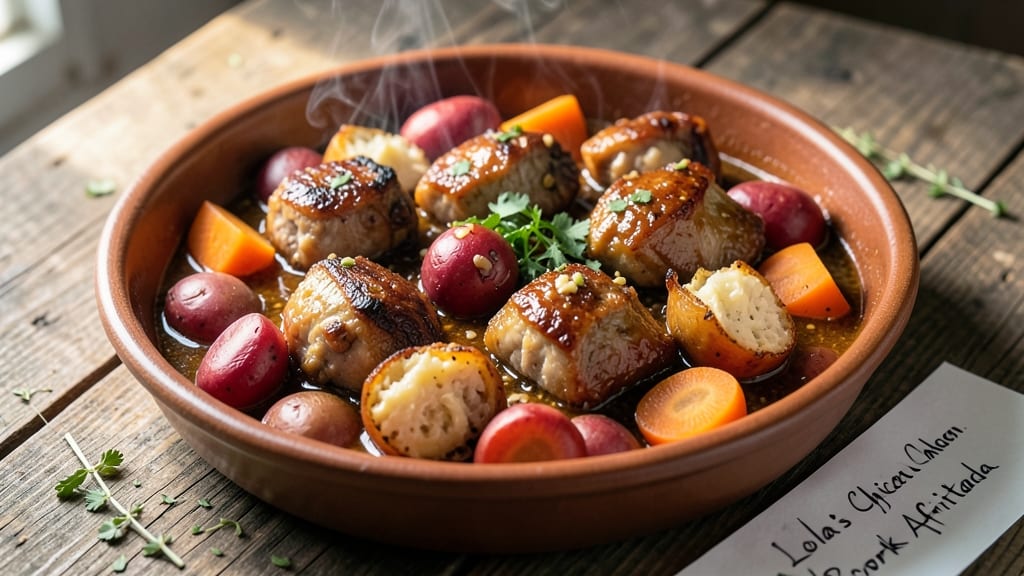
This Chicken and Pork Afritada Filipino recipe delivers the comforting flavors of home-cooked Filipino comfort food—rich, creamy tomato-soy sauce simmered with tender pork and chicken. 💛 The secret lies in slow cooking, where the sauce thickens into a velvety blanket that clings to every bite, balancing sweet, tangy, and savory notes perfectly.
I first tasted this dish at my Filipino neighbor's home, where it became our weekly ritual after church—now I'm sharing the recipe that brings those memories to your table.
The beauty of Afritada is its simplicity: just a handful of ingredients that transform into a restaurant-quality meal. Pork shoulder and chicken thighs break down into melt-in-your-mouth tenderness, while potatoes, carrots, and bell peppers absorb the sauce's depth.
The sauce itself is a masterpiece—a blend of tomatoes, soy sauce, and vinegar that develops complex layers of flavor as it simmers. This dish proves that comfort food doesn't require complicated techniques, just patience and attention to balance.
What you'll end up with is a steaming pot of golden-brown meat and vegetables swimming in a glossy, slightly thickened sauce that's both creamy and tangy. The pork stays juicy, the chicken tender, and every vegetable bite-sized and perfectly cooked.
The aroma alone will have your whole family gathering around the table, while the first taste will remind you why home cooking beats takeout every time. This is the kind of dish that tastes even better the next day, making it perfect for meal prep or feeding a crowd.
Serve it with steamed rice to soak up every last drop of that luscious sauce, or pair it with garlic fried rice for a heartier meal. For extra richness, some versions include liver or eggs—feel free to experiment based on what you have on hand.
The key is letting the sauce work its magic through slow simmering, so don't rush this one. Trust me, the wait is worth every bite.
Ingredients for chicken and pork afritada filipino
Pantry staples plus a few Filipino market finds—nothing fancy, just homey comfort.
| Ingredient | Amount | Notes |
|---|---|---|
| Pork Shoulder 🥓 | 2 lb | Bone-in for flavor, cut into 1.5-inch cubes |
| Chicken Thighs 🍗 | 1 ½ lb | Bone-in, skin-on for juiciness |
| Yellow Onions 🧅 | 2 whole | Medium size, sliced into half-moons |
| Garlic Cloves 🧄 | 8 cloves | Minced for aromatic base |
| Russet Potatoes 🥔 | 2 lb | Peeled, cut into 1-inch chunks |
| Carrots 🥕 | 1 ½ lb | Peeled, cut into bite-sized pieces |
| Green Bell Peppers 🌶️ | 2 whole | Medium size, sliced into strips |
| Canned Tomatoes 🍅 | 2 cans | 28 oz each, San Marzano preferred |
| Tomato Paste 🍅 | ½ cup | Squeeze tube or canned |
| Soy Sauce 🥢 | ½ cup | Light or regular, not low-sodium |
| White Vinegar 💧 | ¼ cup | For tangy brightness |
| Olive Oil 🫒 | ½ cup | For searing meat |
| Salt 🧂 | 1 ½ tsp | Kosher or sea salt, adjust to taste |
| Black Pepper 🌶️ | 1 tsp | Freshly ground for heat |
| Bay Leaves 🌿 | 2 whole | For subtle earthy flavor |
The pork shoulder is non-negotiable here—it stays juicy and tender while the chicken thighs add a nice contrast. Filipino markets often carry pre-cut pork shoulder, but the regular supermarket variety works too. Look for good marbling, not too much fat. Chicken thighs? Trader Joe's has them bone-in and skin-on for the best flavor, but any butcher will cut them to order. The potatoes and carrots should be firm, not wrinkled. Baby carrots work in a pinch, but whole carrots give you more control over the size. Bell peppers? Green or red—whatever's on sale, just make sure they're crisp and bright.
No San Marzano tomatoes? Any good-quality canned tomatoes will do—just drain them well. Soy sauce substitutes? Coconut aminos work in a bind, but it's not the same. Vinegar? White or apple cider both work, but white gives that classic tang. The tomato paste can be the squeeze-tube kind from Trader Joe's—no waste, and it keeps forever. For extra depth, some versions add a splash of calamansi juice if you can find it, but it's not required. The bay leaves? Two whole leaves is plenty—they add aroma without overpowering.
This dish tastes even better the next day, so make extra. Store leftovers in the fridge for 4-5 days or freeze for 3 months. I always portion mine into containers with rice—ready for lunches all week. The sauce thickens as it cools, so add a splash of water or broth if it seems too thick when reheating. And trust me, the first bite is worth the wait—that's when the magic happens.
Why You'll Love This Recipe
- One-Pan Magic: I swear by this recipe when I’m too tired to scrub pots—just brown the meats, toss in the onions and garlic, then let the potatoes soak up all that savory sauce. Minimal chopping, zero cleanup stress.
- Garlic Bomb Potatoes: Between us, the crispy edges on those potatoes? Chef’s kiss. The onions caramelize right into the sauce, and the garlic—oh, the garlic—turns everything into a rich, golden hug. My kids fight over the last bite.
- Budget Feast: Pork shoulder and chicken thighs stretch for days, and the potatoes add hearty bulk without breaking the bank. Honestly, I’ve made this for potlucks, family dinners, and even a last-minute lunch—it never disappoints.
- Leftovers That Beg: The sauce thickens beautifully overnight, making every reheat taste like it’s fresh off the stove. I’ll be real: I’ve microwaved this cold for work lunches, and no one ever guessed. (They always ask for the recipe.)
Step-by-step instructions for chicken and pork afritada
Here's how to create this rich, creamy Filipino classic with perfectly tender meat and vibrant vegetables.
🔥 Step 1: Sear the Meat for Deep Flavor
Heat a large Dutch oven over medium-high heat and add 0.25 cup of the olive oil. Working in batches to avoid crowding, sear the 2 lb pork shoulder cut into 1.5-inch cubes for 4-5 minutes per side until golden brown. The pork should develop a nice crust while staying slightly pink inside.
Remove the pork and set aside. In the same pot, add another 0.25 cup olive oil and sear the 1.5 lb chicken thighs (bone-in, skin-on) for 5-6 minutes per side until golden brown and cooked through. The skin should be crispy while the meat remains juicy. Transfer both meats to a plate and keep warm.
🍳 Step 2: Sauté Aromatics and Build the Sauce Base
In the same Dutch oven, reduce heat to medium and add the sliced 2 whole yellow onions and 2 whole green bell peppers (strips). Cook for 5-6 minutes until softened and slightly caramelized. You'll smell that sweet, oniony aroma—this is where the foundation of flavor begins.
Add the 8 cloves minced garlic and cook for 30 seconds until fragrant. Be careful not to burn the garlic—it should smell wonderful but not bitter. Stir in the 0.5 cup tomato paste, scraping up any browned bits from the bottom. This step is crucial for developing that rich, deep color that makes afritada so visually appealing.
🥘 Step 3: Simmer the Vegetables and Meat
Pour in the 2 cans canned tomatoes, 0.5 cup soy sauce, and 0.25 cup white vinegar. Add the 2 lb peeled russet potatoes (1-inch chunks) and 1.5 lb peeled carrots (bite-sized pieces). Return the pork and chicken to the pot, along with 1.5 tsp salt, 1 tsp black pepper, and 2 whole bay leaves.
Bring everything to a gentle boil, then reduce heat to low and cover partially. Let it simmer for 1 hour, stirring occasionally. You'll notice the vegetables softening and the meat becoming tender. The sauce should thicken slightly, coating everything beautifully. If it gets too thick, add a splash of water.
⏰ Step 4: Finish with Creamy Perfection
After 1 hour, remove the lid and increase heat to medium-low. Let the sauce reduce for another 15-20 minutes until it reaches your desired consistency—creamy but not watery. The meat should be fork-tender, and the vegetables should be soft but still hold their shape.
Taste and adjust seasoning if needed. The sauce should be rich, slightly tangy from the vinegar, and perfectly balanced with the sweetness of the tomatoes and vegetables. If you want it even creamier, you can stir in 2 tablespoons heavy cream at the end (though traditional afritada doesn't require this). Serve hot with steamed rice to soak up all that delicious sauce!
Pro Tips For Making Chicken And Pork Afritada Filipino
- BROWN THE MEAT FIRST: Skip the slow simmer until everything’s in—sear the pork shoulder and chicken thighs in batches over medium-high heat until they release juices and turn golden. I learned this the hard way: rushing the browning means your afritada will taste more like stew than the rich, caramelized dish it should be. (Yes, even if you’re impatient like me.)
- THIN THE SOUP LATER: Don’t dump all the potatoes in at once—they’ll soak up too much liquid and turn to mush. After the meat’s cooked and the onions/garlic are soft, remove half the potatoes, mash them into the broth, then return them to thicken. Sounds weird, but it works: you get creamy texture without gluey potatoes.
- DON’T SKIP THE GARLIC: Smash the garlic cloves with the flat of your knife before sautéing—this releases more flavor without burning. I was skeptical until I tried it: the difference between "meh" and "oh wow" is that extra burst of aroma. (And yes, peel them first, or you’ll be picking garlic skins out of your teeth.)
- USE COLD POTATOES: Toss the potatoes in ice water for 10 minutes before adding them to the pot—this keeps them from breaking down into a starchy slurry. I skip this when I’m lazy, but the dish is noticeably better when they stay firm and absorb flavor instead of turning to paste. (Your future self will thank you.)
Common mistakes when making your chicken and pork afritada filipino
Overcrowding the Pot
I can't stress this enough—don't overcrowd your Dutch oven when searing the pork and chicken. This is the #1 mistake I see that leads to steamed meat instead of beautifully browned, flavorful pieces. Work in batches, even if it means two rounds of searing.
The goal is to get that golden crust on the meat, which carries so much flavor into the sauce. If you're using a 5-6 quart Dutch oven, limit yourself to about 1.5 lbs of meat per batch. 🔥
Skipping the Sear
Some home cooks rush the searing step, thinking they can just toss everything in the pot at once. Big mistake. That initial sear builds Maillard reaction flavors that form the foundation of your sauce. If you skip it, your dish will taste flat and one-dimensional.
Take the extra 10-15 minutes to properly brown the meat—your taste buds will thank you. I've even seen people use a cast iron skillet first to get an extra-crispy crust before transferring to the Dutch oven.
Ignoring the Simmer Time
Afritada isn't a quick meal—it needs that 1-hour simmer to develop its signature creamy texture and deep flavors.
I've had people call me after 30 minutes complaining the meat was tough. Patience is key here. The pork and chicken need time to break down completely, and the vegetables need to soften while maintaining their shape.
If you're short on time, consider using a pressure cooker (set to high pressure for 25 minutes), but don't skip the simmer entirely.
Using Low-Quality Tomatoes
This is where many home cooks cut corners, and it shows. San Marzano tomatoes might be pricey, but they're worth it for their sweetness and low acidity. If you use generic canned tomatoes, your sauce will taste thin and watery.
Pro tip: Drain the tomatoes thoroughly and crush them slightly with your hands before adding to the pot. This helps release more flavor into the sauce. I've even seen people blend the tomatoes first for an ultra-smooth texture—just don't over-blend or you'll lose that chunky appeal.
Not Balancing the Sauce
The sauce in afritada needs that perfect balance of sweet, tangy, and savory. Many people add too much soy sauce (making it overly salty) or skip the vinegar (resulting in a flat flavor). Taste as you go!
The sauce should be rich but not heavy, with a bright tang from the vinegar cutting through the sweetness. If it's too salty, add a splash of water or a pinch of sugar. If it's too thin, let it reduce longer or add a cornstarch slurry.
Trust your palate—this is where the magic happens. 💡
Underestimating Leftovers
Afritada tastes even better the next day as the flavors meld together, but many people don't plan for this. Store leftovers in airtight containers in the fridge for up to 5 days or freeze for 3 months.
When reheating, add a splash of water or broth to prevent the sauce from thickening too much. I always double the recipe because it disappears faster than you think—especially when served with steamed rice. Pro move: Portion it into meal prep containers with rice for easy lunches all week. 💫
Nutrition facts
Frequently asked questions
Can I substitute pork shoulder with another cut?
For a quicker cook, use pork tenderloin (cut into 1-inch pieces) or pork chops (pounded to 0.5-inch thickness). If you prefer fattier meat, pork belly works beautifully—just reduce the cooking time by 15-20 minutes since it's more tender. The key is maintaining that rich, meaty flavor in the sauce.
Why does my sauce turn out watery?
Watery sauce usually means one of two things: either the tomatoes weren't drained well or the simmer time was too short. Always drain canned tomatoes thoroughly and crush them slightly to release juices. For a thicker sauce, let it reduce uncovered on medium-low heat for 10-15 extra minutes. If it's still too thin, mix 1 tablespoon cornstarch with 2 tablespoons water, stir in, and cook for 2 more minutes.
How do I make this dish vegetarian?
Replace the pork and chicken with extra-firm tofu (pressed and cubed) or hearts of palm for a meaty texture. Use mushrooms (like portobello or shiitake) for umami depth, and add 1 tablespoon soy sauce extra to compensate for the missing meaty flavor. The vegetables will still absorb the creamy sauce beautifully—just reduce the simmer time to 45 minutes since plant-based proteins cook faster.
Can I make Afritada in an Instant Pot?
Yes! Sear the meat first in a skillet, then transfer to the Instant Pot with all ingredients. Cook on high pressure for 20 minutes, then quick-release. Finish by reducing the sauce uncovered on medium heat for 10 minutes to thicken it properly. The pressure cooker cuts prep time, but the sauce won't develop quite the same depth as stovetop simmering—so taste and adjust seasoning carefully afterward.
What's the best way to reheat Afritada?
Reheat gently on the stovetop over low heat with 2-3 tablespoons water or broth to prevent the sauce from thickening too much. If using the microwave, cover with a damp paper towel and heat in 30-second intervals, stirring between each. The sauce will naturally thicken as it cools, so add a splash of liquid if needed. Never reheat to a boil—just warm through until steaming hot.