
Main Courses
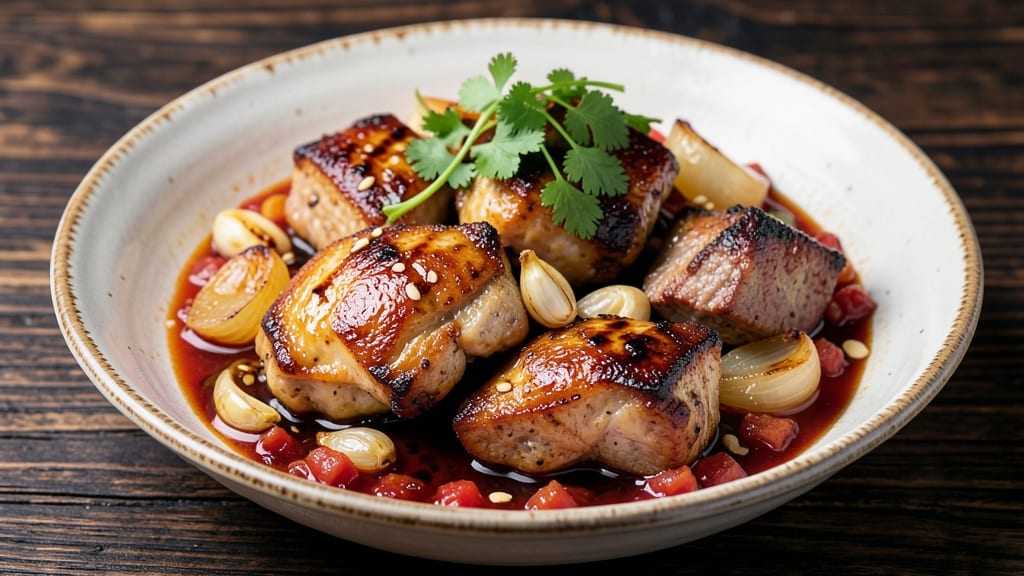
Chicken pork mechado brings the rich, comforting flavors of Filipino home cooking to your table with its signature sweet-savory glaze and tender meat. This braised dish transforms tough cuts into melt-in-your-mouth perfection through slow simmering and layered spices. What makes it special is the balance of tangy tomato, soy sauce, and vinegar that creates a glaze so addictive, you'll want to lick the pot clean.
The secret lies in the technique: first browning the meat for deep flavor, then simmering it low and slow until the sauce reduces into a glossy, caramelized coating.
This method ensures every bite delivers both texture and complexity—crisp edges on the meat, tender centers, and a sauce that clings like liquid gold. The dish is traditionally served with steamed rice to soak up every last drop of that irresistible glaze.
What you'll achieve is a restaurant-quality Filipino stew that's hearty enough for family dinners but elegant enough for gatherings. The aroma alone—smoky, sweet, and slightly tangy—will have everyone anticipating dinner. This recipe preserves authenticity while making it accessible for home cooks with simple ingredients and clear steps.
The beauty of mechado is its versatility—serve it with rice, crusty bread, or even over noodles for a hearty meal. The leftovers only get better as the flavors deepen overnight. Let's create this Filipino classic that tastes like home.
Ingredients for chicken pork mechado
Pantry staples meet Filipino flavors in this rich, caramelized braise.
| Ingredient | Amount | Notes |
|---|---|---|
| Chicken Thighs (bone-in, skin-on) 🍗 | 1 ½ lb | Cut into 2-inch pieces |
| Pork Shoulder 🥩 | 1 ½ lb | Cut into 2-inch cubes |
| Yellow Onions 🧅 | 2 whole | Thinly sliced |
| Garlic Cloves 🧄 | 8 cloves | Minced |
| Tomatoes (canned, crushed) 🍅 | 1 can (14.5 oz) | San Marzano preferred |
| Soy Sauce 🥄 | ½ cup | High-quality Filipino brand |
| Coconut Milk (canned) 🥥 | 1 can (13.5 oz) | Full-fat preferred |
| White Vinegar 💧 | ¼ cup | Distilled preferred |
| Brown Sugar 🍯 | ¼ cup | Packed |
| Bay Leaves 🍃 | 2 whole | Dried |
| Black Peppercorns 🌶️ | 1 tsp | Crushed |
| Potatoes 🥔 | 2 pieces | Russet, peeled and cubed |
| Carrots 🥕 | 2 whole | Peeled and sliced |
| Olive Oil 🫒 | ¼ cup | Extra-virgin |
| Salt 🧂 | 1 ½ tsp | Kosher or sea salt |
The meat selection is key—bone-in, skin-on chicken thighs and pork shoulder give the best texture. Look for well-marbled cuts at your butcher or the meat department. If you're short on time, Costco's pre-cut pork shoulder works perfectly. For the tomatoes, San Marzano cans (available at Whole Foods or Trader Joe's) have the best flavor profile. The soy sauce matters too—Filipino brands like Silver Swan or Datu Puti elevate the dish, but any good-quality soy sauce will work in a pinch.
No coconut milk? Heavy cream or evaporated milk adds richness, though the texture will differ slightly. Running out of vinegar? Lemon juice works at the same amount. The potatoes and carrots can be swapped for any root vegetable—sweet potatoes or parsnips add depth. For extra authenticity, add 1 tsp of fish sauce (like Red Boat) to the braising liquid, but it's optional. The brown sugar can be swapped for white sugar, though it won't caramelize as beautifully. If you're using pre-minced garlic, toast it in olive oil first to deepen the flavor—worth the extra minute.
This dish tastes even better the next day as the flavors meld. Store in an airtight container in the fridge for up to 4 days or freeze for 3 months. For easy reheating, portion into individual containers—just add a splash of water before warming. The sauce thickens as it cools, so a quick stir with a splash of water or broth brings it back to perfection. Serve with steamed rice to soak up every last drop of that irresistible glaze—trust me, you'll want to lick the pot clean.
Why You'll Love This Recipe
- One-Pot Magic: I swear by this recipe when I’m too tired to juggle multiple pans. Bone-in chicken and pork shoulder simmer together—no chopping, no fuss—just a single pot that fills the house with that deep, savory aroma.
- Garlic Bomb: Between us, the garlic and onions caramelize into something ridiculous. The pork shoulder gets so tender it melts, while the chicken stays juicy—like a hug from your favorite comfort food.
- Budget Hero: Pork shoulder and chicken thighs stretch for miles. A single pot feeds four, and the canned tomatoes mean no wasted produce. My wallet and my family thank me every time.
Step-by-step instructions for chicken pork mechado
This rich Filipino braise delivers tender meat and sweet-savory sauce through careful layering and slow cooking.
Sear the Meats for Deep Flavor
Heat a large Dutch oven over medium-high heat until very hot. Add the 0.25 cup olive oil and let it shimmer. Working in batches to avoid crowding, add the 1.5 lb pork shoulder cubes and 1.5 lb chicken thighs in a single layer. Sear for 4-5 minutes per side until deeply golden brown and crispy in spots.
This initial searing creates the Maillard reaction that builds deep flavor. Don't rush this step—you want that caramelized crust on every piece. Once all meat is browned, remove it from the pot and set aside. The residual fat will become the foundation for your sauce.
Build the Aromatic Base
In the same Dutch oven, add the 2 whole thinly sliced yellow onions and cook for 3-4 minutes until softened and beginning to caramelize. Add the 8 cloves minced garlic and cook for 30 seconds until fragrant—don't let it burn. Stir in the 1 tsp crushed black peppercorns and 1.5 tsp salt, allowing the spices to toast for 10 seconds.
Here's where the depth of flavor begins. The onions should be golden at the edges while still retaining some texture. If they darken too quickly, reduce heat slightly. This aromatic base will infuse the entire dish with its warm, complex character.
Simmer the Braising Liquid
Pour in the 1 can (14.5 oz) crushed tomatoes, 0.5 cup soy sauce, 0.25 cup white vinegar, and 0.25 cup packed brown sugar. Stir well to combine, then add the 1 can (13.5 oz) coconut milk and 2 whole bay leaves. Return all the meat to the pot and bring to a gentle boil.
The coconut milk will create a velvety texture while the vinegar and soy sauce balance sweetness with acidity. Once boiling, reduce heat to low and cover partially. Simmer for 1 hour, stirring occasionally, until the meat is tender and the sauce begins to thicken.
Add Vegetables and Finish Cooking
Peel and slice the 2 whole carrots and 2 pieces potatoes into 1-inch cubes. Add them to the pot along with any accumulated juices. Return to a simmer, cover, and cook for another 30-40 minutes until vegetables are fork-tender and the sauce has thickened to a glossy consistency.
The vegetables should absorb the rich flavors while maintaining their structure. Taste the sauce and adjust seasoning if needed—you may need a touch more soy sauce for saltiness or sugar for sweetness. The final sauce should coat the back of a spoon with a balance of sweet, savory, and tangy notes.
Rest and Serve
Remove from heat and let the mechado rest for 10 minutes before serving. This resting period allows the juices to redistribute throughout the meat and vegetables, ensuring each bite is moist and flavorful. Discard the bay leaves before serving.
Serve family-style with steamed rice to soak up the delicious sauce. The meat should be fork-tender with a crispy exterior, while the vegetables maintain their bite. The sauce should cling beautifully to every component, delivering that perfect balance of sweet, savory, and umami flavors characteristic of authentic Filipino mechado.
Pro Tips For Making Chicken Pork Mechado
- SEAR THE SKIN FIRST: The chicken thighs’ skin is your flavor anchor—don’t skip browning it before adding everything else. I used to toss them in whole, and the sauce stayed pale and bland. Pat them very dry, then sear skin-side down in batches until golden and crispy (about 8-10 minutes total). The fat renders out, deepening the sauce’s richness later.
- BLANCH THE ONIONS: This isn’t just a flavor step—it’s a texture game-changer. Slice the yellow onions into thick wedges, then blanch them in boiling water for 3 minutes before adding them to the pot. They’ll soften evenly without turning mushy, and the sauce won’t turn into onion sludge. (Yes, it’s extra work, but your future self will notice.)
- LOW AND SLOW AFTER SEARING: Once the meat is browned and the onions are in, resist the urge to crank the heat. Simmer the whole thing at a gentle bubble—just enough to see tiny ripples—covered for at least 45 minutes. I learned this after a rushed batch where the pork stayed chewy. Patience here turns tough cuts into melt-in-your-mouth perfection.
- SALT THE PORK SHOULDER IN ADVANCE: Don’t wait until the pot to season the pork. Cut it into chunks, then sprinkle generously with salt and let it sit uncovered in the fridge for 2 hours (or overnight if you’re planning ahead). The salt breaks down the fibers, making it tender faster. I was skeptical until I tried it—now I never skip it.
Flavor customization for this recipe
Sweet Heat Balance
Adjust the sweetness by tweaking the brown sugar—start with ¼ cup but add 1-2 tbsp more if you prefer a richer caramelized glaze. For heat lovers, add ½ tsp ground black pepper or 1 tbsp sriracha to the sauce during the final 10 minutes of simmering.
I find 1 tsp fish sauce (like Red Boat) enhances umami without overpowering the sweet-tangy profile. 🌶️
Tangy Variations
Swap white vinegar for ½ cup pineapple juice to add tropical brightness—this works surprisingly well with the coconut milk. For extra tang, add 1 tbsp calamansi juice (Filipino lime) or a splash of lemon juice at the end.
The acidity cuts through the richness beautifully, balancing the soy and sugar. Trust me, your taste buds will thank you.
Creamy Texture Options
For a silkier sauce, stir in ¼ cup heavy cream during the last 10 minutes of cooking. If you prefer a thicker consistency, reduce the coconut milk to ½ can and add 1 tbsp cornstarch mixed with 2 tbsp water at the end.
The key is patience—simmer for 2-3 minutes until the sauce reaches your desired thickness. 🥄
Spice Profile Adjustments
Add 1 tsp ground cinnamon or ½ tsp ground cloves when building the aromatic base for warm spice notes. For a smoky depth, include ½ tsp smoked paprika with the black pepper.
If you love fresh herbs, stir in 2 tbsp chopped cilantro or thai basil just before serving—it adds a bright, aromatic finish that elevates the dish.
Vegetable Swaps
Replace potatoes with sweet potatoes or parsnips for natural sweetness that pairs perfectly with the sauce. Add 1 cup green beans or bell peppers for color and crunch—they cook quickly and absorb flavors beautifully.
For a heartier dish, include 1 cup diced eggplant or zucchini and add them with the other vegetables. 🥕
Protein Customizations
Swap pork shoulder for pork belly (cut into ½-inch cubes) for extra richness, or use chicken drumsticks instead of thighs for more flavor. For a seafood twist, add ½ lb shrimp or scallops during the final 10 minutes of cooking—they absorb the sauce beautifully without overcooking.
If you're vegetarian, replace meat with extra-firm tofu or mushrooms and increase soy sauce to ⅔ cup for depth.
Nutrition facts
Frequently asked questions
Can I use chicken breast instead of thighs for this recipe?
Chicken thighs are ideal because they stay juicier during long braising. Chicken breast will dry out quickly—if you must use it, cut it into 1-inch cubes and add it only during the final 15 minutes of cooking. For best results, marinate the breast in ½ cup soy sauce for 30 minutes beforehand to prevent toughness.
What makes this dish different from regular Filipino mechado?
This recipe combines both chicken and pork—a modern twist on traditional mechado, which typically uses only one protein. The sauce balances sweetness from brown sugar with tangy vinegar and rich umami from soy sauce, creating a glossy glaze that's more complex than classic versions. The coconut milk adds creaminess while keeping it authentic.
How do I fix if the sauce turns out too thin?
Simmer uncovered for 5-10 minutes to reduce the sauce naturally. For quicker results, mix 1 tbsp cornstarch with 2 tbsp water, stir into the sauce, and simmer for 2 minutes until thickened. Avoid over-thickening—you want a glossy, coatable consistency, not a paste.
Can I prepare this ahead of time?
This dish tastes even better the next day! Store in an airtight container in the fridge for up to 4 days. The flavors deepen as the sauce absorbs into the meat. Reheat gently on low heat with a splash of water or broth to restore moisture. For freezing, portion into individual containers for easy reheating.
What sides pair best with chicken pork mechado?
Steamed jasmine rice is traditional, but you can also serve with crusty bread to soak up the sauce. For a complete meal, add a fresh salad with calamansi dressing or sinigang-style vegetables (like okra or string beans) for contrast. The tangy acidity cuts through the richness beautifully.