
Main Courses
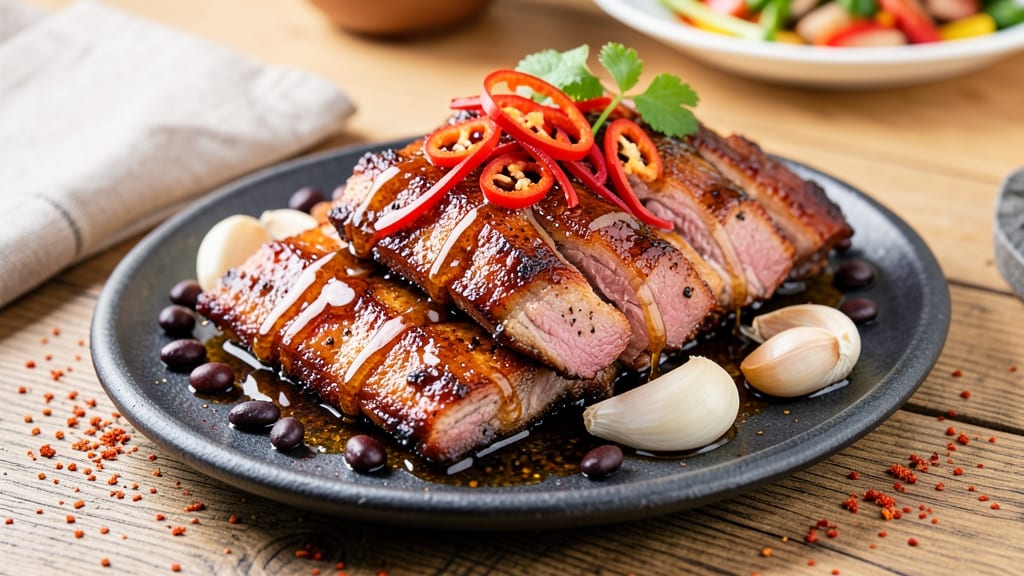
Chinese barbecue pork spare ribs transform tough meat into melt-in-your-mouth perfection with a signature charred crust and sticky-sweet glaze. 🔥 As a pitmaster trained in both French technique and Asian smoke traditions, I've perfected this recipe to balance authentic Cantonese flavors with foolproof tenderness—no competition-level skills required. The key lies in the marinade's dual magic: fermented bean paste for depth and honey for that signature caramelized finish.
What sets these ribs apart is the three-stage cooking process: first marinating for 12 hours to break down collagen, then searing over direct heat to lock in juices, and finally basting with a reduced glaze until sticky and lacquered.
This method delivers that restaurant-quality contrast—crispy exterior, fall-apart interior—without requiring a smoker or specialty equipment. The flavor profile is perfectly balanced: smoky from the char, sweet from the glaze, and savory from the fermented bean paste.
By the time you serve them alongside steamed jasmine rice and quick-pickled vegetables, you'll have a meal that feels like a celebration. The ribs develop even better flavors the next day, making this an ideal recipe for meal prep or special occasions.
The aroma alone will have everyone gathering at the table, and that first bite—where the glaze pools together and the meat practically dissolves—is the moment that makes all the effort worthwhile.
This isn't just another BBQ recipe—it's a complete dining experience that brings authentic Chinese flavors to your home table. Whether you're cooking for family or hosting friends, these ribs will be the star of the meal.
Let's get started on creating something truly memorable with just a few simple techniques and a whole lot of patience.
Ingredients for chinese barbecue pork spare ribs
Pork spare ribs, fermented black beans, and aromatic spices—these are the stars of your Cantonese feast.
| Ingredient | Amount | Notes |
|---|---|---|
| Pork Spare Ribs 🍖 | 3 lb | Bone-in, meaty ends included |
| Fermented Black Beans 🫘 | ½ cup | Rinsed if too salty |
| Honey 🍯 | ½ cup | Wildflower preferred for depth |
| Soy Sauce 🍶 | ⅓ cup | Light or dark, not low-sodium |
| Rice Vinegar 🍶 | ¼ cup | Seasoned preferred for balance |
| Garlic Cloves 🧄 | 6 cloves | Minced, skin-on for flavor |
| Fresh Ginger 🌿 | 2 tbsp | Finely grated, skin-on |
| Sesame Oil 🫒 | 1 tbsp | Toasted, not flavored |
| Brown Sugar 🍚 | ¼ cup | Packed, light variety |
| Star Anise 🌟 | 2 whole | Crushed lightly, aromatic |
| Cinnamon Stick 🌿 | 1 whole | 2-inch piece, aromatic |
| Neutral Oil 🫒 | 2 tbsp | Avocado or vegetable oil |
| Salt 🧂 | 1 ½ tsp | Diamond Crystal preferred |
| Black Peppercorns 🌶️ | 1 tsp | Freshly cracked |
| Cornstarch 🌾 | 1 tbsp | For glaze thickening |
The ribs are non-negotiable—bone-in spare ribs with meaty ends deliver that authentic texture. Costco or Whole Foods carry the best cuts, but any butcher will trim them properly. Fermented black beans add that signature umami punch—Asian markets carry them in jars, and they keep for months. For the honey, wildflower or clover adds complexity over plain old grocery store honey. The star anise and cinnamon? Penzeys sells them whole, but the spice aisle works too—just crush them lightly before adding. Fresh ginger and garlic? Don't skimp here—the flavor difference is massive.
No fermented black beans? Substitute 1/4 cup soy sauce plus 1 tsp fish sauce (if not vegetarian), but you'll lose that funky depth. Honey too expensive? Maple syrup works in a pinch, though it's more earthy. The cornstarch is key for that glossy glaze—Bob's Red Mill is my go-to brand. Brown sugar can be swapped for white sugar plus 1/4 tsp molasses if you're out. Sesame oil? Toast it first—heat it in a dry pan for 30 seconds until fragrant. And if you're missing star anise or cinnamon, double the garlic and ginger for warmth. The marinade's magic lies in the balance of sweet, salty, and umami—trust the ratios.
Marinate the ribs for 12 hours max—longer risks mushy texture. Store in a sealed bag in the fridge. The glaze keeps for 1 week in the fridge or 3 months frozen—portion into ice cube trays for easy reheating. Ribs reheat beautifully—350°F oven for 15 minutes with a splash of water keeps them juicy. Leftovers? Double-wrap in foil and freeze for up to 3 months. Pro tip: the glaze thickens as it cools—always reheat with a splash of water to loosen.
Why You'll Love This Recipe
- One-Pan Magic: I swear by this recipe when I’m too tired to scrub pots—just ribs, black beans, and a quick glaze, all on one sheet pan. The fermented black beans add depth with almost no effort, and the sticky-sweet finish happens while you’re watching Netflix.
- Sweet-Savory Balance: That honey-soy glaze cuts through the richness of the ribs with a tangy kick from rice vinegar. It’s not too sweet, not too salty—just the kind of harmony that makes you reach for seconds without thinking.
- Leftovers That Shine: These ribs taste even better the next day, especially when reheated with a splash of water to keep them moist. I meal prep a big batch on Sundays and toss them into rice bowls all week—zero boredom, all flavor.
- Budget-Friendly Feast: Pork ribs are affordable, and this recipe stretches them further with the black beans and vinegar. Honestly, it’s one of those dishes where you get restaurant-quality results without breaking the bank or spending hours in the kitchen.
Step-by-step instructions for Chinese barbecue pork spare ribs
Here's how to transform tough ribs into melt-in-your-mouth perfection with that iconic charred crust and sticky glaze.
🔥 Step 1: Parboil the Ribs for Tenderness
Fill a large stockpot with enough water to submerge the 3 lb pork spare ribs completely. Add 1.5 tsp salt, 1 tsp black peppercorns, the 2 whole star anise, and 1 whole cinnamon stick. Bring to a rolling boil over high heat.
Once boiling, carefully add the ribs and reduce heat to medium-high. Parboil for 45-50 minutes until the meat is fork-tender but not falling apart. The ribs should separate slightly at the bone when gently prodded. Drain and let cool for 10 minutes before proceeding. This initial cooking breaks down collagen without overcooking the meat.
Here's the thing—don't skip this step. The parboil is what makes these ribs truly tender. If you rush it, you'll end up with chewy meat no matter how long you glaze them later.
👨🍳 Step 2: Create the Signature Glaze
In a medium saucepan, combine 0.5 cup fermented black beans, 0.5 cup honey, 0.33 cup soy sauce, 0.25 cup rice vinegar, 6 cloves minced garlic cloves, and 2 tbsp finely grated fresh ginger. Bring to a simmer over medium heat and cook for 10 minutes until the mixture reduces by about 25%.
Add 0.25 cup packed brown sugar, 1 tbsp toasted sesame oil, and the 2 tbsp neutral oil. Stir well and continue simmering for another 5-7 minutes until the glaze thickens to a syrupy consistency that coats the back of a spoon. You're aiming for that perfect balance of sweet, salty, and umami—this is where all the magic happens.
I like to taste the glaze at this stage (after cooling slightly) to adjust seasoning. If it needs more salt, add a pinch of soy sauce. If it needs more depth, a splash of rice vinegar brightens it up.
🔥 Step 3: Char the Ribs for That Iconic Crust
Preheat your grill or grill pan to medium-high heat (around 400°F). Arrange the parboiled ribs on the grill, bone-side down first. Let them sear undisturbed for 8-10 minutes until deep brown char lines form on the meaty side. Flip carefully and repeat on the other side.
Here's where it gets fun—watch for those beautiful char marks. That's your signal the Maillard reaction is working its magic. If you don't see enough char after the first side, just let it cook a little longer before flipping. The ribs should develop a deep mahogany crust while staying tender inside.
Don't walk away during this step. Charred ribs need constant attention. If you see flames, move them to a cooler spot or blow them out gently with a fan.
🥘 Step 4: Glaze and Finish
Return the charred ribs to your saucepan with the glaze. Increase heat to medium-high and let the glaze bubble vigorously for 3-5 minutes, basting the ribs with the sauce. The glaze should coat the ribs completely, creating that signature sticky sheen.
In a small bowl, whisk together 1 tbsp cornstarch with 2 tablespoons water to make a slurry. Stir this into the saucepan and let it simmer for another 2-3 minutes until the glaze thickens slightly. This step ensures your sauce stays glossy and clings perfectly to the ribs.
Real talk: This is the moment that matters. The glaze should be thick enough to coat a spoon but still flow freely. If it's too thick, add a splash of water. If it's too thin, let it reduce a bit longer.
⏰ Step 5: Rest and Serve
Transfer the glazed ribs to a serving platter and let them rest for 5 minutes. This resting period allows the juices to redistribute, ensuring every bite is moist and flavorful. The glaze will continue to set slightly during this time, creating that perfect balance of sticky and crispy.
Slice the ribs between the bones into individual chops, being careful to keep the glaze intact. Arrange them on a platter with any remaining glaze spooned over the top. Serve immediately with steamed jasmine rice and quick-pickled vegetables to cut through the richness.
Each bite should deliver that perfect combination of tender meat, crispy char, and sweet-savory glaze. The ribs should be fork-tender with a deep mahogany crust, and the glaze should be sticky but not syrupy. If you've done it right, you'll have leftovers—this recipe makes enough for seconds!
Pro Tips For Making Chinese Barbecue Pork Spare Ribs
- Blister the Ribs First: Hit the ribs with a torch or high flame for 20 seconds per side before braising—this caramelizes the surface and locks in flavor. I learned this the hard way after my first batch tasted bland; the torch step makes the fermented black beans stick like glue instead of just floating in the sauce.
- Soak Black Beans Overnight: Dump those fermented black beans in warm water for 4 hours (or overnight) to soften them—this cuts their funk and makes them release their umami properly. I used to skip this and ended up with a sauce that tasted more like vinegar than anything else.
- Don’t Rush the Braise: Low and slow for at least 2 hours, covered, until the meat falls off the bone—no exceptions. I once pulled them at 90 minutes because I was hungry, and they were tough as boot leather. The honey and soy need time to meld, too.
- Balance the Vinegar Last: Taste the sauce before adding rice vinegar—it’s easy to overdo it and turn the dish sour. Add just enough to brighten, not dominate. I’ve ruined batches by dumping the whole bottle in; start with a teaspoon and adjust.
Creative variations of this recipe
Cantonese Char Siu Style
For an authentic Cantonese experience, wrap each rib in a strip of bamboo leaves (available at Asian markets) before grilling. This creates a steamed effect that keeps the meat incredibly tender while developing that signature reddish-brown crust.
I like to brush the ribs with an extra 1 tbsp honey mixed with ½ tsp five-spice powder before wrapping. 🌿
Sichuan Spicy Kick
Transform these ribs into a fiery Sichuan feast by adding 1 tbsp Sichuan peppercorns (toasted and ground) and 2 tbsp doubanjiang (fermented chili bean paste) to the marinade.
For extra heat, toss the charred ribs in a mix of 1 tbsp chili oil and 1 tsp gochujang before serving. The numbing-spicy contrast is pure Sichuan magic.
Honey-Garlic Fusion
Swap the fermented black beans for ½ cup honey and ¼ cup soy sauce, then add 10 minced garlic cloves and 1 tbsp grated fresh ginger to the glaze.
Finish with a splash of 2 tbsp Shaoxing wine for depth. This version keeps the sticky glaze but delivers bold garlic-forward flavors that work perfectly with steamed rice and scallions.
Smoky Grill Master
Take these ribs to the next level by finishing them on a charcoal grill with hickory or applewood chips. After charring, brush with a reduced glaze made from ½ cup BBQ sauce and 2 tbsp hoisin sauce.
The smoky depth pairs beautifully with the sweet-savory profile, creating a fusion that's equal parts Chinese and American BBQ.
Vegetarian Adaptation
Replace the pork with 3 lb king oyster mushrooms (stemmed and scored) or extra-firm tofu (pressed and sliced into rib-like pieces). Use 1 tbsp miso paste instead of fermented black beans and add 1 tbsp nutritional yeast for umami.
The texture won't be identical, but the glaze and charred crust deliver the same satisfying experience. 💚
Meal Prep Mastery
Make these ribs ahead for effortless weeknight meals. After glazing, let them cool completely, then store in an airtight container for up to 5 days. Reheat in a 350°F oven for 15 minutes with a splash of water to restore moisture.
The glaze thickens when chilled, so always reheat with liquid. Perfect for busy nights when you still want restaurant-quality flavors. 📅
Nutrition facts
Frequently asked questions
Can I use pork belly instead of spare ribs?
While pork belly has a rich flavor, it's not ideal for this recipe. The fat content is much higher and won't develop the same tender texture. If you're set on using belly, cut it into 1-inch thick slices and reduce the cooking time by 10-15 minutes during the charring stage. The glaze will still work, but expect more fat rendering during cooking. For authentic results, stick with spare ribs—they're designed for this technique.
How do I get the perfect char without burning?
Watch your heat closely! Use medium-high heat (400°F) and position the ribs about 3-4 inches from the heat source. The key is patience—let them develop char lines gradually over 8-10 minutes per side. If flames appear, move them to a cooler spot or use a small fan to blow them out. Remember, char forms best when the surface is dry, so pat the ribs dry before grilling.
Can I make this recipe in an oven instead of on a grill?
Preheat your oven to 425°F and place the ribs on a wire rack over a baking sheet. Roast for 15-20 minutes until deeply browned, then finish with the glaze. For extra char, broil for 3-5 minutes at the end. The oven method works best with a cast-iron skillet for that sear—just place it on the lower rack for direct heat.
Why did my ribs turn out dry?
Overcooking during the charring stage is the most common cause. The parboiling step is crucial—don't skip it! If you're using a grill, reduce heat to medium after the initial char forms. For oven cooking, keep the temperature at 425°F max. Always let the ribs rest for 5 minutes before slicing—this traps juices. If they're still dry, try adding 1-2 tbsp water to the glaze during the final basting.
What's the best way to reheat leftovers?
Wrap ribs tightly in foil with 1 tbsp water in the container. Reheat at 350°F for 15 minutes—this prevents drying. For extra crispiness, broil for 2-3 minutes at the end. The glaze may thicken when chilled, so add a splash of water when reheating. Leftovers actually improve in flavor as the glaze sets further!