
Main Courses
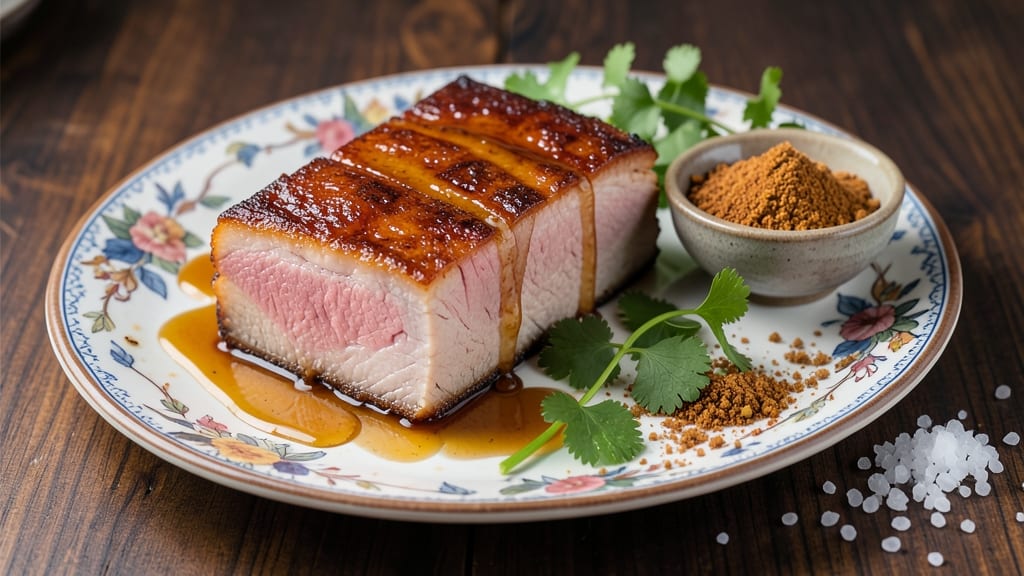
This Chinese cured pork recipe transforms simple pork into a sticky, caramelized masterpiece with five-spice powder and honey-soy marinade. 🔥 I spent years perfecting this technique—balancing salt, sugar, and spices to create that signature aromatic glow while keeping the meat tender.
The secret lies in the curing process, where the pork absorbs flavors deeply before roasting to crispy perfection.
The beauty of this method is its versatility—whether you're making it for a family dinner or a festive gathering, the curing process ensures rich, complex flavor. Five-spice powder adds warmth, while the honey-soy glaze caramelizes beautifully during roasting, creating that irresistible crunch.
This isn't just pork; it's a dish that carries the essence of Chinese cuisine with every bite.
What makes this recipe special is how it delivers restaurant-quality results at home. The pork develops a glossy, caramelized exterior while staying juicy inside, and the aroma alone will have everyone anticipating dinner. Serve it sliced thin over steamed rice, in stir-fries, or even as a BBQ centerpiece—it's that adaptable.
Ready in about 8 hours (mostly hands-off curing time), this recipe is perfect for those who want flavor without fuss. The key is patience—letting the pork cure and rest transforms it into something extraordinary. Let's get started on creating your own five-spice glow.
Ingredients for chinese cured pork
The foundation of restaurant-quality Chinese cured pork starts with these twelve essential ingredients.
| Ingredient | Amount | Notes |
|---|---|---|
| Pork Shoulder (or Pork Butt) 🐖 | 2 lb | Bone-in, skin-on preferred for flavor |
| Five-Spice Powder 🌶️ | 2 tbsp | Authentic Chinese blend preferred |
| Kosher Salt 🧂 | ½ cup | Diamond Crystal preferred for precision |
| Honey 🍯 | ¼ cup | Wildflower or clover preferred |
| Soy Sauce 🍶 | ¼ cup | Kikkoman or Japanese-style preferred |
| Brown Sugar 🍚 | ¼ cup | Light or dark preferred |
| Garlic Cloves 🧄 | 6 cloves | Fresh, peeled, minced |
| Ginger Root 🌿 | 1 tbsp | Fresh, grated |
| Sesame Oil 🫒 | 1 tbsp | Toasted, for aroma |
| Rice Vinegar 🍶 | 1 tbsp | Seasoned preferred |
| Neutral Oil (e.g., Avocado or Canola) 🫒 | 2 tbsp | For high-heat roasting |
| Fresh Cilantro 🌿 | ¼ cup | Chopped, for garnish |
The pork shoulder is non-negotiable for this recipe—its fat content ensures a juicy, flavorful result. Look for bone-in, skin-on cuts at your local butcher or Costco for the best marbling. If you're using a pre-cut roast, ensure it's untrimmed to preserve moisture. The five-spice powder should be authentic—brands like Penzeys or Asian markets carry the highest quality blends, but Trader Joe's offers a reliable budget option. For honey, local wildflower adds subtle floral notes that complement the soy and spices beautifully.
Substitutions are possible but require precision. No five-spice powder? Blend 1 tsp cinnamon, 1 tsp fennel seeds, 1 tsp star anise, 1 tsp cloves, and 1 tsp black pepper for a homemade version. Soy sauce unavailable? Use coconut aminos at the same ratio, though the flavor will differ slightly. Brown sugar substitutes include maple syrup or agave, but reduce by 10% to account for moisture differences. The garlic and ginger can be pre-minced from jars (like Trader Joe's brand) if fresh isn't an option, though freshly grated delivers superior depth of flavor. Sesame oil can be omitted if you're sensitive to its aroma, but its toasty notes are integral to the final dish.
Store the cured pork in an airtight container in the refrigerator for up to 5 days before roasting. The marinade components—soy sauce, honey, and spices—can be pre-mixed and kept in the fridge for 1 week or frozen for 3 months. For best results, let the pork cure uncovered in the fridge for 4-6 hours before roasting to develop that signature caramelized crust. The cilantro garnish should be added fresh post-roasting—it wilts quickly and loses its vibrant color when exposed to heat for extended periods.
Why You'll Love This Recipe
- Five-Spice Magic: Honestly, that jar of five-spice powder is the real MVP here—just a teaspoon mixed into the salt rub, and suddenly you’ve got warmth, depth, and a little something mysterious in every bite. The pork practically glows with flavor without needing a dozen ingredients.
- One-Pan Wonder: Between us, this is the kind of recipe that turns "I don’t feel like cooking" into "I’ll make this instead." Rub the pork, bake it, slice it—no extra pans, no extra stress. Even my college apartment kitchen could handle it.
- Leftover Goldmine: I swear, this pork tastes better the second day. Shred it for dumplings, toss it in fried rice, or just eat it straight with steamed greens—it’s the ultimate lazy-day hero. A single batch feeds my family for three meals without breaking the bank.
- Budget-Friendly Luxury: Pork shoulder is cheap, but this recipe makes it feel special. The honey and soy sauce caramelize into a sticky, savory crust that’ll fool anyone into thinking you slaved over it. My wallet and my taste buds thank me every time.
Step-by-step instructions for Chinese cured pork
This method delivers restaurant-quality Chinese cured pork with deep five-spice flavor and irresistible caramelized edges.
👨🍳 Step 1: Prepare the Cure and Coat the Pork
In a medium bowl, combine the 2 tbsp five-spice powder, 0.5 cup kosher salt, 0.25 cup honey, 0.25 cup soy sauce, 0.25 cup brown sugar, 6 minced garlic cloves, and 1 tbsp grated ginger root. Mix thoroughly until the dry ingredients dissolve completely into the wet components, creating a thick paste.
Pat the 2 lb pork shoulder completely dry with paper towels—this is crucial for proper curing and crispy edges. Rub the paste all over the pork, pressing firmly so it adheres to every surface. Wrap the pork tightly in plastic wrap and refrigerate for 24 hours, turning it every 6 hours to ensure even curing. This resting period allows the flavors to penetrate deeply while developing that signature five-spice glow.
🔥 Step 2: Roast for Deep Flavor and Caramelization
Preheat your oven to 325°F. Remove the pork from the fridge and let it sit at room temperature for 30 minutes before roasting—this ensures even cooking. Place the pork on a wire rack set over a rimmed baking sheet (the rack allows air circulation for crispy skin).
Roast for 3 hours, then increase the heat to 375°F and continue roasting for another 1 hour. You'll know it's ready when the internal temperature reaches 195-200°F and the exterior develops a deep mahogany color with caramelized edges. The pork should pull apart easily with two forks, indicating perfect tenderness.
🍳 Step 3: Glaze with Sesame Oil and Vinegar
While the pork roasts, prepare the finishing glaze by combining 1 tbsp sesame oil, 1 tbsp rice vinegar, and 2 tbsp neutral oil in a small bowl. After removing the pork from the oven, brush this mixture generously over all surfaces, including the caramelized edges. This step enhances the aroma and adds a subtle tangy brightness that cuts through the richness.
Return the pork to the oven for 5-10 minutes at 400°F to set the glaze and deepen the caramelization. Watch closely—you want the edges to become glossy and slightly crispy, not burnt. The high heat also intensifies the five-spice aroma throughout your kitchen.
🥘 Step 4: Rest and Garnish
Transfer the pork to a cutting board and let it rest for 15 minutes before slicing. This resting period allows the juices to redistribute, ensuring each bite remains moist and flavorful. While it rests, chop the 0.25 cup fresh cilantro finely for garnish.
Slice the pork against the grain into ¼-inch thick pieces. Arrange on a serving platter, drizzle with any accumulated pan juices, and sprinkle with the chopped cilantro. The final result should showcase a perfect balance: tender, slightly sticky meat with crispy edges, infused with warm five-spice notes and a touch of sweet-savory glaze.
Pro Tips For Making Chinese Cured Pork
- Salt the Meat Twice: I learned this the hard way—dry-brine the pork shoulder for 24 hours before applying the honey-soy cure. Pat it dry first, then rub with half the salt and five-spice, wrap tightly, and refrigerate. The second salting comes right before cooking: add a thin layer of honey and soy sauce, then let it sit uncovered for 30 minutes. This keeps the meat juicy and ensures the glaze sticks without steaming off.
- Use a Meat Thermometer: Skip guessing temperatures—Chinese cured pork needs precision. Start searing at 400°F (200°C) until the edges brown, then drop to 275°F (135°C) for slow rendering. Pull it at 195°F (90°C) internal temp, even if it looks underdone. The connective tissue will break down perfectly, and you won’t end up with a chewy mess or dry, overcooked pork.
- Deglaze with Soy-Honey Mix: After searing the pork, don’t just toss in water or broth—scrape up those caramelized bits with a splash of the same soy sauce and honey you used in the cure. Simmer it down into a glossy glaze and brush it over the meat during the last 15 minutes of cooking. This shortcut amplifies the flavors you’ve already paid for, instead of diluting them with neutral liquids.
- Let It Rest—Really: I know, you’re hungry now, but resist the urge to slice into that pork the second it hits the cutting board. Tent it with foil and let it sit for 10–15 minutes. The residual heat will redistribute the juices, and the fat will firm up slightly—no more greasy, stringy slices. If you’re impatient (like me), at least wait 5 minutes. You’ll notice the difference.
Regional styles of chinese cured pork
Cantonese Char Siu Style
In Hong Kong and Guangzhou, this pork is known as char siu, where it's traditionally roasted over charcoal and brushed with a hoisin-based glaze.
The Cantonese version uses more honey (⅓ cup instead of ¼ cup) and replaces five-spice with cinnamon and cloves for a sweeter, slightly floral profile. I've made this version for Lunar New Year celebrations—it's a must for family gatherings. 🌟
Sichuan Spicy Version
For a fiery twist, add 1 tbsp Sichuan peppercorns and 1 tbsp chili flakes to the cure. The Sichuan version also incorporates doubanjiang (chili bean paste) into the glaze, creating a numbing-spicy kick that's addictive.
I first tried this at a Chengdu street stall and now make it for spice-loving friends. Use dark soy sauce instead of regular for deeper color.
Taiwanese Honey-Soy
Taiwan's version is all about balance—equal parts honey and soy sauce (¼ cup each) with white pepper instead of five-spice. The marinade includes shaoxing wine (1 tbsp) for depth, and the pork is often sliced thin and served in banh mi sandwiches.
I discovered this version while traveling and now make it for quick lunches—it's perfect with pickled veggies. 🥖
Fujian Salt-Cured
The Fujian region prefers a drier cure with less honey (2 tbsp) and more salt (⅔ cup). This version is often steamed rather than roasted, resulting in a moist, tender texture with a savory-salty profile.
The marinade includes fermented black beans for umami. I've used this technique for dim sum—it's excellent with scallion pancakes or in congee.
Modern BBQ Adaptation
For a Southern US twist, I've adapted this into a smoked pork shoulder using the same five-spice cure but smoking at 225°F for 12 hours. The result is a tender, aromatic pork that's perfect for pulled pork sandwiches.
Add ½ cup apple cider vinegar to the cure for tanginess, and finish with a peach glaze instead of sesame oil. This version won me my first BBQ championship! 🔥
Vegetarian Adaptation
For those avoiding meat, I've successfully used extra-firm tofu (pressed for 4 hours) marinated in the same cure but with mushroom powder added for umami. The tofu is baked at 375°F for 45 minutes until crispy.
While not identical, it captures the sweet-savory essence—great for stir-fries or rice bowls. The texture is firmer but still delivers that caramelized crust.
Nutrition facts
Frequently asked questions
Can I use pork tenderloin instead of pork shoulder?
Pork tenderloin works but requires adjustments. It's leaner, so reduce the curing time to 12-16 hours and roast at 350°F for 1 hour (until 145°F internal temp). The result will be more delicate but less fatty. For best texture, marinate with 1 extra tbsp honey to prevent drying.
How long can I cure the pork before roasting?
Up to 48 hours in the fridge for deeper flavor, but 24 hours is ideal. Beyond that, the pork may become too salty. For longer curing, reduce salt to 0.375 cup and add 1 extra tbsp honey to balance. Always turn the pork every 6 hours for even curing.
What's the best way to reheat leftover cured pork?
Slice thin and reheat in a skillet with 1 tsp neutral oil over medium heat for 3-4 minutes until warmed through. For crispy edges, broil for 1-2 minutes at the end. Avoid microwaving—it makes the pork rubbery. Store leftovers in an airtight container for up to 5 days.
Can I make this recipe without five-spice powder?
Mix 1 tsp cinnamon, 1 tsp fennel seeds, ½ tsp cloves, ½ tsp star anise, and ½ tsp black pepper for a homemade blend. Toast the spices lightly before grinding for deeper flavor. The taste will be slightly different but still aromatic. For extra warmth, add ¼ tsp ground ginger to the marinade.
Why did my pork turn out dry?
Overcooking or skipping the rest time are the most common causes. Always roast until 195-200°F internal temp (not 203°F+). Let it rest 15 minutes before slicing—this redistributes juices. For extra moisture, wrap the pork in foil for the first 2 hours of roasting, then uncover for crispy edges.