
Main Courses
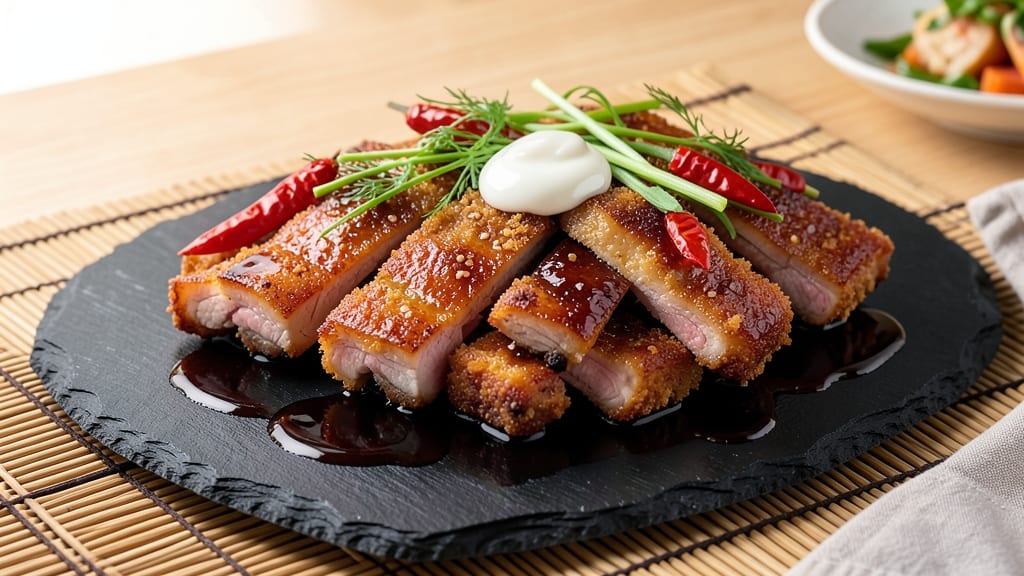
This Chinese fried pork ribs recipe delivers restaurant-quality crispy edges and a sticky glaze that'll make your taste buds sing. 🔥 I perfected this technique after years of studying Cantonese cooking methods, where the secret lies in a double-fry process that creates that signature crunch while keeping the meat juicy inside.
The five-spice powder isn't just decoration—it's the aromatic backbone that transforms simple pork ribs into something unforgettable.
What sets these ribs apart is the marinade, a balance of soy sauce, rice wine, and cornstarch that tenderizes while creating the perfect batter. I've streamlined the process for home cooks without sacrificing authenticity—no special equipment needed, just patience and proper technique.
The double-fry method ensures maximum crispiness while maintaining that melt-in-your-mouth texture that makes these ribs irresistible.
By the time you're done, you'll have ribs with golden-brown skin that shatters at every bite, a sticky-sweet glaze clinging to each piece, and that unmistakable five-spice aroma wafting through your kitchen.
The contrast of textures—crispy exterior, tender meat—is what makes this dish so satisfying. Serve with steamed jasmine rice and quick-pickled vegetables for the full experience.
This recipe works equally well for weeknight dinners or special occasions—just scale the quantity as needed. The leftovers reheat beautifully in the oven, though I can't promise they'll last that long in your house. Let's get cooking!
Ingredients for chinese fried pork ribs
Crispy ribs start with these aromatic ingredients—five-spice, garlic, and ginger work magic in the marinade.
| Ingredient | Amount | Notes |
|---|---|---|
| Pork Ribs 🍖 | 2 ½ lb | Baby back or spare ribs, cut into 2-inch pieces |
| Cornstarch 🌾 | ½ cup | For crispy batter coating |
| All-Purpose Flour 🌾 | ½ cup | Lightens the batter |
| Soy Sauce 🍶 | ⅓ cup | Kikkoman preferred for authentic flavor |
| Rice Wine 🍷 | ¼ cup | Dry sherry substitute if unavailable |
| Sesame Oil 🫒 | 1 tbsp | Toasted for aroma |
| Five-Spice Powder 🌶️ | 1 tbsp | Authentic Cantonese blend |
| Garlic Cloves 🧄 | 6 cloves | Minced for marinade |
| Fresh Ginger 🌿 | 1 tbsp | Grated, aromatic kick |
| Vegetable Oil 🫒 | 4 cups | High smoke point for frying |
| Honey 🍯 | ¼ cup | For sticky glaze |
| Rice Vinegar 🍶 | 1 tbsp | Balances sweetness |
| Salt 🧂 | 1 ½ tsp | Diamond Crystal preferred |
| Black Pepper 🌶️ | ½ tsp | Freshly ground |
The ribs are the star, so baby back or spare ribs work best—they're tender and hold up to the double-fry. Look for cuts with good marbling; Costco or Asian markets often have the freshest options. If using frozen ribs, thaw overnight in the fridge—never under running water, or they'll dry out. The five-spice powder is non-negotiable here—Penzeys or Asian grocery stores carry authentic blends that make all the difference. For the cornstarch, grab the Bob's Red Mill brand if you can—it's finer and gives a better crunch.
No rice wine? Dry sherry or mirin work in a pinch, though the flavor won't be identical. The sesame oil is for aroma, so use toasted sesame oil if you've got it—regular won't cut it. For the glaze, honey is key, but agave or maple syrup can substitute if you're avoiding refined sugar. If your ginger is old, microwave it for 30 seconds first to wake up the flavor. The garlic can be pre-minced, but freshly minced has way more punch. And trust me on the double-fry—skipping it means sad, soggy ribs.
These ribs reheat like a dream—350°F for 10-12 minutes in the oven, covered with foil. The glaze thickens as it cools, so add a splash of water if it gets too stiff. Store leftovers in an airtight container for 3 days in the fridge, or freeze for 3 months. I always make extra because they disappear faster than you can say 'double-fry.' For serving, keep the ribs warm in a 200°F oven while you prep the sides—jasmine rice and quick-pickled veggies, obviously.
Why You'll Love This Recipe
- No-Fuss Coating: I swear by the cornstarch trick—just toss those ribs in a mix of flour and cornstarch, no fancy ratios. The secret? The cornstarch makes them crispier than regular flour alone, and it’s one less step to overthink.
- Savory Umami Bomb: That soy sauce and rice wine marinade? It’s where the magic happens. The ribs soak up just enough to stay juicy inside while getting that glossy, caramelized crust—like a bite of your favorite takeout, but better.
- Leftover Goldmine: These ribs reheat like a dream—crispy again in minutes, no soggy edges. I make a double batch on Sundays and eat them for lunch all week, wrapped in lettuce or tossed in noodles.
- Budget Crowd-Pleaser: Pork ribs are cheaper than you’d think, and this recipe stretches them far. Feed four for dinner or pack leftovers for work—everyone’s happy, and your wallet stays intact. (Yes, even on a Tuesday night.)
Step-by-step instructions for Chinese fried pork ribs
Here's how to achieve that perfect balance of crispy batter and sticky glaze.
👨🍳 Step 1: Marinate the Ribs for Maximum Flavor
In a large bowl, combine the 2.5 lb pork ribs, 0.33 cup soy sauce, 0.25 cup rice wine, 1 tbsp sesame oil, 1 tbsp five-spice powder, 6 cloves minced garlic, 1 tbsp grated fresh ginger, 1.5 tsp salt, and 0.5 tsp black pepper. Mix gently but thoroughly to coat all surfaces of the ribs.
Cover the bowl and refrigerate for at least 4 hours (overnight is best). This marinade works magic—it tenderizes the meat while infusing it with aromatic flavors. I like to turn the ribs occasionally during marinating to ensure even coating. The longer they marinate, the deeper the flavor penetration, so don't rush this step.
🍳 Step 2: Create the Batter and Glaze
In a medium bowl, whisk together the 0.5 cup cornstarch and 0.5 cup all-purpose flour. This combination gives you that perfect crispy texture without being too heavy. In a separate small bowl, mix the 0.25 cup honey and 1 tbsp rice vinegar to create the sticky glaze.
Here's the thing—the cornstarch is crucial for that restaurant-quality crunch. The flour lightens the batter just enough to prevent it from being too dense. Keep these dry ingredients separate until you're ready to coat the ribs. The glaze mixture should be smooth and pourable—if it's too thick, add a teaspoon of warm water to loosen it.
🔥 Step 3: Heat Oil and Fry the Ribs
Pour the 4 cups vegetable oil into a deep fryer or heavy pot and heat to 350°F. Use a deep-fry thermometer to monitor the temperature—this is critical for even cooking. While the oil heats, remove the ribs from the marinade (let any excess drip off) and pat them very dry with paper towels.
Working in batches if needed, carefully lower the ribs into the hot oil. Fry for 4-5 minutes until they turn a beautiful golden brown color. You'll see bubbles forming around the edges—that's your signal they're cooking properly. Don't overcrowd the pot or the oil temperature will drop, leading to greasy ribs instead of crispy ones.
🥘 Step 4: Coat and Glaze for Extra Crunch
Remove the fried ribs from the oil and let them drain on a wire rack for 1 minute. Then, working quickly, dip each rib into the batter mixture, letting any excess drip off. Return them to the hot oil for 1-2 minutes until the batter turns a deep golden brown and crispy.
Immediately transfer the battered ribs to a plate lined with paper towels. Here's where the magic happens: brush each rib generously with the honey glaze mixture. The contrast of crispy batter with the sticky-sweet glaze is what makes these ribs irresistible. Work fast—the glaze sets quickly, so you want to serve them while it's still warm and glossy.
⏰ Step 5: Rest and Serve with Confidence
Let the ribs rest for 2-3 minutes before serving. This brief resting period allows the glaze to set slightly and the flavors to meld together. Serve immediately while the batter is still crispy and the glaze remains sticky—this isn't a dish that waits.
For the ultimate experience, serve these ribs with steamed jasmine rice and quick-pickled cucumbers. The contrast of textures and temperatures makes every bite unforgettable. The ribs should be perfectly crispy on the outside with tender, flavorful meat inside. If you're serving a crowd, keep them warm in a 200°F oven until ready to serve—just don't let them sit too long or that crispy batter will turn soggy.
Pro Tips For Making Chinese Fried Pork Ribs
- BLANCH THE RIBS FIRST: I learned this the hard way—skipping the quick 2-minute boil in salted water makes the meat tough and uneven. The ribs will cook faster in the wok later, and the crust sticks better. Use enough water to submerge them completely, or you’ll waste time stirring later.
- MIX FLOUR AND CORNSTARCH WET: Dry-mixing the flour and cornstarch is a rookie move. Toss the ribs in a bowl with 2 tablespoons rice wine first, then add the flour-cornstarch mix (3:1 ratio) while still wet. This guarantees an even, clingy coating that fries up crispy—not lumpy. (Yes, even if you’re impatient like me.)
- DON’T OVERCROWDLE THE WOK: I was skeptical until I tried it—frying ribs in batches at 350°F (175°C) gives them room to sizzle without steaming. A packed wok turns them greasy and soggy. Work in 2-3 pieces at a time, and resist the urge to flip too soon. Wait for the first side to turn golden before turning.
- USE COLD SOY SAUCE FOR MARINADE: Warm soy sauce loses its punch and makes the ribs taste flat. Chill the marinade (2 tbsp soy + 1 tbsp rice wine) in the fridge for 10 minutes before tossing the blanched ribs. The cold liquid penetrates deeper, and the flavor stays bright. (Your future self will thank you.)
Essential equipment for this recipe
Deep Fryer Essentials
You don't need a fancy deep fryer—my trusty All-Clad Stainless Steel Fry Pot handles 4 cups of oil perfectly for this recipe. Look for one with two handles and a temperature gauge—I've fried hundreds of batches in mine.
If you're on a budget, a heavy-duty enameled cast iron Dutch oven works too, just monitor the oil temperature closely with a Thermoworks Smoke thermometer. 🔥
For home cooks, I recommend vegetable oil (high smoke point of 400°F) over peanut or canola. Avoid olive oil—it burns at 350°F and creates bitter flavors. Keep your fryer on a burner with a heat diffuser to prevent hot spots.
My Viking Professional range has one built-in, but you can also use a cast iron skillet on medium heat with a diffuser disk underneath.
Batter Prep Tools
Your batter station needs three key tools: a medium mixing bowl (I use Le Creuset stoneware—it's nonstick and easy to clean), a whisk (my Macalla stainless steel is my go-to), and a fine-mesh strainer.
The strainer catches any lumps in your cornstarch and flour mixture, ensuring a smooth, even coating. For the glaze, a small silicone brush (like OXO Good Grips) gives you precise control when applying the honey mixture. 🍯
Pro tip: Keep your dry ingredients in airtight containers—moisture is the enemy of crispy batter. I store my cornstarch in a mason jar with a tight seal to preserve freshness.
When mixing, use a light hand—overworking the batter makes it dense instead of airy. A rubber spatula helps scrape every last bit from the bowl without tearing the batter.
Temperature Control
This is where most home cooks mess up—temperature is everything. Invest in a digital instant-read thermometer (I swear by Thermoworks Smoke) to monitor your oil at 350°F.
The Maillard reaction (what creates that golden-brown crust) happens between 325-375°F, but too high and your ribs burn before they crisp. Keep a small bowl of ice water nearby to test doneness—drop a tiny batter piece in; it should float when ready. ⚡
If your oil temperature drops below 325°F, your ribs will absorb oil like a sponge instead of getting crispy. To maintain heat, fry in small batches—never overcrowd the pot. I typically fry 6 ribs at a time in my All-Clad pot.
For extra insurance, use a wire cooling rack to drain ribs between frying sessions—this prevents soggy batter from steam.
Optional Upgrades
For serious home cooks, a deep fry thermometer with alarm (like Meater Plus) takes the guesswork out of temperature control. My Breville Smart Oven Air Fryer can handle small batches of ribs at 375°F with 1 cup oil, cutting cleanup dramatically.
If you're going all-out, a commercial-grade fryer (like Vulcan VFF-18) lets you fry 18 lbs at once—perfect for parties. For the glaze, a mini silicone brush (like Amazon Basics) makes quick work of coating batches. 💡
Don't overlook tongs—I use OXO Good Grips to handle hot ribs without piercing the crispy coating. A wire rack (not a plate) is non-negotiable for draining fried ribs—it prevents soggy bottoms.
For storage, glass airtight containers (like Pyrex) keep ribs crispy for 2-3 days in the fridge. Freeze extras on a tray before transferring to bags for 3 months of crispy perfection.
Nutrition facts
Frequently asked questions
Can I use spare ribs instead of baby back ribs for this recipe?
Spare ribs work beautifully—they're meatier and more flavorful, though they require slightly longer cooking. For best results, cut them into 2-inch pieces and marinate for 6-8 hours instead of 4 to ensure full tenderness. The double-fry method still applies, but you may need 5-6 minutes in the first fry to render fat properly.
Why does the recipe call for a double-fry?
The double-fry creates that signature restaurant crunch! First fry develops the meat, then the batter coating gets crispy in the second fry. Skipping it results in soggy batter. Keep oil at 350°F for both fries—any lower and the batter won't set properly. Pro tip: Use a wire rack between fries to prevent steam from making the coating limp.
Can I make this recipe without deep-frying?
You can try an oven-baked version, but texture will differ. For best results, bake at 425°F for 20-25 minutes after coating, using 1 cup oil brushed on ribs first. The batter won't be as crispy, but you'll still get tender meat with flavor. For air fryer, cook at 375°F for 12-15 minutes in batches—expect less crunch.
What's the best way to store leftover fried pork ribs?
Store in an airtight container with parchment paper between layers to maintain crispiness. Reheat at 350°F for 10-12 minutes wrapped in foil, then crisp again at 450°F for 3-4 minutes uncovered. For freezing, arrange on a tray first to prevent sticking, then transfer to bags for up to 3 months.
Can I substitute the five-spice powder?
While authentic, you can make a DIY blend: mix 1 tsp cinnamon, 1 tsp fennel seeds, 1 tsp star anise, ½ tsp cloves, and ½ tsp peppercorns, then grind finely. For convenience, use 1 tsp cinnamon + ½ tsp nutmeg, though flavor won't be identical. The five-spice adds depth that's hard to replicate!