
Main Courses
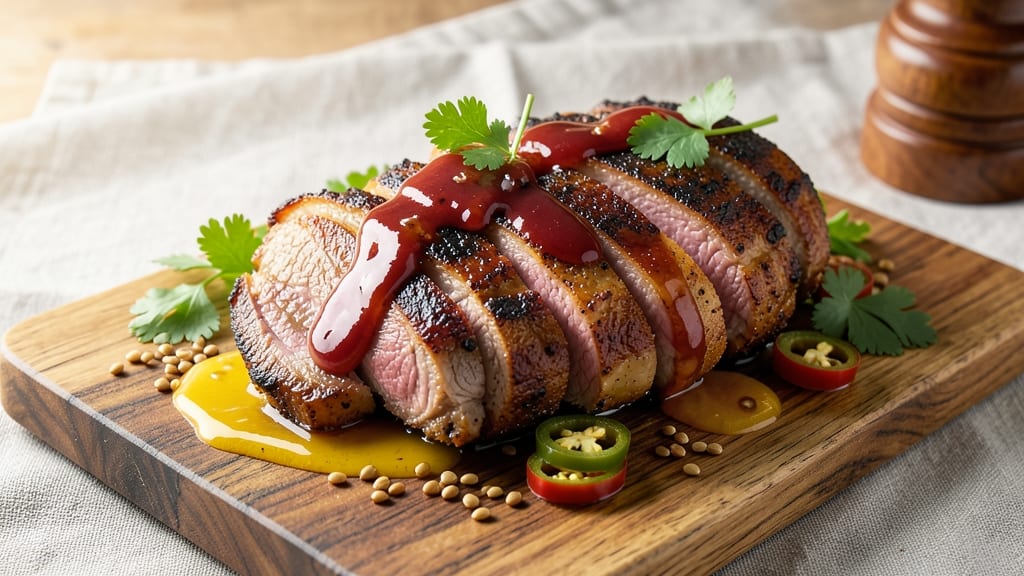
This Cuban pork steak recipe brings the bold flavors of Havana to your kitchen with tender, slow-braised pork shoulder that practically falls apart. The secret lies in a marinade of citrus, garlic, and spices that transforms tough cuts into melt-in-your-mouth perfection.
I first learned this technique from Cuban families in Charleston who swore by the magic of slow cooking pork with just a few key ingredients.
The dish features a signature celery crown—crisp, crunchy, and piled high—that adds both texture and visual drama to your plate. What makes this recipe special is the balance of sweet and savory: the pork absorbs the marinade's citrusy punch while developing deep, caramelized edges from the slow braising process.
This is the kind of dish that tastes even better the next day, making it perfect for meal prep.
By the time you serve this, you'll have a restaurant-quality meal that includes tender pork, crisp celery crowns, and a side of mojo sauce for dipping. The pork stays juicy and flavorful, while the celery adds a refreshing crunch that cuts through the richness.
This is comfort food at its finest—warm, satisfying, and full of the kind of flavors that make you want to slow down and savor every bite.
Serve it with black beans, rice, and a simple green salad to complete the classic Cuban spread. The mojo sauce, made from orange juice, garlic, and cumin, ties everything together with its bright, tangy profile.
This recipe delivers the full experience of Cuban cuisine without the fuss of an authentic restaurant.
Ingredients for cuban pork steak
Four pounds of pork, citrus punch, and crisp celery crowns—this is Cuban comfort at its best.
| Ingredient | Amount | Notes |
|---|---|---|
| Pork Shoulder 🥩 | 3 lb | Bone-in for best flavor |
| Fresh Orange Juice 🍊 | 1 cup | Freshly squeezed, no pulp |
| Garlic Cloves 🧄 | 8 cloves | Peeled and smashed |
| White Vinegar 💧 | ½ cup | Distilled preferred |
| Ground Cumin 🌿 | 2 tsp | Freshly toasted for depth |
| Ground Oregano 🍃 | 1 tbsp | Mexican preferred |
| Ground Black Pepper 🌶️ | 1 tsp | Freshly cracked |
| Salt 🧂 | 2 tsp | Kosher or sea salt |
| Olive Oil 🫒 | ¼ cup | For searing |
| Celery Stalks 🧅 | 1 whole | For crowns, cut into sticks |
| Yellow Onion 🧅 | 1 whole | For crowns, sliced |
| Red Bell Pepper 🍅 | 1 whole | For crowns, sliced |
| Bay Leaves 🌿 | 2 whole | For braising |
| Fresh Cilantro 🌿 | ¼ cup | Chopped, for garnish |
| Cuban Black Beans 🌱 | 1 ½ cups | Cooked or canned, drained |
The pork shoulder is non-negotiable here—bone-in for flavor, preferably from a Latin market or well-stocked grocery store like Publix. Look for a cut with good marbling—it'll stay juicy during the long braise. I always grab a 3-pound bone-in shoulder for this recipe, but if you find a bigger piece, adjust the marinade proportionally. Fresh orange juice makes all the difference—store-bought isn't the same. Toast your cumin seeds first if you're using whole seeds (trust me, it's worth the extra minute).
No fresh orange juice? Bottled works in a pinch, but add a splash of lime for brightness. Swap Mexican oregano for regular if needed—just double the amount. The celery crowns are where the magic happens: crisp, colorful, and piled high. Use heirloom carrots if you want extra color, but regular works fine. For the mojo sauce, ReaLime or Cut-Rite juicers make quick work of citrus. If you're short on time, pre-chopped frozen bell peppers are a lifesaver—just thaw and drain them first.
Pork keeps 3-4 days in the fridge once cooked—it actually tastes better reheated. The celery crowns? Eat them fresh—they lose their crunch overnight. I double the marinade and freeze it in ice cube trays for future pork dishes. The beans can be made ahead too—cook a big batch and freeze portions. This whole meal reheats beautifully—perfect for meal prep. Just warm everything gently and garnish with fresh cilantro right before serving.
Why You'll Love This Recipe
- One-Pot Magic: I swear by this dish for nights when I’d rather not wash a million pans. The pork shoulder simmers right in the same pot with the citrus and spices—no extra bowls, no fuss. Just dump, stir, and let it work its flavor while you chop veggies for the side.
- Bright & Tangy Kick: That fresh orange juice isn’t just for show—it cuts through the richness of the pork like a summer breeze. Add the vinegar at the end, and suddenly you’ve got this bright, almost sweet-savory balance that makes every bite feel like a little vacation.
- Leftovers That Shine: Between us, this recipe actually improves the next day. The flavors meld even deeper, and I’ve turned cold slices into sandwiches, tacos, or even a quick stir-fry. Honestly, I make it on Sundays just so I can have effortless lunches all week.
- Budget-Friendly Feast: Pork shoulder is my go-to for stretching meals without skimping on flavor. A single cut feeds four, and the spices cost pennies. Plus, the cumin and garlic make it taste like you spent hours when you really just seared and simmered. (Yes, even on a Tuesday night.)
Step-by-step instructions for Cuban pork steak
Here's how to transform tough pork shoulder into tender, spice-kissed perfection with crispy celery crowns.
Sear the Pork Shoulder for Maximum Flavor
Pat the 3 lb pork shoulder completely dry with paper towels—this is crucial for crispy skin. Heat a Dutch oven over medium-high heat and add the ¼ cup olive oil. Once shimmering hot, place the pork shoulder fat-side down and sear undisturbed for 8-10 minutes until the fat renders and the skin turns golden brown. Flip and sear the other side for another 5-6 minutes.
This initial sear locks in juices and builds deep flavor through the Maillard reaction. Don't rush this step—patience here ensures a rich, caramelized crust. Once browned, remove the pork and set it aside on a plate.
Build the Spiced Braising Liquid
In the same Dutch oven, reduce heat to medium and add the 8 smashed garlic cloves. Cook for 30 seconds until fragrant, then add the 1 whole yellow onion, 1 whole red bell pepper, and 1 whole celery stalk—all cut into ½-inch pieces. Sauté for 5 minutes until softened.
Stir in the 2 tsp ground cumin, 1 tbsp ground oregano, 1 tsp ground black pepper, and 2 tsp salt. Cook for another minute to toast the spices and release their aromas. Pour in the 1 cup fresh orange juice and ½ cup white vinegar, scraping up any browned bits from the bottom of the pot.
Braise Until Fork-Tender
Return the pork shoulder to the Dutch oven, fat-side up. Add the 2 whole bay leaves and enough water to come halfway up the meat—about 2 cups. Bring to a simmer, then cover tightly and transfer to a preheated 300°F oven.
Braise for 3 hours, then carefully flip the pork and add the 1.5 cups cooked Cuban black beans to the pot. Return to the oven and cook another 2-3 hours until the pork is fork-tender and easily pulls apart. The internal temperature should reach 195-205°F—this is when all the connective tissue breaks down into flavorful gelatin.
Prepare the Crispy Celery Crowns
While the pork braises, cut the celery, onion, and bell pepper into 1-inch chunks. Heat a skillet over medium-high heat with 1 tablespoon olive oil. Add the vegetables and cook for 8-10 minutes, stirring occasionally, until golden brown and slightly caramelized. Season with a pinch of salt and set aside.
These crispy crowns add texture contrast to each bite—don't skip this step. The vegetables should be tender but still hold their shape, with a nice caramelized exterior.
Rest and Serve with Fresh Garnish
Remove the pork from the braising liquid and let it rest for 15 minutes. Skim excess fat from the sauce if desired, then shred the pork using two forks. Return the shredded pork to the pot and stir in the crispy celery crowns and ¼ cup chopped fresh cilantro.
Serve immediately with the remaining braising liquid spooned over the top. Each bite should deliver tender, spice-infused pork with crispy vegetables and a tangy-sweet sauce. The black beans add heartiness while the celery crowns provide that satisfying crunch.
Pro Tips For Making Cuban Pork Steak
- Sear Before Braising: Hit that pork shoulder with a screaming-hot pan—no skimp here. A deep caramel crust locks in flavor and keeps the meat from drying out later, especially when you’re drowning it in citrus later on. I used to rush this, and the dish always tasted flat afterward.
- Strain That Juice: Fresh orange juice is non-negotiable, but don’t pour in the pulp—it’ll turn your sauce into a bitter sludge. Strain it through a fine-mesh sieve or cheesecloth, and you’ll end up with a bright, smooth marinade that actually shines. (Yes, even if you’re lazy like me, this makes a real difference.)
- Don’t Boil the Vinegar: When you’re deglazing that pan with white vinegar, keep the heat medium—high heat turns it into harsh, acrid fumes instead of a clean, tangy base for your sauce. I learned this the hard way after my kitchen smelled like a pickling factory for a week.
- Rest Under Foil: After braising, give the pork a solid 10 minutes under foil before slicing—this keeps it juicy and lets the garlic-cumin crust set properly. I know, I know, but trust the process: cutting into it too soon means dry, stringy meat, and nobody wants that.
Dietary considerations for this recipe
Gluten-Free Adaptations
This recipe is naturally gluten-free, but watch for hidden gluten in store-bought ingredients. Use certified gluten-free black beans (like Annie's or Trader Joe's) and check your spices for cross-contamination.
The marinade and braising liquid are safe as long as you avoid thickeners like flour—just skip any flour-based gravy additions. 🌱
Dairy-Free Considerations
No dairy is required in this recipe, but if you're avoiding it entirely, double-check your black beans for milk-based preservatives. The mojo sauce and celery crowns are naturally dairy-free, and the pork marinade contains no dairy ingredients.
For extra richness, add a splash of coconut milk to the braising liquid instead of water. ✨
Low-Carb Options
Swap the black beans for cauliflower rice or shirataki noodles to cut carbs while keeping the meal hearty. The celery crowns remain a great low-carb side, and you can serve the pork with a side salad instead of rice.
Just reduce the braising liquid by ½ cup if omitting beans to maintain balance. 🥗
Allergen-Friendly Swaps
For nut allergies, ensure your cumin and oregano are processed in nut-free facilities. Soy-sensitive cooks can use tamari instead of regular soy sauce in the mojo sauce. If you're avoiding citrus, substitute 1 cup pineapple juice for the orange juice in the marinade—it adds sweetness without the acidity. 💡
Vegetarian Adaptations
While pork is the star, you can create a similar texture with mushrooms or jackfruit in the braise. Use shiitake mushrooms sliced thickly to mimic pork's meaty bite, or young green jackfruit shredded and marinated in the same citrus-spice blend.
Serve with the same crispy celery crowns and mojo sauce for a satisfying vegetarian version. 🌿
Nutrition facts
Frequently asked questions
Can I use pork loin instead of pork shoulder for this recipe?
The recipe calls for pork shoulder because of its fat content and connective tissue, which break down beautifully during the long braise. Using pork loin would result in dry meat since it has less fat and fewer connective tissues. If you must use loin, marinate it for 24 hours and reduce braising time to 1.5 hours at 325°F—but expect less tender results.
How do I make the celery crowns extra crispy?
For maximum crunch, cook the celery crowns in batches to avoid steaming. Use a well-heated skillet with 1 tablespoon of oil per batch, and stir constantly for 8-10 minutes until golden brown. Add a pinch of salt and a splash of vinegar at the end to enhance crispiness. Serve immediately—they lose crunch as they cool.
What's the best way to reheat leftover Cuban pork steak?
Reheat gently in a skillet with a splash of water or broth over low heat for 5-7 minutes to preserve moisture. Avoid microwaving—it makes the pork rubbery. For the celery crowns, reheat separately in a dry skillet for 2-3 minutes to restore crispiness. The pork stays juicy and flavorful when reheated this way.
Can I substitute orange juice with another citrus?
Yes, but orange juice gives the dish its signature brightness. Try grapefruit juice (1:1 ratio) for a tart twist or lemon juice (reduce by 25% to avoid over-acidity). For a sweeter profile, use pineapple juice instead. Just remember that different citrus flavors will change the dish's balance.
Why does my pork turn out tough instead of tender?
Tough pork usually means the braising time was insufficient or the heat was too high. Ensure your oven stays at 300°F and braise until the pork reaches 195-205°F internally. Don't skip the 15-minute rest after cooking—it allows juices to redistribute. If using a smaller cut, reduce braising time by 30-45 minutes.