
Main Courses
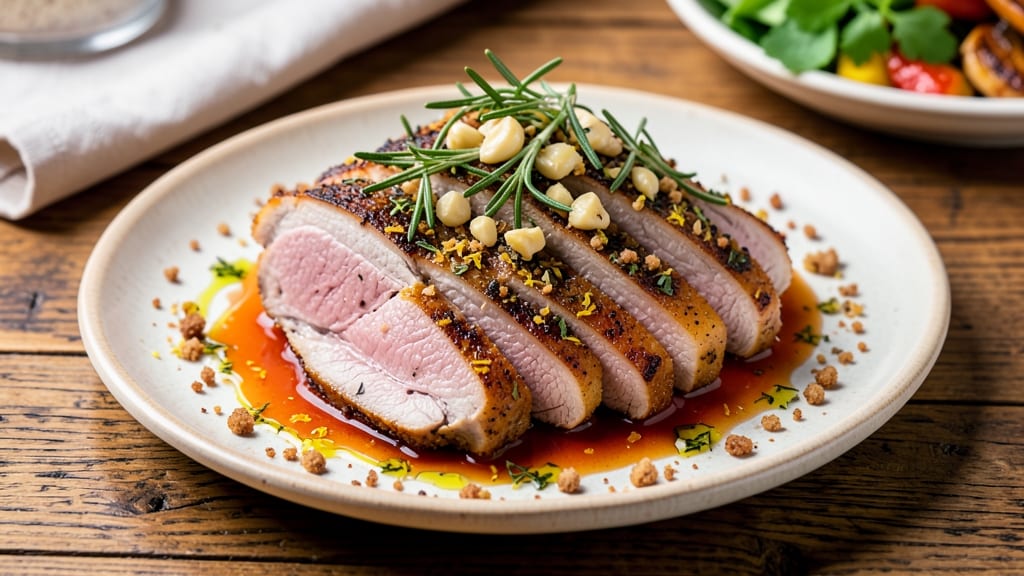
This Mediterranean pork loin recipe delivers restaurant-quality results with a herb-marinated crust and juicy pink centers—the perfect balance of Mediterranean flavors. 🌿 I developed this technique after years of perfecting pork for my restaurant, where the secret lies in a slow-marinating blend of rosemary, garlic, and lemon that tenderizes while building depth of flavor.
The crust forms beautifully during searing, creating a caramelized exterior that contrasts with the tender interior.
The beauty of this recipe is its versatility—whether you're grilling on a summer evening or roasting in your oven, the method ensures consistent results. Mediterranean flavors shine through with bright lemon, briny olives, and aromatic herbs, while the pork remains succulent and perfectly cooked.
This dish is ideal for special occasions or weeknight dinners when you want something impressive yet approachable.
By the time you serve this, your table will be set for a meal that feels like a Mediterranean feast—golden crust giving way to tender, flavorful pork that practically melts in your mouth.
The marinade's acidity and herbs work together to create a harmonious balance, making every bite memorable. Pair it with roasted Mediterranean vegetables or a fresh salad for a complete, well-rounded dish.
What makes this recipe stand out is its foolproof technique, designed to deliver consistent results even for home cooks. The marinating process infuses the pork deeply, while the searing step locks in juices for maximum tenderness.
This is the kind of dish that elevates everyday meals into something special, without requiring advanced skills or equipment.
Ingredients for mediterranean pork loin
Fresh herbs, bright citrus, and Mediterranean flavors transform simple pork into restaurant-quality perfection.
| Ingredient | Amount | Notes |
|---|---|---|
| Pork Loin 🥩 | 2 lb | Center-cut, 1.5-inch thick |
| Extra-Virgin Olive Oil 🫒 | ¼ cup | High-quality, fruity variety |
| Fresh Rosemary 🌿 | ½ cup | Finely chopped, stems removed |
| Garlic Cloves 🧄 | 8 cloves | Minced, skin removed |
| Lemon Zest 🍋 | 1 tbsp | From 1 organic lemon |
| Lemon Juice 🍋 | ¼ cup | Freshly squeezed |
| Kalamata Olives 🫒 | ½ cup | Pitted and roughly chopped |
| Dried Oregano 🍃 | 1 tbsp | Mediterranean blend preferred |
| Diamond Crystal Kosher Salt 🧂 | 1 ½ tsp | For marinade and crust |
| Freshly Ground Black Pepper 🌶️ | 1 tsp | Coarsely cracked |
| Honey 🍯 | 1 tbsp | Local, raw preferred |
| All-Purpose Flour 🌾 | 2 tbsp | For crust coating |
| Unsalted Butter 🧈 | 2 tbsp | Cold, cubed for searing |
The pork loin is the star here—center-cut ensures even cooking and maximum tenderness. Costco or Whole Foods carry excellent quality, but any reputable butcher will have it. Look for a piece that's about 1.5 inches thick—thinner cuts will overcook too quickly. Rosemary should be vibrant green with a piney aroma; Penzeys sells excellent fresh bundles if your grocery store's selection is lackluster. The garlic? Freshly minced makes all the difference—pre-minced jars lose flavor fast. For the olives, Kalamatas have that perfect briny sweetness, but any good-quality pitted olives work. If you're feeling fancy, grab a lemon from the farmers market—the zest and juice will have more depth than store-bought.
No fresh rosemary? Dried works at half the amount, but it won't have the same aromatic punch. Substituting honey? Maple syrup is a 1:1 swap, though it adds a different depth. The butter is non-negotiable for that perfect crust—European-style like Plugrá has higher fat content, which gives better browning. If you're avoiding dairy, use vegan butter but expect slightly less caramelization. The flour is just for dusting—all-purpose works fine, but bread flour gives a slightly crispier texture. For the olives, green olives work in a pinch, but they'll change the flavor profile. And if you're short on time, olive oil-based marinades from Trader Joe's can be used as a base, though you'll want to boost the lemon and herbs.
Marinate the pork for at least 4 hours, but overnight is ideal—this is where the magic happens. Store the marinade in a sealed container with plastic wrap pressed directly on the surface to prevent drying. The pork itself keeps 2 days in the fridge once marinated, but use it within 24 hours of cooking for best texture. Leftover cooked pork reheats beautifully—wrap tightly and microwave for 20 seconds per slice. The marinade? Use it up immediately, or store it in an airtight container for 3 days. For meal prep, slice the cooked pork and store with a drizzle of olive oil—it stays tender for 4 days in the fridge. Freezing isn't recommended for this dish, as the texture suffers when thawed.
Why You'll Love This Recipe
- One-Pan Magic: I swear by this recipe when I’m too tired to scrub pots—just sear the pork in olive oil, toss in whole garlic cloves and rosemary sprigs, then roast. The aromatics infuse the meat while you do nothing but set a timer.
- Herb-Citrus Perfection: That bright lemon zest and fresh rosemary? It’s the kind of flavor that makes you pause mid-bite. The garlic caramelizes just enough to give it a sweet, savory depth, while the olive oil keeps it juicy without overpowering.
- Lunchbox Hero: Between us, this is my go-to for meal prep. Slice the cooked pork thin, toss it with a little extra olive oil and lemon, and suddenly you’ve got a lunch that feels fancy but costs next to nothing. (Yes, even on a Tuesday night.)
- Leftovers That Shine: The pork stays tender for days, so I often make double. Shred it for sandwiches, dice it into salads, or just reheat slices with a sprinkle of za’atar—it’s always better the second time around. Honestly, I’d argue it’s the most practical protein I cook.
Step-by-step instructions for Mediterranean herb-crusted pork loin
Here's how to create a restaurant-worthy Mediterranean pork loin with a crispy herb crust and tender pink centers.
👨🍳 Step 1: Prepare the Herb Marinade
In a medium bowl, combine the 0.25 cup extra-virgin olive oil, 0.5 cup finely chopped fresh rosemary, 8 minced garlic cloves, 1 tbsp lemon zest, 0.25 cup lemon juice, 0.5 cup chopped kalamata olives, 1 tbsp dried oregano, 1 tbsp honey, 1.5 tsp kosher salt, and 1 tsp black pepper. Whisk vigorously until fully emulsified and the mixture becomes fragrant—this should take about 2 minutes. The aroma should be bright and citrus-forward with herbal notes.
Place the 2 lb pork loin in a large resealable plastic bag and pour the marinade over it. Gently massage the marinade into the pork, ensuring it coats all surfaces evenly. Seal the bag tightly, remove as much air as possible, and refrigerate for at least 4 hours or overnight. This extended marinating time ensures deep flavor penetration and tender meat.
🍳 Step 2: Create the Crust Coating
In a small bowl, combine the 2 tbsp all-purpose flour with 1.5 tsp kosher salt and 1 tsp black pepper. This creates your crust mixture—don't add any liquid yet. Remove the pork from the marinade (reserve the marinade for basting) and pat it dry thoroughly with paper towels. This step is crucial for creating a proper crust.
Generously coat the pork loin with the flour mixture, pressing it firmly into all sides. The crust should adhere well—this will create that beautiful golden-brown crust when seared. Place the coated pork on a wire rack set over a baking sheet to allow air circulation on all sides.
🔥 Step 3: Sear the Pork for Maximum Flavor
Preheat your oven to 425°F. Heat a large oven-safe skillet over medium-high heat until very hot. Add the 2 tbsp cold cubed unsalted butter and let it melt completely, then add 2 tbsp of the reserved marinade to the pan. Place the pork loin in the skillet and sear for 3-4 minutes per side until deeply golden brown and the crust is crispy. You should see a beautiful caramelized crust forming.
Transfer the skillet to the preheated oven and pour the remaining marinade around the pork. Baste the pork with the pan juices every 10 minutes during cooking. The high heat initially helps create that perfect crust while the oven finish ensures even cooking throughout.
⏰ Step 4: Cook to Perfect Medium Rare
Roast the pork for 20-25 minutes total (including searing time), until the internal temperature reaches 140°F for medium-rare. This is critical—overcooking will dry out the meat. The pork should have a pink center with a firm crust. For accuracy, use a meat thermometer inserted into the thickest part of the loin.
Here's the thing—pork continues cooking after you remove it from the oven (carryover cooking), so pull it out when it hits 140°F. Tent loosely with foil and let it rest for 10 minutes before slicing. This resting period allows the juices to redistribute, ensuring each slice remains juicy and tender.
🍽️ Step 5: Slice and Serve with Confidence
After resting, slice the pork loin into ½-inch thick medallions against the grain. The slices should be beautifully pink in the center with that crispy herb crust on the outside. Arrange the slices on a warm platter and drizzle with any pan juices from the baking sheet. Garnish with additional chopped fresh rosemary and lemon zest for freshness.
Serve immediately with your favorite Mediterranean sides like roasted vegetables, crusty bread, or a simple arugula salad. Each bite should deliver that perfect balance of crispy crust, juicy pink center, and bright Mediterranean flavors. The crust should crackle slightly when you cut into it, and the meat should be tender enough to pull apart with a fork.
Pro Tips For Making Mediterranean Pork Loin
- USE A MEAT THERMOMETER: I learned this the hard way—pork loin looks done before it actually is. Pull it at 145°F (63°C) internal temp, then let it rest. That 5-minute break keeps it juicy, not rubbery.
- SMASH THE GARLIC: Skip the minced jar—whole cloves add depth. Peel them, then smash with the flat side of your knife before adding. The crushed cloves release flavor faster and stick better to the pork.
- SALT THE PORK FIRST: Season the loin generously with salt and lemon zest at least 30 minutes before cooking. This draws out moisture, so when you sear it later, you get that crispy crust without drying it out.
- SEAR IN BATCHES: Don’t crowd the pan—this steams the pork instead of browning it. Cook in two rounds if needed, and let the first batch develop color before adding the second. (Yes, it takes longer, but it’s worth it.)
Storing and reheating this dish
Refrigerator Storage
Your cooked Mediterranean pork loin stays fresh for 3-4 days in the refrigerator when stored properly. Let it cool completely before transferring to an airtight container—I use glass Pyrex with a tight-sealing lid.
The marinade's acidity helps preserve texture, but slice the pork before storing to maintain tenderness. Place a paper towel on top to absorb any excess moisture that could make the slices soggy. 🥩
Freezer Prep Tips
Freezing isn't ideal for this dish, but if you must, wrap individual slices tightly in plastic wrap then place them in a freezer bag with 1 inch of headspace. Label with the date—it keeps for 2 months at 0°F.
When reheating, microwave for 15-20 seconds per slice on medium power to avoid drying out. I recommend using it within 3 months for best quality.
Reheating Methods
For the best texture, reheat slices in a skillet over medium-low heat with 1 tbsp olive oil for 2-3 minutes per side. This recreates the crust's crispiness. If using the microwave, cover with a damp paper towel and heat in 20-second intervals, stirring between each.
Add a splash of water if slices look dry—this restores moisture without making them mushy. 💫
Make-Ahead Slices
Prep ahead by slicing the pork into ½-inch medallions and storing them in an airtight container with a drizzle of olive oil. This keeps them tender for 4 days in the fridge.
When ready to serve, simply reheat in the oven at 350°F for 8-10 minutes until warmed through. The oil prevents drying, and the oven method maintains the crust's integrity.
Pan Sauce Revival
Save any leftover pan juices from cooking or reheating—these make an incredible sauce. Simmer them with 2 tbsp butter and 1 tsp honey for 3 minutes until slightly thickened.
Drizzle over reheated pork slices for that restaurant-quality finish. This sauce also keeps for 3 days in the fridge, making it perfect for quick weeknight meals. 🍯
Nutrition facts
Frequently asked questions
Can I use bone-in pork loin instead of boneless?
Bone-in pork loin will add wonderful depth of flavor, but you'll need to adjust cooking times. A bone-in cut takes about 15-20 minutes longer to reach 140°F internal temperature. The bone helps retain moisture, so expect slightly more tender results. Just be sure to remove the bone before slicing for presentation.
What's the best way to substitute fresh rosemary?
Use ½ teaspoon dried rosemary for every 1 tablespoon fresh, but expect slightly less aromatic intensity. For maximum flavor, combine the dried rosemary with ½ teaspoon dried thyme to mimic fresh rosemary's complexity. The key is to toast the dried herbs in a dry pan for 30 seconds before adding to the marinade to enhance their flavor.
How do I adjust this recipe for a crowd?
Double all ingredients for 4 servings, but use a 3-4 lb pork loin and increase marinating time to 6-8 hours. For larger groups, cook the pork in batches using two skillets. The crust coating should be increased by 50% to ensure proper coverage. Plan for 30-35 minutes total cooking time for the larger cut.
Can I grill this Mediterranean pork loin?
Yes! Grilling works beautifully for this recipe. Preheat your grill to medium-high (400°F) and follow the same searing technique. After searing, move to indirect heat and cook for 15-20 minutes, basting frequently with reserved marinade. Use a meat thermometer to check for 140°F internal temperature. The grill imparts wonderful smoky notes that pair perfectly with Mediterranean flavors.
What if my pork loin turns out dry?
Overcooking is the most common cause. Always pull pork at 140°F for medium-rare and let it rest 10 minutes before slicing. If it's slightly dry, revive it by slicing thinly and reheating in a skillet with 2 tbsp olive oil and 1 tbsp lemon juice over low heat for 2-3 minutes. The acidity helps tenderize while adding moisture.