
Main Courses
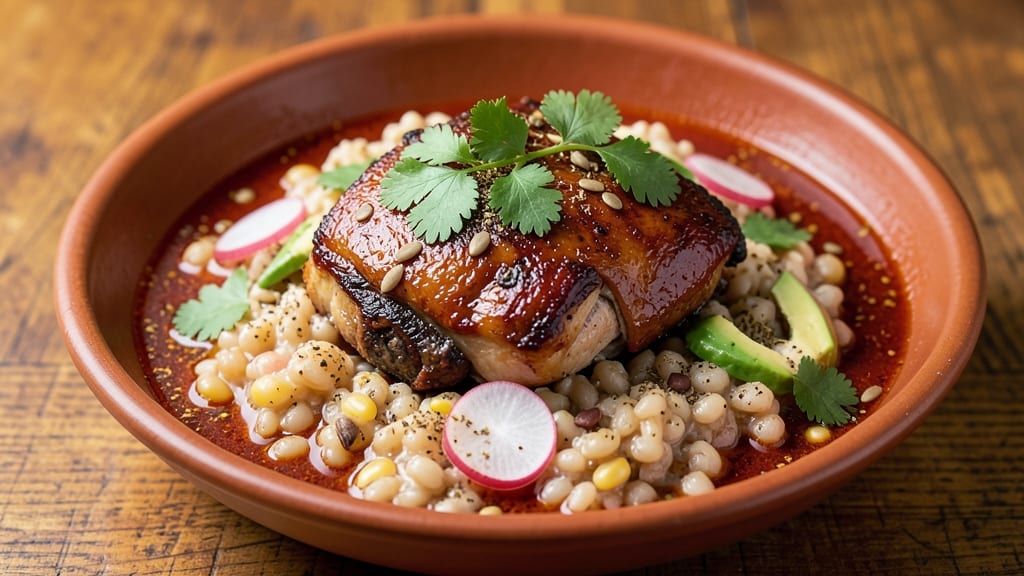
This Mexican pork posole recipe brings smoky chipotle and earthy cumin together in a homestyle stew that's become my go-to for feeding crowds. 🔥 Growing up in Georgia, I learned that pork shoulder transforms into tender, flavorful chunks when slow-cooked with hominy and aromatic spices—just like my abuela used to make.
The secret lies in balancing the heat of chipotle with warm cumin and oregano, creating a broth that's rich without being heavy.
The beauty of posole is its simplicity: a few key ingredients—pork, hominy, broth, and spices—simmered together until the meat falls apart. I've perfected this version to deliver restaurant-quality results at home, with a crispy pork skin that adds texture and a broth packed with smoky depth.
The recipe scales effortlessly, making it ideal for gatherings or meal prep.
What you'll end up with is a steaming bowl of tender pork and creamy hominy swimming in a fragrant, slightly spicy broth. The final presentation matters too—topped with fresh radishes, shredded cabbage, lime wedges, and cilantro—it becomes a vibrant, interactive meal where everyone can customize their bowl.
This is comfort food at its finest, with layers of flavor that keep coming back to you.
Whether you're serving it at a family dinner or meal prepping for the week, this posole delivers satisfying, hearty bites every time. The recipe builds on traditional techniques while adapting to modern kitchens—no fancy equipment required, just patience and attention to the spices. Let's get cooking!
Ingredients for mexican pork posole
Six core ingredients and a few pantry staples—this posole comes together like a family recipe should.
| Ingredient | Amount | Notes |
|---|---|---|
| Pork Shoulder 🐖 | 3 lb | Bone-in for flavor, skin-on for crispy texture |
| White Hominy 🌽 | 2 cans | 15 oz can each, drained and rinsed |
| Chicken Broth 💧 | 6 cups | Low-sodium preferred, homemade if possible |
| Chipotle Peppers in Adobo 🌶️ | 2 tbsp | Paste from can, adjust for heat preference |
| Ground Cumin 🌿 | 2 tbsp | Freshly toasted for deeper aroma |
| Dried Oregano 🍃 | 1 tbsp | Mexican oregano if available |
| Garlic Cloves 🧄 | 6 cloves | Peeled and smashed for even cooking |
| Yellow Onion 🧅 | 1 whole | Medium size, diced into small pieces |
| Tomato Paste 🍅 | 2 tbsp | Squeeze tube or canned, no water added |
| Bay Leaves 🌿 | 2 whole | Removed before serving |
| Salt 🧂 | 1 ½ tsp | Kosher salt, adjust to taste |
| Black Pepper 🌶️ | ½ tsp | Freshly ground preferred |
| Fresh Lime 🍋 | 2 whole | Juiced for serving, wedges for garnish |
| Fresh Cilantro 🌿 | ½ cup | Chopped, for garnish |
| Red Cabbage 🥬 | 2 cups | Shredded, for serving |
| Radishes 🥕 | 1 cup | Thinly sliced, for garnish |
The pork shoulder is non-negotiable—bone-in and skin-on for that legendary crispy texture and deep flavor. Costco or your local butcher shop will have the best cuts, but any grocery store sells pre-cut pork shoulder. Look for good marbling—it's what keeps the meat juicy during the long cook. The hominy? Goya or Bush's are the brands I always reach for, but any canned hominy works. Drain and rinse it well to cut down on the canned taste. Chipotle peppers in adobo are the secret weapon here—Penzeys or Mexican markets carry the best, but any canned adobo sauce will do. Just taste it first: if it's too smoky, cut back on the amount.
No chipotle peppers? Substitute smoked paprika plus a dash of cayenne—it won't be identical, but it'll get you close. Running low on cumin? Ground coriander at half the amount works in a pinch. The tomato paste can be skipped if you're watching acidity, but it adds that sweet depth that balances the heat. For the broth, low-sodium is key—you'll be adding plenty of salt later. Fresh garlic and onion are musts here, but if you're in a rush, powdered garlic and onion work at half the amount. The bay leaves might seem minor, but they're what gives the broth that subtle herbal complexity—don't skip them.
This posole tastes even better the next day, so make a double batch if you're feeding a crowd. Store leftovers in the fridge for up to 5 days or freeze for 3 months. The broth thickens as it cools, so add a splash of water when reheating. For serving, keep the toppings separate—radishes, cabbage, lime, and cilantro—so everyone can build their bowl just how they like it. The pork skin gets extra crispy after chilling, so if you're prepping ahead, let it sit out for 10 minutes before serving.
Why You'll Love This Recipe
- One-Pot Magic: I swear by this recipe—just toss the pork shoulder, hominy, and broth in one pot, let it slow-simmer, and walk away. The cumin and chipotle do all the heavy lifting while you handle the rest of your day.
- Smoky Depth Bomb: That chipotle in adobo? It’s the secret weapon here. A single spoonful turns the broth into a rich, smoky hug, and the pork shoulder melts into shreds that practically fall apart at the touch. Honestly, it’s the kind of flavor that makes you want to eat it straight from the pot.
- Weeknight Workhorse: Between us, this is my go-to when I’ve got friends over or need to feed a crowd. Double the recipe, and you’ve got a pot that’ll keep giving—lunch tomorrow, dinner for someone who forgot to eat, or a midnight snack. (Yes, even on a Tuesday night.)
- Budget-Friendly Feast: Pork shoulder is cheap, hominy lasts forever, and a single can of chipotles stretches across multiple batches. I’ve made this for under $10 per serving, and it still tastes like I spent hours in the kitchen. Not the prettiest, but the taste makes up for it every time.
Step-by-step instructions for smoky chipotle pork posole
Here's how to build this hearty, smoky stew from scratch—layer by layer.
🔥 Step 1: Sear the Pork Shoulder for Deep Flavor
Pat the 3 lb pork shoulder completely dry with paper towels—this helps create crispy edges later. Heat a large Dutch oven over medium-high heat and add just enough oil to coat the bottom lightly. Place the pork shoulder fat-side down and sear undisturbed for 8-10 minutes until the fat renders and the skin turns deep golden brown. Flip and sear the other side for another 5-6 minutes.
While searing, I like to press down gently on the pork with a spatula during the first minute—this prevents it from curling and ensures even contact with the pan. The goal is to develop a rich, caramelized crust that will infuse the broth with smoky depth. Once browned, remove the pork and set it aside on a plate.
🍳 Step 2: Build the Aromatic Base
In the same Dutch oven (don't wipe out those browned bits—they're flavor gold), reduce the heat to medium. Add the diced yellow onion and cook for 5 minutes until softened and translucent. Add the 6 smashed garlic cloves and cook for 30 seconds until fragrant—don't let them burn, or they'll turn bitter.
Stir in the 2 tbsp chipotle peppers in adobo, 2 tbsp ground cumin, 1 tbsp dried oregano, 2 tbsp tomato paste, 1.5 tsp salt, and 0.5 tsp black pepper. Cook for 1-2 minutes until the tomato paste darkens slightly and the spices release their aromas. This is where the magic happens—the spices toast and meld together, creating the posole's signature smoky warmth.
🥘 Step 3: Simmer the Pork and Broth
Pour in the 6 cups chicken broth and add the 2 whole bay leaves. Return the pork shoulder to the pot, fat-side up, and bring everything to a gentle boil. Once boiling, reduce the heat to low, cover, and simmer for 2 hours. You want the liquid to bubble slowly—this ensures the pork cooks tender without falling apart.
About halfway through cooking, I check the liquid level and add ½ cup water if needed to keep the pork submerged. The pork is done when it's fork-tender and pulls apart easily. Remove the pork and set it aside to rest for 10 minutes before shredding—this makes it much easier to handle.
👨🍳 Step 4: Prepare the Hominy and Finish the Stew
Drain and rinse the 2 cans white hominy under cold water to remove excess starch. Add them to the Dutch oven along with the shredded pork. Return the pot to low heat and simmer for 15-20 minutes until the hominy is heated through and the flavors meld together. Taste and adjust the seasoning with more salt if needed—posole should be rich but not overly salty.
Here's the thing—this is where the posole comes together. The hominy absorbs the smoky broth while staying firm, and the pork infuses the liquid with its deep, savory essence. Keep the heat at a simmer; you don't want to boil the hominy or it'll turn mushy.
🍽️ Step 5: Serve with Fresh Toppings
Ladle the posole into bowls and garnish with shredded red cabbage, thinly sliced radishes, chopped fresh cilantro, and wedges of fresh lime. The cabbage adds a crisp, peppery contrast to the rich stew, while the radishes bring a refreshing bite. Serve with warm tortillas or crusty bread for scooping up every last drop of that smoky, cumin-kissed broth.
Don't forget the lime! A squeeze of fresh juice brightens the flavors and cuts through the richness. Each bite should deliver tender pork, hearty hominy, and layers of smoky, spicy warmth. Leftovers taste even better the next day as the flavors deepen—just reheat gently on the stove with a splash of broth.
Pro Tips For Making Mexican Pork Posole
- Braise the Pork Long: Skip the rush—this isn’t a race. Cook the pork shoulder at 275°F (135°C) for 3+ hours until it falls apart with a fork. I learned the hard way: shorter times mean tough meat, no matter how much broth you add later.
- Toast the Cumin Dry: Heat the cumin in a dry skillet for 30 seconds until it smells nutty—this deepens the flavor. I used to just add it raw, and the dish always tasted flat. (Yes, even if you’re impatient like me.)
- Strain the Hominy: Drain and rinse the canned hominy, then strain it in a colander for 5 minutes to remove excess starch. This keeps the posole from turning gluey. My grandmother swore by this, and she was right: the texture is noticeably cleaner.
- Blend the Adobo Paste: Whisk the chipotle peppers in adobo with 2 tablespoons of broth before adding to the pot. This ensures the smoky flavor disperses evenly instead of settling in clumps. (Your future self will thank you.)
Make-ahead tips for mexican pork posole
Prep Ahead Like a Pro
Start by prepping your pork shoulder the night before—this is a game-changer. Pat it dry, season generously with 1 tsp salt and ½ tsp black pepper, then refrigerate uncovered for 12-24 hours.
This dry-brining step creates a crispy, flavorful crust without extra effort. I swear by this trick, especially when feeding a crowd. 💪
For the hominy, drain and rinse the cans thoroughly, then store them in an airtight container in the fridge for up to 3 days. The rinsing removes excess starch that can make the posole gummy when reheated.
Keep the chipotle peppers, cumin, and oregano in small jars in your pantry—they’ll stay fresh for months and make assembly a breeze.
Slow Cooker Shortcut
If you're short on time, use a 6-quart slow cooker for hands-off cooking. After searing the pork, transfer everything to the slow cooker and cook on LOW for 8 hours or HIGH for 5 hours.
The slow cooker maintains consistent heat, so you won’t have to monitor it like you would on the stovetop. Just shred the pork directly in the pot when it’s tender—no extra steps needed.
Pro tip: Add the hominy during the last 30 minutes of cooking. This keeps it from turning mushy while still letting it soak up all the smoky flavors. The slow cooker method is perfect for meal prep—just double the recipe and freeze half for another night.
Freezer-Friendly Strategy
Posole freezes beautifully, so make a big batch and store it in quart-sized freezer bags for easy portions. Let it cool completely, then freeze flat to save space.
When ready to eat, thaw overnight in the fridge and reheat on the stovetop with ½ cup broth or water to restore moisture. The flavors actually deepen after freezing, making it taste even more comforting.
For individual servings, portion the posole into single-serving containers before freezing. This way, you can grab one and heat it up without thawing the whole batch.
I like to freeze the toppings—radishes, cabbage, and lime juice—separately so they stay crisp. Just add them fresh when serving for that restaurant-quality crunch. ❄️
Make-Ahead Toppings
Prep your toppings the day before to streamline serving. Shred the red cabbage and radishes and store them in a sealed container with a paper towel to absorb moisture. Chop the cilantro and store it in a small jar with a splash of water to keep it fresh.
Lime wedges can be pre-cut and stored in the fridge for up to 3 days—just squeeze them fresh at serving time.
If you're hosting a big gathering, set up a toppings station with small bowls for each component. Label them clearly so guests can build their bowls exactly how they like. Trust me, this saves time and keeps everyone happy—no one has to wait while you assemble their plate.
The key is keeping the toppings separate until serving to maintain their texture and freshness. 🍽️
Nutrition facts
Frequently asked questions
Can I use chicken instead of pork in this posole?
While traditional posole is made with pork, you can absolutely use chicken! For best results, substitute 3 lb bone-in chicken thighs (they stay juicier than breasts) and reduce the simmering time to 45-50 minutes after adding the hominy. Keep the spices and chipotle amounts the same—chicken absorbs flavors differently, so you may want to add an extra ½ tsp salt at the end.
How do I make this posole less spicy?
Start by reducing the chipotle peppers to 1 tbsp instead of 2. For extra mildness, remove the seeds and membranes from the chipotle peppers before blending them with the adobo sauce. You can also add a pinch of sugar or honey to balance the heat. If it's still too spicy, serve with extra lime juice or avocado slices—they help cool the palate naturally.
What's the difference between white and red posole?
This recipe makes white posole, which uses white hominy and typically includes pork. Red posole uses dried red chiles (like guajillo or ancho) and red hominy, giving it a deeper red color and more complex chile flavor. For red posole, you'd blend the dried chiles into the broth instead of using chipotle peppers. The cooking method remains similar, but red posole often includes tomatoes for brightness.
Can I make this in an Instant Pot?
Yes! Sear the pork first, then transfer everything to your Instant Pot and cook on high pressure for 45 minutes, followed by a 10-minute natural release. Add the hominy during the last 5 minutes of cooking. The pressure cooker cuts time dramatically while keeping all the rich flavors intact. Just be sure to add enough liquid—you'll need about 4 cups broth to prevent burning.
Why did my hominy turn mushy?
Hominy turns mushy when it boils too vigorously or cooks too long. Always add it during the last 15-20 minutes of cooking and keep the heat at a gentle simmer. If you're using a slow cooker, add it in the final 30 minutes. For extra insurance, rinse the hominy thoroughly before adding it to remove excess starch that can break down during cooking.