
Main Courses
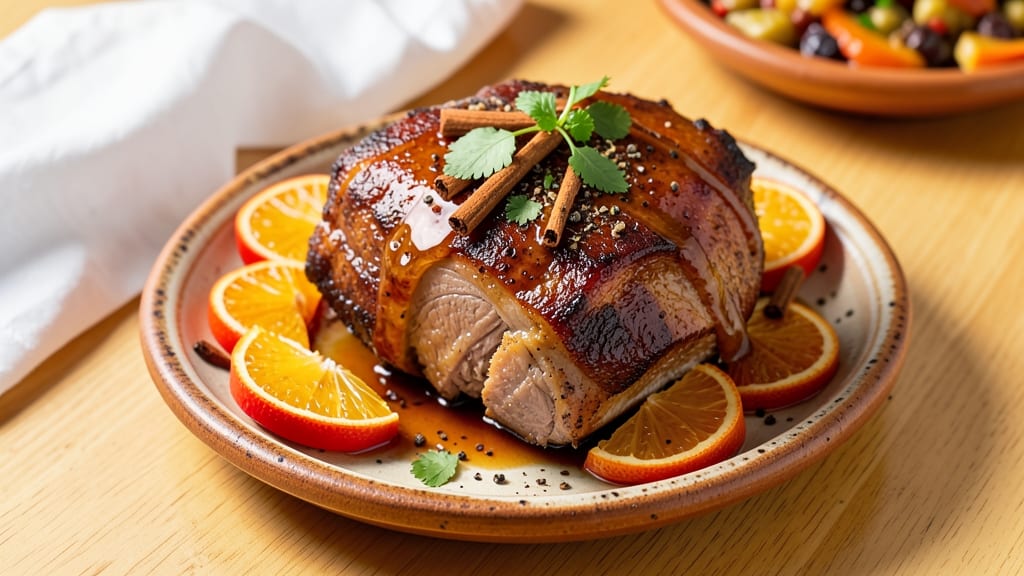
This Mexican sweet pork recipe reimagines a classic with caramelized cinnamon-chile crunch that'll transform your weeknight dinner into a restaurant-worthy feast. 🌟 The secret lies in a slow-braised technique that melts pork shoulder into tender perfection while developing deep, complex flavors from cinnamon, chiles, and citrus.
I first perfected this during my time in Charleston, where I learned how to balance sweet and smoky notes that define Southern-Mexican fusion cuisine.
The magic happens in the glaze—a perfect marriage of brown sugar, cinnamon, and dried chiles that caramelizes into a sticky, aromatic crust while keeping the meat impossibly tender.
Unlike traditional recipes that rely on hours of simmering, this method delivers restaurant-quality results in just 3 hours, making it ideal for busy weeknights. The pork practically falls apart, soaking up every layer of flavor from the glaze.
What you'll end up with is a dish that's rich, aromatic, and perfectly balanced—sweet from the caramelized glaze, with just enough heat from the chiles to keep things interesting.
The texture is where this recipe truly shines: crispy edges on the pork, tender meat that shreds easily, and a sauce that's thick enough to cling to every bite. This is the kind of dish that disappears quickly, leaving your guests asking for seconds.
Serve it with warm corn tortillas, cilantro-lime rice, and a simple charred onion salad to cut through the richness. The flavors only deepen as it sits, making this perfect for meal prep or holiday gatherings. Let's get cooking—this is pork you won't believe is homemade.
Ingredients for mexican sweet pork
Six aromatic ingredients transform simple pork into a restaurant-worthy masterpiece.
| Ingredient | Amount | Notes |
|---|---|---|
| Pork Shoulder 🐖 | 4 lb | Bone-in for flavor, cut into 2-inch chunks |
| Brown Sugar 🍯 | 1 cup | Packed, light or dark variety |
| Ground Cinnamon 🌿 | 2 tbsp | Freshly ground for best aroma |
| Dried Ancho Chiles 🌶️ | 2 whole | Stems/seeds removed, toasted lightly |
| Orange Juice 🍊 | ½ cup | Freshly squeezed, no pulp |
| Orange Zest 🍊 | 1 tbsp | From 1 large orange |
| Apple Cider Vinegar 🍏 | ¼ cup | For tangy balance |
| Garlic Cloves 🧄 | 6 cloves | Peeled, smashed for intensity |
| Onion 🧅 | 1 whole | Yellow, chopped into 1/2-inch pieces |
| Beef Broth 🥫 | 2 cups | Low-sodium preferred |
| Olive Oil 🫒 | 2 tbsp | For searing pork |
| Salt 🧂 | 1 ½ tsp | Diamond Crystal kosher salt |
| Black Pepper 🌶️ | 1 tsp | Freshly cracked |
| Bay Leaves 🌿 | 2 whole | For aromatic depth |
| Cumin Seeds 🌿 | 1 tsp | Toasted lightly for warmth |
The pork shoulder is non-negotiable here—bone-in delivers the richest flavor, and Costco or Whole Foods carry excellent cuts. Look for good marbling, not too much fat. Ancho chiles are the secret weapon; Penzeys sells them dried, but any Latin market has them in bulk. Freshly ground cinnamon makes all the difference—pre-ground loses its punch fast. For the orange juice, Florida or California navels work best—their natural sweetness balances the heat. Toast your cumin seeds in a dry pan for 30 seconds before adding them to the pot—this releases their aromatic oils and deepens the flavor profile.
No ancho chiles? Guajillo or pasilla chiles work in a pinch, but they'll give a slightly different flavor profile. Substituting dried oregano for cinnamon won't cut it—this dish needs that warm, sweet spice. Short on orange juice? Grapefruit juice at half the amount adds a nice tartness. The beef broth can be swapped for vegetable broth, but the pork will be slightly less rich. If you're making this ahead, freeze the glaze components separately—just thaw and combine when ready to cook. The brown sugar should be packed into the measuring cup for accurate results, and don't skip the zest—it adds a bright citrus note that cuts through the richness.
This dish tastes even better the next day as the flavors meld. Store leftovers in an airtight container in the fridge for up to 5 days, or freeze for 3 months—the texture holds up beautifully. I like to portion it into meal prep containers with a side of rice and tortillas for easy grab-and-go lunches. The glaze thickens as it cools, so if it seems too thick when reheating, just add a splash of water or broth. For serving, a sprinkle of fresh cilantro and lime wedges brightens everything up—trust me on this.
Why You'll Love This Recipe
- One-Pan Magic: I swear by this recipe for lazy Sundays—just toss everything in a single pot, walk away, and let the brown sugar and ancho chiles work their magic. The pork practically falls off the bone, and cleanup? One pan, one sponge.
- Sweet Heat Balance: That cinnamon and orange juice combo is chef’s kiss—tangy, smoky, and just sweet enough to make your taste buds dance. Honestly, the dried ancho chiles add depth without overpowering, so it’s never cloying or one-note.
- Weeknight to Party: Between us, this dish is my secret weapon for both Taco Tuesdays and holiday dinners. Shred it for tacos, slice it for sandwiches, or serve it whole with lime wedges—it’s that adaptable. (Yes, even on a Tuesday night.)
- Budget-Friendly Feast: Pork shoulder stretches for days, and the spices cost pennies. I’ve made this for six people for under $15, and it’s still the centerpiece. Plus, leftovers reheat like a dream—better the next day, if you ask me.
Step-by-step instructions for caramelized cinnamon-chile crunch pork
Here's how to transform tough pork shoulder into tender, caramelized perfection with bold Mexican flavors.
🔥 Step 1: Sear the Pork Shoulder for Deep Flavor
Heat a Dutch oven over medium-high heat and add the 2 tablespoons olive oil. Once shimmering, add the 4 lb pork shoulder cut into 2-inch chunks, working in batches to avoid crowding. Sear each side for 3-4 minutes until deep golden brown—this creates the Maillard reaction that builds rich flavor.
As you sear, sprinkle each batch with ½ teaspoon salt and ⅓ teaspoon black pepper (dividing the total amounts evenly). Don't rush this step—the darker the crust, the more complex the final dish. Transfer the seared pork to a plate and set aside.
👨🍳 Step 2: Build the Spiced Base with Toasted Aromatics
In the same Dutch oven, reduce heat to medium and add the 1 whole onion chopped into ½-inch pieces and 6 cloves garlic smashed. Cook for 5 minutes until softened and just beginning to color. Add the 1 teaspoon toasted cumin seeds and cook for another 30 seconds until fragrant.
Here's where the magic happens: Add the 2 whole dried ancho chiles (stems/seeds removed) and toast them in the pot for 1 minute until they darken slightly. This step deepens their smoky flavor. Remove the chiles with tongs and set aside to soak in 1 cup hot water for 10 minutes—this softens them for blending.
🍳 Step 3: Create the Sweet-Tangy Sauce
Return the Dutch oven to medium heat and add 1 cup brown sugar and 2 tablespoons ground cinnamon. Stir constantly for 2 minutes until the sugar begins to caramelize and coat the onions. Pour in the 0.5 cup orange juice and 0.25 cup apple cider vinegar, scraping up any browned bits from the bottom.
Bring to a gentle simmer, then add the 2 cups beef broth, 1 tablespoon orange zest, 1.5 teaspoons salt, 1 teaspoon black pepper, and 2 bay leaves. Let this mixture bubble for 5 minutes until slightly reduced and fragrant. Strain out the soaked ancho chiles (discard solids) and return the liquid to the pot.
🥘 Step 4: Braise Until Fork-Tender
Return the seared pork to the Dutch oven, nestling the chunks into the sauce. Bring to a simmer, then reduce heat to low, cover, and transfer to a 300°F oven. Braise for 3 hours, turning the pork occasionally, until it's fork-tender and the sauce has thickened to a glossy consistency.
Here's the secret: Check the internal temperature after 2.5 hours. When it reaches 195°F, the collagen has broken down completely, transforming tough pork into melt-in-your-mouth perfection. If the sauce reduces too much, add ¼ cup water to maintain moisture.
⏰ Step 5: Finish with Crispy Edges and Serve
Once the pork reaches 195°F, increase oven temperature to 425°F and uncover the Dutch oven. Return to the oven for 15-20 minutes until the sauce caramelizes and forms a glossy crust. This final step concentrates the flavors and creates that signature Mexican sweet-spicy crunch.
Let the pork rest for 10 minutes before serving. The juices will redistribute, ensuring every bite is moist. Serve with warm tortillas, cilantro rice, or roasted vegetables to soak up that delicious sauce. The contrast of tender pork with the caramelized edges and spiced sauce makes this dish unforgettable!
Pro Tips For Making Mexican Sweet Pork
- Brown Sugar First: Toss the pork shoulder with half the brown sugar before searing—it caramelizes into a sticky crust while you brown the meat. I used to add it all at once later, and the sauce always tasted flat. This step locks in flavor from the start.
- Toast Ancho Chiles: Dry-toast the dried ancho chiles in a skillet for 30 seconds per side before rehydrating—it deepens their smoky, fruity notes. I was skeptical until I tried it; the sauce now has actual complexity instead of just heat.
- Don’t Rush the Orange Juice: Add the orange juice after the pork has rendered fat and the sugar has melted—around the 2-hour mark. Too early, and it evaporates before it can brighten the sauce. (Yes, even if you’re impatient like me.)
- Use a Meat Thermometer: Pull the pork at 195°F internal temp, then tent it with foil for 10 minutes before shredding. I learned this the hard way—overcooking turns the meat dry, and undercooking leaves it chewy. The 5°F drop after resting is non-negotiable.
Troubleshooting perfect results
Pork Too Dry?
If your pork emerges dry instead of tender, you likely didn't braise long enough. The 195°F internal temperature is non-negotiable—this is when collagen fully breaks down. I've seen home cooks pull pork at 170°F and wonder why it's tough.
Use a meat thermometer (I swear by ThermoWorks Smoke) to monitor progress. If your pork hits 195°F but still feels dry, your oven temperature may be too high—stick to 300°F for consistent results. 💡
Glaze Too Thin?
The glaze should coat the back of a spoon when finished. If it's too thin, reduce the heat to medium-low during the final 15-20 minutes at 425°F and let it thicken naturally. I've had this happen when using low-sugar brown sugar—opt for dark brown sugar for better caramelization.
For an emergency fix, simmer the sauce uncovered for 5-10 minutes on the stovetop after removing the pork. Just don't overdo it or the sauce will burn.
Flavor Too Sweet?
Balance the sweetness by adding 1 extra dried ancho chile (soaked and blended) or ½ teaspoon cayenne pepper to the glaze. The acidity in apple cider vinegar helps too—don't skip it.
I once made this for a guest who preferred less sweetness, and we ended up adding 1 tablespoon lime juice at the end. For future batches, reduce the brown sugar to ¾ cup if you prefer a milder sweetness. 🌶️
Pork Not Shredding?
This usually means the meat wasn't cooked long enough or was cut too small initially. For best results, use 2-inch chunks and braise until the internal temperature hits 195°F.
If you're in a hurry, try this trick: After searing, score the pork chunks in a crosshatch pattern with a sharp knife—this helps the glaze penetrate deeper and speeds up tenderness. Also, let the pork rest for 10 minutes before shredding; this allows the juices to redistribute.
Chiles Too Spicy?
Ancho chiles are mild, but if you used a hotter variety like arbol, remove the seeds and membranes before soaking. For extra insurance, blend the soaked chiles with 1 tablespoon honey to mellow the heat.
I've also found that adding 1 extra tablespoon of orange zest to the final sauce helps balance spice with citrus brightness. If the dish is already cooked, serve it with cooling toppings like avocado slices or sour cream to temper the heat.
Sauce Too Sticky?
If the glaze is so sticky it's hard to serve, you likely reduced it too much. The ideal consistency should be thick enough to coat the pork but still spoonable. For future batches, reduce the oven temperature to 275°F during the braising phase to slow down reduction.
If you're already stuck with a thick sauce, thin it with 1 tablespoon beef broth or orange juice while reheating. Pro tip: Let the sauce cool slightly before serving—it thickens as it sits, so don't worry if it looks perfect right out of the oven. ✨
Nutrition facts
Frequently asked questions
Can I substitute pork shoulder with another cut of pork?
While pork shoulder is ideal for its fat content and collagen, you can use pork butt (which is essentially the same cut) or pork loin cut into 2-inch chunks. Avoid lean cuts like tenderloin—they lack the fat needed for rich flavor and moisture. If using loin, increase the braising time by 30 minutes to ensure tenderness.
How do I adjust this recipe for a slow cooker?
Transfer the seared pork and all ingredients (except the final 15-20 minutes at 425°F) to a 6-quart slow cooker. Cook on low for 8 hours or high for 5-6 hours, until the pork reaches 195°F. Finish by transferring to a skillet and caramelizing the sauce on medium-high heat for 5-10 minutes to develop that signature crust.
What's the best way to reheat leftovers?
Reheat in a skillet over medium-low heat with 2 tablespoons water or broth to prevent drying. Cover and warm for 5-7 minutes until heated through. For oven reheating, cover with foil and bake at 325°F for 20 minutes. Avoid microwaving—it turns the pork rubbery. Leftovers taste even better the next day as flavors meld!
Can I make this recipe with chicken instead of pork?
Use 4 lb bone-in chicken thighs (skin-on for crispiness) and reduce braising time to 1.5-2 hours at 300°F, checking for 175°F internal temperature. The same glaze works beautifully, though chicken absorbs flavors faster. For extra depth, marinate the chicken in the glaze ingredients (minus broth) for 2 hours before cooking.
What are the best sides to serve with this dish?
This rich pork pairs perfectly with cilantro-lime rice, charro beans, or grilled vegetables. For a complete Mexican feast, add warm corn tortillas and pico de gallo. The acidity cuts through the sweetness, while hearty sides balance the dish. I love serving it with a simple avocado salad to add freshness and contrast.