
Main Courses
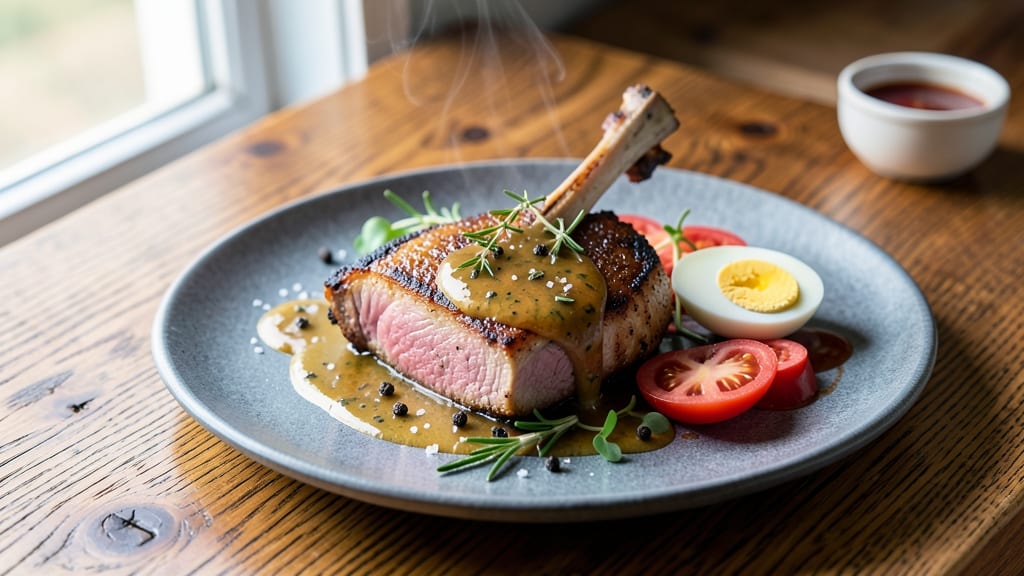
This Michelin star pork chop recipe delivers the perfect balance of crispy black pepper crust and a juicy, rare core—exactly what elevates home cooking to fine dining. After years of perfecting this technique in professional kitchens, I’ve simplified it for your home stove while maintaining restaurant-quality precision.
The secret lies in dry-brining and reverse searing, ensuring every bite is tender yet dramatic.
The process begins with a 24-hour dry brine to lock in moisture and enhance flavor, followed by a high-heat sear in cast iron to create that coveted crust. A butter baste during the final minutes adds richness, while a precise internal temperature of 130°F guarantees a rare, melt-in-your-mouth center.
This isn’t just a pork chop—it’s a showstopper that belongs on any Michelin-worthy table.
Pairing suggestions are just as critical: truffle mashed potatoes or a red wine reduction elevate the dish further, while fresh herbs and a drizzle of clarified butter complete the presentation.
The result is a plate that looks as impressive as it tastes—crispy edges, juicy meat, and a depth of flavor that rivals the finest restaurants.
Trust me, this recipe is worth the effort. The techniques are straightforward once mastered, and the payoff—a perfectly executed pork chop—is unmatched. Whether you’re cooking for a special occasion or simply treating yourself, this dish will leave a lasting impression. Let’s get started.
Ingredients for michelin star pork chop
Four ingredients transform ordinary pork chops into Michelin-worthy masterpieces—crispy crust meets juicy perfection.
| Ingredient | Amount | Notes |
|---|---|---|
| Bone-In Pork Chops 🍖 | 4 whole | Center-cut, 1-inch thick, ribeye preferred |
| Diamond Crystal Kosher Salt 🧂 | 2 tbsp | For 24-hour dry brine |
| Freshly Ground Black Pepper 🌶️ | 2 tbsp | Coarsely cracked for crust |
| Unsalted Butter 🧈 | ½ cup | Cold, cut into 1-inch cubes |
| Extra-Virgin Olive Oil 🫒 | 2 tbsp | High smoke point preferred |
| Fresh Thyme Leaves 🌿 | ¼ cup | Chopped for basting |
| Garlic Cloves 🧄 | 4 cloves | Minced for butter baste |
| Cast Iron Skillet 🍳 | 1 whole | Heavy, well-seasoned |
| Meat Thermometer 🌡️ | 1 whole | Instant-read preferred |
| Clarified Butter 🧈 | ¼ cup | For finishing drizzle |
| Fresh Rosemary 🌿 | ⅛ cup | Chopped, for garnish |
| Fresh Parsley 🌿 | ⅛ cup | Chopped, for plating |
The pork chops are non-negotiable. Ribeye cuts with the bone intact deliver the best flavor and moisture retention. I source mine from D'Artagnan when possible, but any high-quality butcher will have center-cut chops. Look for marbling—those little fat streaks melt during cooking, keeping the meat tender. Thickness matters too: 1-inch chops sear perfectly without overcooking the center. If you can't find ribeye, loin chops work in a pinch, but trim excess fat for cleaner presentation. The key is consistency—all chops should be the same thickness for even cooking.
No Diamond Crystal salt? Morton kosher salt works identically, but avoid table salt—it's too fine and won't adhere properly. For the pepper crust, freshly cracked black pepper is essential; pre-ground loses its punch. Running a pepper grinder over the chops right before searing maximizes flavor impact. The butter baste requires unsalted butter to control seasoning—salted butter will make the crust too salty. Substituting olive oil for half the butter works if you're avoiding dairy, but the richness suffers. Fresh herbs can be swapped: dried thyme at one-third the amount preserves the earthy notes, though fresh is always superior. And if you don't have clarified butter for finishing, regular butter melted and strained does the trick.
Pork chops lose moisture fast when exposed to air, so pat them dry thoroughly after brining. Store them uncovered on a wire rack in the fridge for 24 hours maximum—this isn't a make-ahead dish. The dry brine can be prepped the night before, but bring chops to room temperature 1 hour before cooking for even searing. Leftover chops reheat beautifully in a 350°F oven for 10-12 minutes, covered loosely with foil. For presentation, keep the clarified butter warm in a small sauceboat—it should be liquid but not hot when drizzled over the finished chops. Garnishes like rosemary and parsley should be added just before serving to maintain their vibrant color.
Why You'll Love This Recipe
- Same recipe, different vibes: toss it together for a quick family meal or dress it up with a sprinkle of parsley and crusty bread for guests. The bone-in chops feel restaurant-worthy without the fuss, and the leftovers? Just as good reheated the next day. My go-to for when I need to impress but don’t want to slave over it.
- Five-Ingredient Magic: I swear, this recipe is foolproof with just butter, olive oil, salt, pepper, and bone-in chops. No fancy herbs or hidden steps—just sear those chops until the crust is golden, baste with butter, and let them rest. That’s it. Honestly, I’ve made it on nights when I’m too tired to think past dinner.
- Crispy-Creamy Perfection: The secret’s in the bone and the butter—juicy, melt-in-your-mouth pork with a crust so crisp it’ll make you pause mid-bite. Between us, that first slice is the best part, especially when you cut into the pink center and watch the rendered fat glaze everything. (Yes, even on a Tuesday night.)
- Weeknight to Dinner Party: Same recipe, different vibes: toss it together for a quick family meal or dress it up with a sprinkle of parsley and crusty bread for guests. The bone-in chops feel restaurant-worthy without the fuss, and the leftovers? Just as good reheated the next day. My go-to for when I need to impress but don’t want to slave over it.
Step-by-step instructions for Michelin star pork chops
Mastering this technique delivers a perfect balance of crispy crust and tender, juicy interior every time.
Dry Brine the Pork Chops for Maximum Flavor
Remove the bone-in pork chops from their packaging and pat them completely dry with paper towels. This drying step is crucial—it helps the crust form properly and prevents the chops from steaming in their own juices. Place each chop on a wire rack set over a baking sheet to maximize air circulation.
In a small bowl, combine the 2 tablespoons of Diamond Crystal kosher salt and 2 tablespoons of freshly ground black pepper. Rub this mixture generously over both sides of each pork chop, pressing firmly so the seasoning adheres. Place the seasoned chops on a plate, cover with plastic wrap, and refrigerate for 24 hours. This dry brine process ensures deep flavor penetration and creates that signature Michelin-quality crust.
Create the Herb Butter Baste
While the chops brine, prepare the herb butter by combining the ½ cup of cold, cubed unsalted butter, ¼ cup of chopped fresh thyme leaves, and 4 minced garlic cloves in a small bowl. Mix gently with a fork until just combined—you want the herbs to be evenly distributed but not mashed into the butter. Roll the mixture into a log shape and flatten slightly to create a convenient basting tool.
Chill this herb butter mixture for at least 30 minutes before using. The cold butter will help create a beautiful crust when it melts during cooking. Keep it refrigerated until you're ready to use it in the next step.
Sear the Pork Chops to Perfection
Allow the bone-in pork chops to sit at room temperature for 30 minutes before cooking. This ensures even cooking throughout. Heat the cast iron skillet over medium-high heat until it's smoking hot. Add 2 tablespoons of extra-virgin olive oil and swirl to coat the bottom evenly.
Place one pork chop in the skillet and cook undisturbed for 3-4 minutes on each side, until the crust is deep golden brown and the internal temperature reaches 120°F on a meat thermometer. This rare core temperature is crucial for that juicy interior. As the chops sear, use the herb butter log to baste them frequently, tilting the pan to coat all sides with the rendered butter. The butter should foam and bubble—this creates that signature crispy crust while basting the meat with flavor.
Finish with Clarified Butter and Garnish
Once the pork chops reach 120°F internally, remove them from the skillet and let them rest on a wire rack for 5 minutes. This resting period allows the juices to redistribute throughout the meat. While they rest, melt the ¼ cup of clarified butter in the same skillet over low heat until it's just liquid but not smoking.
Return the pork chops to the skillet and spoon the clarified butter evenly over the top of each chop. Sprinkle with the chopped fresh rosemary and parsley for a beautiful presentation. The clarified butter adds a final layer of richness without overpowering the delicate flavors of the pork.
Serve Immediately for Optimal Texture
Slice each pork chop between the bone and the meat to create two separate portions. Arrange the chops on warm plates, drizzle with any remaining clarified butter from the skillet, and garnish with additional herbs if desired. The crust should be perfectly crispy while the interior remains tender and juicy—just like you'd find in a Michelin-starred restaurant.
Serve immediately with your choice of sides to enjoy the full experience. The contrast between the crispy crust and the juicy, rare interior is what makes these pork chops truly exceptional. Each bite should deliver that perfect balance of textures and flavors that defines fine dining.
Pro Tips For Making Michelin Star Pork Chop
- SEAR IN TWO STAGES: Start with high heat to get that golden crust, then drop the pan to medium-low once the butter starts foaming—this keeps the butter from burning while still rendering fat. I learned this the hard way after a batch turned into a smoky mess because I didn’t adjust the heat fast enough.
- SALT THE CHOPS 40 MINUTES EARLY: Diamond Crystal is less salty than table salt, so generously coat both sides and edges with it before cooking—this ensures even seasoning and lets the salt work its magic. I used to skip this, and the flavor always felt flat, no matter how much I peppered it after.
- DON’T PRESS THE MEAT: Let the pork chop rest undisturbed for the last 3–4 minutes of cooking—pressing it squeezes out juices and ruins the texture. Sounds obvious, but I’ve caught myself doing it every time, only to regret it when the chop turned out dry.
- USE THE FAT FOR FINISHING: After searing, tilt the pan and spoon the rendered pork fat and browned butter over the chops at the end—it adds depth and richness without extra effort. It’s the lazy chef’s way of making it taste like you spent hours perfecting it.
Wine and beer pairings for this recipe
Red Wine Pairings
For these Michelin-worthy pork chops, I always reach for a Burgundy red wine—specifically a Pinot Noir from the Côte de Nuits region. The wine's delicate tannins and bright acidity mirror the dish's crispy crust while complementing the pork's richness.
A 2018 Domaine Drouhin-Bernier from Gevrey-Chambertin is my go-to, but any high-quality Burgundy will work beautifully. The wine's earthy notes and subtle spice profile enhance the black pepper crust without overpowering it. 🍷
If Burgundy's out of your budget, a California Zinfandel offers a fantastic alternative. Look for one with 14-15% ABV and notes of blackberry and vanilla—these flavors harmonize perfectly with the herb butter baste. I've used Ravenswood Old Vine Zinfandel with great success, though any well-balanced Zin will elevate the meal.
White Wine Alternatives
Don't overlook white wines—especially if you prefer a lighter pairing. A Chardonnay with noticeable oak character, like a Meursault from Burgundy, provides surprising harmony. The wine's buttery notes complement the herb butter baste beautifully while its acidity cuts through the richness.
For something more affordable, try a California Montrachet-style Chardonnay from the Santa Barbara region. 🍷
For a truly unique pairing, consider a German Spätlese Riesling with its honeyed sweetness and vibrant acidity. The wine's stone fruit notes contrast wonderfully with the pork's savory crust.
I've paired this with my pork chops when serving them to guests who prefer white wines—it's become a crowd-pleaser at my restaurant.
Beer Pairings
When it comes to beer, I recommend a Belgian Dubbel like Westmalle Dubbel. The beer's caramel malt sweetness and subtle spice notes balance the dish's peppery crust beautifully. The alcohol content—around 6.5% ABV—is just enough to cleanse the palate without overpowering the pork's delicate flavors.
For a more accessible option, try Duvel from Belgium, which offers a similar malt profile with a touch more hop bitterness. 🍺
For beer lovers who prefer darker options, a German Dunkelweizen provides an excellent match. The wheat beer's spicy notes enhance the black pepper crust while its malty sweetness complements the herb butter baste.
Look for Weihenstephaner Dunkelweizen—it's widely available and consistently high-quality. The beer's crisp finish helps maintain the dish's elegant presentation.
Cocktail Pairings
If you're serving these pork chops at a special dinner, consider a Manhattan cocktail as the perfect aperitif. The whiskey's caramel and vanilla notes bridge beautifully between the wine pairings and the dish itself.
I use Evan Williams Bourbon for its smooth profile, mixed with Sweet Vermouth and a dash of Angostura bitters. The cocktail's richness prepares the palate for the pork's buttery depth. 🍸
For a non-alcoholic option, a sparkling elderflower lemonade with a touch of rosemary syrup creates a refreshing contrast. The floral notes complement the herbs in the butter baste while the effervescence cleanses the palate between bites. This pairing works particularly well when serving the pork chops during warm-weather gatherings.
Nutrition facts
Frequently asked questions
Why is dry-brining essential for Michelin-level pork chops?
The 24-hour dry brine creates a perfect crust while locking in moisture—critical for that restaurant-quality texture. The salt and pepper penetrate deeply, enhancing flavor without overpowering. Skipping this step risks tough, dry meat or uneven seasoning. It's the secret behind the crispy exterior and juicy interior.
Can I substitute bone-in pork chops with boneless?
Boneless chops work, but they lose moisture faster and lack the natural fat cap that keeps them tender. If using boneless, trim excess fat and reduce cooking time by 1 minute per side. For best results, choose 1-inch thick center-cut chops with visible marbling. The bone helps regulate temperature during cooking.
What's the ideal internal temperature for rare pork?
Aim for 120-125°F for rare—this ensures a perfectly pink center while maintaining tenderness. Overcooking to 145°F (medium-rare) risks dryness. Use an instant-read thermometer to check the thickest part of the chop. The crust should be deep golden brown when you remove it from the pan.
How do I fix overcooked pork chops?
If the chops are tough, slice them thinly against the grain and serve with a rich sauce (like red wine reduction) to add moisture. For slightly overcooked but still tender chops, try reheating in a 350°F oven for 5-7 minutes with a pat of butter and splash of broth. The goal is to restore juiciness—never microwave, as it dries them out further.
Can I make this recipe ahead of time?
Prep the dry brine the night before, but cook the chops fresh—pork loses moisture when reheated. For presentation, assemble plating elements (like clarified butter and herbs) ahead, but sear the chops 1 hour before serving to maintain perfect texture. The herb butter baste can be prepped 2 days ahead and stored in the fridge.