
Main Courses
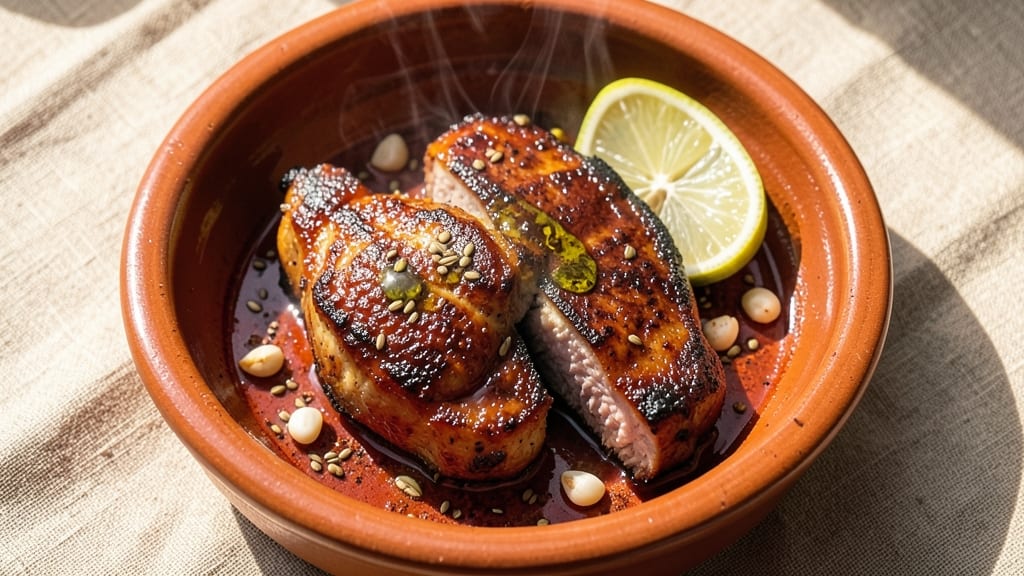
This Middle Eastern pork chop recipe transforms simple cuts into crispy, harissa-kissed bites that taste like a Moroccan street stall.
After years of perfecting pork techniques in Charleston’s heat, I’ve adapted this dish to deliver restaurant-quality results at home—where the harissa marinade creates a spicy, aromatic crust that seals in juices while building a caramelized exterior. The key? A balance of heat and tenderness that makes every bite unforgettable.
What sets this recipe apart is the slow-marinated harissa, which tenderizes the pork while infusing it with smoky paprika, cumin, and garlic—traditional flavors that elevate even the most basic pork chops.
Unlike quick sears that dry out the meat, this method ensures crispy edges and a juicy interior, with a finish that’s both bold and approachable. No special equipment is needed, just patience and a cast iron skillet (or grill) to lock in those flavors.
The result is a dish that’s restaurant-quality but kitchen-friendly—golden-brown chops with a crackling crust, served with garlic rice or flatbread to soak up the remaining harissa glaze. The spice level is adjustable, but the technique remains foolproof: marinate overnight, sear until crispy, and rest before serving.
This is the kind of recipe that turns weeknight dinners into something special without requiring hours in the kitchen.
Pair with a simple cucumber-tomato salad or warm pita to complete the meal. The harissa marinade doubles as a dipping sauce, so you’ll have leftovers to enjoy the next day—if there are any. Let’s get cooking.
Ingredients for middle eastern pork chop
Harissa, garlic, and smoky spices transform simple pork chops into restaurant-worthy bites with crispy edges and juicy centers.
| Ingredient | Amount | Notes |
|---|---|---|
| Bone-In Pork Chops 🥩 | 1 ½ lb | Center-cut, 1-inch thick preferred |
| Harissa Paste 🌶️ | ¼ cup | High-quality, smoky variety |
| Extra-Virgin Olive Oil 🫒 | ½ cup | Light fruity variety for balance |
| Garlic Cloves 🧄 | 8 cloves | Freshly minced, vibrant color |
| Ground Cumin 🌿 | 1 tbsp | Toasted for deeper aroma |
| Smoked Paprika 🌶️ | 1 tbsp | For authentic Moroccan flavor |
| Ground Coriander 🌿 | 1 tsp | Freshly ground preferred |
| Diamond Crystal Kosher Salt 🧂 | 1 ½ tsp | Fine grain for even seasoning |
| Fresh Lemon Juice 🍋 | 2 tbsp | Bright, freshly squeezed |
| Honey 🍯 | 1 tbsp | Light variety for balance |
| All-Purpose Flour 🌾 | ½ cup | For dredging, fine texture |
| Unsalted Butter 🧈 | 2 tbsp | Cold, for searing |
The bone-in pork chops are non-negotiable for this recipe—the bone adds flavor and helps maintain moisture during the long marinate. Look for center-cut chops at your local butcher or specialty market like Harris Teeter or Whole Foods, where they can ensure the thickness is consistent. If using frozen, thaw overnight in the fridge to prevent uneven cooking. The harissa paste should be vibrant red and slightly oily—avoid watery versions that lack depth. Penzeys Spices carries excellent options if you can't find it at your grocery store.
No harissa? Mix 1 tbsp smoked paprika, 1 tsp cayenne, 1 tsp cumin, and 1 tsp coriander for a close substitute. Fresh garlic is ideal, but jarred minced garlic works in a pinch (reduce to 6 cloves). The honey balances heat—substitute with maple syrup if needed. For the flour dredge, Panko adds extra crunch, but all-purpose works fine. The unsalted butter must be cold when searing to create that signature crackling crust. If you're short on time, olive oil can replace half the butter, but the flavor won't be as rich.
Marinate the pork chops for at least 4 hours, preferably overnight, in an airtight container. Store leftovers in the fridge for up to 3 days—the flavors deepen over time. For longer storage, freeze the cooked chops for up to 3 months. Reheat in a skillet over medium heat until crispy again. The harissa marinade doubles as a dipping sauce, so portion it into small containers for easy leftovers. Serve with garlic rice or warm pita to complete the meal.
Why You'll Love This Recipe
- One-Pan Magic: I swear by this recipe when I’m too tired to scrub pots—just sear those bone-in chops in olive oil, toss in harissa and cumin, and let the garlic cloves caramelize right on the sheet. No flipping, no fuss, just hands-off flavor.
- Harissa Heat: That first bite of crispy pork with harissa’s smoky kick? It’s like a warm hug for your taste buds. The cumin deepens it all, so you get this perfect balance—spicy enough to wake you up, but rich enough to satisfy.
- Weeknight to Weekend: Between us, this recipe works for everything. Slap it on the table for a lazy Tuesday, bring it to a potluck (it’s always the first to disappear), or serve it with flatbread when friends drop by. The bone-in keeps it juicy, so it travels well too.
- Budget-Friendly Feast: Bone-in pork chops stretch further than you’d think, and harissa paste lasts forever in the fridge. I’ve made this feed four people for under $15—plus, the leftovers reheat like a dream, so you’re basically getting two meals for the price of one.
Step-by-step instructions for harissa-marinated pork chops
Transform simple pork chops into restaurant-quality bites with this precise technique.
Marinate the Pork Chops Overnight
In a medium bowl, combine the 0.25 cup harissa paste, 0.5 cup extra-virgin olive oil, 2 tbsp fresh lemon juice, and 1 tbsp honey. Whisk until the harissa is fully dissolved and the mixture is smooth—this ensures even distribution of flavors. Add the 8 minced garlic cloves, 1 tbsp ground cumin, 1 tbsp smoked paprika, 1 tsp ground coriander, and 1.5 tsp diamond crystal kosher salt. Stir well to incorporate all spices.
Place the 1.5 lb bone-in pork chops in a resealable plastic bag or shallow dish. Pour the marinade over the chops, ensuring they're fully coated. Seal the bag or cover the dish and refrigerate for at least 12 hours—this extended marination time allows the harissa and spices to deeply penetrate the meat, creating complex layers of flavor. For best results, marinate up to 24 hours, but no longer, as the acidity can start breaking down the meat fibers.
Pat Dry and Dredge for Crispy Texture
Remove the pork chops from the refrigerator and let them sit at room temperature for 30 minutes before cooking. This step is crucial—it ensures even cooking and helps develop that coveted crispy crust. After the resting period, pat the chops thoroughly dry with paper towels. Removing all moisture is essential; any residual liquid will prevent the flour from adhering properly and will cause the chops to steam instead of sear.
In a shallow dish, place the 0.5 cup all-purpose flour. Working with one chop at a time, press each side gently but firmly into the flour, coating it evenly. The flour should cling to the surface without forming a thick crust. This light dredging creates a delicate, golden-brown crust that contrasts beautifully with the tender meat. Let the floured chops rest for 5 minutes while you prepare the pan—this allows the flour to adhere more securely.
Sear to Golden Perfection
Heat a large skillet over medium-high heat until it's very hot—you should see a slight shimmer when you hold your hand about 2 inches above the pan. Add the 2 tbsp unsalted butter and allow it to melt and foam for about 1 minute. This butter will add richness and help create a beautiful crust on the pork chops.
Carefully place the floured pork chops in the skillet, working in batches if necessary to avoid overcrowding. Cook undisturbed for 3-4 minutes on each side, until the edges are deep golden brown and the internal temperature reaches 145°F on a meat thermometer. The butter should sizzle and bubble vigorously—this indicates the pan is hot enough for proper searing. If the chops release easily from the pan when you try to flip them, they're ready. If they stick, let them cook a bit longer before attempting to turn.
Rest and Serve with Confidence
Transfer the cooked pork chops to a plate and let them rest for 5-10 minutes before serving. This resting period is vital—it allows the juices to redistribute throughout the meat, ensuring each bite is moist and flavorful. During this time, the internal temperature will rise to a safe 150°F, making the chops even more tender.
Slice the pork chops against the grain for maximum tenderness, if desired, and serve immediately. The exterior should be crispy and golden, while the interior remains juicy and infused with the smoky harissa flavor. Pair with a simple cucumber salad or warm flatbread to complement the rich, spiced pork. The balance of sweet honey, tangy lemon, and smoky harissa creates a harmonious flavor profile that's both bold and balanced.
Pro Tips For Making Middle Eastern Pork Chop
- SEAR THE BONE FIRST: I learned this the hard way—skipping the bone sear means your harissa won’t stick to the meat properly. Hit the bone side down in a screaming-hot pan for 3-4 minutes until it’s deeply browned, then flip. That’s where all the flavor gets locked in.
- USE HARISSA SPARINGLY: My first batch tasted like a spicy firebomb because I dumped in the whole jar. Start with 1-2 teaspoons, rub it in, then taste the meat before adding more. You can always adjust, but you can’t un-spice it.
- DON’T SKIP THE REST: After cooking, tent the chops with foil and let them sit for 5 minutes. I know, you’re hungry now—but cutting into them too soon means juices running all over your plate instead of staying inside. Trust me, it’s worth the wait.
- TOAST THE CUMIN: Sounds weird, but it works: dry-toast your ground cumin in the same pan you seared the pork for 30 seconds until it smells nutty. This cuts through the harissa’s heat and adds depth. Just don’t walk away—it burns faster than you think.
Storing and reheating your leftovers
Refrigerator Storage
Store cooked pork chops in an airtight container with any leftover harissa marinade (about ½ cup) for extra flavor. Keep them refrigerated for up to 3 days—the spices deepen over time, making each bite even more aromatic.
I like to portion the marinade separately in a small jar so it can double as a dipping sauce later. 🌶️
Let the chops cool completely before storing to prevent condensation, which can make them soggy. I use glass Pyrex containers with tight-sealing lids—I’ve found they preserve texture better than plastic. When reheating, always start with a cold pan to avoid drying out the meat.
Freezer Prep
For longer storage, freeze the pork chops for up to 3 months. Wrap each chop individually in plastic wrap, then place them in a freezer bag with parchment paper between layers to prevent sticking.
Label with the date—trust me, you’ll forget otherwise! Thaw overnight in the fridge before reheating. ❄️
When reheating from frozen, use the stovetop method (see below) and add 1 extra minute to the cooking time. Never microwave frozen pork chops—they’ll turn rubbery. I’ve learned this the hard way after a rushed weeknight dinner!
Stovetop Reheating
My preferred method is reheating in a cast iron skillet over medium-low heat with 1 tablespoon butter or olive oil. Add the chops and cook for 3-4 minutes per side until they reach 165°F internal temperature.
The residual harissa flavors will revive beautifully, and the crust will crisp up again. 🔥
For extra moisture, add 2 tablespoons water or broth to the pan while reheating. Cover with a lid for 1-2 minutes to steam gently, then uncover to crisp the edges. This technique keeps the meat juicy while restoring that golden-brown exterior.
Oven Option
Preheat your oven to 350°F and place the chops on a baking sheet lined with parchment paper. Drizzle lightly with olive oil and cover loosely with foil.
Bake for 10-12 minutes until heated through. This method works well for batch reheating but won’t restore the crispy crust—save that for the stovetop. 💡
I avoid the microwave entirely for pork chops—it always leaves them dry. If you’re short on time, the oven is your next best option, but I’d still recommend the stovetop for that restaurant-quality finish. The difference is noticeable!
Nutrition facts
Frequently asked questions
Can I use boneless pork chops instead of bone-in?
Yes, but the cooking time may vary slightly. Boneless chops cook faster (about 2-3 minutes per side instead of 3-4), so monitor them closely with a meat thermometer. The bone helps retain moisture in bone-in cuts, so boneless versions may dry out if overcooked. For best results, reduce the heat to medium when searing boneless chops.
How do I adjust the spice level in the harissa marinade?
For milder heat, reduce the harissa to 0.125 cup and add 1 extra tbsp honey to balance. For extra spice, increase harissa to 0.375 cup and add ½ tsp cayenne pepper. Always taste before marinating—harissa varies in heat intensity.
What's the best way to cook these if I don't have a cast iron skillet?
Use a heavy stainless steel or carbon steel pan—they retain heat well. If you only have nonstick, cook over medium heat (not high) to prevent sticking, and avoid pressing down on the chops. For outdoor cooking, grill over medium-high heat for 4-5 minutes per side, basting with leftover marinade.
Can I make this recipe ahead of time for a dinner party?
Marinate the chops 1-2 days ahead and store them in the fridge. On serving day, cook just before guests arrive—the crust will be freshest. For a make-ahead main course, cook the chops completely (to 165°F), then reheat in the oven at 300°F for 10 minutes before serving. Keep the harissa marinade separate for dipping.
What sides pair best with these spiced pork chops?
For a complete Middle Eastern meal, serve with:
- Garlic rice (cooked with lemon zest and parsley)
- Tabbouleh salad (bulgur, tomatoes, cucumber, mint)
- Warm pita bread (for dipping in leftover marinade)
- Roasted eggplant with tahini drizzle The acidity of lemon in the rice and salad cuts through the richness of the pork beautifully.