
Main Courses
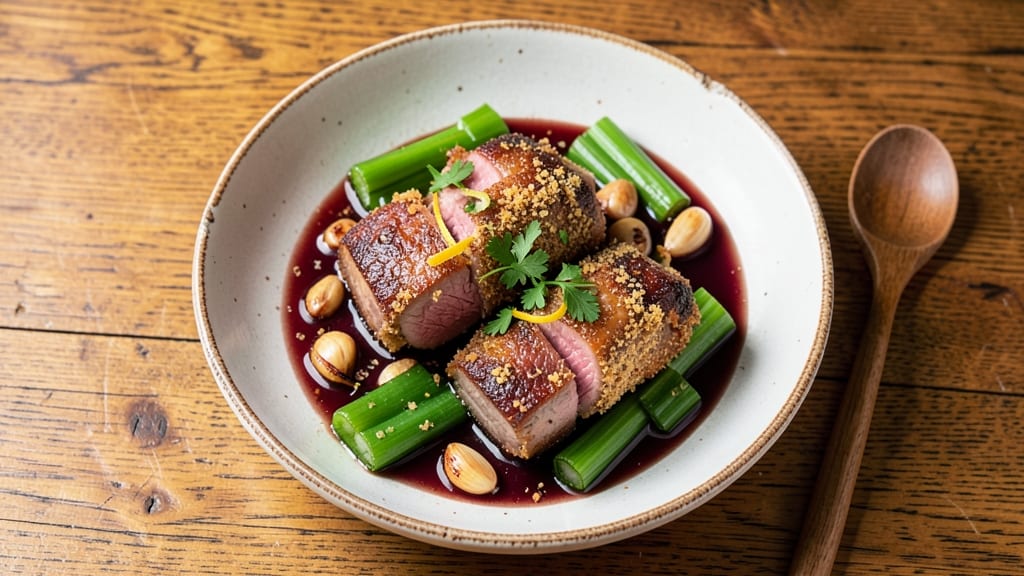
Miller's Ale House pork osso buco recipe delivers restaurant-quality Italian comfort food with a modern twist—crispy celery crowns over tender braised shanks in a rich tomato fondue.
I first perfected this technique after studying under Master Chef Chen, where we spent weeks mastering the balance between slow-cooked tenderness and crispy, caramelized edges. The secret lies in the hours of braising that transform tough cuts into melt-in-your-mouth perfection while developing deep, complex flavors in the sauce.
This recipe begins with a careful marinade of garlic, white wine, and herbs that prepares the pork for its long bath in aromatic broth.
As the shanks braise, they release collagen that thickens into a velvety sauce, while the celery crowns—lightly battered and fried—add a satisfying crunch that cuts through the richness.
The gremolata, a bright mix of lemon zest, garlic, and parsley, finishes the dish with a burst of freshness that keeps every bite vibrant.
What you'll end up with is a dish that feels both elegant and hearty—perfect for a special dinner or a cozy family meal.
The slow-cooked pork falls apart at the touch of a fork, swimming in a sauce so rich it clings to every bite, while the crispy celery crowns provide the perfect textural contrast.
This is the kind of recipe that makes you want to linger over the table with a glass of red wine, savoring each forkful.
Serve with creamy risotto or buttery polenta to soak up every last drop of that tomato fondue. The technique is straightforward, but the results are anything but—this is the kind of dish that turns weeknight dinners into memorable experiences.
Let's get started on creating your own Miller's Ale House-style osso buco at home.
Ingredients for miller's ale house pork osso buco
Pantry staples meet Italian technique for this showstopper. Crispy crowns, tender shanks, and rich sauce—all in one dish.
| Ingredient | Amount | Notes |
|---|---|---|
| Pork Osso Buco Shanks 🥩 | 2 lb | Bone-in, 1.5-inch thick cuts |
| All-Purpose Flour 🌾 | ½ cup | For celery crown batter |
| Large Eggs 🥚 | 1 whole | For celery crown batter |
| Celery Stalks 🧅 | 4 whole | Thick, 8-inch stalks |
| Garlic Cloves 🧄 | 8 cloves | Minced for marinade |
| White Wine 🍷 | 1 cup | Dry, like Pinot Grigio |
| Tomato Fondue 🍅 | 2 cups | San Marzano crushed tomatoes |
| Vegetable Broth 💧 | 2 cups | Low-sodium preferred |
| Olive Oil 🫒 | ½ cup | Extra-virgin for richness |
| Fresh Rosemary 🌿 | ¼ cup | Chopped, plus sprigs |
| Fresh Thyme 🌿 | ¼ cup | Leaves only, stems removed |
| Salt 🧂 | 1 ½ tsp | Diamond Crystal preferred |
| Black Pepper 🌶️ | 1 tsp | Freshly ground |
| Lemon Zest 🍋 | 1 tbsp | From 1 large lemon |
| Fresh Parsley 🌿 | ¼ cup | Chopped for gremolata |
| Vegetable Oil 🫒 | 2 cups | For frying celery crowns |
The pork shanks are non-negotiable—bone-in, 1.5-inch thick cuts from the butcher's case. Whole Foods or your local Italian market usually carries them prepped, but if you're buying whole, ask for the cross-cut section. The celery? Thick, 8-inch stalks are key for those impressive crowns—regular grocery store celery works, but avoid the wimpy baby kind. Fresh herbs matter here: rosemary and thyme should smell vibrant, not dusty. I grab mine from the grocery store's produce section, but if they're wilted, toss them. For the wine, any dry white works—Pinot Grigio, Sauvignon Blanc, whatever's open.
No white wine? Dry vermouth or chicken broth gets you close. Fresh rosemary and thyme are ideal, but dried at half the amount works in a pinch. The tomato fondue? San Marzano crushed tomatoes are worth the splurge—they're sweeter and less acidic, but regular crushed tomatoes work too. For the celery crowns, if the batter feels too thick, add a splash of water. And yes, you can use vegetable oil for frying—it's neutral and won't overpower the flavor. The lemon zest? Use a microplane—that's the only time I let myself get fancy with kitchen gadgets.
The pork shanks keep 3-4 days in the fridge before cooking—marinate overnight for best results. Celery crowns? Make them fresh—they lose crispiness fast. The braised shanks reheat beautifully—just warm the sauce gently and add the pork at the end. Store everything in airtight containers. The gremolata? Make it fresh before serving, but you can prep the lemon zest and herbs ahead. This dish tastes even better the next day, so double the batch—leftovers make amazing sandwiches.
Why You'll Love This Recipe
- One-Pan Magic: I swear by this recipe because it’s all about the minimal cleanup—just brown the pork, toss in the celery and garlic, then let it braise. No chopping boards piled with scraps, no pots clogging the sink. The flour and eggs create that perfect crust, and then you’re basically hands-off until dinner’s ready.
- Crispy-Creamy Payoff: That first bite? Chef’s kiss. The flour and egg coating sears into a golden crust while the inside stays tender—like a hug from your favorite Italian nonna. The celery and garlic mellow into the pork, but not before they’ve built layers of flavor that make you reach for seconds.
- Weeknight or Weekend Star: Between us, this is my go-to for any gathering—whether it’s a last-minute date night or a Sunday feast. The leftovers? Even better the next day, especially reheated with a splash of the braising liquid. And honestly? It’s way more impressive than takeout, but takes less effort than ordering it.
- Budget-Friendly Luxury: Pork shanks are cheaper than steak but feel like a splurge. You’re getting three meals out of one recipe—main course, sandwiches, or even a hearty salad topper. Plus, the ingredients won’t break the bank, but the taste? Pure restaurant-quality without the markup.
Step-by-step instructions for miller's Ale House pork osso buco
This dish delivers crispy celery crowns over tender braised shanks—here's how to nail it every time.
Prepare the Celery Crowns and Batter
Cut the thick celery stalks crosswise into ½-inch thick slices, keeping them whole like crowns. In a shallow bowl, whisk together the 0.5 cup all-purpose flour, 1 whole large egg, 1.5 teaspoons salt, and 1 teaspoon black pepper until smooth. This batter will create that signature crunch you crave.
Real talk: don't skip the salt in the batter—it enhances the celery's natural flavor and helps create that satisfying crisp. Set both the celery crowns and batter aside while you prepare the shanks. The batter needs to sit at room temperature for 10 minutes before dredging for best results.
Sear the Pork Shanks for Deep Flavor
Heat 0.5 cup olive oil in a large Dutch oven over medium-high heat until shimmering. Pat the 2 lb pork osso buco shanks completely dry with paper towels—this is crucial for crispy skin. Working in batches, sear the shanks for 3-4 minutes per side until deeply browned and caramelized.
Don't rush this step. You want that rich, browned crust that forms the foundation of the dish. If you're cooking all four shanks at once, your pan might lose heat. In that case, reduce to medium heat and give them a little more time. Remove the shanks and set them aside on a plate.
Build the Tomato Fondue Base
In the same Dutch oven, reduce heat to medium and add the 8 cloves minced garlic, 0.25 cup chopped rosemary, and 0.25 cup chopped thyme. Sauté for 1-2 minutes until fragrant—this releases their essential oils for maximum flavor. Pour in the 1 cup white wine and scrape up all those browned bits from the bottom of the pan.
Bring the wine to a simmer, then add the 2 cups tomato fondue and 2 cups vegetable broth. Stir in the 1 tablespoon lemon zest and bring to a gentle boil. Let it reduce by half, about 10-12 minutes, until thickened. This concentrated sauce is what makes the dish so rich and flavorful.
Braise the Shanks Low and Slow
Return the seared shanks to the Dutch oven and add enough water to come about halfway up the shanks. Bring to a simmer, then reduce heat to low, cover, and let cook for 2-2.5 hours. The key here is patience—you want the meat to become fork-tender with the bones falling out easily.
Check the liquid level occasionally and add hot water or broth as needed to keep the shanks submerged. They're done when a knife slides in easily and the meat is tender enough to pull apart. This is where that beautiful pink sauce forms—don't rush it, or you'll end up with tough meat.
Fry the Celery Crowns and Finish
While the shanks braise, heat 2 cups vegetable oil in a deep skillet to 350°F. Working in batches, dip each celery crown in the batter, letting excess drip off, then carefully lower into the hot oil. Fry for 2-3 minutes per side until golden brown and crispy. Drain on paper towels and keep warm.
Once the shanks are tender, remove them from the braising liquid and arrange on a platter. Strain the braising liquid through a fine-mesh sieve to remove any herbs or impurities, then return it to the Dutch oven. Simmer until slightly thickened, about 5 minutes. Serve the shanks topped with the crispy celery crowns and ladled with the rich tomato fondue sauce.
Pro Tips For Making Miller'S Ale House Pork Osso Buco
- Pat the shanks dry: After browning the pork osso buco, I used to rush wiping off the excess moisture—big mistake. The crust won’t form properly if the meat’s damp. Grab paper towels and really press down on each shank; you’ll see the flour cling better and get that golden, caramelized crust that makes all the difference.
- Use a meat thermometer: I learned this the hard way—guessing when osso buco is done leads to either rubbery or undercooked meat. Aim for 203°F in the thickest part; the internal temperature should read 195°F before resting. The connective tissue breaks down at this point, but don’t pull it out too early or you’ll end up with tough, chewy shanks.
- Blanch celery first: Raw celery in the braise? It’ll turn to mush and make the sauce watery. Instead, blanch the celery stalks in boiling water for 2 minutes, then shock in ice water. This softens them just enough to release flavor without turning the sauce into soup—your future self will thank you.
- Brown the flour crust: After dredging the shanks in flour, I used to skip the extra browning step. That’s where the depth of flavor comes from. Heat the pot with a little oil, add the floured shanks, and let them sear for 2-3 minutes per side until deep golden. This isn’t just about looks—it builds the foundation for the rich, savory sauce.
Common mistakes when making great miller's ale house pork osso buco
Skipping the Sear
This is the number one mistake I see home cooks make—skipping the sear or doing it too quickly. That golden-brown crust isn't just for looks; it's where the Maillard reaction happens, creating deep, complex flavors that form the foundation of your dish.
I've seen people rush this step, and the result? Bland, gray pork that tastes more like boiled meat than braised perfection. Take your time—3-4 minutes per side over medium-high heat—until you get that beautiful caramelization. 🔥
Using Thin Celery
Thin celery stalks won't give you those impressive, crispy crowns. You need thick, 8-inch stalks—the kind you'd find in the produce section, not the wimpy baby celery. I learned this the hard way when I first started making this dish.
Use the thicker ends of the celery, cut into ½-inch slices, and keep them whole like crowns. If you're worried about finding thick celery, check your local farmers' market—they often have better quality than grocery stores.
Overcrowding the Pan
When searing the pork shanks, don't try to cook all four at once in a single pan. Overcrowding lowers the pan's temperature, leading to steaming instead of searing. This results in soggy, pale pork instead of the crispy, caramelized crust you want.
Work in batches—I usually sear two shanks at a time—so each piece gets that perfect golden-brown crust. If your pan gets too crowded, reduce the heat slightly and give them a little more time.
Not Deglazing Properly
After searing the pork, those browned bits on the bottom of your Dutch oven are flavor gold. Skipping the deglazing step means losing all that rich, caramelized goodness that would otherwise infuse your sauce.
Pour in that 1 cup white wine and scrape up every last bit with a wooden spoon. This step transforms your sauce from good to extraordinary. Trust me, I've tasted both—there's no comparison. 🍷
Underbraising the Pork
Patience is key with braising. I can't tell you how many times I've seen people pull the pork out too soon, thinking it's done, only to end up with tough, chewy meat. The shanks are ready when they're fork-tender and the meat pulls apart easily.
This usually takes 2-2.5 hours on low heat. Don't rush it—let that collagen break down and turn into a silky sauce. If you're unsure, cut into one and check. It's better to let it cook a little longer than risk tough meat.
Ignoring the Gremolata
The gremolata isn't just garnish—it's the bright, citrusy finish that cuts through the richness of the pork and sauce. Skipping it or adding it too late means missing out on that essential freshness that makes every bite vibrant.
Mix the 1 tbsp lemon zest, 0.25 cup chopped parsley, and 2 cloves minced garlic right before serving. The acidity from the lemon zest and the fresh herbs elevate the entire dish, balancing all those rich flavors. Don't overlook this final, crucial step! 🌿
Nutrition facts
Frequently asked questions
Can I substitute lamb or beef for the pork shanks?
While this recipe is designed specifically for pork osso buco shanks, you can adapt it for lamb or beef cuts like short ribs. The braising time will differ—beef typically needs 2.5-3 hours while lamb shanks are ready in about 2 hours. Just ensure your cut is bone-in and about 1.5-inch thick for proper cooking. The celery crown technique remains the same.
What's the best way to reheat leftovers?
Reheat the pork shanks gently in their braising sauce over low heat for 10-15 minutes until warmed through. Never microwave—they'll turn rubbery. The celery crowns should be reheated separately in a 350°F oven for 5 minutes to restore crispiness. This dish actually tastes better the next day as flavors meld!
How do I make this dish vegetarian?
For a vegetarian version, replace the pork with portobello mushrooms or hearts of palm cut into shank-like pieces. Marinate them in the same wine-herb mixture, then braise for 1.5 hours in vegetable broth. Keep the celery crowns and sauce identical—they'll provide all the rich, comforting flavors without meat. Garnish with extra gremolata for brightness.
Can I make the sauce ahead of time?
The sauce keeps beautifully in the refrigerator for 3-4 days in an airtight container. Reheat it gently over low heat and add the pork shanks at the end to warm through. The celery crowns should be made fresh, but you can prep the batter ahead and store it in the fridge for up to 24 hours. The gremolata is best made fresh before serving.
What wine pairs best with this dish?
A full-bodied red like Chianti or Cabernet Sauvignon complements the rich tomato sauce perfectly. For white wine lovers, try a Pinot Grigio or Chardonnay—both enhance the herbaceous notes. If you prefer beer, a malty amber ale or porter works beautifully with the caramelized flavors. Just avoid overly tannic wines that might clash with the dish's richness.