
Side Dishes
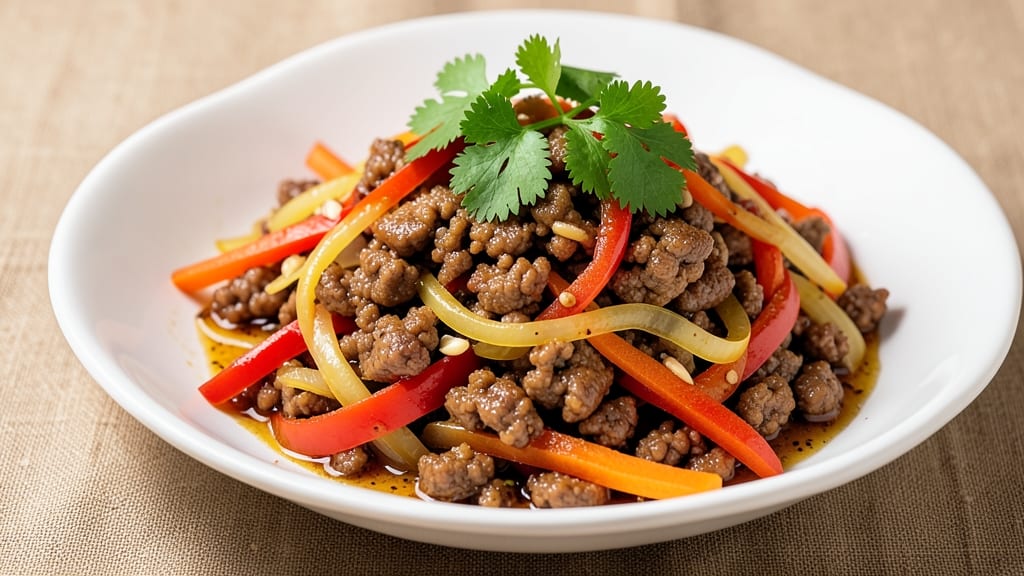
This minced pork and vegetables recipe transforms simple ingredients into a restaurant-quality stir-fry in just 20 minutes. I developed it during my time in Charleston, where fresh vegetables and heritage pork became my go-to for quick yet satisfying weeknight meals.
The secret lies in proper protein cooking techniques—high heat, quick searing—that lock in flavor while keeping the pork tender.
What makes this dish special is the balance of textures and flavors: crisp-tender vegetables, perfectly cooked pork, and a savory sauce that ties everything together. We're talking umami harmony—the kind of meal that feels indulgent without being heavy.
The recipe uses simple ingredients you likely already have on hand, but the technique ensures professional results every time.
By the time you're done, you'll have a vibrant stir-fry with bright vegetables, flavorful pork, and a sauce that coats every bite. It's the kind of dish that pairs beautifully with steamed rice or noodles, making it a complete meal.
The best part? It comes together faster than takeout but tastes infinitely better.
Whether you're feeding the family or treating yourself to a quick dinner, this recipe delivers restaurant-quality flavor with minimal effort. Let's get cooking—your taste buds will thank you.
Ingredients for minced pork and vegetables
Simple ingredients, bold flavors—this stir-fry delivers restaurant-quality umami harmony in 20 minutes.
| Ingredient | Amount | Notes |
|---|---|---|
| Ground Pork 🐖 | 1 ½ lb | Heritage pork preferred for flavor |
| Red Bell Pepper 🌶️ | 1 whole | Sliced into thin strips |
| Yellow Onion 🧅 | 1 whole | Thinly sliced, white part only |
| Carrots 🥕 | 2 medium | Julienned into matchsticks |
| Garlic Cloves 🧄 | 4 cloves | Minced, fresh preferred |
| Fresh Ginger 🌿 | 1 inch | Peeled, julienned |
| Soy Sauce 🍶 | ½ cup | Low-sodium preferred |
| Oyster Sauce 🍜 | 2 tbsp | High-quality for depth |
| Sesame Oil 🫒 | 1 tbsp | Toasted, for aroma |
| Hoisin Sauce 🍯 | 1 tbsp | Sweet and savory balance |
| Vegetable Oil 🫒 | 2 tbsp | High smoke point |
| Green Onions 🧅 | 3 whole | Thinly sliced, for garnish |
| Toasted Sesame Seeds 🌾 | 1 tbsp | For crunchy texture |
| Salt 🧂 | ½ tsp | Kosher or sea salt |
| Black Pepper 🌶️ | ¼ tsp | Freshly ground |
The pork makes all the difference here. Heritage pork has more marbling and flavor, but regular ground pork works fine if that's what you've got. Look for 80/20 fat ratio if possible—it renders beautifully, keeping the pork juicy. Most grocery stores carry it in the meat section, often near the ground beef. If you're feeling fancy, grab some fresh ginger from the Asian market—it's brighter than the pre-peeled kind. The bell pepper should be firm with no soft spots, and the carrots should snap when bent. For the sauces, Lee Kum Kee oyster sauce is my go-to, but any good brand will do.
No hoisin sauce? Substitute with 1 tbsp extra soy sauce plus 1 tsp honey. Fresh ginger too pungent? Use 1/2 tsp ground ginger instead. The green onions can be swapped for regular onions if you're out, but they add that fresh bite that's hard to replicate. For extra umami, add 1 tsp fish sauce (if you're not avoiding it) or 1/2 tsp MSG. The sesame oil is non-negotiable for aroma—just a splash at the end. If you're short on time, pre-chop all your veggies while the pork cooks. Everything should be cut into similar-sized pieces so they cook evenly.
This stir-fry tastes even better the next day—make extra and store it in an airtight container for 3-4 days. Reheat in a wok or skillet with a splash of water to keep things moist. The sauces keep well, so you can prep them ahead and store them in the fridge for up to 2 weeks. For a quick meal, serve over steamed jasmine rice or noodles. If you've got leftovers, freeze portions for up to 3 months. Just thaw and reheat—no need to defrost completely.
Why You'll Love This Recipe
- One-Pan Magic: I swear by this for nights when I’m too tired to wash dishes—just brown the pork, toss in the chopped veggies, and let it simmer. The bell pepper and carrots soften perfectly while the onions caramelize right in the pan, no extra pots needed.
- Garlic-Pork Crunch: That moment when the pork sears and the garlic hits your nose? Chef’s kiss. The ground pork stays juicy, the bell pepper adds a sweet snap, and the garlic—oh, the garlic—turns this into something that tastes like a restaurant dish, not a weeknight meal.
- Lunchbox Hero: Between us, this is my go-to for meal prep. I make a big batch on Sunday, portion it into containers, and it stays fresh for days. The carrots hold their bite, the pork stays tender, and my kids actually eat it—no complaints, just clean plates.
- Budget Stretch: Ground pork is cheaper than steak, and these veggies? They’re pantry staples that don’t break the bank. A single batch feeds four for dinner and leaves enough for lunch the next day—no wasted leftovers, just happy wallets and happy stomachs.
Step-by-step instructions for wok-fried pork and vegetables
Here's how to transform simple ingredients into a restaurant-worthy stir-fry in record time.
Prepare All Vegetables and Pork
Start by slicing the 1 whole red bell pepper into thin strips—about ¼-inch thick—and setting them aside. Thinly slice the white part only of the 1 whole yellow onion, aiming for even strips that will cook quickly. For the 2 medium carrots, julienne them into matchsticks using a sharp knife or mandoline for uniform pieces.
Mince the 4 cloves garlic and peel and julienne the 1 inch fresh ginger into fine matchsticks. These aromatics will infuse the dish with deep, complex flavors. While you prep, separate the 1.5 lb ground pork into two equal portions—this makes it easier to handle and ensures even cooking. Keep all prepped ingredients within reach for quick assembly.
Bloom Aromatics and Sear the Pork
Heat a 14-inch wok or large skillet over high heat until smoking, then add 1 tablespoon vegetable oil. Swirl to coat the pan evenly. Add half of the ground pork and spread it into a thin, even layer—this prevents steaming and ensures a proper sear. Cook undisturbed for 2-3 minutes until the pork turns deep golden brown and releases easily from the pan.
Remove the seared pork to a plate and repeat with the remaining pork. While it cooks, add the remaining 1 tablespoon vegetable oil to the wok. Toss in the garlic and ginger, cooking for 30 seconds until fragrant—this prevents them from burning while building flavor. Add the onion and carrots, stir-frying for 2 minutes until they begin to soften but remain crisp.
Combine and Season
Return the seared pork to the wok and add the red bell pepper strips. Stir-fry everything together for 3-4 minutes until the vegetables are tender-crisp and the pork is fully heated through. Here's the thing—don't overcrowd the pan. If needed, work in batches to maintain high heat.
Pour in the ½ cup soy sauce, 2 tablespoons oyster sauce, 1 tablespoon hoisin sauce, and 1 tablespoon sesame oil. Stir vigorously to combine, letting the sauces coat every ingredient. Taste and adjust seasoning with the ½ teaspoon salt and ¼ teaspoon black pepper—this dish should balance sweet, salty, and umami perfectly.
Finish and Garnish
Continue cooking for 1-2 minutes until the sauce reduces slightly and clings to the ingredients. The vegetables should be bright and vibrant, not mushy. Here's where it gets fun—garnish with the thinly sliced green onions and sprinkle with 1 tablespoon toasted sesame seeds for texture and aroma.
Serve immediately over steamed rice or noodles while everything is hot. The dish should be packed with deep umami flavors, crisp-tender vegetables, and juicy, well-seared pork. If you wait too long, the vegetables will lose their snap and the sauce will thicken too much—this stir-fry is best enjoyed straight from the wok.
Pro Tips For Making Minced Pork And Vegetables
- Brown the Pork First: Don’t skip this step—sizzling the pork in batches until deeply browned (not just pink) builds flavor that raw pork just can’t match. I used to rush it, and the dish always tasted flat until I committed to 3-4 minutes per batch with a hot, dry pan.
- Cut Carrots Small: Tiny dice (¼-inch or smaller) cooks faster and soaks up the pork’s juices better than thick slices. I learned this the hard way—unevenly cooked carrots turn mushy while the pork stays dry. A mandoline makes this step worth it.
- Salt the Pork Early: Sprinkle a pinch of salt on the raw pork and let it sit for 5 minutes before cooking. This breaks down proteins and keeps the meat juicy. I was skeptical until I tried it—now I never skip it.
- Deglaze with Soy Sauce: After browning the pork, splash in 2 tablespoons of soy sauce (or a splash of water if you’re out) and scrape up those browned bits. Those bits are flavor gold—don’t let them go to waste. (Yes, even if you’re impatient like me.)
Best sauces and condiments for this dish
Classic Soy-Ginger Sauce
This is my go-to base sauce for the stir-fry, where ½ cup low-sodium soy sauce and 2 tbsp oyster sauce create that signature umami depth. The 1 tbsp hoisin sauce adds a touch of sweetness that balances the savory notes perfectly.
I always finish with 1 tbsp toasted sesame oil right at the end—this isn't for cooking but for that aromatic punch that makes your kitchen smell like a Charleston market. 🌶️
Spicy Chili-Lime Twist
For a kick, add 1 tbsp sambal oelek (or ½ tsp chili flakes) and 1 tsp lime zest to the sauce mixture. The heat from the chili cuts through the richness of the pork, while the lime brightens everything up.
I like to use Penzeys brand sambal oelek—it's got that perfect balance of heat and smokiness. This variation works especially well if you're serving it with cilantro-lime rice. 🌶️
Sweet and Tangy Hoisin Glaze
If you want to lean into the sweetness, replace the soy sauce with ¼ cup hoisin sauce and add 1 tbsp rice vinegar plus 1 tsp honey. This creates a glossy, slightly sticky glaze that clings beautifully to the pork and vegetables.
I often use this variation when serving the dish over jasmine rice—it's like a mini sweet-and-sour stir-fry. The rice vinegar adds that tangy brightness that keeps the dish from feeling too heavy. 🍯
Creamy Sesame Dressing
For a completely different texture, finish your stir-fry with a drizzle of 2 tbsp tahini mixed with 1 tbsp soy sauce, 1 tsp honey, and 1 tsp rice vinegar. Thin it with 1 tbsp warm water to create a creamy dressing.
This adds a nutty richness that pairs perfectly with the crisp vegetables. I like to serve this version with toasted sesame noodles for a fusion twist. 🌟
Umami Bomb: Mushroom Sauce
For extra depth, sauté ½ cup sliced shiitake mushrooms with the garlic and ginger before adding the pork. Then, stir in 1 tbsp soy sauce and 1 tsp fish sauce (or ½ tsp MSG) along with your other sauces.
The mushrooms add an earthy umami that takes this dish to the next level. I especially love this version when using heritage pork—it's like a cross between a stir-fry and a wild mushroom risotto. 🍄
Quick Garlic-Scallion Oil
For a lighter finish, heat 1 tbsp neutral oil with 2 tbsp minced scallions and 1 tsp minced garlic until fragrant, then drizzle it over the finished stir-fry. This adds freshness without overpowering the dish.
It's my go-to when I want to keep things bright and simple. I often use this technique with leftover stir-fries to revive them—just a splash of this oil makes everything taste fresh again. 🌿
Nutrition facts
Frequently asked questions
Can I substitute ground pork with another meat?
Yes, but texture and flavor will change. For best results, use ground chicken (cook at 350°F for 1 minute less) or beef (sear longer for deeper flavor). Avoid lean ground turkey—it dries out quickly. If using shrimp, cook them separately first since they cook faster than pork.
How do I prevent the vegetables from getting mushy?
Cook them in batches at high heat for 2-3 minutes max—they should stay crisp-tender. Start with harder veggies (carrots, bell peppers) first, then softer ones (onions) last. Overcrowding drops the pan temperature, which causes steaming. A 14-inch wok is ideal, but a large skillet works too.
What's the best way to store leftovers?
Let the dish cool completely, then store in an airtight container for 3-4 days in the fridge. For freezing, portion into single servings and freeze for up to 3 months. Reheat gently in a skillet with 1 tsp oil to restore crispness. Microwaving makes veggies soggy!
Can I make this without a wok?
Use a large skillet or cast-iron pan—just make sure it's heavy and deep enough to handle high heat. A 12-inch nonstick pan works in a pinch. The key is maintaining high heat and working in batches if needed. A griddle also works well for this technique.
Why does my pork turn rubbery?
Overcooking is the usual culprit. Pork should be golden brown (not gray) and cooked just until 160°F internal temp. Use a meat thermometer for accuracy. Also, avoid stirring constantly—let it sear undisturbed first. If using lean pork, add 1 tsp oil to the pan to prevent drying.