
Main Courses
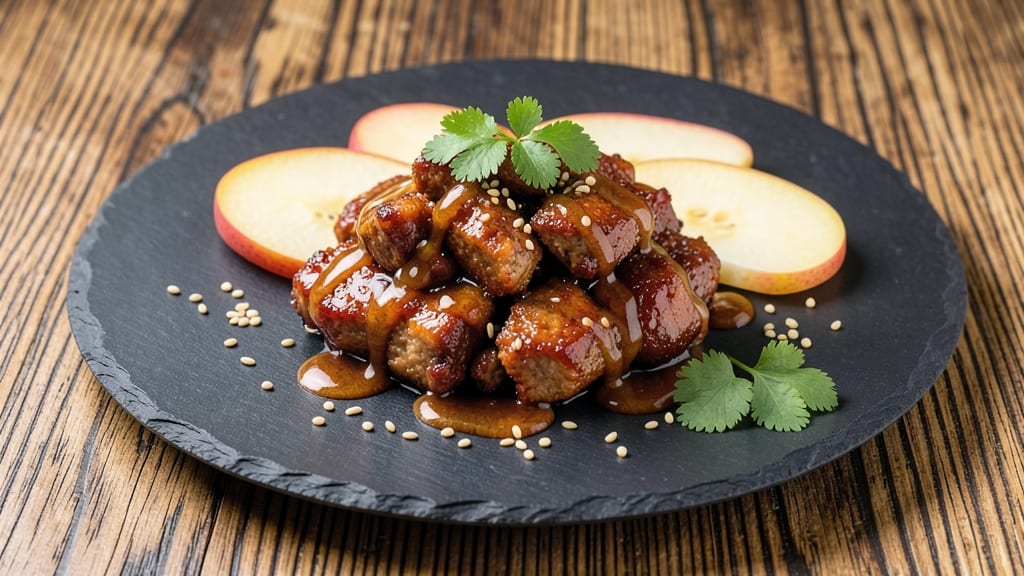
This minced pork bulgogi recipe brings the bold flavors of Korean street food into your kitchen with tender, caramelized pork and a sweet-savory sauce that's impossible to resist. 🔥 I first tasted bulgogi in Seoul's bustling markets, where the sizzle of pork hitting the grill mixed with the aroma of fermented soy and ripe pear—now I recreate that magic at home using simple techniques and quality ingredients.
The secret lies in marinating the pork for at least 2 hours (overnight is even better), allowing the sugar and soy to penetrate deeply while tenderizing the meat.
We'll cook it quickly over high heat to maintain that signature crispy edge while keeping the interior juicy, just like the versions I perfected during my time in Charleston's competitive BBQ scene. The sauce balances sweet, salty, and umami perfectly—no aftertaste, just pure flavor.
What you'll end up with is restaurant-quality bulgogi that's perfect for serving over steamed rice with quick-pickled vegetables on the side. The pork develops beautiful caramelized edges while staying tender inside, all coated in that addictive glaze.
This recipe delivers the same satisfaction as my grandmother's pork shoulder dishes—just with a Korean twist that'll impress anyone who tries it.
Whether you're cooking for a weeknight dinner or preparing for a special occasion, this bulgogi comes together in under 30 minutes of active time (plus marinating).
The technique is straightforward but yields professional results—exactly what you'd expect from a recipe developed through years of both Korean street food exploration and Southern pitmaster precision.
Ingredients for minced pork bulgogi
Sweet, savory, and umami-packed—this bulgogi brings Korean street food magic to your home with just 14 ingredients.
| Ingredient | Amount | Notes |
|---|---|---|
| Ground Pork (Minced) 🐖 | 1 ½ lb | 80/20 fat ratio preferred |
| Asian Pear (Ripe) 🍐 | 1 whole | Sliced thin for marinade |
| Korean Soy Sauce (Ganjang) 🥫 | ½ cup | High-quality brand like Doenjang |
| Sesame Oil 🫒 | 1 tbsp | Toasted sesame oil preferred |
| Brown Sugar 🍯 | ½ cup | Packed, light brown preferred |
| Garlic Cloves 🧄 | 8 cloves | Minced finely for depth |
| Fresh Ginger 🌿 | 2 tbsp | Grated, not powdered |
| Sesame Seeds 🌰 | 2 tbsp | Toasted for garnish |
| Green Onions 🧅 | 4 whole | Sliced thin for garnish |
| Vegetable Oil 🫒 | 2 tbsp | High smoke point for cooking |
| Rice Vinegar 🍶 | 1 tbsp | For brightness in sauce |
| Salt 🧂 | 1 tsp | Kosher or sea salt |
| Black Pepper 🌶️ | ½ tsp | Freshly ground preferred |
| Cooked White Rice 🍚 | 2 cups | Steamed for serving |
The pork makes all the difference here. Ground pork with 80/20 fat ratio stays juicy while developing that signature caramelized crust. Korean markets or high-quality butchers often carry the best cuts—look for bright red color and fine texture. The Asian pear isn't just sweetness; it tenderizes the meat during marinating. Ripe but firm pears work best—avoid those that feel mushy. Fresh ginger and garlic are non-negotiable for authentic flavor—powdered versions just won't cut it. If you can't find Korean soy sauce, regular soy sauce plus 1 tsp sugar works in a pinch, though purists will notice the difference.
No Asian pear? Substitute with 1/4 cup apple juice plus 1 tbsp sugar—it won't be identical, but you'll still get the sweetness. Short on sesame oil? Toast 1 tbsp sesame seeds in a dry pan until golden, then grind into oil. The brown sugar can be swapped for white sugar plus 1/2 tsp molasses for depth. For the rice vinegar, white vinegar at half the amount works in a bind. Want extra umami? Add 1 tbsp fish sauce (if not vegetarian) or 1 tsp mushroom powder. The green onions should be both the white and green parts—chop the whites slightly thinner than the greens for visual appeal.
Marinate the pork for at least 2 hours, but overnight is ideal—this is where the magic happens. Store the marinade in an airtight container in the fridge. The cooked bulgogi keeps well for 3-4 days in the fridge, though it's best within 2 days. For longer storage, freeze portions in single-serving containers for up to 3 months. Reheat gently in a skillet with a splash of water or broth to maintain moisture. The rice should be cooked separately—steamed white rice works best, but jasmine or short-grain rice adds extra aroma.
Why You'll Love This Recipe
- One-Bowl Magic: Honestly, I swear by this recipe—just toss everything into one bowl, mix, and cook. No chopping, no fuss, and that ripe Asian pear? It practically melts into the pork like a secret weapon.
- Sweet-Savory Balance: The ganjang and brown sugar create this ridiculously addictive caramelized edge, while the pear keeps it juicy. It’s the kind of dish where every bite makes you reach for another forkful.
- Leftover Hero: This stuff tastes even better the next day—perfect for meal prep. I make a big batch on Sundays, and by Wednesday, it’s still my go-to lunch when I’m too tired to cook.
- Budget-Friendly Flex: Ground pork stretches far, and the ingredients won’t break the bank. Plus, it’s the kind of dish you can dress up for company or keep simple for a lazy night in. (Yes, even on a Tuesday.)
Step-by-step instructions for minced pork bulgogi
Here's how to transform simple ingredients into restaurant-quality bulgogi with perfect caramelization.
🍳 Step 1: Create the Sweet-Savory Marinade
In a large mixing bowl, combine the 1 whole Asian Pear (Ripe) sliced into thin strips, 0.5 cup Korean Soy Sauce (Ganjang), 0.5 cup Brown Sugar, 1 tbsp Sesame Oil, 1 tbsp Rice Vinegar, 1 tsp Salt, and 0.5 tsp Black Pepper. Use a fork to mash the pear slightly—this releases its natural juices, which help tenderize the pork and create a glossy glaze.
Add the 8 cloves Garlic Cloves (minced) and 2 tbsp Fresh Ginger (grated) to the mixture. Stir well until the brown sugar dissolves completely and you see a syrupy consistency forming. Here's the thing—this marinade should coat the back of a spoon. If it's too thick, add 1-2 teaspoons of water to loosen it. Let the mixture sit for 10 minutes to allow the flavors to meld before adding the pork.
👨🍳 Step 2: Marinate the Pork for Maximum Flavor
Add the 1.5 lb Ground Pork (Minced) to the marinade and use your hands to thoroughly coat each piece with the sauce. I like to work the pork gently but firmly—this ensures every bite gets that perfect balance of sweet, savory, and umami. Transfer the mixture to a food-safe container and marinate in the refrigerator for at least 30 minutes (I prefer 2 hours for deeper flavor).
Don't skip this step—marinating breaks down the proteins in the pork, making it more tender and allowing the flavors to penetrate completely. If you're short on time, marinate for at least 15 minutes, but you'll miss out on some of that authentic depth. While it marinates, prepare your cooking surface by dividing the 2 cups Cooked White Rice into serving bowls.
🔥 Step 3: Cook the Bulgogi to Perfect Doneness
Heat a large skillet or wok over medium-high heat until it's hot but not smoking. Add 2 tbsp Vegetable Oil and let it get shimmering hot—this ensures a good sear on the pork without burning the marinade. Working in batches if needed (don't overcrowd the pan), add the marinated pork and spread it out evenly.
Cook undisturbed for 3-4 minutes until the pork starts to brown and pull away from the pan in some spots. This is where the magic happens—those caramelized bits create intense flavor. Use a spatula to gently break up the pork pieces as they cook, but don't stir constantly. You're looking for 80-85% cooked pork at this stage—it'll finish cooking when you add it to the rice.
🥘 Step 4: Finish and Assemble the Bulgogi
Return all the pork and any accumulated juices from the pan to the skillet. Increase heat to high and let the mixture sizzle for 1-2 minutes to reduce the sauce slightly and create a glossy finish. The pork should be fully cooked with a beautiful caramelized sheen—this is your signal that it's ready to serve.
Divide the bulgogi evenly over the 2 cups Cooked White Rice in serving bowls. Garnish with 2 tbsp Sesame Seeds (toasted) and 4 whole Green Onions (sliced thin). The sesame seeds add a delightful nutty crunch, while the green onions provide a fresh contrast to the rich bulgogi. Serve immediately while the pork is hot and the rice is still steaming.
Pro Tips For Making Minced Pork Bulgogi
- Prep the Pear First: Dice that Asian pear while it’s still cold—it’s less messy, and the texture stays crisp. I used to wait until the end, but the juice splatters everywhere when it warms up, and you lose that perfect bite.
- Marinate Cold, Cook Hot: Let the pork sit in the marinade for at least 30 minutes in the fridge—no rush. Then sear it over high heat for 3-4 minutes until the edges crisp. Skipping the cold soak makes the meat tough, and low heat turns it greasy.
- Skip the Overmixing: Stir the pork just enough to coat it in the sauce—lumpy is fine. Overworking it turns the meat gluey, and you’ll end up with a dense, chewy mess instead of tender, saucy bites.
- Finish with Sesame Oil Last: Drizzle the sesame oil in the final 30 seconds of cooking—it burns fast and adds a nutty aroma that disappears if you add it too early. (Yes, even if you’re impatient like me.)
Creative variations of this minced pork bulgogi
Spicy Kimchi Bulgogi Twist
For a fiery kick, stir ¼ cup finely chopped kimchi (plus 1 tbsp juice) into the marinade before adding the pork. The tangy, spicy fermented cabbage cuts through the sweetness while adding probiotic benefits. I like to add ½ tsp gochugaru (Korean chili flakes) for extra heat—adjust to taste.
The kimchi also helps tenderize the meat during marinating, making it especially juicy. Serve with extra kimchi on the side for dipping. 🌶️
Honey-Glazed Bulgogi
Swap the brown sugar for ½ cup honey plus 1 tbsp soy sauce for a sweeter, stickier glaze that caramelizes beautifully. Add 1 tsp grated ginger and 1 minced garlic clove to the marinade for balance.
Cook the pork in a cast iron skillet to maximize the caramelization—this version has a stunning glossy finish that looks incredible on rice. The honey version pairs perfectly with grilled pineapple slices for a tropical twist.
Vegetarian Bulgogi
Replace the pork with 1.5 lb extra-firm tofu (pressed and crumbled) or 1.5 lb shiitake mushrooms (finely chopped). For tofu, marinate for 30 minutes instead of 2 hours since it doesn't need tenderizing.
For mushrooms, add 1 tbsp soy sauce to the marinade and cook over medium heat to avoid burning. The texture won't be identical, but the sweet-savory sauce shines with either option—especially when served with toasted cashews for crunch.
Bulgogi Lettuce Wraps
Transform this into Korean-style lettuce wraps by serving the bulgogi over butter lettuce or romaine leaves. The crisp lettuce acts as a vessel for the juicy pork, creating a refreshing, handheld meal. Add thinly sliced cucumber and shredded carrots for extra crunch.
This variation is perfect for summer when you want something lighter than rice bowls. I like to drizzle with extra sesame oil and sprinkle with crushed peanuts for added texture.
Bulgogi Fried Rice
Use leftover bulgogi to make Korean-style fried rice by combining 2 cups day-old rice with 1 cup cooked bulgogi (chopped), 1 egg (scrambled), 1 tbsp soy sauce, and 1 tsp sesame oil.
Cook in a wok over high heat for 3-4 minutes until everything is heated through and slightly crispy. Top with green onions and sesame seeds for freshness. This version is ideal for using up leftovers—just add 1 tbsp water if the rice seems dry.
Nutrition facts
Frequently asked questions
Can I use regular ground pork instead of minced pork?
Yes, but with one important adjustment! Regular ground pork (like what you'd find in most American supermarkets) works perfectly—just make sure it's 80/20 fat ratio for juiciness. The key difference is texture: minced pork (like you'd get at an Asian market) has a finer, more uniform consistency, while regular ground pork will have slightly larger pieces. Either way, the marinade will work its magic!
What's the shortest marinating time that still works?
For decent flavor, you can marinate for just 15 minutes, but I strongly recommend at least 2 hours for that authentic depth. The longer it marinates, the more tender the pork becomes and the more the sweet-savory flavors penetrate. If you're in a hurry, try marinating for 30 minutes—it'll still be delicious, just not quite as restaurant-quality!
Can I make this bulgogi in a slow cooker?
For a hands-off version, marinate the pork normally, then transfer everything (including marinade) to a slow cooker. Cook on low for 2-3 hours or high for 1-1.5 hours. The texture will be more tender than pan-seared, but still packed with flavor. Finish by pan-frying for 2-3 minutes to get that caramelized crust before serving.
Why does my bulgogi turn out dry?
Most likely, you overcooked it! Bulgogi should be cooked just until the pork reaches 160°F internally—it'll finish cooking when you add it to hot rice. Another common mistake is using lean pork (less than 15% fat). The fat keeps it juicy! If it's already dry, try reheating with 1 tbsp water or broth in a skillet to restore moisture.
What's the best way to store leftovers?
Store cooked bulgogi in an airtight container in the fridge for up to 4 days. For longer storage, freeze portions in single-serving containers for up to 3 months. To reheat, warm in a skillet with 1 tsp water or sesame oil over medium heat until heated through—this prevents drying out. Microwaving works in a pinch, but the texture won't be as good.