
Main Courses
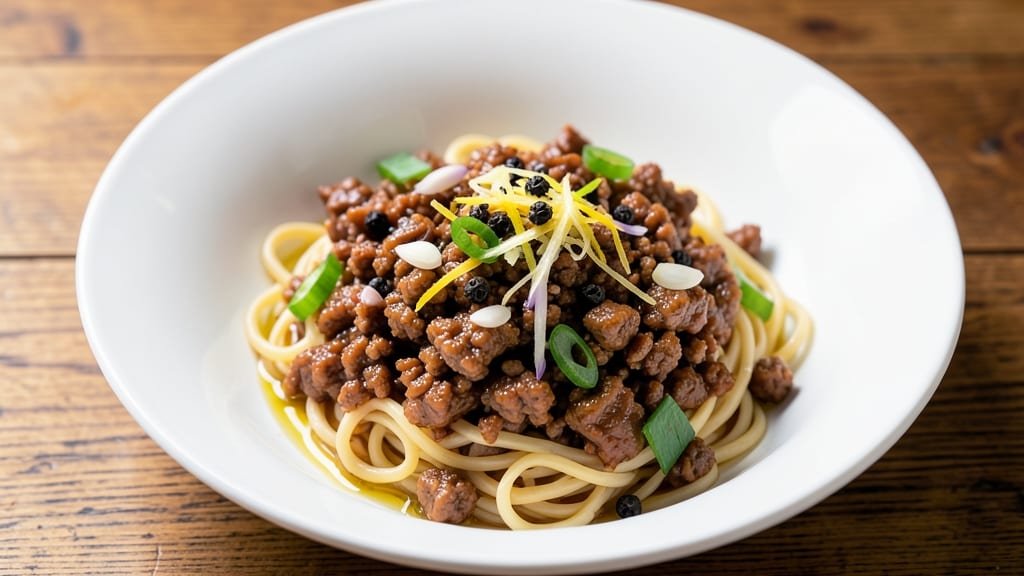
This minced pork noodle recipe delivers restaurant-quality stir-fry magic in under 30 minutes. The secret lies in perfectly seared pork that releases its juices into a fragrant garlic-ginger sauce, creating a dish that's both comforting and bold.
I developed this version after years of perfecting the balance between tender pork, aromatic spices, and chewy noodles that hold up to every bite.
What makes this recipe stand out is the technique of cooking the pork in small batches—this ensures it stays juicy and develops a caramelized crust that adds depth of flavor.
The garlic and ginger aren't just background players; they're the stars of the sauce, infusing every strand of noodle with their bright, aromatic essence. And unlike many takeout versions, this one delivers a sauce that's rich but not greasy, perfectly coating each noodle without weighing it down.
By the time you're done, you'll have a steaming bowl of fragrant noodles where each forkful delivers perfectly tender pork, aromatic vegetables, and a sauce that's just the right balance of sweet, savory, and umami.
The dish is simple enough for a weeknight but impressive enough for company, with that restaurant-quality finish that comes from proper technique and quality ingredients. This is the kind of meal that transforms a simple dinner into something special.
Whether you're feeding a family or treating yourself to a solo meal, this recipe scales beautifully while maintaining its signature flavors. The beauty of this dish is in its versatility—it's hearty enough to stand alone but pairs perfectly with quick-pickled vegetables or a side of steamed greens. Let's get cooking!
Ingredients for minced pork noodle
Quality ingredients transform simple stir-fry into restaurant-worthy minced pork noodles.
| Ingredient | Amount | Notes |
|---|---|---|
| Ground Pork 🐖 | 1 ¼ lb | Lean but not too dry |
| Fresh Egg Noodles 🍜 | 12 oz | Wide or medium width preferred |
| Garlic Cloves 🧄 | 6 cloves | Minced, fresh preferred |
| Fresh Ginger 🌿 | 2 tbsp | Finely grated, peeled |
| Green Onions 🧅 | 4 whole | White and green parts separated |
| Vegetable Oil 🫒 | 3 tbsp | High smoke point preferred |
| Low-Sodium Soy Sauce 🍶 | ½ cup | Kikkoman preferred |
| Oyster Sauce 🍶 | 2 tbsp | Lee Kum Kee brand recommended |
| Sesame Oil 🫒 | 1 tbsp | Toasted, for aroma |
| Sugar 🍚 | 1 ½ tbsp | White or brown preferred |
| Cornstarch 🌾 | 1 tbsp | For sauce thickening |
| Salt 🧂 | ½ tsp | Kosher or sea salt |
| Black Pepper 🌶️ | ¼ tsp | Freshly ground preferred |
| Sesame Seeds 🌱 | 1 tbsp | Toasted, for garnish |
The ground pork makes or breaks this dish. Look for 80/20 lean-to-fat ratio at your butcher or grocery store—this ensures juiciness without greasiness. Costco or Trader Joe's usually have great options in the frozen section if fresh isn't available. Fresh ginger and garlic are non-negotiable here—they're the aromatic foundation. Buy organic ginger if possible; it's less fibrous and easier to grate. The egg noodles should be fresh or frozen, never dried. Barilla or Martini brands are reliable choices. For the sauces, Kikkoman soy sauce and Lee Kum Kee oyster sauce are industry standards for a reason—they balance perfectly.
No fresh ginger? Powdered ginger at half the amount works in a pinch, but it lacks that bright punch. Substitute oyster sauce with hoisin sauce plus a dash of fish sauce if needed (though traditionalists may cringe). The sesame oil is purely for aroma—use the toasted kind from Trader Joe's or Asian markets. For extra depth, add a dash of white pepper instead of black. The cornstarch is crucial for thickening—don't skip it. If you can't find wide noodles, medium works too, though they'll be slightly thinner. For a vegetarian version, swap pork for extra-firm tofu pressed and crumbled—just marinate it in soy sauce first.
The pork should cook in batches to stay juicy—don't overload the pan. Store leftover pork in an airtight container for up to 3 days or freeze for 3 months. Cooked noodles reheat best with a splash of water to prevent drying. The sauce keeps for 5 days in the fridge, though it's best used fresh. For meal prep, portion noodles and sauce separately—reheat them together to maintain texture. Garnish with toasted sesame seeds right before serving; they lose crispness when stored. This dish tastes even better the next day as flavors meld—make extra if you can!
Why You'll Love This Recipe
- No-Chop Needed: I swear by this—just mince the pork (or grab pre-minced if you’re really pressed), toss in whole garlic cloves and ginger slices, and let the pan do the work. The noodles cook faster than you can say “dinner’s ready,” and honestly? That’s my kind of magic.
- Umami Bomb: The pork gets so tender it nearly melts, while the garlic and ginger caramelize into something ridiculously fragrant. Add those bright green onions at the end, and it’s like a flavor explosion—savory, aromatic, and just a little spicy if you like it.
- Lunchbox Hero: Between us, this is my go-to for packed lunches. The noodles stay al dente even after reheating, and the pork keeps its texture. I’ll be real: my kids (and my husband) fight over who gets the leftovers—no sad desk lunches here.
- Pocketbook Friendly: Ground pork stretches farther than you’d think, and egg noodles are cheaper than most takeout. For under $10, I feed four people a meal that tastes like it cost twice that. Plus, leftovers reheat like a dream—no sad, mushy noodles here.
Step-by-step instructions for garlic-ginger minced pork noodles
Master this aromatic stir-fry with perfectly balanced flavors and tender pork every time.
Prepare the Pork and Aromatics
In a large mixing bowl, combine the 1.25 lb ground pork, 6 cloves minced garlic, 2 tbsp finely grated ginger, 0.5 tsp salt, and 0.25 tsp black pepper. Use your hands to mix thoroughly until the pork becomes sticky and the aromatics are evenly distributed. This step ensures the pork absorbs all the flavors before cooking.
Let the pork mixture rest for 5 minutes while you prepare the remaining ingredients. This brief resting period allows the seasonings to penetrate deeply, creating more flavorful meat. Keep the bowl covered with plastic wrap to prevent drying.
Cook the Pork Until Golden
Heat a large wok or deep skillet over medium-high heat until hot. Add 3 tbsp vegetable oil and swirl to coat the pan evenly. Working in batches if needed, add the seasoned pork mixture and cook for 4-5 minutes, breaking it apart with a wooden spoon or spatula.
Continue cooking until the pork loses its raw color and becomes golden brown with crispy edges. This indicates the pork is fully cooked and ready for the sauce. Avoid overcrowding the pan to prevent steaming rather than searing. If needed, transfer some pork to a clean plate while you finish cooking the remaining batches.
Build the Flavorful Sauce
Return all the cooked pork to the wok and reduce heat to medium. Add 0.5 cup low-sodium soy sauce, 2 tbsp oyster sauce, 1.5 tbsp sugar, and 1 tbsp cornstarch. Stir well to combine, letting the mixture simmer for 2-3 minutes until the sauce thickens slightly and coats the pork evenly.
Next, add 1 tbsp sesame oil and 1 tbsp toasted sesame seeds, reserving 1 tbsp sesame seeds for garnishing later. Stir in the white parts of 4 whole green onions (finely chopped) and cook for an additional 1 minute. The sauce should be glossy and well-coated, with a rich aroma that fills your kitchen.
Cook the Noodles and Combine
In a separate pot, bring 8 cups water to a rolling boil and add the 12 oz fresh egg noodles. Cook according to package instructions until al dente, which should take about 3-4 minutes. Drain the noodles, reserving ½ cup noodle water for potential thinning of the sauce.
Add the cooked noodles to the wok with the pork mixture and toss everything together gently. If the sauce appears too thick, add 1-2 tablespoons of reserved noodle water at a time until it reaches your desired consistency. The noodles should be well-coated in the fragrant sauce, with each strand glistening.
Garnish and Serve Immediately
Transfer the minced pork noodles to serving plates and garnish with the reserved 1 tbsp sesame seeds and the green parts of 4 whole green onions (chopped). The dish should be served hot, as the flavors meld best when piping hot. Each bite should deliver a perfect balance of tender pork, aromatic garlic and ginger, and a glossy, savory-sweet sauce.
Pair with a side of steamed bok choy or a simple cucumber salad to complete the meal. The dish is best enjoyed immediately, as the noodles continue to absorb the sauce and flavors as it cools.
Pro Tips For Making Minced Pork Noodle
- STIR IN STAGES: Don’t dump all your garlic and ginger at once—add half first, cook until fragrant (about 30 seconds), then toss in the rest. I learned this the hard way when my whole kitchen smelled like a failed experiment because I burned the ginger before the pork even browned.
- MINCE GINGER FINE: Skip the julienne—grate that ginger with the smallest holes of your box grater, then press it through a fine-mesh strainer to remove fibers. Sounds weird, but it works: your noodles won’t have those annoying chewy bits, and the flavor blends smoother into the pork.
- DON’T OVERMIX THE PORK: Once your pork starts turning opaque, stop stirring like you’re kneading dough. Overworking it turns it rubbery, and you’ll end up with a dense, dry mess instead of tender, juicy bits. Just break it up with a spatula—no need to force it.
- BOIL NOODLES AL DENTE: Pull those egg noodles out before they’re fully tender—aim for 1-2 minutes less than the package says. They’ll finish cooking in the hot pork mixture, and you’ll avoid that sad, mushy texture that ruins the whole dish. (Yes, even if you’re impatient like me.)
Best sauces and condiments for this minced pork noodle
Garlic-Ginger Sauce
The star of this dish is the aromatic garlic-ginger sauce, where 6 cloves minced garlic and 2 tbsp freshly grated ginger create a fragrant base. I like to toast the garlic in the oil for 30 seconds before adding the pork—this deepens the flavor without burning.
The sauce gets its balance from 0.5 cup low-sodium soy sauce and 2 tbsp oyster sauce, which add umami depth. A pinch of white pepper instead of black adds a subtle complexity that elevates the dish. 🌿
Sweet-Savory Balance
Don't skip the 1.5 tbsp sugar—it's essential for cutting through the saltiness and creating that signature sweet-savory profile. I prefer white sugar here because it dissolves quickly, but brown sugar works too if you want a deeper caramel note.
The 1 tbsp cornstarch thickens the sauce just enough to coat the noodles without making them soggy. For extra richness, add 1 tsp honey at the end for a subtle floral touch. 🍯
Sesame Oil Magic
The 1 tbsp toasted sesame oil is purely for aroma—it adds that nutty, toasty depth that makes the dish taste restaurant-quality. Use the toasted kind from Trader Joe's or an Asian market for the best flavor. Add it at the very end so it doesn't cook off.
The 1 tbsp sesame seeds (toasted and reserved for garnish) provide crunch and visual appeal. For a smoky twist, swap ½ tsp smoked paprika for ¼ tsp black pepper in the sauce. 🌱
Umami Boosters
For extra umami depth, add 1 tsp fish sauce or 1 tbsp mushroom sauce> to the pork before cooking. I also like to stir in 1 tsp fermented black beans> (available in Asian markets) for a salty, funky dimension.
If you're feeling adventurous, a splash of Shaoxing wine> (just 1 tbsp) adds complexity. These additions are optional but transform the dish into something truly special. 🍶
Customizable Heat
For spice lovers, add ½ tsp chili crisp> or 1 tsp gochujang> to the sauce for a subtle kick. I like to stir it in at the very end so the heat doesn't overpower the delicate garlic-ginger flavors.
If you prefer a milder version, skip the spice entirely—the dish is already flavorful enough to stand alone. For a smoky-sweet variation, add ½ tsp liquid smoke> and ½ tsp maple syrup> to the sauce. 🌶️
Nutrition facts
Frequently asked questions
Can I use ground beef instead of pork?
Ground beef works in a pinch, but pork is ideal for this recipe. The fat content in pork creates a more tender texture and richer flavor when cooked quickly. If using beef, opt for 80/20 lean-to-fat ratio and reduce cooking time by 1 minute to prevent dryness. The dish will have a slightly beefier taste, but still delicious!
Why does my sauce turn out too thin?
The sauce may thin if you overcook the noodles or add too much water. Always reserve ½ cup noodle water and use it sparingly to adjust consistency. For thicker sauce, simmer the pork mixture for an extra 1 minute before adding noodles. The cornstarch helps bind—make sure it's fully dissolved in the sauce first.
How do I make this gluten-free?
Swap the soy sauce for tamari or coconut aminos and use gluten-free noodles like rice or chickpea-based. For oyster sauce, choose a gluten-free version or substitute with 1 tbsp hoisin sauce + 1 tsp fish sauce. Check all ingredients (like cornstarch) for hidden gluten—rice flour works as a thickener alternative.
Can I prep this ahead of time?
Cook the pork mixture and sauce 1 day ahead, then store in an airtight container. Reheat gently with 1 tbsp water to prevent drying. Cook noodles fresh—reheating dried noodles makes them rubbery. For best results, combine sauce and noodles only when serving to maintain texture.
What's the secret to perfectly tender pork?
Cook in small batches over medium-high heat—this prevents steaming and creates crispy edges. Never overcrowd the pan! The 5-minute rest before cooking lets seasonings penetrate deeply. For extra tenderness, add 1 tsp water to the pork mixture before cooking to keep it moist.