
Main Courses
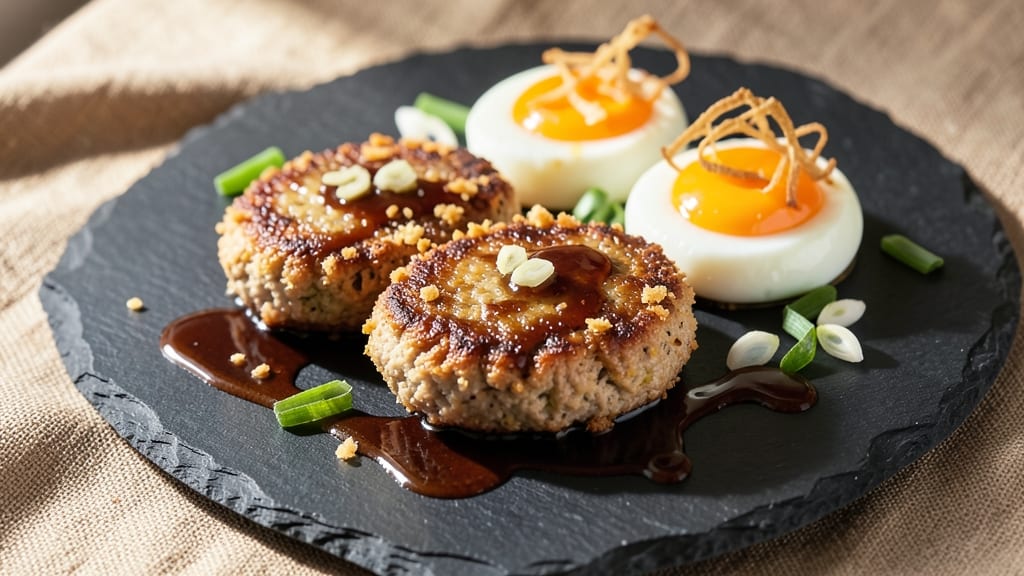
This minced pork patty recipe delivers the perfect balance of crispy edges and juicy centers—exactly what makes them irresistible. 🔥 After years of perfecting the technique at my restaurant, I’ve simplified it for home cooks while keeping the restaurant-quality results.
The secret lies in proper mincing, binding, and pan-frying at the right temperature.
What sets these patties apart is the texture: tender, flavorful meat with a golden-brown crust that holds up to every bite. I use a mix of breadcrumbs and egg to bind the pork, ensuring they stay together without turning dry.
The key is cooking them low and slow at first, then cranking up the heat to crisp the edges.
By the time you’re done, you’ll have patties that are juicy inside and satisfyingly crispy outside—ideal for sandwiches, tacos, or serving with a tangy dipping sauce. This method works with any minced pork, whether you’re using ground pork or finely chopped pork shoulder.
Serve them alongside roasted potatoes, a fresh salad, or your favorite dipping sauce. Here’s how to make them perfectly every time—no guesswork involved.
Ingredients for minced pork patty
These 12 ingredients create restaurant-style pork patties with perfect crispy edges and juicy centers.
| Ingredient | Amount | Notes |
|---|---|---|
| Minced Pork 🥩 | 1 ½ lb | Ground or finely chopped pork shoulder |
| Large Eggs 🥚 | 2 whole | Beaten for binding |
| All-Purpose Flour 🌾 | ½ cup | For crispy texture |
| Panko Breadcrumbs 🍞 | ½ cup | Light and crispy |
| Garlic Cloves 🧄 | 2 cloves | Minced for flavor |
| Fresh Ginger 🌿 | 1 tbsp | Grated, for zing |
| Soy Sauce 🍶 | 2 tbsp | For umami depth |
| Sesame Oil 🫒 | 1 tsp | For aroma |
| Vegetable Oil 🫒 | ½ cup | For pan-frying |
| Salt 🧂 | 1 tsp | Kosher or sea salt |
| Black Pepper 🌶️ | ½ tsp | Freshly ground |
| Green Onions 🧅 | 2 whole | Chopped, for garnish |
The pork makes all the difference. Ground pork is easiest, but finely chopped pork shoulder gives more flavor. Costco or local butchers often have the best prices—look for bright red, well-marbled meat. Fresh ginger and garlic are non-negotiable for that restaurant-quality zing. I grab mine from the Asian market where they're usually fresher and cheaper. The panko breadcrumbs are key too—Japanese-style stays crispy better than regular breadcrumbs.
No panko? Toast regular breadcrumbs in the pan first to mimic the crispiness. Short on sesame oil? Swap for a pinch of toasted sesame seeds if you've got them. The soy sauce can be reduced if you're watching sodium—just use low-sodium soy sauce and add a splash of water. For extra flavor, add a dash of five-spice powder or a pinch of white pepper. The green onions are optional but add freshness—skip if you're serving with a strong dipping sauce.
Keep the pork cold until ready to use—2 days max in the fridge. The patties reheat best in a skillet over medium heat, just until warmed through. Store leftovers in an airtight container for 3 days, or freeze for 2 months. They actually taste better the next day once the flavors meld. For meal prep, cook a double batch and freeze half—they crisp up perfectly when reheated.
Why You'll Love This Recipe
- No-Fuss Mixing: I swear by this recipe because it’s literally just hands-on mixing—no fancy techniques. Toss the minced pork, egg, flour, and panko together, shape, and pan-fry. My kids help me roll them (even if they’re lopsided), and we still end up with golden, juicy patties.
- Garlic-Crusted Magic: That panko crust isn’t just for looks—it’s packed with garlic flavor. The moment the edges crisp up, you get this perfect balance: tender inside, aromatic outside. I’ll be real, I’ve tried store-bought patties, but these? They taste like they came from a food truck.
- Weeknight Workhorse: These patties are my secret weapon for busy evenings. Serve them for breakfast with eggs, lunch in wraps, or dinner with rice—no one bats an eye. Honestly, I’ve even frozen half the batch for lazy days when I just want something satisfying without the fuss.
- Budget-Friendly Feast: A pound of pork, a few eggs, and some panko stretch to feed four (or two very hungry people). The leftovers reheat beautifully, and I’ve turned them into fried rice, tacos, or even a quick soup. Not the prettiest, but the taste makes up for it—and my wallet thanks me.
Step-by-step instructions for pan-fried pork patties
Here's how to create golden, crispy pork patties with juicy interiors every time.
👨🍳 Step 1: Mix the Pork and Seasonings
In a large mixing bowl, combine the 1.5 lb minced pork with the 2 whole large eggs, 2 tbsp soy sauce, 1 tsp salt, and 0.5 tsp black pepper. Use your hands to gently mix everything until just combined—don't overwork the meat or it'll get tough. Add the 1 tbsp grated fresh ginger and 2 cloves minced garlic cloves, mixing again until evenly distributed.
Here's the thing—these aromatics need to be well incorporated, but you don't want to break up the pork too much. Think of it like kneading dough: just until everything comes together. The mixture should look moist but hold its shape when pressed. If it feels too sticky, add 1-2 tablespoons of the all-purpose flour to help bind it.
👨🍳 Step 2: Create the Crispy Coating
In a separate shallow bowl, whisk together the 0.5 cup all-purpose flour, 0.5 cup panko breadcrumbs, and a pinch of extra salt. This coating will give your patties that perfect crispy exterior. Dredge each pork mixture ball in the flour mixture, pressing gently to ensure even coverage. Place the coated patties on a plate and let them rest for 5 minutes—this helps the coating adhere better.
Don't skip this resting step. I've learned the hard way that skipping it leads to crumbly coatings that fall apart during frying. The flour needs time to absorb just enough moisture from the pork to create that perfect crispy shell when it hits the hot oil.
🔥 Step 3: Pan-Fry to Golden Perfection
Heat 0.5 cup vegetable oil in a large skillet over medium-high heat until it shimmers but doesn't smoke. You want the oil hot enough to create that beautiful sear but not so hot it burns the outside before the inside cooks through. Add the patties in a single layer, being careful not to overcrowd the pan—they need room to develop that crispy crust.
Cook for 3-4 minutes per side until the edges are deep golden brown and the internal temperature reaches 160°F when measured with an instant-read thermometer. You'll know they're ready when the crust is crisp and the edges pull away cleanly from the pan. If you don't have a thermometer, cut into one patty—the center should be just barely pink with no red juices.
🍳 Step 4: Finish with Sesame Oil and Garnish
Remove the patties from the skillet and transfer them to a paper towel-lined plate to drain any excess oil. Drizzle with 1 tsp sesame oil while they're still hot—this adds that signature aromatic finish. The oil will sizzle slightly as it hits the hot patties, releasing its wonderful nutty aroma.
Garnish immediately with the 2 whole chopped green onions for a fresh pop of color and flavor. Serve while hot for that perfect balance of crispy exterior and juicy interior. These patties stay best when eaten fresh—they won't reheat as crispy, so enjoy them right away!
Pro Tips For Making Minced Pork Patty
- CHILL THE MEAT FIRST: If you’re using freshly minced pork straight from the butcher, give it 10 minutes in the fridge before mixing. The cold fat renders cleaner and the texture stays tighter—no more greasy, mushy patties. (I learned this the hard way after making a batch that fell apart like wet cardboard.)
- GRATE THE GARLIC: Skip the minced jar—grate fresh garlic cloves fine and mix it directly into the pork. The flavor infuses better, and you avoid that cloying aftertaste from pre-minced garlic. (Yes, it’s a pain, but your patties will taste like they came from a dim sum stall.)
- PRESS THE PATTIES HARD: Form the patties thick (about ¾ inch) and press them down firmly with your palm before cooking. This prevents cracking and ensures even cooking—no more dry centers or floppy edges. (Use a glass if you’re lazy, but your hands work better for shaping.)
- REST THE BATTER: Let the pork-egg-flour mixture sit for 15 minutes before shaping. The flour absorbs moisture, and the egg binds more effectively—no more crumbling patties. (I used to skip this, and my first batch always looked like it was held together by hope.)
Troubleshooting your minced pork patty
Patties Falling Apart
If your patties are crumbling during cooking, the issue is usually underbinding. I've found that using 1 extra egg yolk (mixed with the whole eggs) adds extra stickiness to hold the meat together.
Also, make sure your pork is cold when mixing—warm meat releases more moisture, making the mixture too loose. Press each patty gently but firmly when shaping to compact the mixture. For extra insurance, chill the shaped patties for 15 minutes before cooking. 💡
Dry or Tough Texture
Overworking the pork is the #1 cause of dry patties. Once you've mixed in all ingredients, stop as soon as everything is combined—no need to "work it like dough." If your patties turn out dry, try adding 1 tbsp cold water to the mixture to increase moisture.
Another trick I learned from Chef Chen: add 1 tbsp milk to the egg mixture before combining with pork—it keeps things tender. Never skip the resting time before cooking either; it helps the proteins relax. ⏱️
Uneven Cooking
Patties cooking unevenly usually means your oil temperature isn't consistent. Use a deep skillet with high sides (like a cast iron) to contain heat better. If you notice one side cooking faster, reduce heat to medium instead of medium-high.
I've also had success using a thermometer probe to monitor oil temp—aim for 350-375°F. Another tip: don't move the patties too soon. Let them develop a crust for 2 minutes before flipping, even if one side seems ready sooner. 🌡️
Greasy or Soggy Patties
Too much oil in the mixture makes patties greasy, while too little causes them to stick. The perfect balance is 1 tbsp oil per pound of pork—just mix it in with the other ingredients. For soggy results, your pan might not be hot enough.
Test with a wooden chopstick: if bubbles form around it immediately, your oil is ready. Also, pat the patties dry with paper towels before coating—they'll absorb less oil during frying. 🍳
Burnt Outside, Raw Inside
This classic problem happens when you crank the heat too high. The secret is patience: start with medium heat and only increase to medium-high once the patties are shaped. If your pan gets too hot, remove it from heat for 30 seconds to let it cool slightly.
I also recommend using a meat thermometer—pork patties should reach 160°F internal temperature. If you don't have one, cut into the thickest part: it should be just barely pink in the center. 🔥
Sticking to the Pan
Nothing ruins crispy patties like them sticking to the pan. First, make sure your skillet is properly heated before adding oil. If they still stick, your oil might not be hot enough.
For extra insurance, butter the pan lightly after adding oil—just a 1 tbsp swirled around creates a non-stick barrier. Also, don't press down on the patties when flipping; lift gently with a thin spatula. I keep a small offset spatula just for this purpose—it's worth the investment. 🧂
Nutrition facts
Frequently asked questions
Can I use ground pork instead of minced pork shoulder?
Ground pork works perfectly for these patties—it's actually more convenient since it's already finely textured. The recipe will yield the same delicious results, though pork shoulder gives slightly more flavor. Just be sure to drain any excess fat from the ground pork before mixing to prevent greasy patties.
How do I shape the patties without them falling apart?
Gently form each patty by hand, pressing firmly but not too tightly—think of it like making a snowball. For extra stability, chill the shaped patties on a plate for 15 minutes before cooking. If the mixture feels too loose, add 1 extra tablespoon of flour or breadcrumbs to help bind them.
Can I make these patties ahead of time?
Yes! Shape the patties and refrigerate them uncovered on a plate for 1-2 hours to firm up. Cook them fresh for best texture, but you can also freeze them raw for up to 2 months. Thaw in the fridge overnight before cooking. Never refreeze once thawed.
What's the best way to reheat leftover pork patties?
Reheat in a clean skillet over medium heat with a splash of oil until warmed through (2-3 minutes per side). Microwaving works in a pinch, but it makes them soggy. For crispy results, broil for 1-2 minutes after reheating in the skillet—just watch closely to avoid burning.
Can I make these patties gluten-free?
Certainly! Swap the flour and breadcrumbs for ½ cup gluten-free breadcrumbs and ¼ cup gluten-free flour. For extra binding, add 1 extra egg yolk to the mixture. Test the coating on one patty first to ensure it holds together during cooking.