
Main Courses
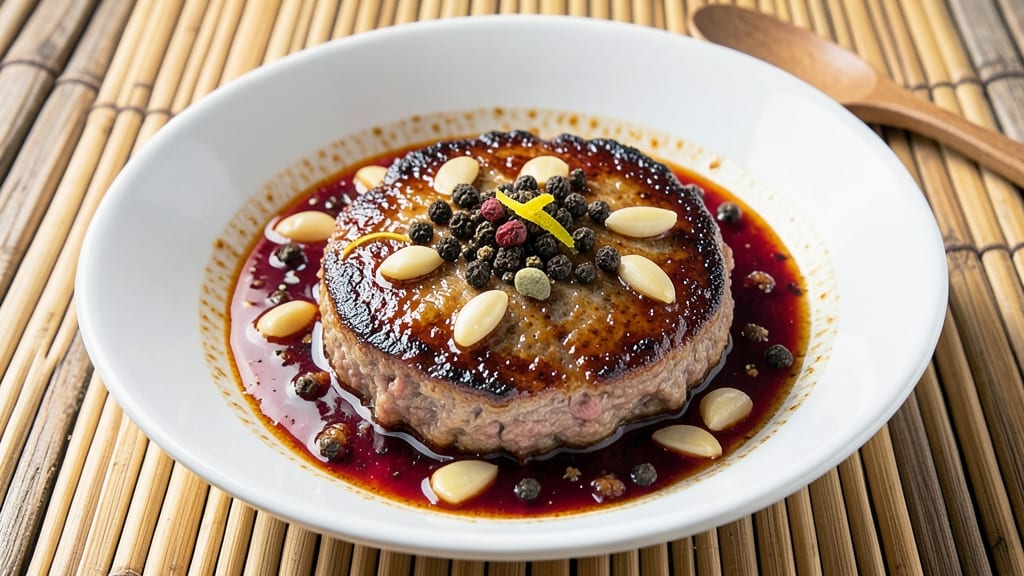
This minced pork Filipino style recipe brings the bold flavors of home-cooked longganisa to your kitchen—crispy edges, tender meat, and that perfect soy-garlic balance.
I grew up eating my grandmother’s version, where the secret was slow-cooking the pork until it fell apart, then crisping it just enough to get that addictive texture. The marinade transforms ordinary ground pork into something unforgettable.
What makes this recipe special is the combination of garlic, soy sauce, and vinegar that creates deep, savory layers. The pork cooks low and slow first, so it stays juicy, then gets seared in a hot pan for crispy edges that are impossible to resist.
My grandmother always said the key was patience—letting the flavors meld before the final crisp. This method delivers restaurant-quality results without the fuss.
By the time you’re done, you’ll have tender, flavorful pork that’s crispy on the outside and juicy inside, perfect for serving over steamed rice or with a side of sinigang.
The aroma alone will have everyone asking what’s for dinner. This is the kind of dish that tastes like home, no matter where you are.
Whether you’re making it for a family gathering or a weeknight meal, this recipe scales beautifully and keeps well for leftovers. The crispy edges and rich flavors make it a crowd-pleaser, and the method is simple enough for anyone to master. Let’s get cooking!
Ingredients for minced pork recipe filipino style
Nine simple ingredients transform ordinary pork into Filipino-style crispy magic.
| Ingredient | Amount | Notes |
|---|---|---|
| Ground Pork 🐖 | 1 ½ lb | Lean or fatty works, but lean for crispier edges |
| Garlic Cloves 🧄 | 8 cloves | Freshly minced for maximum flavor |
| Soy Sauce 🍶 | ½ cup | Use dark soy sauce for deeper color |
| Cane Vinegar 🍋 | ¼ cup | White vinegar works in a pinch |
| Brown Sugar 🍚 | ¼ cup | Light or dark, packed tightly |
| Black Peppercorns 🌶️ | 1 tsp | Freshly cracked for best flavor |
| Ground Black Pepper 🌶️ | ½ tsp | Freshly ground preferred |
| Olive Oil 🫒 | 2 tbsp | For crisping, use high smoke point |
| Green Onions 🧅 | 4 whole | Thinly sliced, white and green parts |
| Salt 🧂 | 1 tsp | Kosher or sea salt preferred |
| Sesame Oil 🫒 | 1 tbsp | For aroma, not cooking |
| All-Purpose Flour 🌾 | 2 tbsp | For dredging before frying |
The pork is the star, so pick lean ground pork—it crisps better than fatty cuts. I always grab mine from the Asian market (they have the best quality) or the meat counter at Trader Joe's if I'm in a hurry. Freshly minced garlic makes all the difference here—buy extra because you'll want it for everything else. The soy sauce should be dark soy if you can find it, but regular works too. Brown sugar adds that caramelized depth that's signature to Filipino flavors—don't skip it. And trust me on the sesame oil—it's what makes this smell like home.
No dark soy sauce? Substitute with regular soy sauce plus 1 tsp molasses for color. Fresh garlic not available? Garlic powder at half the amount works, but it's not the same. Running low on vinegar? Lemon juice in a 1:1 ratio gives a similar tang. The flour is just for crisping—skip it if you're not frying, but I find it makes a big difference for that restaurant-style texture. For extra flavor, add 1 tsp fish sauce (if you're not avoiding it) or 1/2 tsp msg for that umami punch. And if you're making a big batch, double everything—this keeps well for leftovers.
The pork marinade keeps in the fridge for 2 days—perfect for meal prep. Once cooked, store in an airtight container for 4 days or freeze for 3 months. I like to portion mine into single servings right after cooking so I can just reheat what I need. The best part? It reheats beautifully—just pop it in a hot pan with a splash of water for that crispy texture again. And if you're serving it at a gathering, keep the cooked pork in the fridge and crisp it up fresh before serving—everyone will think you slaved away all day.
Why You'll Love This Recipe
- Pantry Magic: I swear by this one—no fancy ingredients, just what’s already lurking in your cabinet. The soy sauce and vinegar balance each other out like old friends, while the brown sugar adds that caramelized depth without extra effort.
- Garlic Bomb: Crispy, fragrant garlic cloves sizzling in pork fat? Yes, please. The minced pork soaks up the aroma like a sponge, and that first bite? Pure satisfaction—no overpowering heat, just rich, savory goodness.
- Leftover Hero: This dish begs to be made in bulk. Reheat it for lunch, toss it into fried rice, or pile it on toast—it’s the ultimate lazy-day savior. My freezer’s always stocked with portions because it stays delicious for days.
- Budget Stretch: Ground pork stretches further than you’d think, especially when paired with soy and sugar. I make this for weeknights, potlucks, or even as a filling for dumplings—all while keeping my wallet happy. (Yes, even on a Tuesday night.)
Step-by-step instructions for minced pork Filipino style
Here's how to create tender, crisp-edged pork with that perfect balance of savory and sweet.
Prepare the Pork Mixture
In a large mixing bowl, combine the 1.5 lb ground pork, 8 cloves minced garlic cloves, 0.5 cup soy sauce, 0.25 cup cane vinegar, 0.25 cup brown sugar, 1 tsp cracked black peppercorns, and 0.5 tsp ground black pepper. Use your hands to mix everything thoroughly until the pork is fully coated and the mixture becomes sticky. This ensures every bite gets that perfect flavor infusion.
I like to press the mixture together gently to form a rough ball—this helps distribute the seasonings evenly. The pork should look moist but not wet, with the garlic and spices visibly mixed in. If it feels too dry, add a splash of water, but usually, the vinegar and soy sauce provide enough moisture. Let the mixture rest for 10 minutes while you prepare the next steps—this allows the flavors to meld slightly.
Shape and Dredge the Pork
Divide the pork mixture into 4 equal portions (about 4 ounces each) and shape them into oval patties about ½-inch thick. I press them gently but firmly to maintain shape while keeping them tender. Place each patty on a plate and lightly dredge both sides with 2 tbsp all-purpose flour, shaking off any excess. This creates a crispy crust when fried.
Don't skip the flour—it's what gives those irresistible golden-brown edges. If you're worried about the patties falling apart, chill them in the fridge for 5 minutes before frying. This helps them hold their shape better in the hot oil. Keep the remaining flour nearby for quick touch-ups if needed.
Fry Until Golden and Crispy
Heat 2 tbsp olive oil in a large skillet over medium-high heat until shimmering but not smoking. Add the pork patties and cook for 3-4 minutes per side until they develop a deep golden-brown crust and the edges are crispy. You'll know they're ready when the crust releases easily from the pan—no need to press down or flip too soon.
Here's the thing—resist the urge to turn them too early. The pork needs time to develop that perfect crust, and flipping too soon can make them tough. If the oil isn't hot enough, the patties will steam instead of crisp. You want to see bubbles forming around the edges and that beautiful golden color. Cook in batches if needed to avoid crowding the pan.
Finish with Aromatic Touches
Once the pork is perfectly browned, remove it from the skillet and set aside on a paper towel-lined plate to drain any excess oil. Return the skillet to medium heat and add 1 tbsp sesame oil, swirling to coat the bottom. Immediately add the 4 whole green onions, sliced thinly, and stir for 30 seconds until fragrant. Pour the pork back into the skillet and toss gently to coat with the sesame oil and green onions.
This final step adds that signature Filipino aroma and a touch of freshness. The sesame oil infuses quickly, so don't linger on the heat—just enough to warm through. The green onions should be evenly distributed, with their bright color contrasting beautifully against the golden pork. Serve immediately while the edges are still crisp and the pork is juicy inside.
Pro Tips For Making Minced Pork Recipe Filipino Style
- CRISP THE GARLIC FIRST: Toss minced garlic into the hot pan before the pork—it cooks faster and adds a deeper, toastier flavor. I used to add it later and ended up with raw garlic bits that ruined the whole dish.
- BROWN THE PORK IN BATCHES: Don’t overload the pan or the pork will steam instead of sear. Split 500g into two batches, cook over medium-high heat until golden, then combine. This keeps the texture crispy, not greasy.
- MIX VINEGAR LAST: Add cane vinegar only at the very end—it cuts the richness if stirred in too early. A splash at the last minute brightens the sauce without making the pork taste sour.
- USE GRANULATED BROWN SUGAR: Skip the sticky syrup—granulated dissolves evenly and caramelizes better. Sprinkle it over the pork halfway through cooking, then stir to create a glossy, slightly crispy coating.
Flavor customization for this minced pork recipe filipino style
Sweet and Tangy Twist
For a sweeter profile, add 1 tbsp honey or 1 tbsp muscovado sugar to the marinade alongside the brown sugar. This balances the soy and vinegar beautifully, creating a caramelized finish. I like using muscovado because it adds a subtle molasses depth that pairs perfectly with the pork.
For extra tang, increase the vinegar to ⅓ cup and add 1 tsp fish sauce—this combo makes the pork irresistibly sticky and glossy. 🍯
Spicy Kick Options
Craving heat? Add 1 tsp finely chopped siling labuyo (Filipino chili) or ½ tsp cayenne pepper to the marinade. For a smoky element, include ½ tsp smoked paprika or 1 tsp achuete (annatto) powder for a vibrant orange hue.
If you love bold flavors, try 1 tbsp calamansi juice (or sub with lime) for a citrusy punch that cuts through the richness. Trust me, the spice enhances the crispy edges without overpowering.
Umami Boost
For deeper savory notes, stir in 1 tbsp soy paste (patis) or 1 tsp msg with the soy sauce. I also like adding 1 tbsp fermented black beans (tausi) for a funky, earthy twist—just mash them slightly before mixing.
If you don’t have these, a splash of oyster sauce or extra fish sauce works in a pinch. The umami builds as the pork cooks, making every bite more complex. 💫
Herb Variations
Swap the green onions for cilantro or Thai basil in the final toss for a fresh, aromatic finish. For a more traditional touch, add 1 tbsp chopped spring onions and ½ tsp dried lemongrass to the marinade.
If you’re feeling adventurous, try 1 tsp pandan extract (just a drop!) for a floral, tropical note that pairs surprisingly well with the crispy pork. Herbs add brightness that cuts through the richness.
Slow-Cooked Version
For a tender, fall-apart texture, skip frying and slow-cook the pork in a 350°F oven for 45 minutes on a wire rack over a baking sheet. Brush with 1 tbsp honey halfway through for caramelization.
This method is perfect for meal prep—just reheat in a skillet with a splash of water to restore crispiness. The slow cook gives the flavors time to meld deeply, making it ideal for sandwiches or rice bowls. ⏳
Nutrition facts
Frequently asked questions
Can I use ground beef instead of pork for this recipe?
While ground beef works in a pinch, pork is the traditional choice for this Filipino-style dish. Pork has a finer texture that crisps beautifully, while beef can become tougher when cooked this way. If you must substitute, use 80% lean ground beef and reduce cooking time by 30 seconds per side to avoid overcooking. The flavor profile will be slightly different but still delicious!
How do I prevent the pork from falling apart when shaping?
Chill the shaped patties in the fridge for 5-10 minutes before frying to help them hold their shape. Also, don't overwork the meat when mixing—just combine until everything is evenly coated. For extra stability, press the patties gently but firmly against the plate while shaping. If they still crumble, try adding 1 extra tablespoon flour when dredging.
What's the best way to reheat leftover crispy pork?
Reheat in a dry skillet over medium heat for 1-2 minutes per side until the edges are crispy again. Add just a splash of water if needed to restore moisture. Microwaving works too, but it won't recreate that perfect crispy texture. For meal prep, store in an airtight container and reheat fresh from frozen—just add 30 seconds to the cooking time.
Can I make this recipe in an air fryer?
Yes! Preheat the air fryer to 375°F and cook the pork patties for 8-10 minutes, flipping halfway through. The air fryer gives you crispy edges with less oil. For best results, lightly spray the pork with oil before air frying. The texture will be slightly different but still delicious—great for a lighter version of this classic dish!
What's the secret to getting perfectly crispy edges?
The key is using enough oil (medium-high heat) and not crowding the pan. Let the pork cook undisturbed for 3-4 minutes per side until golden brown. If your pan isn't hot enough, the pork will steam instead of crisp. For extra crispiness, add the pork to a cold pan and let it sizzle up naturally—this creates a better crust than preheating the oil.